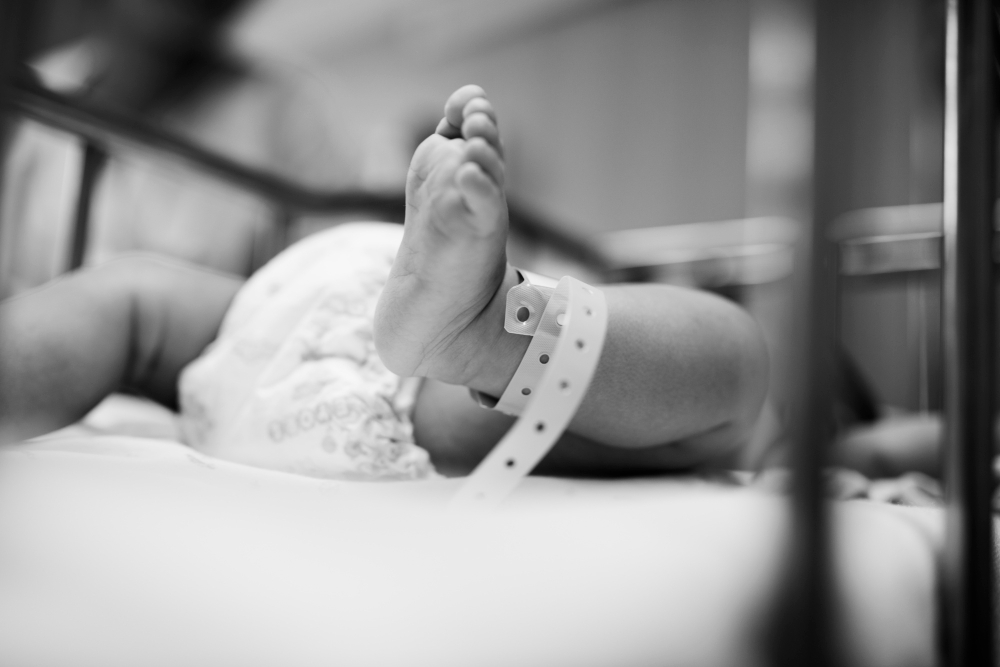

Kenya takes centre stage in global push to end leading cause of newborn deaths as 37 countries converged in Nairobi to tackle Group B Streptococcus.
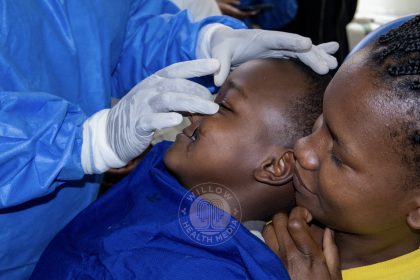
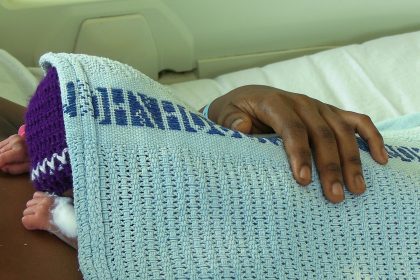
When Julie Nyanchama delivered her baby boy at a Nairobi hospital in 2014, everything seemed fine. He was big, healthy, and robust at 4.3 kilograms. By day three, he was burning with fever. By day seven, he was convulsing. The culprit was a bacterium most Kenyans have never heard of, one that lives silently inside healthy mothers and kills their newborns without warning.
Julie’s son survived. Tens of thousands of African babies every year do not.
Group B Streptococcus, known as GBS, is one of the world’s most overlooked newborn killers. It causes no symptoms in the mothers it colonises, making it almost impossible to detect without laboratory testing. Yet it is responsible for an estimated 390,000 neonatal infections, 91,000 newborn deaths, and 57,000 stillbirths globally every year. More than half of all cases occur in Africa, which accounts for 65 per cent of global deaths from the disease.
The statistics are staggering, but it is the inequality behind them that has driven scientists, policymakers, and advocates to demand urgent action. A baby born in Africa who contracts GBS faces a case fatality risk four times higher than a baby born in a wealthy country. In Africa, 23 per cent of babies with invasive GBS disease die.
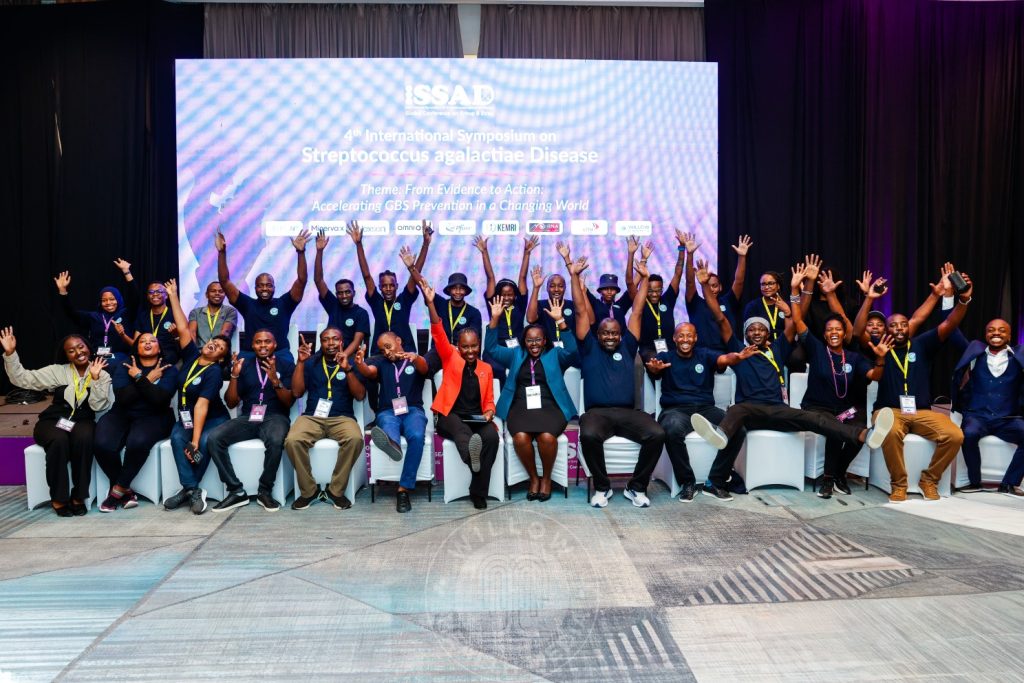
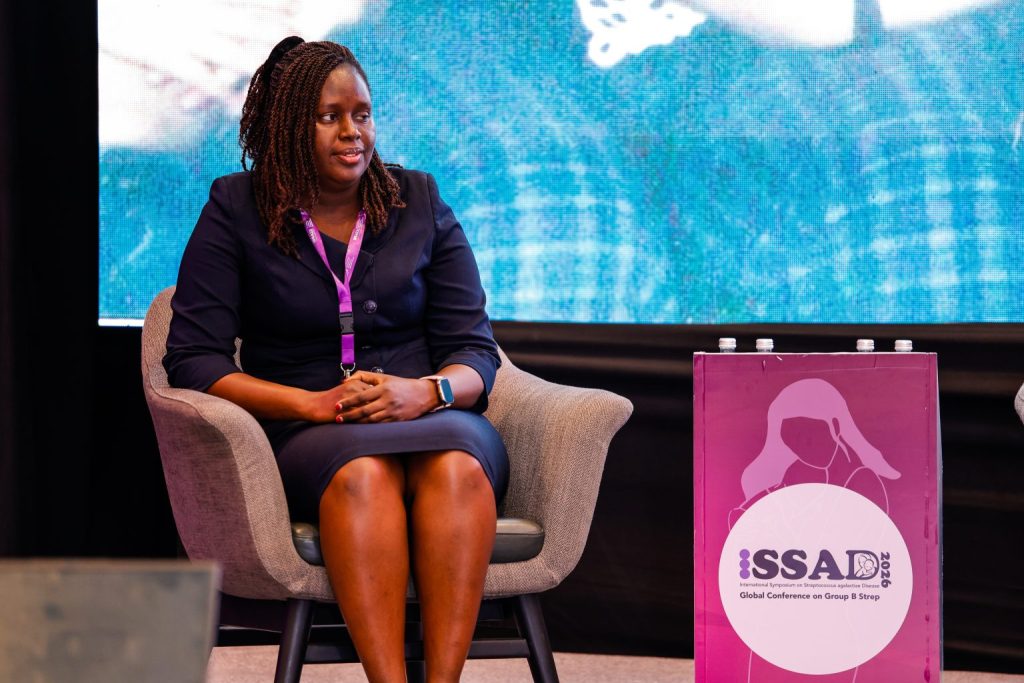
It was against this backdrop that Nairobi hosted the fourth International Symposium on Streptococcus agalactiae Disease (ISSAD 2026) on 23 February 2026, bringing together 300 delegates from 37 countries for three days of science, policy, and human advocacy. It was the first time the symposium had convened in East Africa, a deliberate signal that the communities carrying the heaviest share of the disease burden must also lead the design of its solutions.
The silent journey from mother to child: GBS colonises healthy adult women completely without symptoms
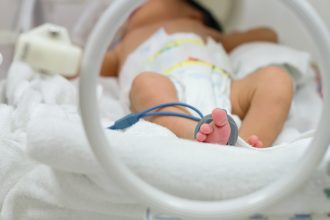
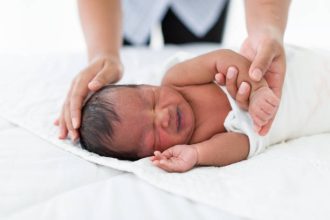
GBS colonises healthy adult women completely without symptoms. During late pregnancy and delivery, the bacteria can transfer silently from the mother’s reproductive tract to the newborn. Once inside the body, it can remain harmless on the skin or, in some cases, invade the respiratory tract and enter the bloodstream, causing sepsis or meningitis.
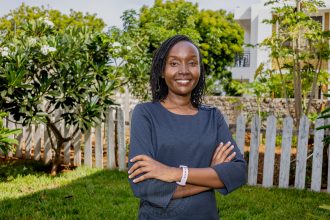
“It may just sit on the baby’s body safely,” said Dr Angela Koech, a Kenyan researcher who shifted from delivery rooms to laboratory work after encountering the disease in a community setting in Kilifi. “But occasionally, it enters the respiratory tract, launching an invasive disease into the baby’s circulation. From there, it causes sepsis or enters the central nervous system to cause meningitis. By the time a sick baby reaches a hospital equipped to treat it, it is often too late.”
Julie’s experience illustrates exactly how that window closes. After her newborn developed a fever, she took him to Makadara Health Centre, where staff referred her to Kenyatta National Hospital. Overwhelmed by fear of hospital costs, her family instead bought over-the-counter antibiotics from a local pharmacy.
“I felt that if I buy antibiotics, Amoxil and Flagyl, the baby would be alright,” Julie recalled. Days later, her son was convulsing. He was rushed back to the hospital, diagnosed, treated, and eventually survived. Many are not as fortunate.
The tragedy is compounded by a systemic blind spot. In Kenya’s overcrowded public maternity wards, specialised laboratory reagents and blood culture equipment are rarely available. When a baby dies of rapid-onset sepsis within hours of birth, the death is recorded as generic neonatal mortality. GBS disappears from the data, invisible to the system that should be tracking it.
Huge discrepancy between what clinicians think causes maternal death and what lab evidence shows
While global attention has historically focused on newborns, ISSAD 2026 shone a direct light on what GBS does to pregnant women. When the bacteria ascend from the vagina into the uterus, it creates severe inflammation that can trigger preterm labour or kill the fetus in the womb. Yet because diagnostic systems remain weak across the continent, the medical establishment has remained largely unaware of the true scale.
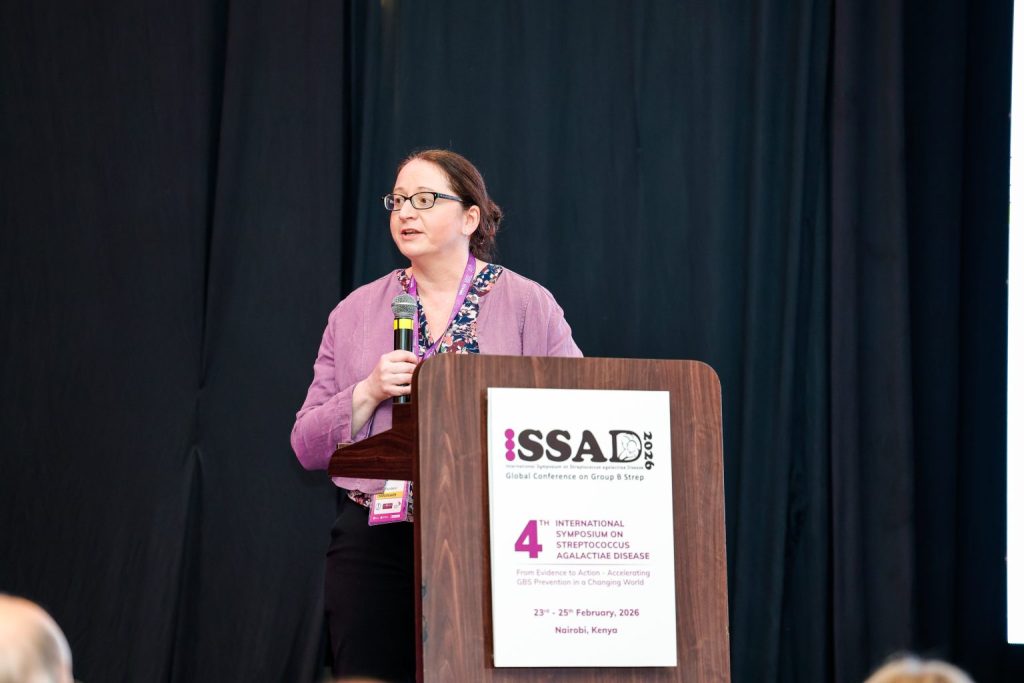
Prof Anna Seale was direct in her assessment. “There is a huge discrepancy between what clinicians think causes maternal death and what laboratory evidence shows,” she told the symposium. “We are not properly ascertaining maternal GBS disease. Imagine preventing not just newborn sepsis, but also preterm births and maternal deaths. That would be a profound change for families and health systems alike.”
In high-income countries, pregnant women are routinely screened for GBS between weeks 35 and 37 of pregnancy. In East Africa, the vast majority of women give birth without ever knowing their GBS status. ISSAD experts proposed an immediate overhaul: integrating GBS surveillance into electronic medical records, expanding blood culture testing at county hospitals, and establishing genomic tracking sites across the continent.
The scientific consensus at ISSAD 2026 pointed clearly in one direction: the long-term answer is a maternal GBS vaccine, administered during pregnancy so that protective antibodies cross the placenta and shield the infant through its first 90 days of life. That vaccine is currently in Phase 3 clinical trials and closer to reality than at any point in history.
When a new vaccine emerges, wealthy nations move quickly, others wait
But scientists were candid about what comes next. Historically, life-saving vaccines reach low- and middle-income countries up to a decade after wealthy nations. “When a new vaccine emerges, wealthy nations move quickly; others wait. The inequity is structural,” said Prof Michelle Groome, Technical Lead for the Maternal Immunisation Readiness Network in Africa and Asia (MIRNA).
Dr Ignacio Esteban, who leads maternal immunisation efforts at Gavi, the Vaccine Alliance, was equally frank. “For diseases like GBS, high-income countries will introduce first. That is an assumption that I think will remain over the next years. But we must work to reduce the gap in the number of years until the product becomes available for low-income countries,” he said.
For decades, the standard approach in high-income countries has been intrapartum antibiotic prophylaxis, giving intravenous antibiotics to the mother during labour. In low-resource settings, this is logistically difficult, fails to prevent stillbirths that occur before labour begins, and risks driving antimicrobial resistance. Kenya, through its active engagement with MIRNA, has positioned itself as a test case for African-led vaccine readiness, working to ensure that national logistics, distribution networks, and public trust are in place before a vaccine becomes available.
There is no disease that will ask for a visa to cross the border
Kenya’s Principal Secretary for Public Health and Professional Standards, Mary Muthoni, set the tone for the symposium with a reminder that the data represents real families. She urged health systems to evolve “so that no woman has to choose between seeking care and feeding her family. And so that no newborn’s survival depends on whether their parents can pay.”
She closed with the line that became the defining quote of the conference: “There is no disease that will ask for a visa to cross the border.”
The political engagement that followed was tangible. Kenya’s Ministry of Health actively integrated ISSAD 2026 findings into its official communications, lifting GBS prevention from a niche research subject to a matter of national health policy.
As official media partner, Willow Health Media played a central role in translating complex microbiology and molecular genomics into accessible public health narratives. The symposium generated 50 media mentions and reached a potential audience of 2.36 million people between 22 February and 1 March 2026, drawing 40 active journalists and a broad hybrid livestream audience across YouTube and Microsoft Teams. Willow’s inaugural LinkedIn newsletter, led by ISSAD investigative features, gained 874 subscribers within its first two weeks.
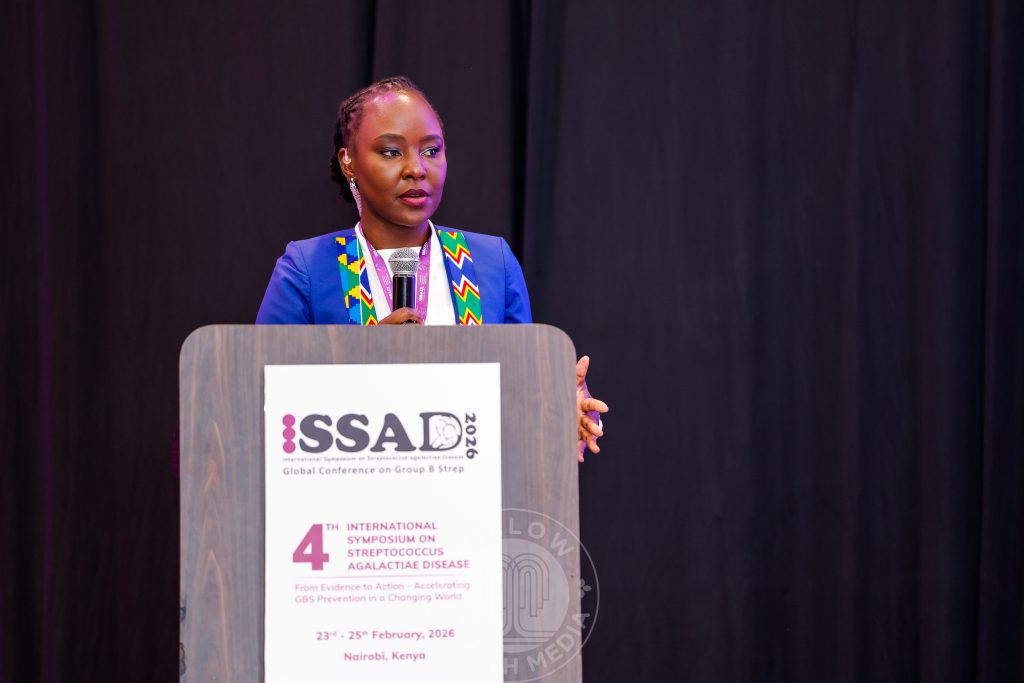
“The goal was simple and urgent: to save more lives and ensure that mothers hug their babies and go home with their bundle of joy,” said Willow Health Media CEO and Editor-in-Chief Dr Mercy Korir.
ISSAD 2026 marked a turning point precisely because it challenged the traditional flow of global health architecture, where solutions are built in wealthy countries and delivered to low-resource settings without local ownership. The young African scientists who presented during the symposium’s flash talks signalled something different: a generation ready to define the scientific agenda rather than simply inherit it.