

Neonatal sepsis is a leading cause of newborn deaths in developing countries. Survivors may experience delayed milestones, hearing loss, and cognitive impairment.
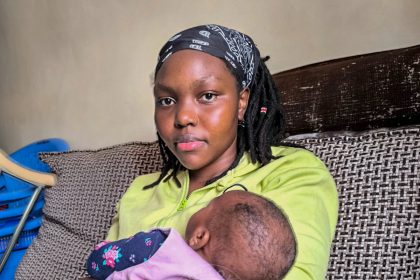
Lydia Charo, 25, went into labour in early December last year, hoping to deliver at Chumani Health Centre in rural Kilifi and return home with her bundle of joy. What she didn’t expect was that after giving birth, days of hospitalisation at Kilifi General Hospital would follow.
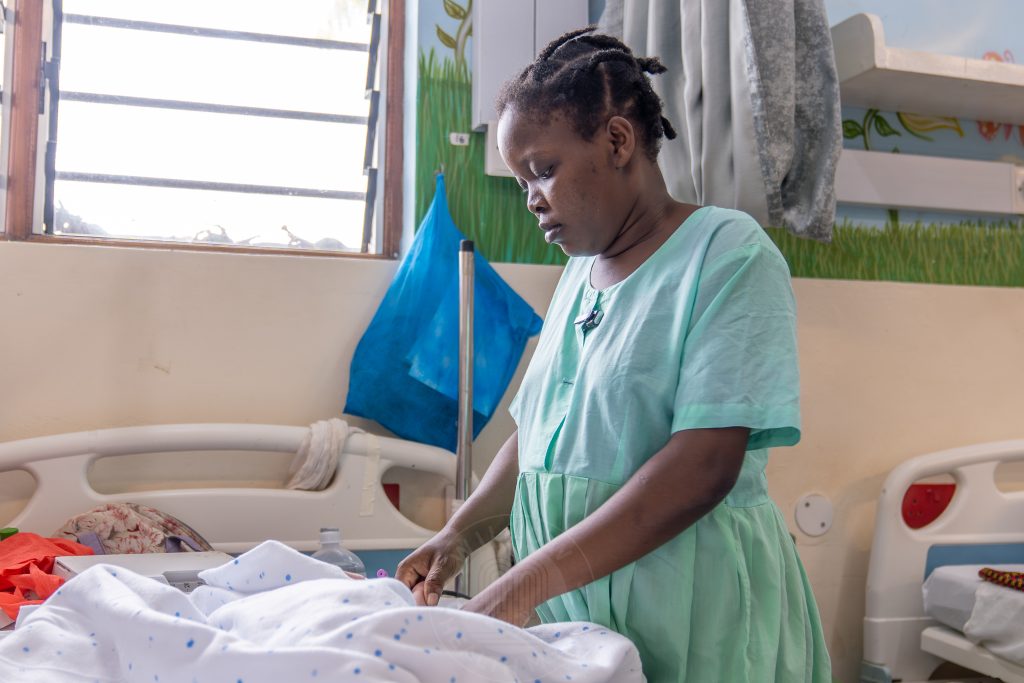
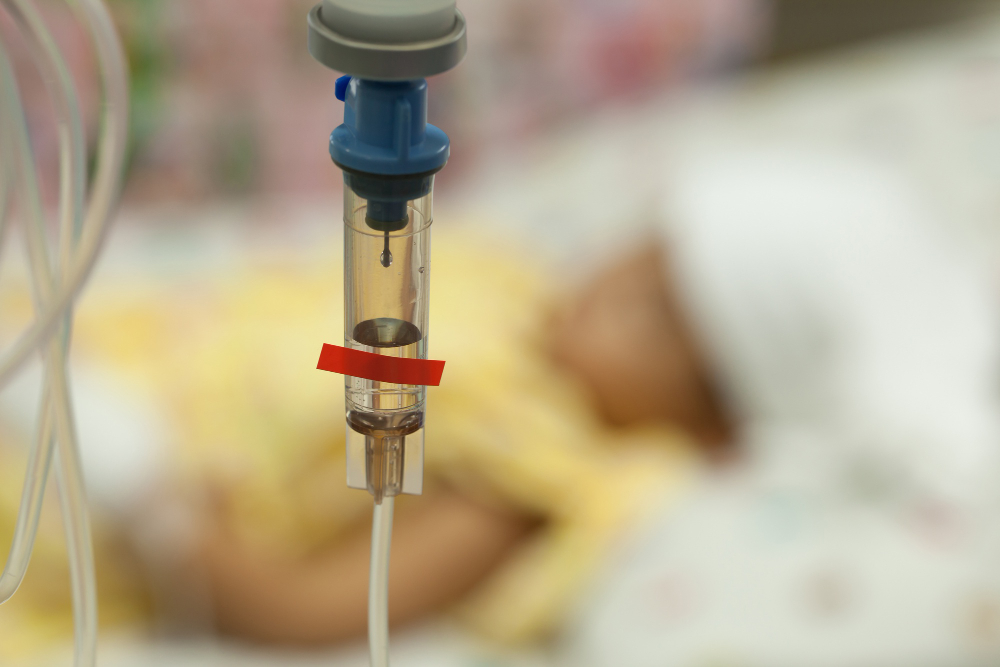
Her baby was among nearly a dozen infants admitted to the hospital’s High Dependency Unit with neonatal sepsis, a disease that is now being treated using Fosfomycin and Flomoxef, two drugs which were first discovered in the 1970s but sat on the margins of neonatal care in Africa, all along.
Now, as anti-microbial resistance chips away at the power of standard treatments, these older antibiotics are being revived and paired in new combinations in a renewed effort to outpace drug-resistant infections and protect the most fragile patients- newborns.
Indeed, neonatal sepsis accounts for about 28 per cent of neonatal deaths in Kenya, where the neonatal mortality rate stands at 21 deaths per 1,000 live births, according to the Ministry of Health.
Dr Christine Obiero, a clinician scientist at the Kenya Medical Research Institute (KEMRI), explains that neonatal sepsis is a life-threatening condition that occurs after a baby has been exposed to germs like bacteria which cause infection in the bloodstream.
The trial aims to reduce neonatal sepsis worsened by antimicrobial resistance
Now, an international clinical trial called Neosep1, headed by Dr Obiero, is seeking to find new antibiotic combinations to treat the life-threatening condition. The trial, which is in its second phase, aims to reduce neonatal deaths from sepsis worsened by antimicrobial resistance.
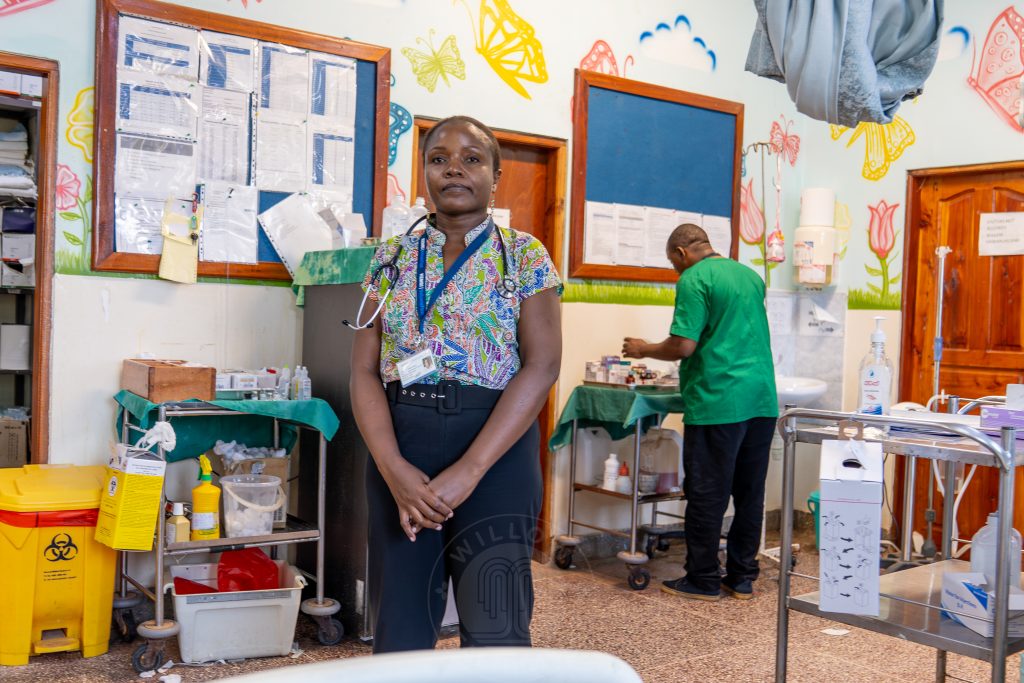
The Kemri-Wellcome Trust is running the project as part of a large Global Antibiotic Research and Development Partnership (GARDP), which aims to obtain evidence of the safety and efficacy of new antibiotic combinations- including Fosfomycin and Flomoxef, which were discovered in the 1970s but are not currently used to treat neonatal sepsis in Africa.
Flomoxef is, however, being used in some Asian countries to treat the condition.
Neosep1 is being undertaken in Kenya, South Africa, Uganda, Ghana, India, Bangladesh, Pakistan, Malaysia and Vietnam.
In Kenya, the trials are being held at Kilifi General Hospital, Coast General Hospital and Mbagathi Hospital. The project plans to enrol 600 babies in the country. Total enrolment across all sites is 3,000 newborns between the ages of zero and 28 days.
Hospital-acquired sepsis can occur in babies born prematurely or with breathing problems
This international trial follows a first clinical trial in 2024, which determined that a safe dose of the antibiotic Fosfomycin can be used to treat babies with neonatal sepsis.
The gold-standard test for diagnosing sepsis, she said, is a blood culture, a crucial lab test to detect bacteria. “The lab would then perform further tests to identify what bacteria it is and what antibiotics it would respond to or is resistant to,” she said.
Neonatal sepsis can be acquired in the hospital or at home. In the case of hospital-acquired sepsis, Dr Obiero said this can occur in babies born prematurely with breathing problems, low birth weight, or those who need to establish good feeding before being discharged. “While admitted to the hospital in the newborn unit, the baby may be exposed to bacteria causing infection,” she said.
The disease is a leading cause of death in newborns in developing countries. According to Dr Obiero, children who suffer from neonatal sepsis may experience delayed milestones, hearing loss, and cognitive impairment.
For Lydia, it all started when she woke up bleeding one morning. A visit to nearby Chumani Health Centre led to a referral to Kilifi General Hospital. What followed was 12 painful hours of waiting to get into the theatre.
Upon delivery, the baby refused to breastfeed, subsisting only on formula milk
“By the time they were ready to do the operation, they said that the baby had turned in the womb,” she said, saddened by how long she had waited.
Upon delivery, the baby refused to breastfeed, subsisting only on formula milk. Once at home, the baby developed a fever. “They thought it was malaria, and they put him on medication,” she said. With no signs of improvement, they were transferred to Kilifi General Hospital, where the baby was found to have symptoms of neonatal sepsis and was admitted to the High Dependency Unit.
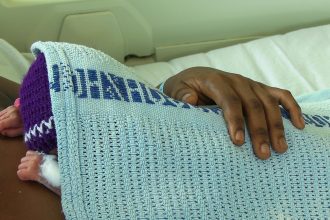
The trial drugs were administered to Charo’s baby, who was shortly discharged when Dr Obiero, together with a nurse, were doing rounds at the HDU. Dr Obiero saw Charo sitting on a white plastic chair beside a bed where her newborn lay wrapped in a white hospital shawl. “The baby is better now, even though he has not breastfed yet,” she said.
Dr Obiero and her team are comparing existing and new antibiotic combinations for such efficacy in treating neonatal sepsis. “We are looking at how the use of these antibiotic combinations has an impact on the development and spread of resistance to the antibiotics,” she told Willow Health Media.
The project has drawn up a list of eight antibiotics that will be used in the trial. Once a baby is considered eligible and consent is obtained, the baby will be randomised to receive one of the eight different antibiotic regimens.
The trials also seek to evaluate impact of different antibiotic combinations on infant mortality
The antibiotics include those currently in use for treating neonatal sepsis. These drugs include a combination of Penicillin and Gentamycin, Ceftriaxone, and a combination of Ceftriaxone and Amikacin. Of these, Dr Obiero said there is evidence of resistance to Penicillin, but part of the trial’s objective is to find out if there is resistance to the other drugs.

The trials further seek to evaluate the impact of different antibiotic combinations on infant mortality, neurodevelopmental status and the health economics of antibiotic use. “At the end of the trial, we would like to know the cost of treating babies with sepsis with the different antibiotic combinations,” said Dr Obiero.
“We have about ten signs and symptoms of sepsis, which we look at. If a baby has at least two of them, then they will have met that criterion. Some of them are related to abnormal temperature, abdominal distention, irritability or abnormalities in movement,” she said.
Dr Obiero hopes that by the end of the programme, they will be able to recommend antibiotic regimens for treating babies with sepsis based on different factors. “This will ensure that each baby who comes to the hospital actually ends up receiving antibiotics, which takes into consideration how they present and other factors in the particular setting so that they have the best outcome possible,” she said.
Dr Obiero is wary, however, that without proper stewardship, the impact of the treatment regimen they end up recommending could be diminished.
Kenya needs training in drug discovery, AI and machine learning
“As much as we aim to end up with results that will inform antibiotic use in babies, it is important that there is stewardship when it comes to the usage of these antibiotics. Anti-microbial stewardship programmes are very important to ensure that clinicians adhere to guidelines,” she said.
She reiterated the importance of adhering to prescribing guidelines so that patients receive antibiotics only when justified, and of adherence to treatment duration and to taking medication as prescribed.
Beyond the GARDP project, Prof Samuel Kariuki, the Continental Lead for Africa and Eastern Africa Director at DNDi, said that other institutions, particularly universities, are working on projects to identify other drugs that can address antimicrobial resistance in various diseases. “We have other alternatives like vaccines, like monoclonal antibody treatments that work in the same way to treat resistant infections,” he said.
Prof Kariuki said it is important that drug discovery teams in Kenya work with collaborators in high-income countries to ensure the transfer of technology. This, he said, is because drug discovery is currently a small niche in the country, and there is a need for training in drug discovery, molecular technologies, artificial intelligence and machine learning “to accelerate the process of discovering new molecules for treatment.”
We believe in the free flow of information
Republish our articles for free, online or in print, under Creative Commons licence.