
As financial hardship deepens, young women are delaying antenatal care, skipping family planning, and relying on unsafe self-medication just to survive.
A few weeks ago, Kenyans watched in horror as a 27-year-old woman in Embu County died from severe burns after a suspected acid attack while walking to a local market. The brutality of that incident shocked the nation. Yet beyond the headlines lies a quieter, more persistent reality: millions of young Kenyan women face a daily struggle for survival in an economy that offers little security and even fewer opportunities.
As we mark World Population Day 2026, we should move beyond demographic statistics and confront the human stories behind them. This year’s United Nations theme, “Realising the Hopes and Aspirations of Young People: Today and for the Future”, is both inspiring and deeply challenging.

For many young Kenyans, those hopes are being steadily eroded by economic hardships, unemployment, and systems that are often too slow or too difficult to navigate.
A common misconception is that today’s young people are choosing to delay marriage or parenthood because their values have changed. The evidence tells a different story. The recent UNFPA Demographic Futures Survey shows that most young adults still want stable relationships, families, and a secure future. Their aspirations have not disappeared. What has disappeared, for many, is the confidence that those dreams are financially attainable.
Instead of being Kenya’s greatest strength, young people remain trapped in economic uncertainty
Kenya’s greatest demographic advantage is its youthful population. More than three-quarters of our citizens are under the age of 35, a generation with the potential to drive innovation, productivity, and economic growth. Yet instead of becoming the country’s greatest strength, too many young people remain trapped in prolonged unemployment, unstable work, and economic uncertainty.
For many young women, these challenges are compounded by an obstacle that should never exist in the first place: obtaining a national identification card. Although government efforts have promised faster registration, thousands still spend months or even years waiting for documentation.
In today’s increasingly digital economy, life without an ID means exclusion. It can prevent someone from opening a bank account, registering for mobile financial services, accessing higher education funding, securing formal employment, enrolling in government health insurance, or benefiting from many public services. Without legal identity, economic opportunity narrows dramatically.
This administrative exclusion pushes many young men and women into insecure, informal work where exploitation is common and financial independence remains out of reach. Over time, the emotional toll becomes just as damaging as the economic one. When every opportunity seems blocked, and the future feels increasingly uncertain, anxiety, depression, and hopelessness become more than medical diagnoses; they become part of everyday life.
Our healthcare system assumes patients have stable incomes, reliable transport
Economic insecurity also has profound consequences for reproductive health.
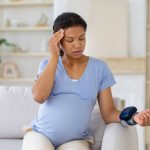
Our healthcare system still largely assumes that patients have stable incomes, reliable transport, and the ability to navigate complex administrative processes. For young women struggling to meet basic needs, preventive healthcare is often the first sacrifice. Antenatal appointments are postponed. Family planning services become inconsistent. Minor illnesses are managed through unsafe self-medication because formal care feels financially out of reach.
These are not simply individual choices. They are predictable consequences of structural inequality.
If we are serious about helping young people realise their aspirations, policy must respond to the realities they face. Three priorities deserve urgent attention.
First, guarantee universal access to legal identity and healthcare. Every eligible young woman should be able to obtain a national ID without unnecessary bureaucratic barriers. At the same time, the Social Health Authority (SHA) should ensure that lack of physical identification never prevents anyone from accessing essential reproductive healthcare, including maternal services and family planning. Basic healthcare should never depend on paperwork.
Financial assistance should be accompanied by accessible mental health services, psychosocial support
Second, strengthen economic support while addressing mental health. Youth empowerment programmes cannot focus solely on loans or grants. Financial assistance should be accompanied by accessible mental health services, mentorship, and psychosocial support that help young people rebuild confidence and resilience after years of economic hardship.
Third, make public reproductive healthcare genuinely youth-friendly. Level 2 and Level 3 health facilities should provide dedicated spaces where young people feel respected, welcomed, and safe. Flexible clinic hours, well-trained providers, and firm action against unofficial charges would remove many of the barriers that continue to discourage young women from seeking care.
The conversation we need is bigger than economics alone. Economic insecurity shapes health. It shapes relationships. It shapes decisions about education, work, marriage, and parenthood. Ultimately, it shapes whether young people believe they have a future worth investing in.
We cannot build a prosperous Kenya while pricing an entire generation out of its aspirations. The dividends of our youthful population will never be realised if economic opportunity remains out of reach and basic systems continue to exclude those who need them most.
As we commemorate World Population Day, we should remember that hope cannot survive on slogans alone. It requires deliberate investment in people, responsive institutions, and policies grounded in dignity rather than bureaucracy. If we truly want to secure Kenya’s future, we must protect the lives, choices, and potential of our young people today. Their dreams are not a burden on our economy; they are the foundation of tomorrow’s prosperity.
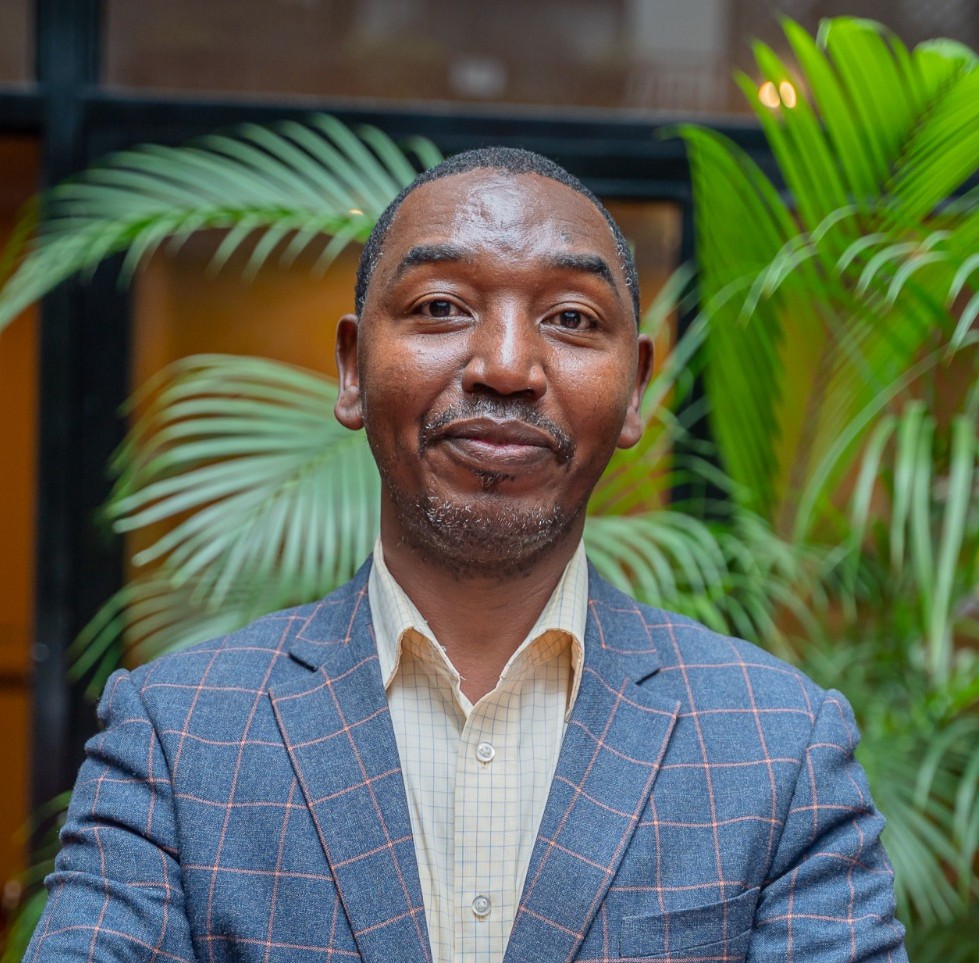
Dr Mogeni Richard Mogaka chairs the Kenya Obstetrical and Gynaecological Society (KOGS) – North Rift Branch. He holds an MBchB and an MMED in Obstetrics and Gynaecology from Moi University, and a Master’s in Biotechnology of Human Assisted Reproduction and Embryology from IVI Valencia.
We believe in the free flow of information
Republish our articles for free, online or in print, under Creative Commons licence.