
Kenyans learnt that the Social Health Authority (SHA) has over 160 registered ambulances countrywide for taking patients to the nearest suitable hospital.
David Njoroge has been paying into Kenya’s health insurance system since the 1980s, back when a month’s contribution meant sticking a coin-sized stamp onto a card, and nothing more was asked of you. So, when the Social Health Authority (SHA) came calling with questions about his land, his electricity connection and how many properties he owned as part of Means Testing, he found the exercise bewildering and, in his words, demoralising.
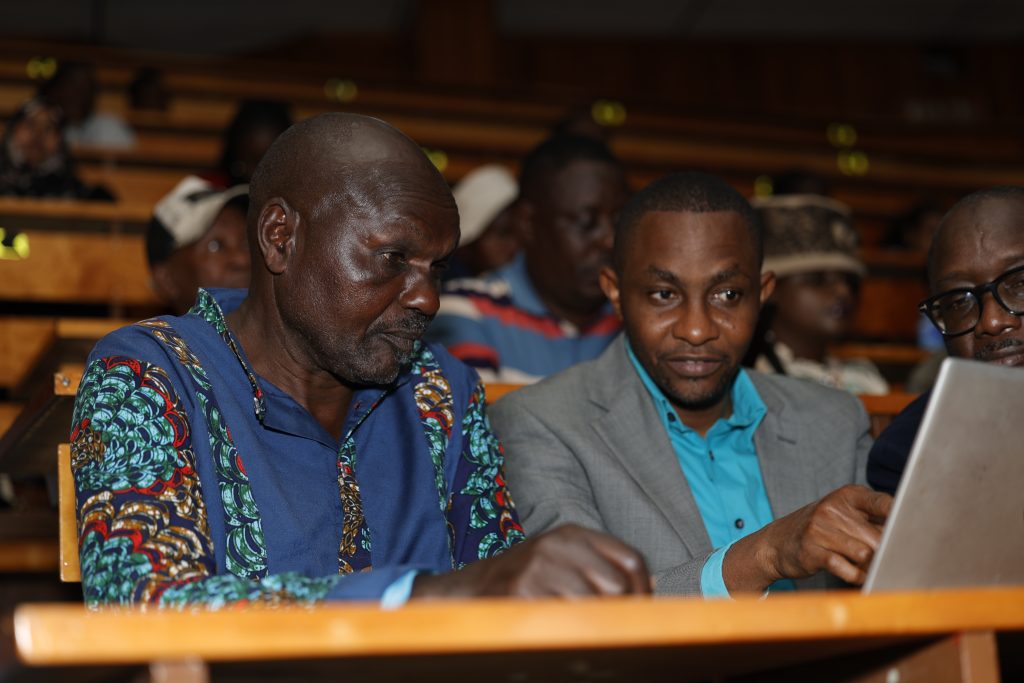
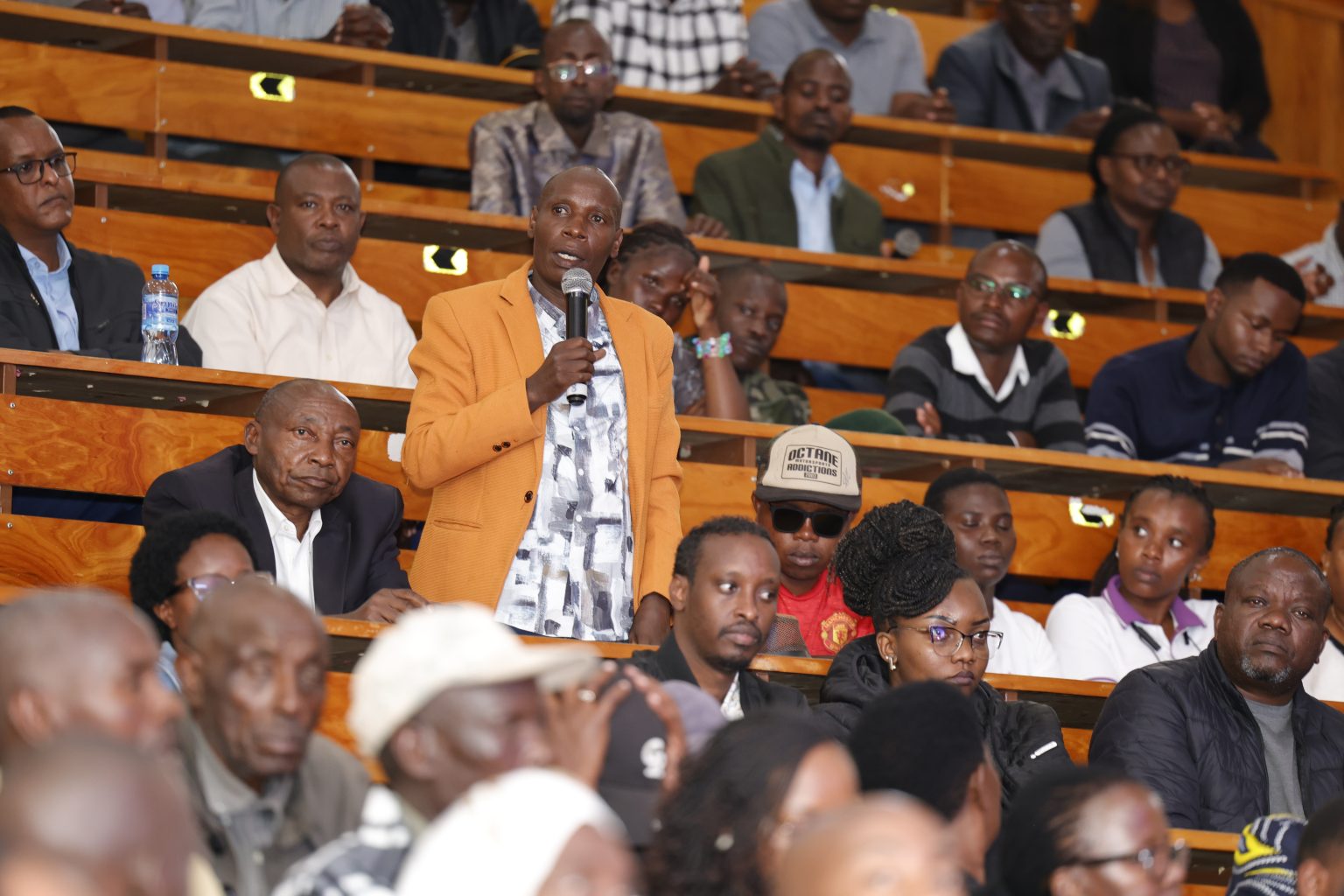
Speaking at a recent SHA town hall in Naivasha, Njoroge described how his fortunes turned through SHA Lipa Pole Pole, the authority’s staggered payment plan. Rather than demanding a full year’s contribution upfront, the scheme allows a first instalment covering a few months to unlock immediate access to services, with the balance paid gradually thereafter.
SHA staff completed his means testing assessment live before the audience, and SHA CEO Dr Mercy Mwangangi settled his outstanding balance herself. Njoroge, in turn, had one request for the SHA team: that Kenyans be registered gently, because, as he put it, “uchumi umenisonga”, the economy has hemmed him in, and dignity should not depend on a lump sum few can raise.
His was one voice among many that evening. For close to three hours, a packed hall in Naivasha became a confessional of sorts for SHA. Teachers, boda boda riders, prison officers, nurses, elders, private providers and ordinary residents took turns at the microphone, each carrying a grievance, a question, or occasionally a word of grudging praise for the scheme that has replaced the National Hospital Insurance Fund (NHIF).
Moderated by Dr Mercy Korir, the CEO and Editor-in-Chief at Willow Health Media and Multimedia Journalist Nuru AbdulAziz, the gathering brought together SHA’s senior leadership with questions following familiar contours: digital systems that mysteriously fail at one facility but work across the road, patients sent out to buy their own medicine despite being registered, ambulances arriving without fuel, and providers unpaid for months. SHA’s leadership responded with figures on system performance, provider payments, new funding initiatives and measures aimed at Kenya’s most vulnerable, alongside admissions of where the scheme still falls short.

Where one health facility reports failure, the fault mostly lies with its internet connectivity, unresolved account issues
Chief among the complaints was system downtime. Director of Corporate Services, Mohamed Alio Ibrahim, said the platform, managed jointly with the Digital Health Agency, now runs at roughly 99.9 per cent uptime, up from 61 per cent in July 2025. Where one facility reports failure, the fault mostly lies with its internet connectivity or unresolved account issues rather than the national system. “If the system is down, it cannot be down in one facility and up in another,” he said, urging affected facilities to contact SHA’s ICT desk directly.
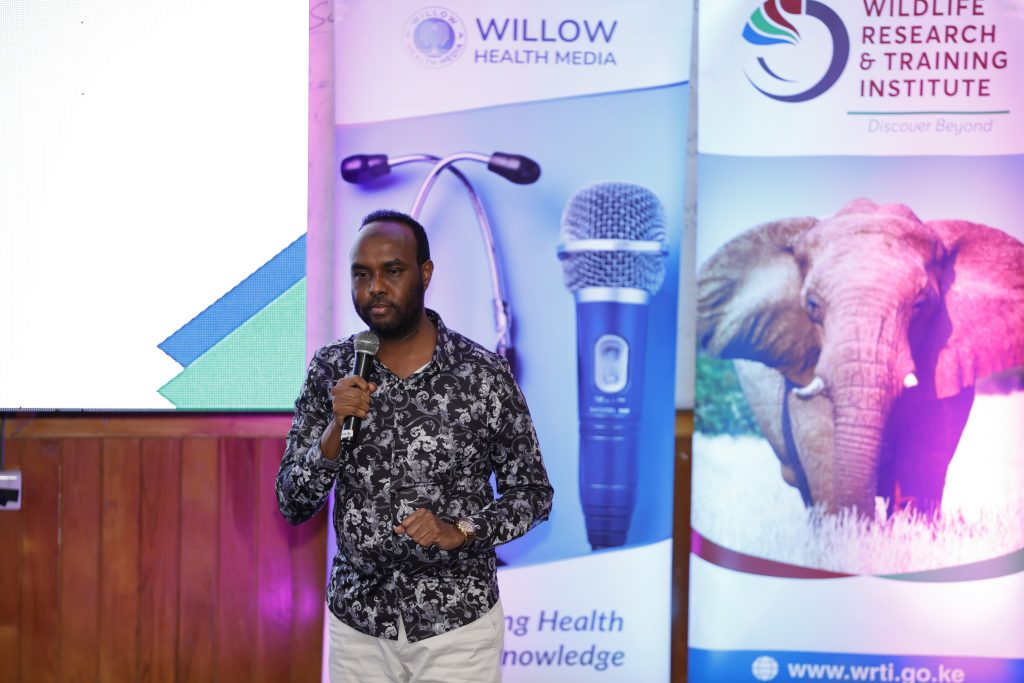
Provider payments proved equally contentious. Director of Benefits and Claims Management, Golda Larissa Akolo, reported that the settlement rate across all contracted facilities had climbed to 84.4 per cent as of March 2026, up from 61 per cent roughly eight months earlier. Rejections, she explained, are most often the result of incomplete documentation rather than a refusal to pay, since claims lacking theatre notes, itemised bills or final invoices cannot be verified and are returned. The rejection rate had fallen from around seven per cent to closer to four per cent, with a target of zero.
On finance, Director of Funds and Finance Management, Jonathan Leisen, confirmed SHA pays facilities on the 14th of every month, though Primary Healthcare Fund (PHC) disbursements were running roughly a month behind schedule at the time. He appealed to employers to remit statutory deductions by the ninth of each month, warning that late remittance leaves an employee’s cover inactive precisely when it may be needed most.
The question of preventive versus curative care surfaced too, raised by contributors including service provider and Fr Kennedy Yegon, who pressed SHA on why the scheme appeared weighted towards treatment rather than prevention.
Director of Provider and Beneficiary Management, Dr Diana Marion, walked the audience through SHA’s four funds: the Primary Healthcare Fund, the Social Health Insurance Fund (SHIF), the Emergency, Chronic and Critical Illness Fund (ECCF), and the Public Officers Medical Scheme Fund.
Just as pupils sit exams before progressing, Kenyans must undergo means testing before accessing SHIF
Preventive and promotive services, she explained, sit under the PHC Fund and are delivered through Level Two and Level Three facilities, including nutrition support and community health promoter visits, free at the point of access provided a person is registered. Dr Mwangangi offered an analogy drawing on former President Mwai Kibaki’s introduction of free primary education. Just as pupils sit an examination before progressing to secondary school, she said, Kenyans must undergo means testing before accessing the contributory SHIF tier, while the PHC Fund, financed directly by the exchequer, functions like free primary school: walk in, walk out, no payment required at qualifying facilities.
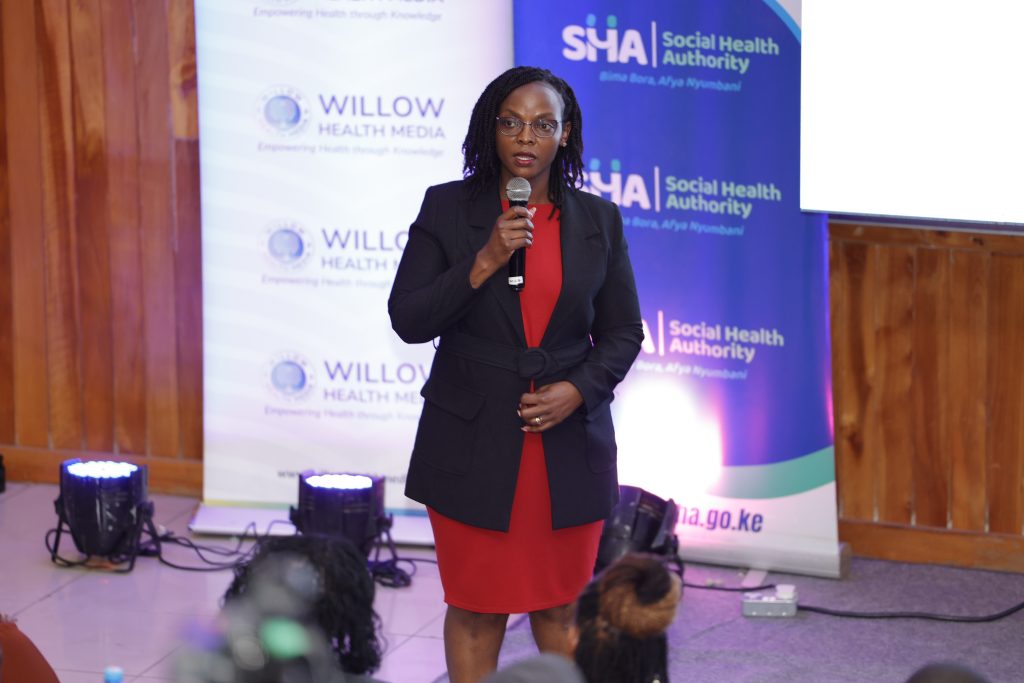
Practical registration questions followed. Deputy Director of Registration and Compliance, Florida Bogori, clarified the process for adding adopted children, wards under guardianship, and children living with disabilities to a principal member’s account through the Afya Yangu portal or by dialling *147#, each category requiring supporting documentation such as an adoption or guardianship certificate. She also addressed spousal cover, confirming either partner may register as principal member with the other added as a dependant, with a marriage certificate or, in its absence, a sworn affidavit accepted as proof.
Comprehensive cover, largely relevant to teachers, police officers and civil servants under the Public Officers Medical Scheme Fund, drew its own concerns. Dr Marion and Nakuru County Manager Daisy Chepkoech explained that this tier extends beyond standard PHC and SHIF limits to cover services such as prosthetic devices and complicated dental extractions, subject to pre-authorisation.
A representative of the Kenya Union of Post-Primary Education Teachers (KUPPET) Nakuru branch raised the case of a teacher who had suffered fractures to both legs but was reportedly told only one surgery could be performed per day. Margaret Masharia, from SHA’s benefits department, called the practice clinically indefensible and confirmed a teacher’s medical limit stands at a minimum of 1.5 million shillings, sufficient to cover multiple procedures in a single admission.
Perhaps the most concrete announcement concerned emergency care. Ibrahim revealed that a National Ambulance Dispatch Centre, ready for launch before the end of the month, will allow any Kenyan facing a medical emergency to dial 112 and be connected to a coordinated response. A team of 22 doctors and 18 customer experience staff will direct the nearest available ambulance, in a model he compared to ride-hailing apps, to the nearest appropriate emergency facility. The first 24 hours of emergency care, including the ambulance journey, will be funded through the Emergency, Chronic and Critical Illness Fund, which currently holds close to Ksh7 billion, without any requirement for prior registration or identification.
Mothers can walk in and walk out without paying at Level Two and Level Three facilities
Private ambulance owners, counties and faith-based facilities can register their vehicles, with SHA offering a flat rate of Ksh4,500 within a 20-kilometre radius and a per-kilometre charge beyond that. A total of 163 ambulances have already been onboarded nationally, with Taita Taveta and Nairobi County furthest along in adoption.
Fraud was another concern. Director of Audit, Pariken Ole Sankey, addressed collusion between patients and facilities, describing cases in Nakuru County where roughly five facilities had been flagged for irregular claims, some investigations concluded and others ongoing.
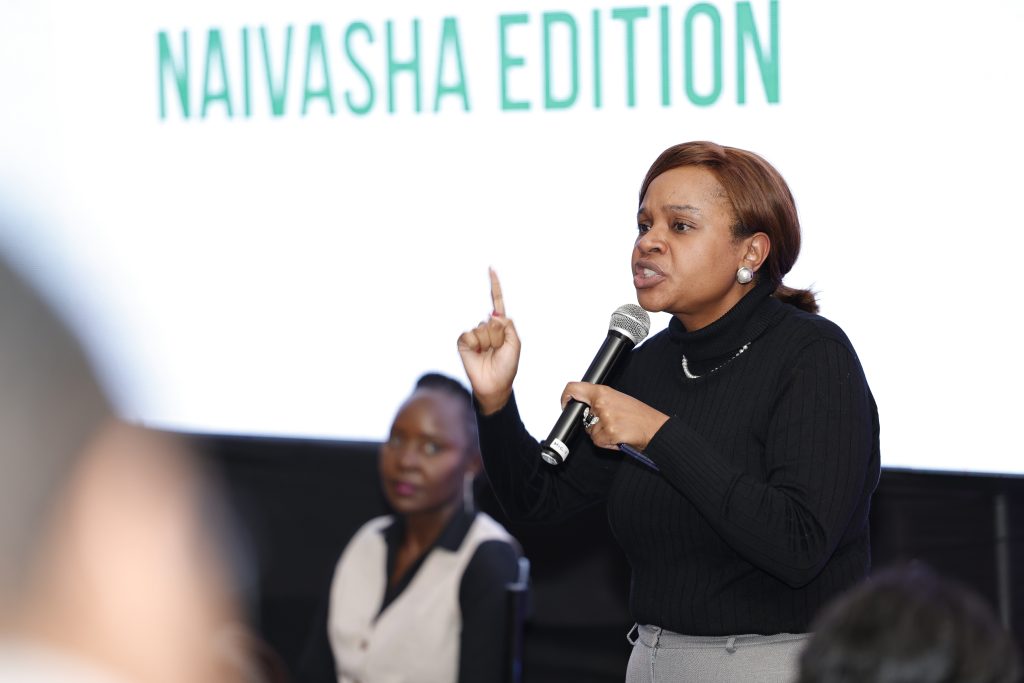
Dr Mwangangi closed with announcements addressing equity concerns raised throughout the session. On vulnerable Kenyans, she confirmed SHA, working with the Social Protection Secretariat, had paid for 442,000 Kenyans who could not afford contributions themselves, at a cost of close to Ksh3.5 billion over the preceding six months. A further 600,000 people identified through the same ministry list, which tracks orphans, vulnerable and poor persons, remain pending as SHA pursues additional budget allocation.
She also corrected what she called a widespread misunderstanding around maternity cover. Many residents, she said, still believed the free-delivery scheme operated under its older names, Linda Mama or Linda Jamii, unaware SHA itself now covers it. “Mothers can walk in and walk out without paying at Level Two and Level Three facilities, with SHA paying ten thousand shillings per normal delivery, funded through two billion shillings in dedicated resources,” she said, adding that discussions are ongoing to extend free coverage to mothers referred to higher-level facilities for complicated deliveries.
On prisoners, Dr Mwangangi said SHA had secured Treasury approval that in the coming financial year, supplementary funding would cover an estimated 68,000 prisoners under both SHA and the SHIF fund, alongside registration of health centres within correctional facilities.
We believe in the free flow of information
Republish our articles for free, online or in print, under Creative Commons licence.