Behind every child death lies a chain of missed chances to diagnose earlier, act faster and intervene better. Researchers warn that without understanding what truly kills children, preventing future deaths will remain an exercise in guesswork.
When a four-month-old girl in western Kenya developed a fever, persistent cough and difficulty breathing, her mother believed she had been bewitched.
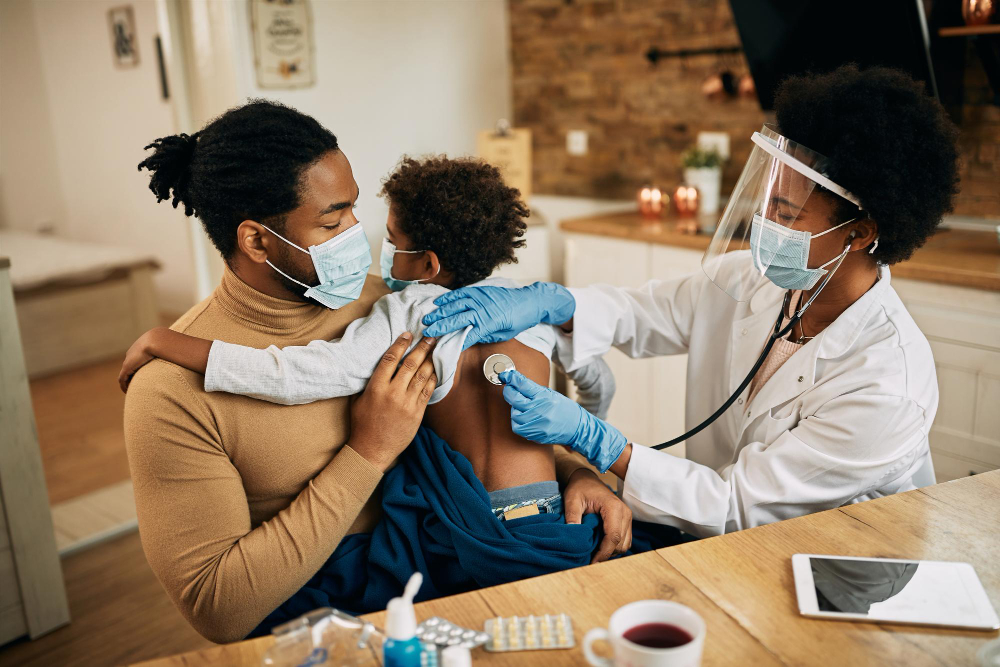
She first sought help from a traditional healer. By the time the baby was rushed to a referral hospital on a boda boda, she was severely ill. Doctors diagnosed pneumonia, dehydration and acute malnutrition. Despite oxygen and treatment, she died two days later.
For many families, that would have been the end of the story. But this child’s death was investigated under the Child Health and Mortality Prevention Surveillance (CHAMPS) programme, a multinational initiative tracking why children under five die.
What investigators found told a far more complicated story: the child had overwhelming sepsis caused by Escherichia coli (E. Coli) and Klebsiella, undiagnosed HIV infection, cytomegalovirus disease, encephalitis, pneumonia and severe wasting.
What appeared to be a simple pneumonia case was in fact a deadly chain of illnesses. For researchers, that distinction matters. Without understanding what truly kills children, preventing future deaths becomes guesswork.
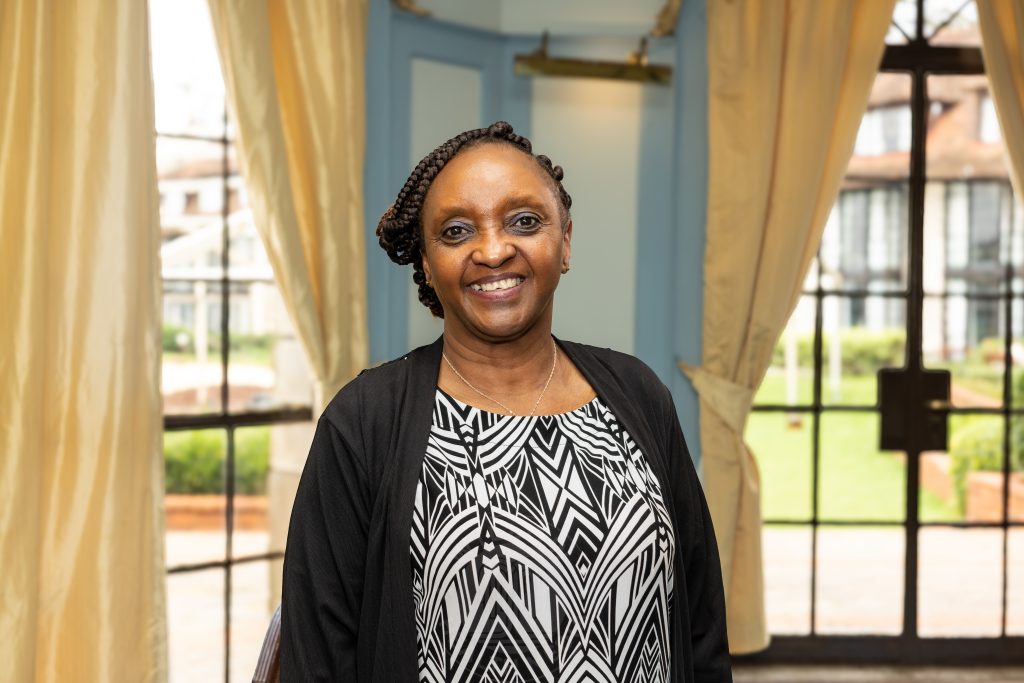
“We mainly track definitive causes of death among children who die and generate high-quality data to inform policy and public health action,” said Dr Hellen Muttai, Medical Epidemiologist and Co-Principal Investigator of CHAMPS. “Our aim is to identify the causes of death and use that information to prevent further deaths.”
The findings, alongside new data from the Pregnancy Risk, Infant Surveillance and Measurement Alliance (PRISMA), were presented during a webinar organised by the Kenya Paediatric Association on June 25, 2026.
Together, the two studies offer one of Kenya’s clearest pictures yet of why children die before their fifth birthday, and why many of those deaths begin long before birth. Their conclusion is sobering: most of these deaths are preventable.
CHAMPS combines hospital records, laboratory testing, pathology investigations, tissue sampling, and family interviews
CHAMPS operates across seven countries in Africa and South Asia. In Kenya, surveillance is conducted in Siaya and Kisumu, where demographic surveillance systems allow investigators to examine nearly every reported child death.
Unlike conventional mortality reporting, CHAMPS combines hospital records, laboratory testing, minimally invasive tissue sampling, pathology investigations and family interviews before a multidisciplinary expert panel determines the final cause of death using World Health Organization (WHO) criteria.
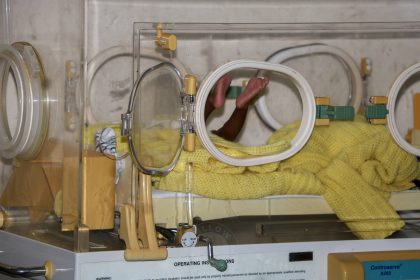
“We seek parental consent and, beyond conducting minimally invasive tissue sampling, we also carry out verbal autopsies to understand the illness from the family’s perspective,” Dr Muttai said. “We review hospital records, conduct extensive laboratory investigations and bring together all the evidence before a panel of experts determines the actual cause of death.”
This process has transformed how child deaths are understood. Instead of relying only on symptoms or hospital notes, specialists use biopsy needles to collect tissue samples from organs including the lungs, liver and brain, alongside blood, cerebrospinal fluid and stool.
The samples are then tested for more than 100 pathogens, including HIV, tuberculosis, malaria and sickle cell disease.
“It allows us to identify diseases that would otherwise remain completely hidden,” Dr Muttai said.
Since surveillance began nearly a decade ago, CHAMPS has investigated about 1,700 child deaths, and the trends are revealing. About one-third of the deaths were stillbirths. Another third were newborns who died within the first month of life, while just over 40 per cent involved children aged between one month and five years.
The causes shift sharply with age. Among stillbirths, 83 per cent were linked to birth asphyxia, meaning a lack of oxygen before delivery. In most of these cases, the babies themselves had no disease.
“The majority of these stillbirths were actually associated with maternal conditions,” Dr Muttai said, citing hypertension, placental complications, chorioamnionitis, membrane disorders and labour complications.
Many children are treated for the most obvious illness while deeper underlying conditions are missed
Among newborns, birth asphyxia remained the leading cause, accounting for 34 per cent of deaths. Sepsis contributed 20 per cent, while prematurity accounted for 18 per cent.
Among children aged one month to five years, the causes became more layered. Malnutrition contributed to 21 per cent of deaths, malaria to 18 per cent, with diarrhoeal diseases, HIV, congenital abnormalities, pneumonia and sepsis also among the leading causes.
But one finding stood out.
“Nearly 60 per cent had more than one condition contributing to death,” Dr Muttai said. “A child may have malaria together with malnutrition, or pneumonia together with sepsis. These conditions interact and make children much more vulnerable.”
That complexity exposes a major weakness in routine health systems: many children are treated for the most obvious illness while deeper underlying conditions are missed.
Laboratory investigations found Klebsiella pneumoniae, E. coli and Streptococcus pneumoniae among the most common pathogens responsible for fatal infections. Researchers also detected worrying antimicrobial resistance. Nearly half of Klebsiella isolates were resistant to gentamicin, one of Kenya’s most commonly used antibiotics.
The surveillance also showed many fatal pneumonia cases were caused by pneumococcal strains not covered by Kenya’s current PCV10 vaccine, raising important questions for vaccine policy.
For Professor Florence Murila, Head of the Newborn Unit at Kenyatta National Hospital, the findings mirror what clinicians see daily.
“We find that there are problems with patients,” she said. “Sometimes they fall sick, and the mother goes and buys herbs. Sometimes they go to a prayer person who tells them they have been bewitched. Others buy medicines over the counter, while many simply do not know the danger signs.”
Hypertension emerged as one of the strongest predictors of poor newborn outcomes
Those danger signs, including fever, convulsions, poor feeding, reduced foetal movement and bleeding during pregnancy, often go unrecognised until the child is critically ill. Transport delays make things worse.
“At night there may be no boda boda rider available, so the mother waits until morning,” she said. “By the time they reach the hospital, the child is critically ill.”

But delays are not only happening at home. Professor Murila described repeated failures inside health facilities, where children are treated multiple times for pneumonia or malaria while severe malnutrition or HIV goes undetected.
“Sometimes you see a child who is obviously severely malnourished and HIV positive,” she said. “They have been to health centres and referral hospitals several times, but nobody has picked up the malnutrition or the HIV. They finally come to us and die.”
She also recalled a stillbirth after an emergency Caesarean section was delayed because doctors could not be reached over a weekend.
“That was really upsetting,” she said. “It showed that there are also delays within our own health system.”
While CHAMPS focuses on what kills children, PRISMA looks upstream at why mothers and babies are vulnerable in the first place.
“PRISMA is really a baby to CHAMPS,” said Dr Florence Aweyo, Physician and Co-Principal Investigator. “It helps us understand the upstream maternal factors that contribute to adverse pregnancy outcomes and child deaths.”

The study has followed more than 2,700 pregnant women in Siaya and Kisumu, tracking infections, nutrition, mental health, hypertension, diabetes and newborn outcomes. Its findings point to maternal health as one of the most overlooked drivers of child mortality.
Nearly one in three pregnant women in the study was anaemic. Malaria prevalence stood at just over 10 per cent overall and rose above 20 per cent in parts of Siaya. HIV infections also remained persistent.
Hypertension emerged as one of the strongest predictors of poor newborn outcomes. Women with hypertension were twice as likely to experience stillbirths, while their babies faced higher risks of preterm birth, neonatal death, low birth weight and admission to newborn units.
“We have demonstrated that these maternal conditions directly influence what happens to babies,” Dr Aweyo said.
PRISMA recorded a stillbirth rate of 2.8 per cent, preterm births at 9.9 per cent and low birth weight in 11.5 per cent of deliveries. Nearly one in five babies were born small for gestational age.
Hypertension, anaemia, malaria and untreated infections often trigger the chain of events leading to stillbirths, prematurity and newborn deaths
The study also identified simple but missed interventions. Only about half of newborns were breastfed within the first hour of birth.
“This is a low-hanging fruit,” Dr Aweyo said. “If we improve early initiation of breastfeeding, we can significantly improve newborn outcomes without major additional resources.”

By linking mothers in PRISMA to children investigated by CHAMPS, researchers are now connecting maternal illnesses directly to child deaths.
The pattern is becoming clearer: hypertension, anaemia, malaria and untreated infections often trigger the chain of events leading to stillbirths, prematurity and newborn deaths.
For experts, the solutions are equally clear. Professor Murila said reducing child deaths will require stronger community education, earlier care-seeking, faster referrals, improved emergency obstetric care and sharper clinical decision-making.
CHAMPS estimates more than 90 per cent of the deaths it has investigated were preventable. The programme is already feeding its findings back into counties and hospitals, improving newborn resuscitation, strengthening record systems, supporting health worker training and conducting root-cause reviews for avoidable deaths.

Kenya has made progress. Under-five mortality dropped from 115 deaths per 1,000 live births in 2003 to 41 per 1,000 in 2022, according to the Kenya Demographic and Health Survey. UNICEF now estimates the rate at 38.8 deaths per 1,000 live births.
But maternal mortality remains high at 355 deaths per 100,000 live births, translating to about 6,000 mothers lost every year. For researchers, those numbers are not abstract. They represent missed diagnoses, delayed referrals, untreated maternal illnesses and health systems that failed to act in time.
Experts said the lesson from nearly a decade of surveillance is that child survival begins long before illness strikes; often in pregnancy, with healthy mothers, informed caregivers, functioning referral systems and health workers able to detect danger early.
We believe in the free flow of information
Republish our articles for free, online or in print, under Creative Commons licence.