
A women’s knitting group in Kilifi County is doing what health budgets failed to do, keeping fragile newborns alive with hand-stitched gifts that cost less than a cup of tea.
When Christine Kuvuna Jumaa gave birth in early February this year, nothing about it resembled her previous six deliveries. The Rabai resident in Kilifi County had always considered herself experienced in childbirth. This time, her baby arrived smaller and more fragile.
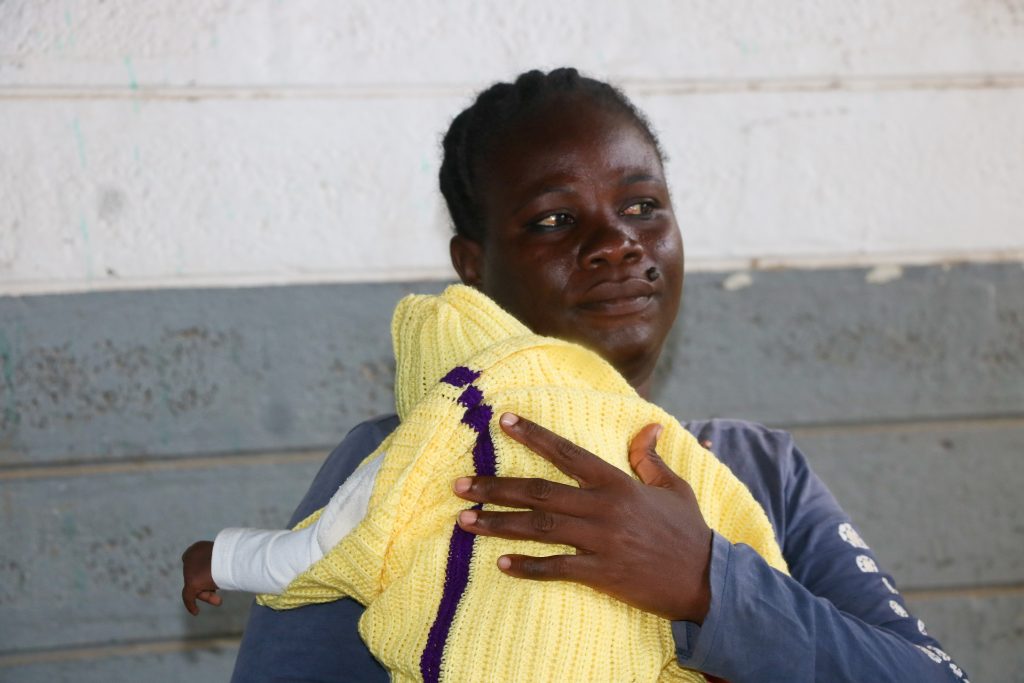
Christine also went to deliver without newborn baby clothes, which her community considered a bad omen, a sign the child might not survive to use them and “I was worried about what I would use to cover my baby because of the cold,” she recalls.
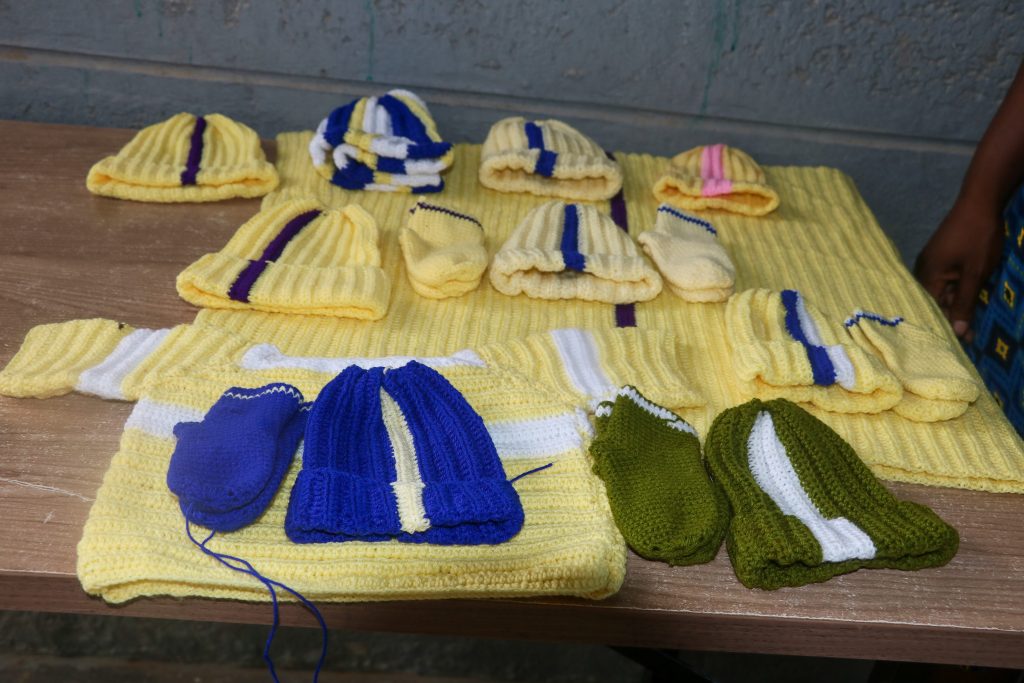
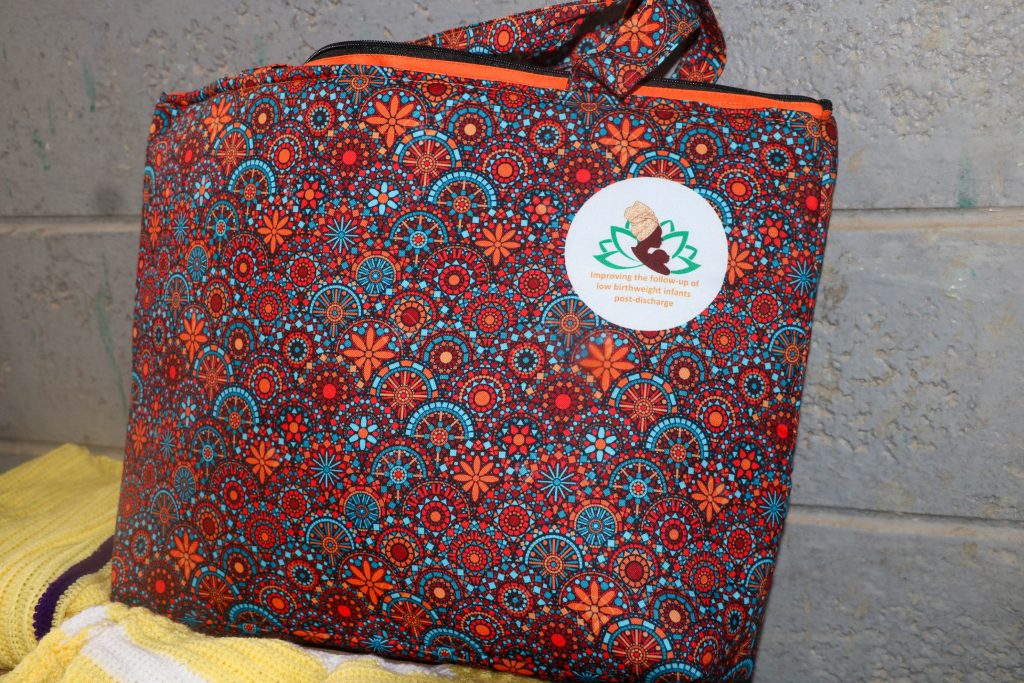
Her fears eased when nurses handed her a package supported by Aga Khan University and containing a baby shawl, hat and socks for the infant, and a dera and leso for her. “I felt extremely happy after receiving the package,” she says. “It really boosted my morale.”
She now uses the shawl and leso to practise Kangaroo Mother Care (KMC) at home, a method where a baby is held skin-to-skin to regulate temperature and support growth. Her husband, initially too frightened to hold their tiny daughter, has slowly grown more confident. Christine also had to contend with whispers in the ward suggesting that the baby’s condition was linked to infidelity, a local belief called chiraa. With medical guidance, she ignored it.
Sabina Inreche, a mother of five from Ribe in Kilifi County, had a similar experience. What she expected to be a routine antenatal visit ended in an emergency delivery after her arrival. Like Christine, she had brought nothing and was given the same package: a dera and leso for herself, and a shawl, hat, and socks for her newborn. “Because I understood the importance of keeping the baby warm, the package really helped me,” she says.
Stacey Wangeci spent over a month in the newborn unit, her twins weighed just one kilogram
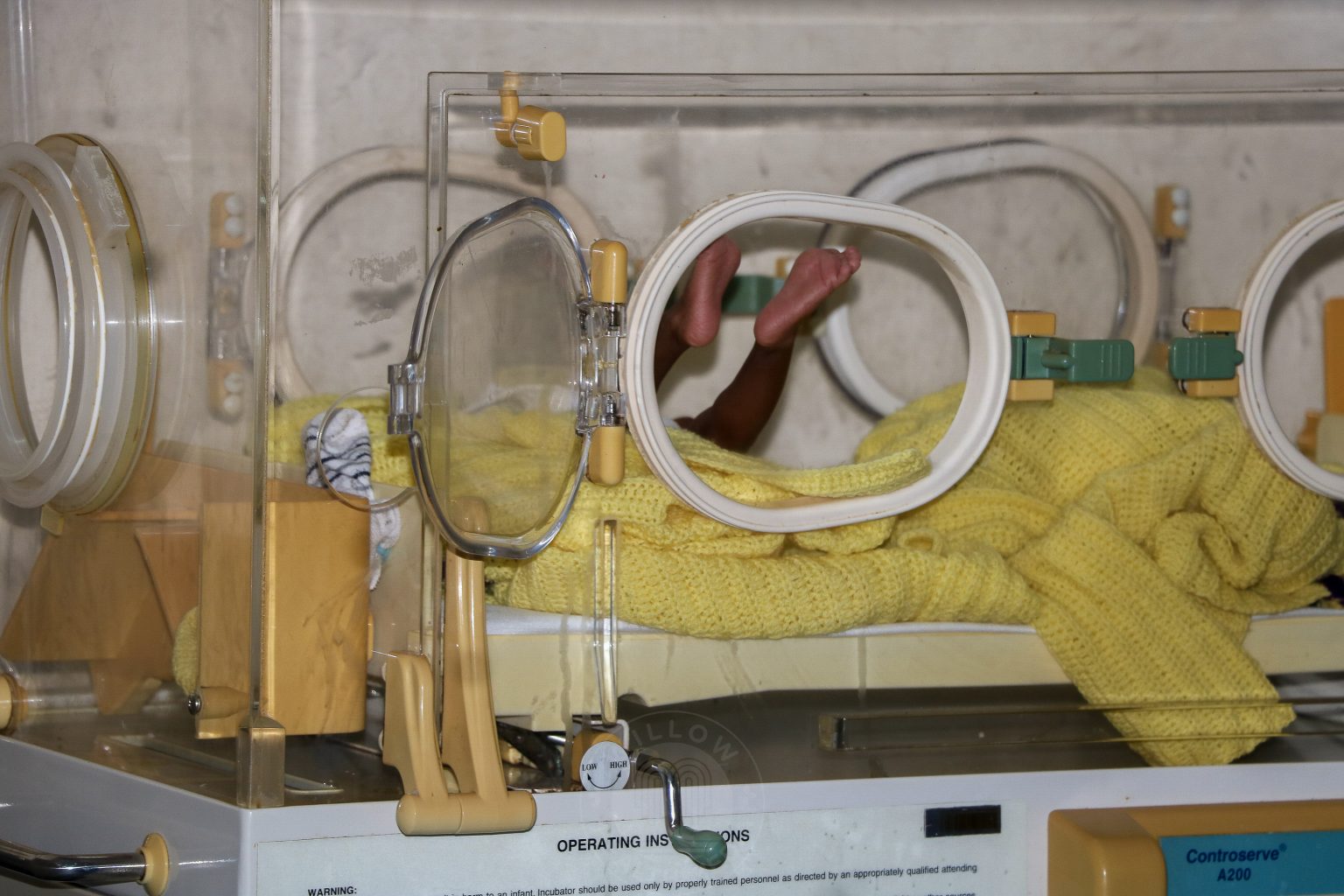
Nearly 20 kilometres away at Mariakani Sub-County Hospital, Stacey Wangeci has spent over a month in the newborn unit with her twins, both born weighing just one kilogram. They are steadily gaining weight. “The package really helped me,” she says. Inside the unit, all babies wear matching hats, shawls, and blankets.
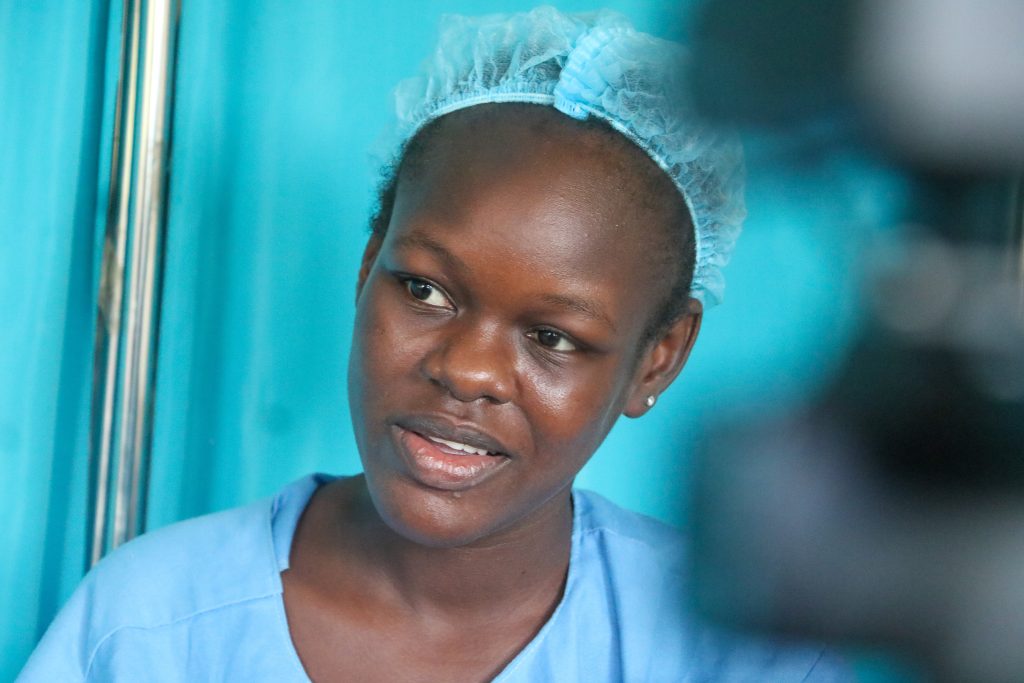
Nurse Winnie Dzame says this deliberate uniformity matters. “Mothers come from different financial backgrounds. Providing the same items ensures every baby gets equal care.” The shawls also support Kangaroo Mother Care, helping mothers maintain warmth while bonding with their babies. Nurse Manager Rose Machu says the initiative has also lifted the hospital’s standing in the community. “Some mothers come here specifically because they have heard about the support provided. It has become a positive thing for both the community and the hospital.”
In coastal counties like Kilifi, where poverty is widespread and cultural beliefs discourage preparation before birth, the first hours a preterm infant is exposed to cold air can be fatal. Kenya records an estimated 12 to 13 per cent of babies born prematurely, according to the Ministry of Health’s Kangaroo Mother Care Clinical Implementation Guidelines 2023.
The country reports 21 neonatal deaths per 1,000 live births, with prematurity and its complications among the leading causes, according to the Kenya Demographic and Health Survey (KDHS) 2022. The Sustainable Development Goal (SDG) target for 2030 is to reduce that figure to below 12 deaths per 1,000 live births. Sub-Saharan Africa bears the heaviest burden globally, recording 27 neonatal deaths per 1,000 live births, representing 43 per cent of all newborn deaths worldwide, according to the WHO.
The danger is hypothermia, a dangerous drop in body temperature that can quickly lead to infection, breathing difficulties, and death.
Preterm babies have little body fat, larger surface area around the head, through which heat escapes rapidly
The World Health Organisation (WHO) identifies maintaining warmth as one of the most critical and lowest-cost interventions for newborn survival. Yet across Kenya, even basic items like hats and socks remain beyond reach for many families. The scale of the problem is striking. Between 60 and 85 per cent of newborns admitted to neonatal units in Kenya are hypothermic, with body temperatures below 36.5 degrees Celsius. For preterm babies, the risk is even greater: they have little body fat and a larger surface area relative to their size, particularly around the head, through which heat escapes rapidly.
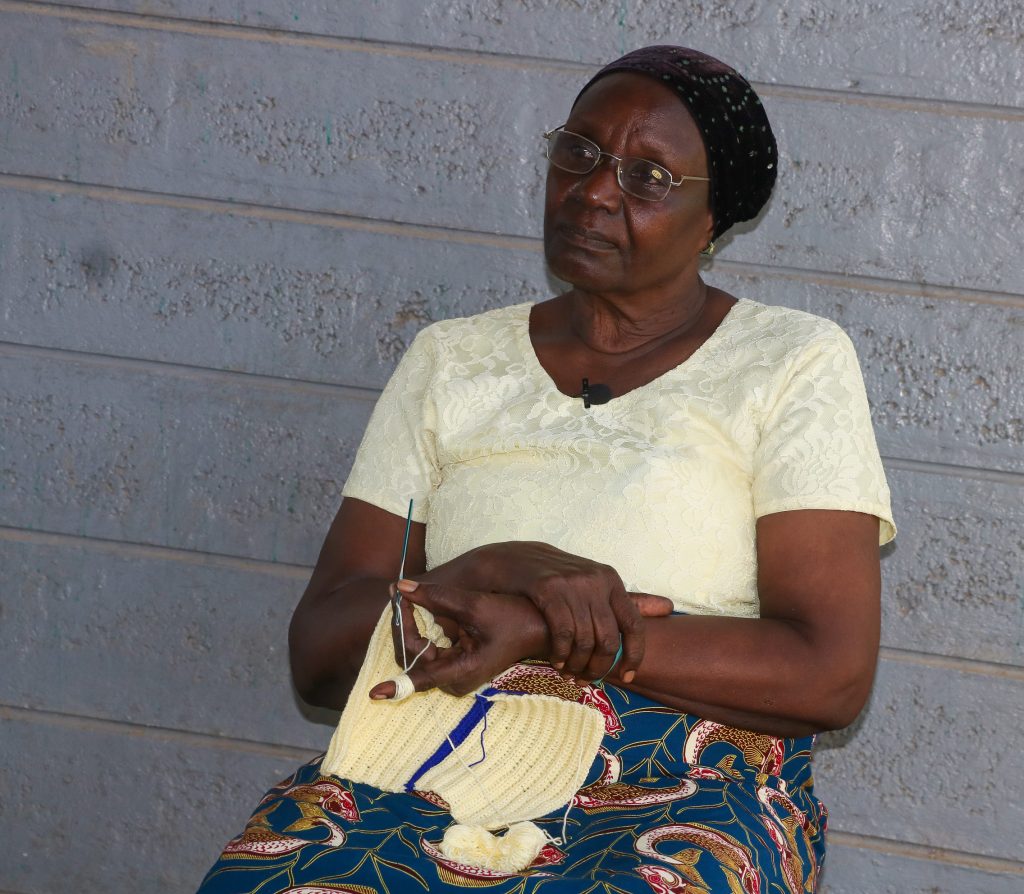
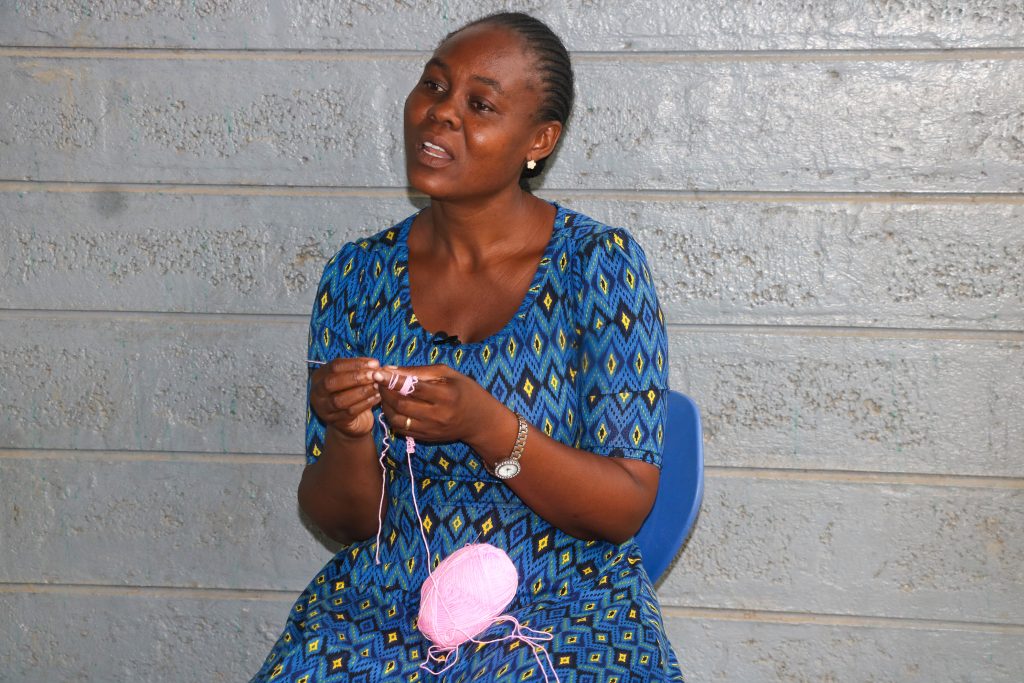
Behind these simple, life-saving items is the Fikra Women Group, a local knitting collective based in Rabai. Chairlady Saida Riziki Chome explains that the group began as a merry-go-round savings scheme, with each member contributing Ksh50 a month. Over time, they redirected that energy into community service, buying thread and teaching each other to knit.
The shift was driven by what they witnessed around them. “I once visited a mother who had just given birth. She only had a leso, using one side to cover herself and the other to cover the baby,” Saida recalls. The memory clearly still moves her.
In local shops, a hat and a pair of socks cost up to Ksh200. The group sells both for Ksh50 and “In a day, I can knit two hats and two pairs of socks,” Saida says. “In a month, about 14 of each.” The Aga Khan University project team got wind of the group and contracted it to supply the items for distribution in select hospitals across Kilifi County.
Many women arrived for routine antenatal visits only to face emergency deliveries, without a single item packed
Caroline Bahati Gandi learned to knit during home science classes in school, and joining Fikra gave her a way to apply that skill meaningfully in that “I help a baby survive, and in future these babies will be people who will assist the society as well.” A skein of thread costs between Ksh70 and Ksh150 depending on quality. A knitted sweater from the group sells for Ksh300 compared to Ksh500 in local shops.
The initiative is anchored in research led by Prof Helen Nabwera, a paediatrician at Aga Khan University. “Our study focused on improving outcomes for babies born small and preterm,” she explains. “One key issue that came up repeatedly was that mothers were unprepared for early delivery.” Many women arrived for routine antenatal visits only to face emergency deliveries, without a single item packed. “Hats and socks play a key role in reducing heat loss,” Prof Nabwera says. “Combined with Kangaroo Mother Care, they help stabilise the baby.”
At Rabai Sub-County Hospital, the difference is visible. Fred Denje, the nursing officer in charge, says the facility manages an average of 20 preterm or low-birth-weight babies each month. “In the past, we faced challenges managing these babies,” he says. “But with this project, we have made progress. Now most mothers can access hats, sweaters, and other essentials.” All mothers delivering at the facility now receive these items free of charge.
As babies burn energy trying to warm themselves, blood sugar falls dangerously low
Research assistant Mwanajuma Bakari says “Many mothers came to the hospital without clothes for themselves or their babies. Some were referred in emergencies and had nothing.” Cultural beliefs compounded the problem. “You could find a baby wrapped only in a hospital blanket.” The team partnered with Fikra Women Group and set a target of 40 items supplied per month. “We were looking for quality, cleanliness, and consistency, and they delivered,” she says.
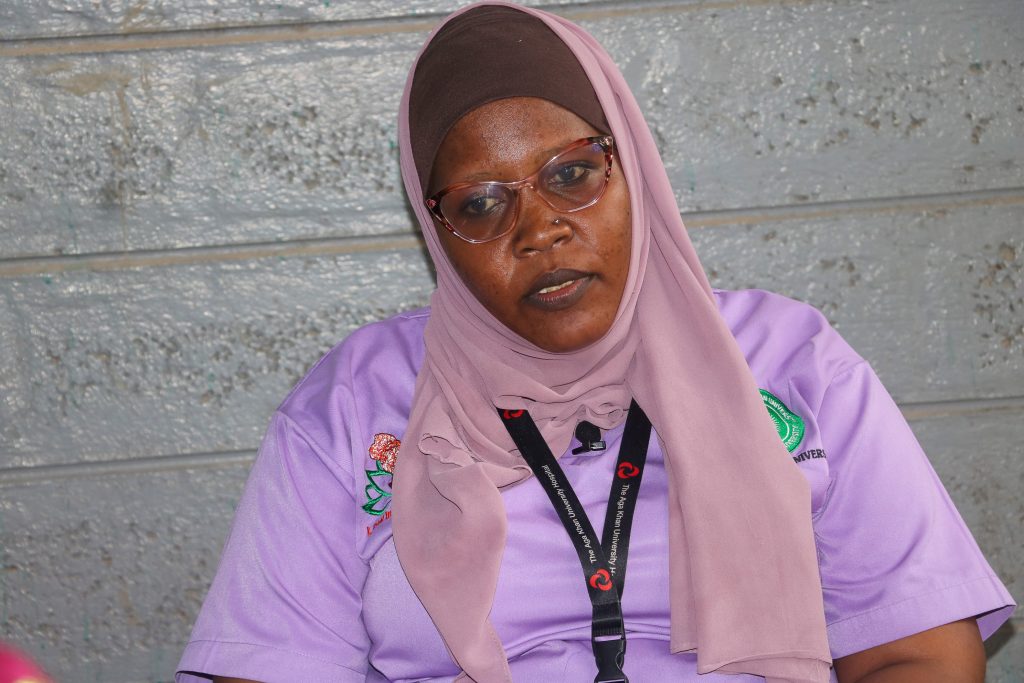
Nurse Loice Matho, who oversees maternity at Rabai Sub-County Hospital, sees the consequences of cold firsthand. “Hypothermia is a major challenge for preterm babies. They lose heat quickly, and if not managed early, it can lead to serious complications.” She adds that cold also triggers hypoglycaemia. As babies burn energy trying to warm themselves, blood sugar falls dangerously low. “Now, with hats and sweaters available, we can immediately keep babies warm while families arrange for additional support,” she says.
Despite clear WHO and national guidance on newborn thermal care, low-cost items like hats, socks, and baby sweaters are not systematically included in Kenya’s essential newborn care supplies or county health budgets. Their availability continues to depend on short-term projects and community goodwill rather than sustained public investment, a fragility that puts the most vulnerable newborns at risk each time a project ends.
For now, a small group of women knitting in Kilifi County are filling that gap, one hat and one pair of socks at a time.
“These simple things are helping save lives,” says Wangeci, watching her twins breathe steadily beneath their shawls.