
A close relative of the first patient fell ill under daily monitoring, a sign that Kenya’s containment net is holding. The Ministry of Health says early detection boosts survival odds and limits the chance of passing the virus on.
Kenya has confirmed a second case of Ebola, and the patient was already being watched when he fell ill. In a statement shared on October 14, the Ministry of Health said a 39-year-old man, a close family member of the country’s first imported Ebola case, developed symptoms on October 13 while in quarantine under daily monitoring.
Kenya has now recorded two confirmed cases and one death. The Ministry says both cases are linked and that there is no evidence of spread in the wider community.
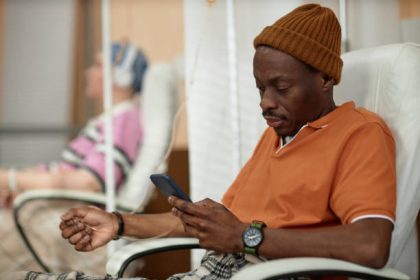
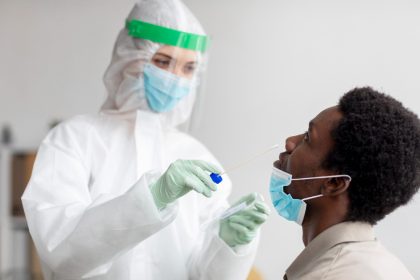
When the man reported fever, fatigue and joint pains, the quarantine team isolated him at once and took a specimen. It tested positive for Bundibugyo virus at both the National Virology Reference Laboratory and the Kenya Medical Research Institute (KEMRI)-CDC laboratory, with matching results. He is now receiving supportive care from trained teams at a designated treatment centre.
In a statement signed by Director General Dr Patrick Amoth, the Ministry argues that the sequence matters as much as the result. Early supportive care improves a patient’s chances of recovery, while isolating someone at the first symptom limits the chance of passing the virus on. “This is the response working as designed,” the statement reads.
The other five in the contact list are outside Kenya, and tracing of the remaining 15 continues
The Ministry has listed 128 contacts of the first case. As of October 13, 113 had been traced. Of these, 108 are in quarantine in Kenya, with daily clinical and temperature checks for 21 days from their last possible exposure. The other five are outside Kenya, and authorities in those countries have been informed under the International Health Regulations (2005). Tracing of the remaining 15 continues.
The list has grown considerably since Health Cabinet Secretary Aden Duale announced the first case on October 6. Authorities had then identified 28 contacts, including family members and health workers, and were tracing 23 passengers and four crew members who travelled with the patient.
The first patient was a Kenyan citizen living in the Democratic Republic of Congo (DRC). He travelled by road through Beni to Kampala, Uganda, on October 2, and flew to Nairobi on October 3, where he was isolated.
He died on the night of October 5 and was buried the following day under Kenya’s safe and dignified burial protocol.
Dr Amoth has said the patient was screened at the airport, but because he was already undergoing treatment, screening did not detect any symptoms. That admission exposes the limits of temperature-based screening at points of entry, and makes the post-arrival work of isolation, testing and contact follow-up more important.
Kenya has put important outbreak control measures and priority is to detect any further cases before the virus could spread
The World Health Organization (WHO) said it was working closely with the government to intensify control measures, including case investigation and the listing and monitoring of contacts. Dr Mohamed Janabi, WHO Regional Director for Africa, said Kenya had put important outbreak control measures in place and that the priority was to detect any further cases before the virus could spread. The second case, found early and inside quarantine, is the situation that priority describes.
WHO has supported Kenya with simulation exercises, a trained national pool of rapid response trainers, assessments of isolation units across 27 high-risk counties, and about 1,000 Ebola tests and 1,000 protective equipment kits.
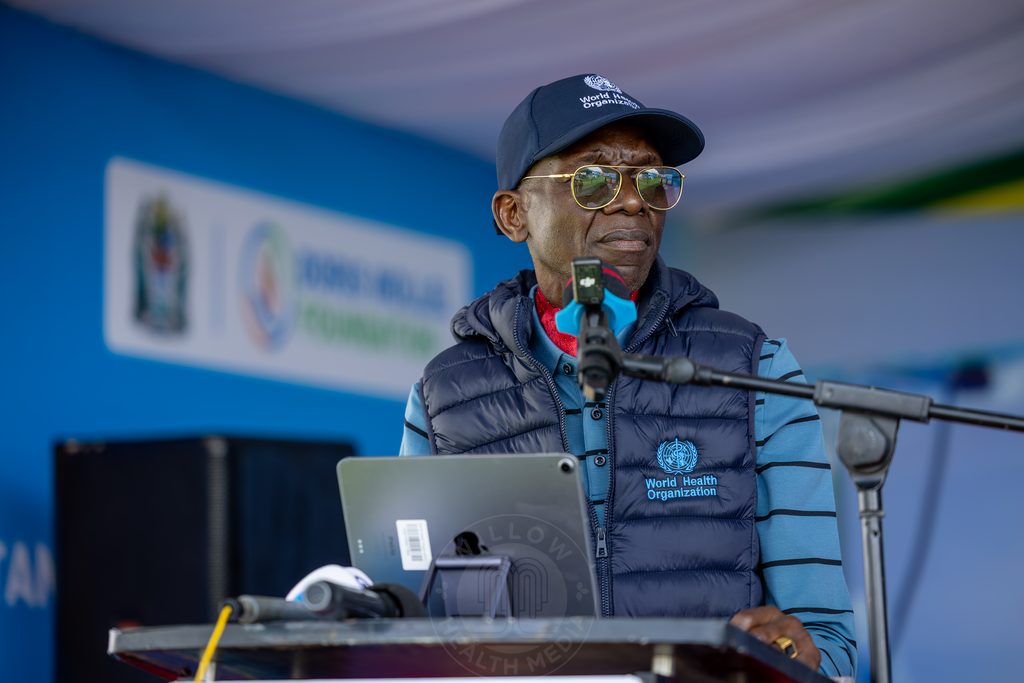
It advises against restrictions on travel to, or trade with, the DRC, Uganda or Kenya based on current information. The Ministry’s line that Kenya “remains open”, with no limits on travel, trade or public gatherings, matches that guidance.
The Africa Centres for Disease Control and Prevention (Africa CDC), which had earlier placed Kenya among 10 African countries at high risk of an Ebola outbreak, commended the rapid identification, isolation and testing of the first patient. It dispatched a high-level, multidisciplinary team to Kenya.
Director-General Dr Jean Kaseya thanked Kenyan authorities for their rapid measures and said he would travel personally to assess the response’s needs. The agency has urged a village- and community-centred approach built on active case finding, systematic identification of contacts, daily follow-up and stronger community engagement.
Kenya’s two cases sit at the edge of a far larger crisis. The DRC Ministry of Health reported 8,603 confirmed cases and 4,148 deaths through October 4, a case fatality rate of 48.2 per cent. It is the second-largest Ebola epidemic on record, and WHO has warned it could surpass the West African outbreak that killed more than 11,000 people. WHO declared a public health emergency on May 16.
Everyone who met the second patient including quarantine staff and health workers, is now being assessed
Kenya is the fourth country to confirm a case of Bundibugyo virus disease, after the DRC, Uganda and France. There is no licensed vaccine for this species. The existing vaccine, Ervebo, has proven efficacy against Zaire ebolavirus, and investigators are estimating how well it works against Bundibugyo.
The next three weeks will matter most. Some 15 contacts are still being traced, and the 21-day monitoring window for the first case’s contacts has not closed.
Everyone who has met the second patient since his symptoms began, including quarantine staff and health workers, is now being assessed.
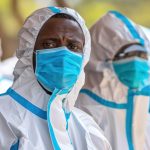
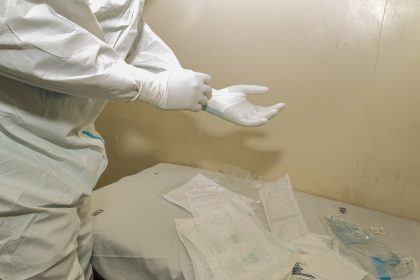
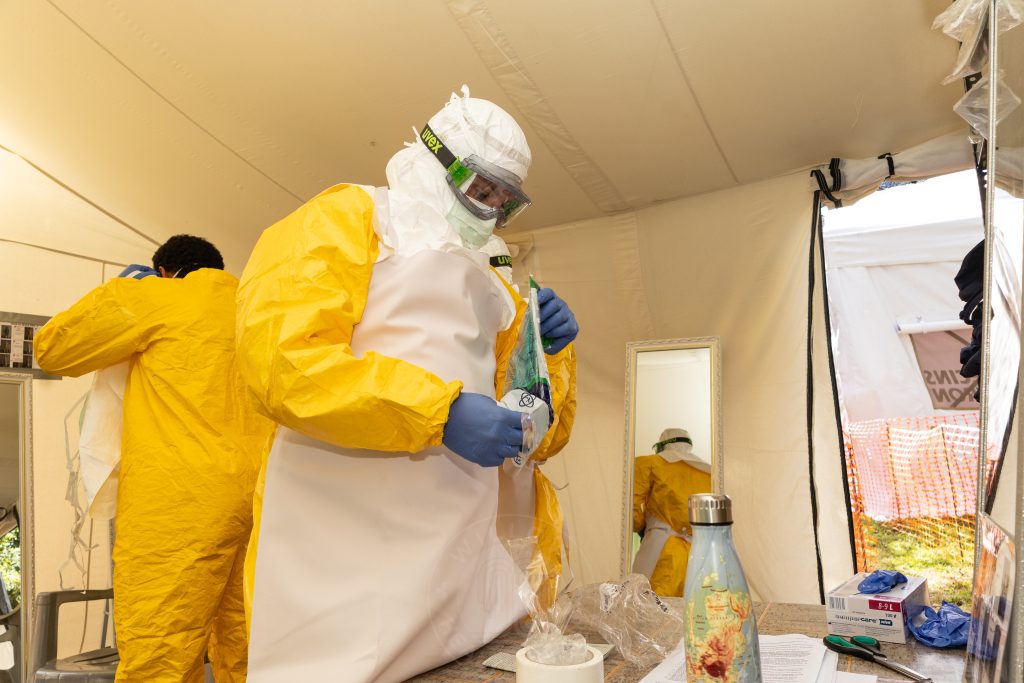
The Ministry says infection prevention and control has been reinforced at all quarantine and treatment sites, and that health workers have the protective equipment they need. All health workers have been told to apply strict precautions whatever condition they are managing.
Meanwhile, it has asked Kenyans to stay calm but vigilant. Ebola does not spread through the air but through direct contact with the blood or body fluids of a person who is sick with, or has died from, the disease.
Anyone with fever, unusual tiredness, muscle or joint pains, vomiting, diarrhoea or unexplained bleeding should seek care promptly at the nearest health facility. The public has also been asked to respect the affected family’s privacy, rely only on official Ministry updates and call the toll-free line 719 for information.
We believe in the free flow of information
Republish our articles for free, online or in print, under Creative Commons licence.