
Media practitioners and public health experts unite to put accurate information, public trust and responsible reporting at the heart of outbreak preparedness.
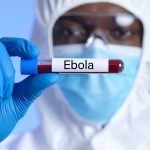
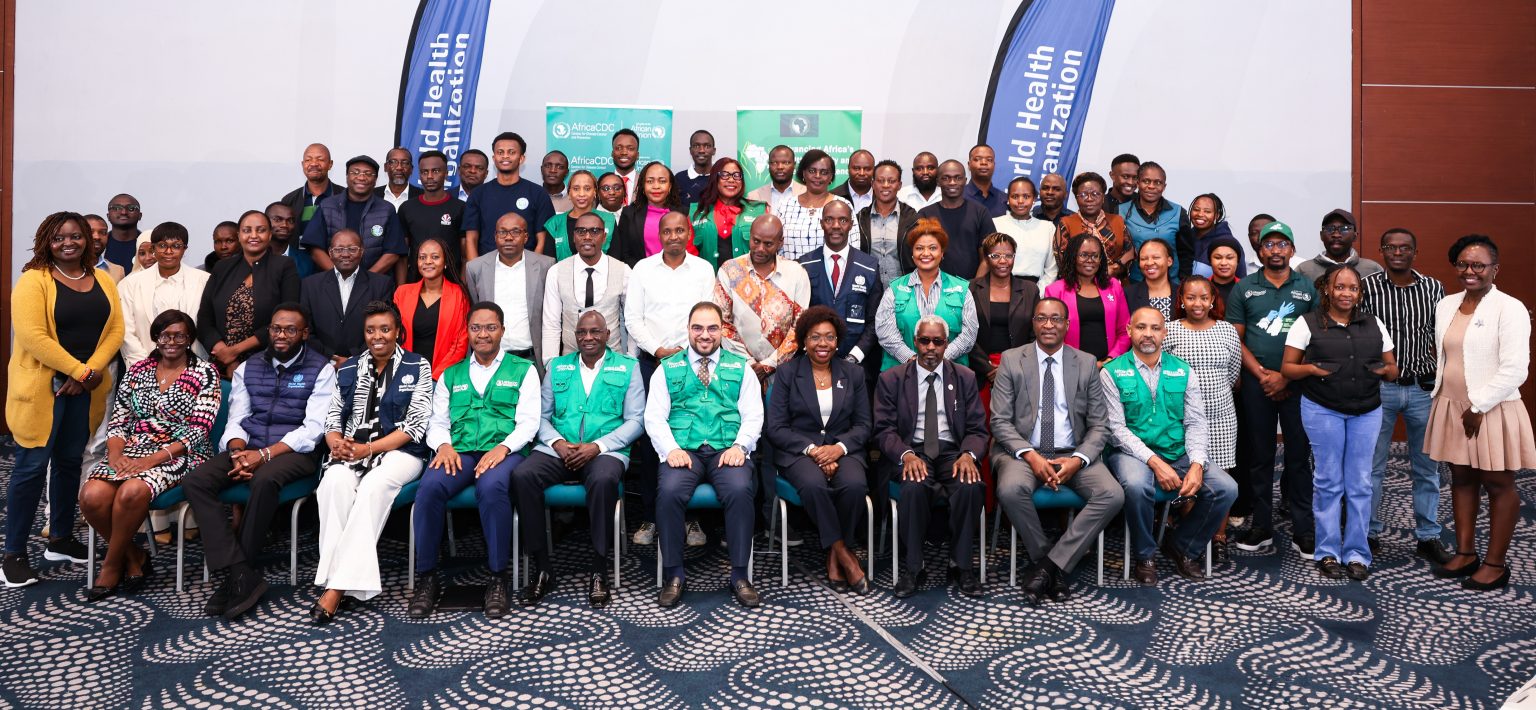
Willow Health Media has brought together editors, journalists and public health leaders to strengthen Kenya’s Ebola response, championing accurate reporting and public trust as critical lines of defence against the spread of disease.
The two-day national outbreak reporting workshop, taking place in Nairobi from 14 to 15 October 2026, follows Kenya’s first confirmed imported case of Bundibugyo virus disease, a form of Ebola with no approved vaccine or specific treatment.
Held under the auspices of the World Health Organization (WHO), the Africa Centres for Disease Control and Prevention (Africa CDC) and the Ministry of Health, the engagement is themed Public Trust, Transparency and Collective Action in the Ebola Response.
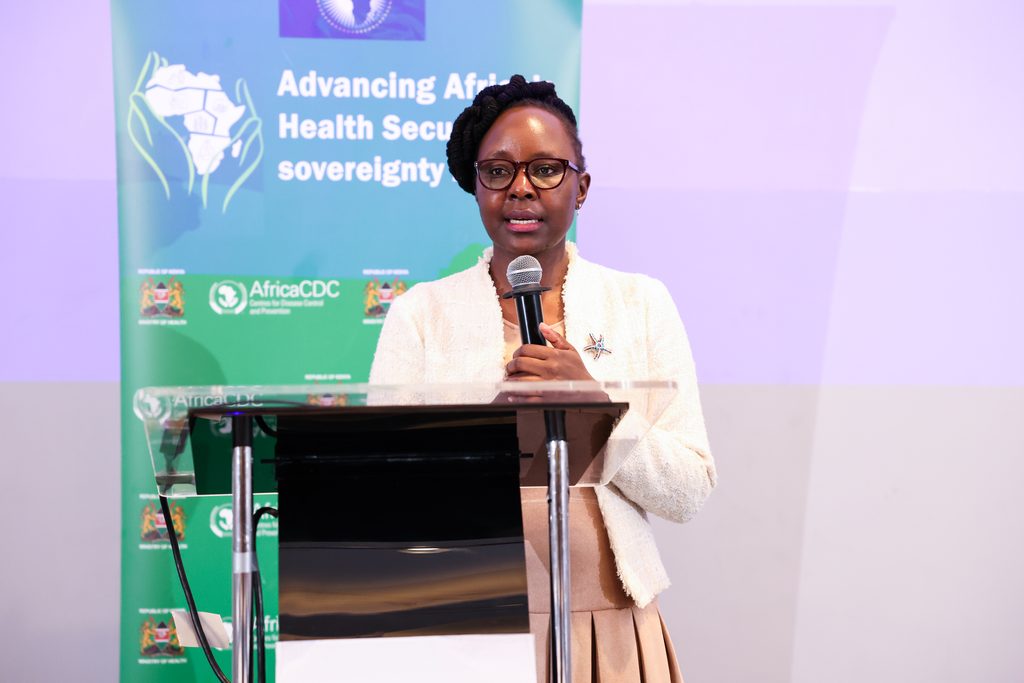
Opening the discussions, Dr Mercy Korir, Chief Executive Officer and Editor-in-Chief of Willow Health Media, underscored the media’s role beyond reporting cases and official announcements.
“Ebola is not fought in hospitals only but also through information,” she told participants, framing credible communication as an essential part of the public health response.
The message resonated throughout the sessions, with speakers warning that misinformation can undermine public confidence, fuel stigma and delay care-seeking, while clear, timely reporting can help communities make informed decisions.
Information is critical to managing outbreaks and what media shares dictates how people seek care
Dr Neema Kimambo, WHO Representative to Kenya, said information was critical to managing an outbreak in a country that had not previously recorded an Ebola case.
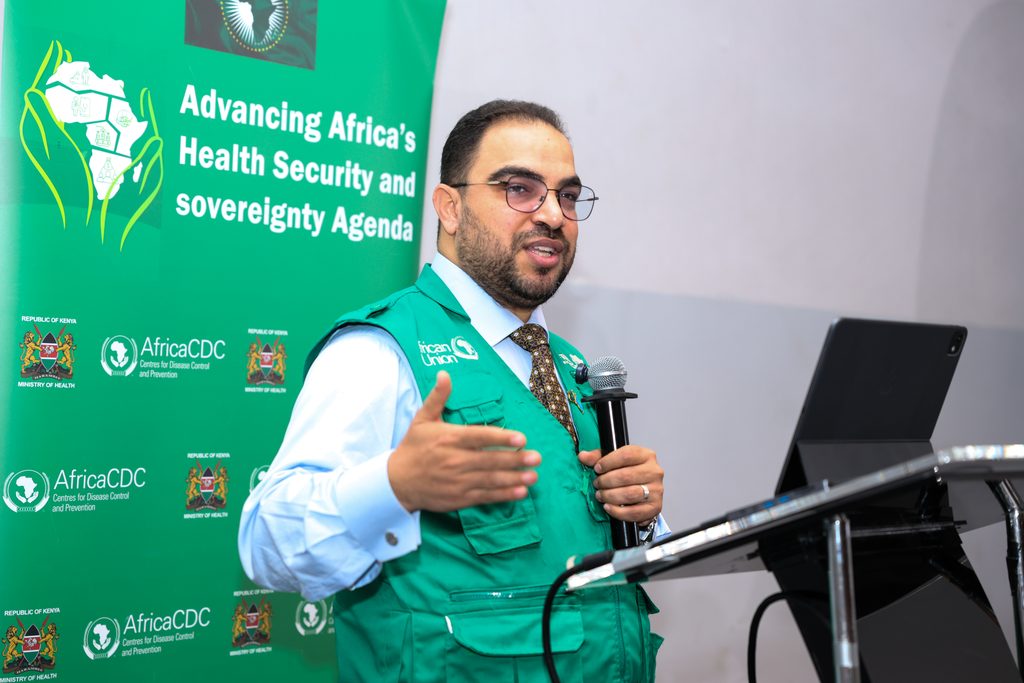
“What media shares dictates how people seek care and whether health workers have confidence in their roles,” she said, describing the 21-day contact monitoring period as a critical window to detect infections and protect communities.
Dr Wessam Mankoula, Director of the Centre for Disease Preparedness and Response at Africa CDC, highlighted the consequences of mistrust and misinformation in the Democratic Republic of the Congo (DRC), where the outbreak has placed immense pressure on response teams.
“The biggest challenge with Ebola response in DRC is mistrust and misinformation,” he said, urging journalists to resist the pressure to publish unverified information, check facts, fight fear with facts and encourage people to seek care early.
Dr Martins Livinus of the WHO Kenya Emergency Preparedness and Response Team reinforced the warning, describing misinformation and disinformation as major threats during outbreaks.
Journalists verify information, explain health risks, protect confidentiality and report without amplifying fear or stigma
Nancy Okwengu, WHO’s Infodemics Management Officer, said social listening had exposed public anxieties that needed to be addressed through clear, consistent communication.
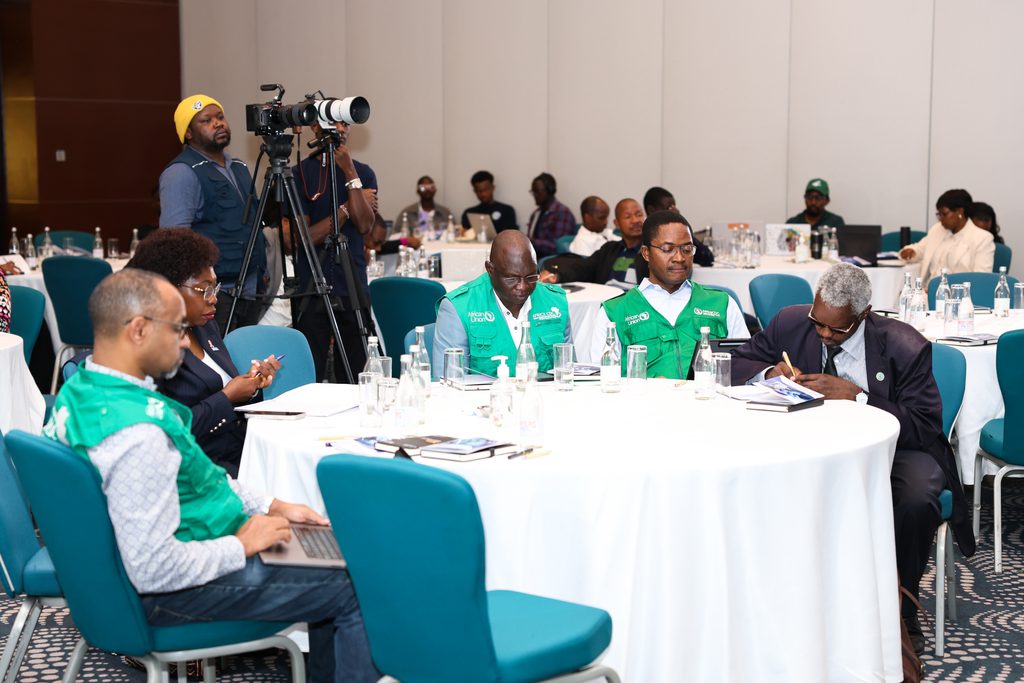
“Fear increases stigma from multiple sources of information and one of the fears Kenyans had was fear of lockdown,” she said, highlighting the need to respond to public concerns before rumours take hold.
Beyond the discussions, the workshop aims to strengthen the practical relationship between newsrooms and public health authorities. Journalists are being equipped to verify information, explain health risks and scientific uncertainty, protect confidentiality and report responsibly without amplifying fear or stigmatising affected communities.
For Willow Health Media, the initiative reinforces its commitment to health journalism that goes beyond reporting outbreaks to helping the public understand risks, scrutinise the response and make informed decisions.