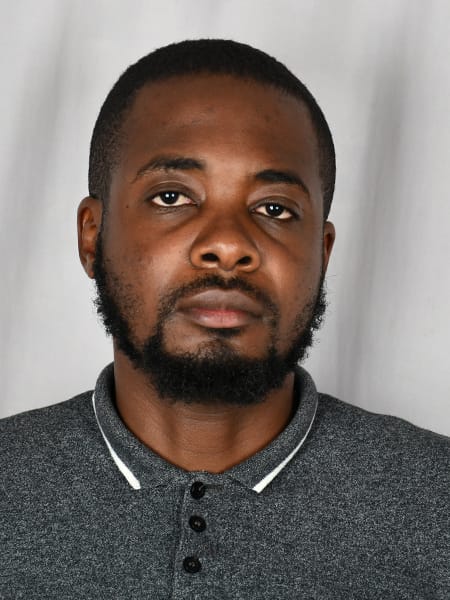
Kenyans aged 60 and above are projected to reach 6.4 million by 2045. Willow joined government and partners to explore how health, protection and media can keep pace.
Older Kenyans are rarely seen or heard in the media, and they are sometimes ridiculed for simply staying active, a national conference on ageing was told.
Speaking at the 2026 International Day of Older Persons (IDOP) celebrations in Nairobi, Willow Health Media Content Architect, Kamau Mutunga, called for more media programming dedicated to older persons. He warned that their absence from media spaces leaves them excluded from conversations that shape their lives.
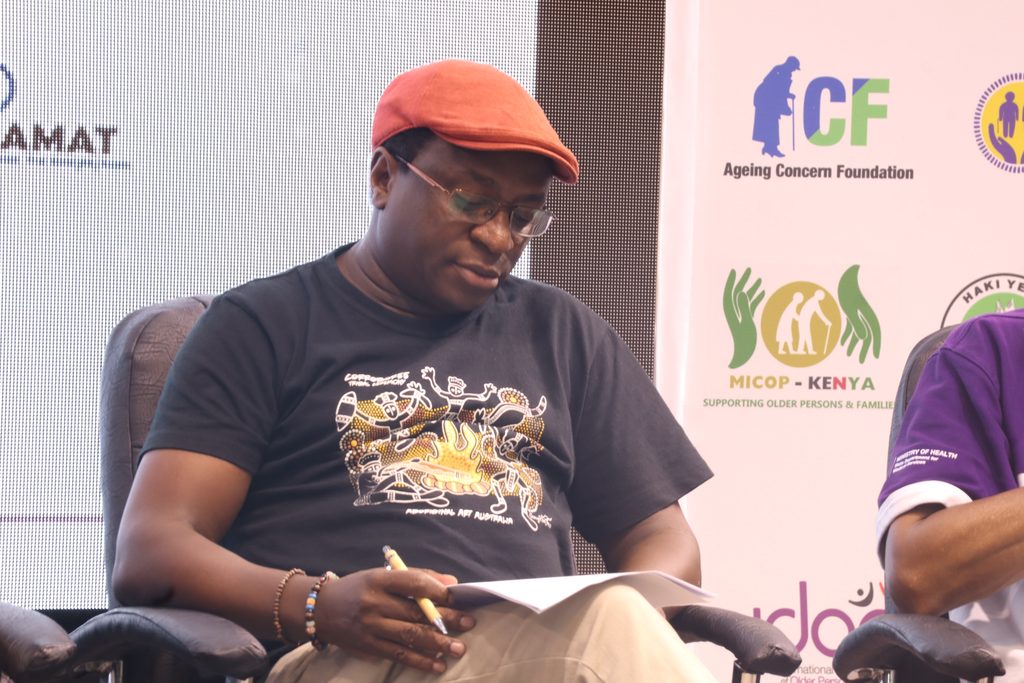
The three-day conference also heard alarming reports of older people being killed over their land in Kilifi County, with many cases going unreported. Participants urged the government to act.
The calls come as Kenya’s older population grows fast. The number of Kenyans aged 60 and above was projected at 2.9 million in 2024, up from 2.7 million in 2020, according to the Kenya National Bureau of Statistics (KNBS). That figure is expected to reach 3.4 million by 2030 and 6.4 million by 2045.
The shift has implications for the health sector. As people live longer, they may need continued access to healthcare, medication and social support, as well as opportunities to remain active in their communities.
For Willow, the engagement was an opportunity to bring the media perspective into a conversation closely linked to health
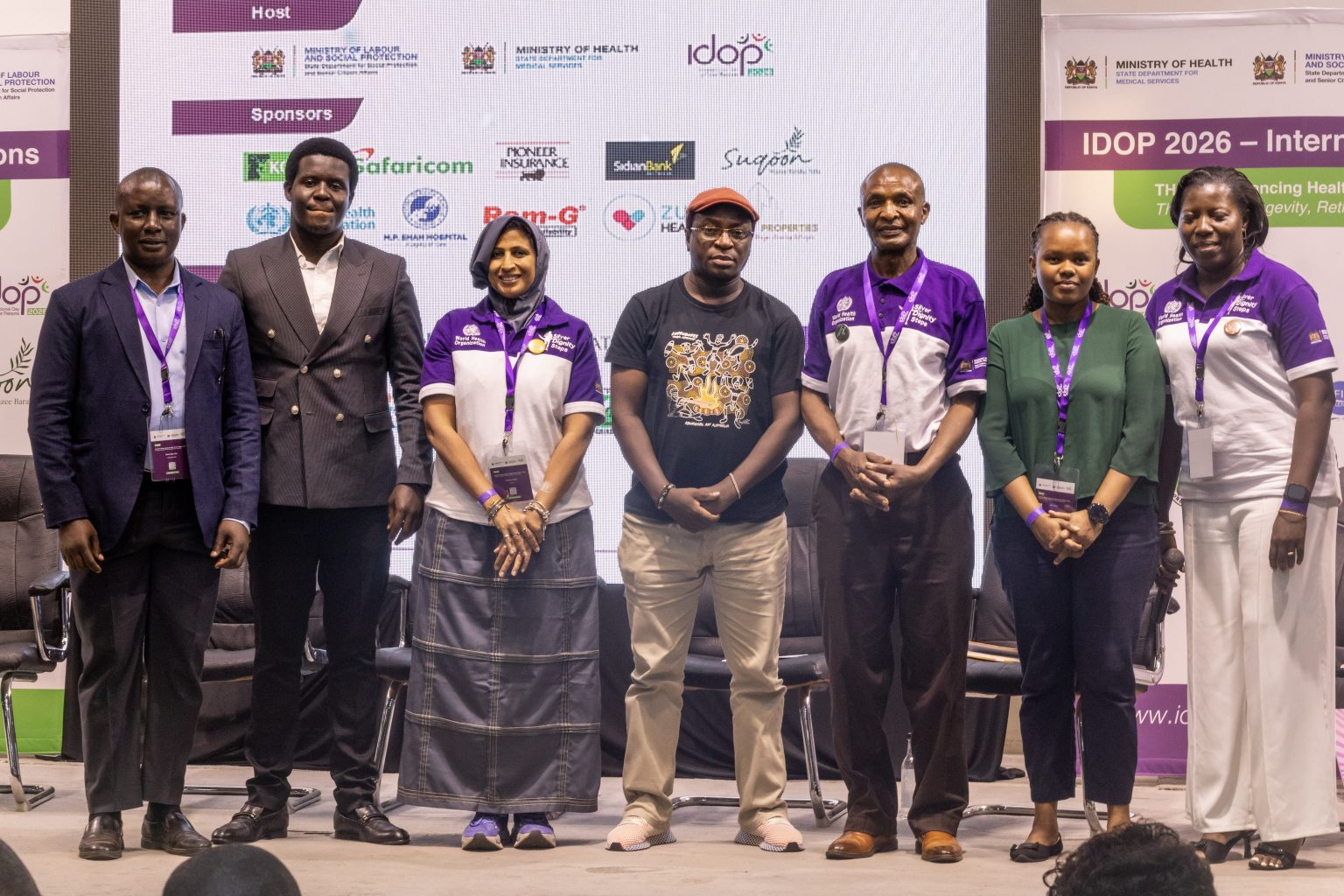
The conference was held from September 30 to October 2, 2026, at the Kenya Institute of Special Needs (KISE) in Kasarani. It was co-organised by the Ministry of Health and the Ministry of Labour and Social Protection, with partners and sponsors, under the theme “Advancing Healthy Ageing and Older Persons’ Rights in Kenya: Coordinated Health, Social Protection and Community Action.”
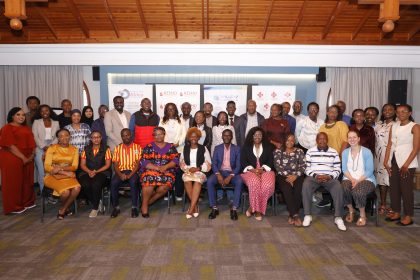
Willow took part in a panel discussion titled “Combating Ageism; Creating Inclusive Communities for Healthy, Active and Dignified Ageing.”
For Willow, the engagement was an opportunity to bring the media perspective into a conversation closely linked to health. Ageing is not only about living longer. It is also about whether people can continue to live with dignity, access the services they need and participate meaningfully in society.
Mutunga pointed to the way older people are sometimes treated when they take part in recreational activities. Rather than being encouraged, some are mocked, including when they join in sporting activities such as football.
Using the same sport to encourage older persons not to see age as a barrier, he likened reaching 45 to reaching half-time in a football match, with another half still to play. The message was simple: growing older should not mean withdrawing from society or being treated as less capable.
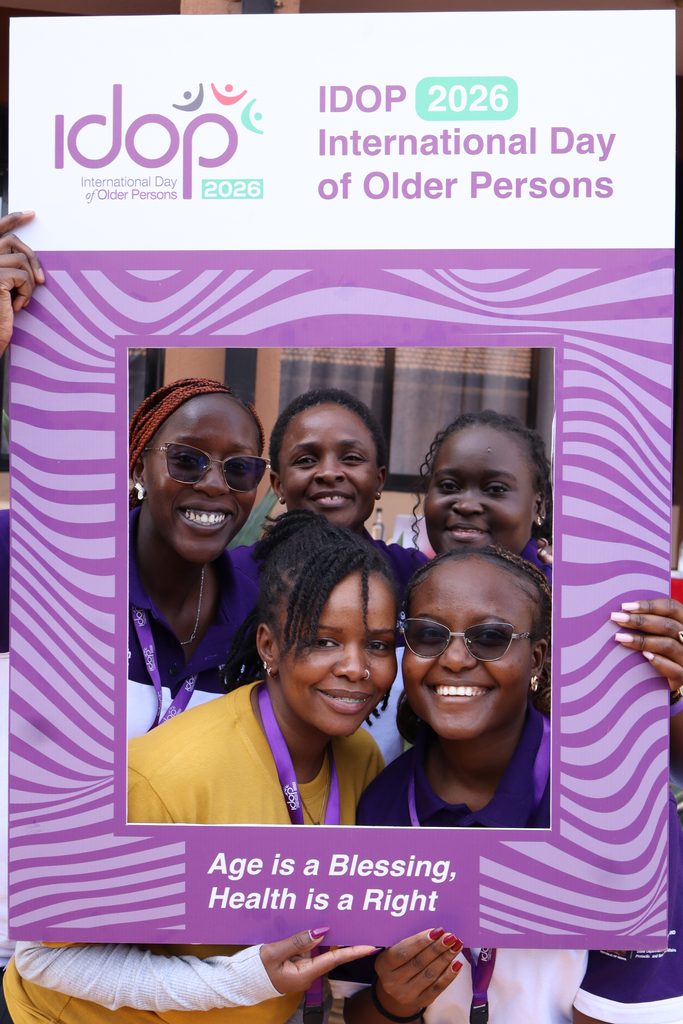
Health and technology also featured the showcasing of an application that helps older people take medication on time
Participants from the coast called for stronger government action to protect older persons from abuse and exploitation, including the killings over land in Kilifi.
Health and technology also featured. Stakeholders highlighted an application that helps older people keep track of their medication and take it on time. The innovation shows how technology can offer practical support in managing the everyday health needs that come with ageing, a need that will grow as Kenya’s older population expands.
The conference closed with a clear resolution agreed by older persons and stakeholders from government and the private sector: older persons will not be celebrated only once a year. The conversation will continue to ensure that they are not forgotten, and that they receive adequate support to meet their health and social needs.
For Willow Health Media, the conference reinforced the importance of keeping older persons visible in health journalism, not only when they face challenges, but also as people with experiences, contributions, and a continuing role in shaping their communities.