


Many children only learn they have Type 1 diabetes after falling critically ill, but warning signs include excessive thirst, bedwetting in a previously dry child, sudden weight loss, constant fatigue, nausea, vomiting and stomach pain.
When many people hear the word diabetes, they often think of adults who develop the disease because of lifestyle or age. But thousands of children in Kenya are living with Type 1 diabetes, a lifelong condition unrelated to diet or physical activity. Many are diagnosed only after developing life-threatening complications because the disease is often mistaken for other childhood illnesses.
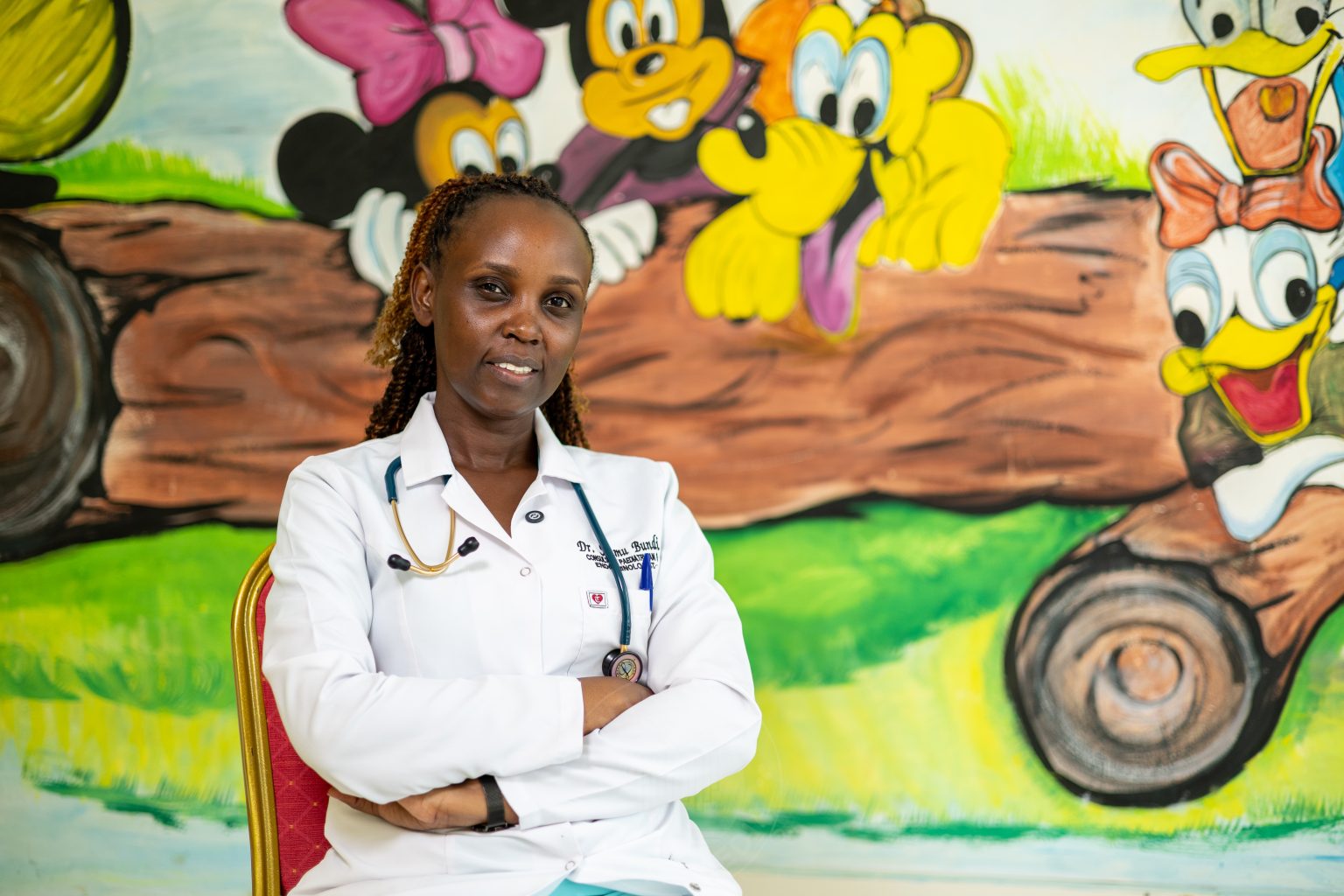
Globally, an estimated 9.5 million people are living with Type 1 diabetes, with more than 500,000 new cases diagnosed every year. In Kenya, an estimated 6,500 children and young people are living with the condition, though experts believe the true number is likely much higher because many remain undiagnosed. There is currently no national Type 1 diabetes registry to track cases, though Dr Winnie Saumu, a paediatric endocrinologist, says efforts are underway by the Ministry of Health (MoH) and partners to establish one.
Unlike Type 2 diabetes, Type 1 is an autoimmune disease. It occurs when the body’s immune system mistakenly attacks and destroys the insulin-producing cells in the pancreas, leaving the body unable to regulate blood sugar without daily insulin treatment.
How does Type 1 diabetes occur?
According to the World Health Organization (WHO), insulin is a hormone that allows glucose from food to move from the bloodstream into the body’s cells, where it is used as energy.

Dr Saumu explains that children with Type 1 diabetes either produce no insulin or far too little. “When we eat, food is converted into glucose. This glucose enters the bloodstream, but for it to move into the cells where it is needed, insulin is required,” she says. “Without insulin, glucose remains in the bloodstream, causing blood sugar levels to rise.”
As the cells are starved of energy, the body breaks down muscle proteins and fat stores instead. The loss of muscle drives rapid weight loss, while the breakdown of fat produces substances known as ketones. “When ketones build up, they make the blood acidic, leading to diabetic ketoacidosis, one of the most dangerous complications of Type 1 diabetes,” says Dr Saumu.
Why diagnosis is often delayed
Early symptoms can easily be mistaken for more common childhood illnesses. “A child with diabetes may lose weight, which is also common in tuberculosis,” says Dr Saumu. “Another child may begin passing urine frequently or start wetting the bed after previously being dry, and people may think it is a urinary tract infection instead of diabetes.”
Warning signs include excessive thirst, frequent urination, bedwetting in a previously dry child, unexplained weight loss, constant tiredness, nausea, vomiting and stomach pain.
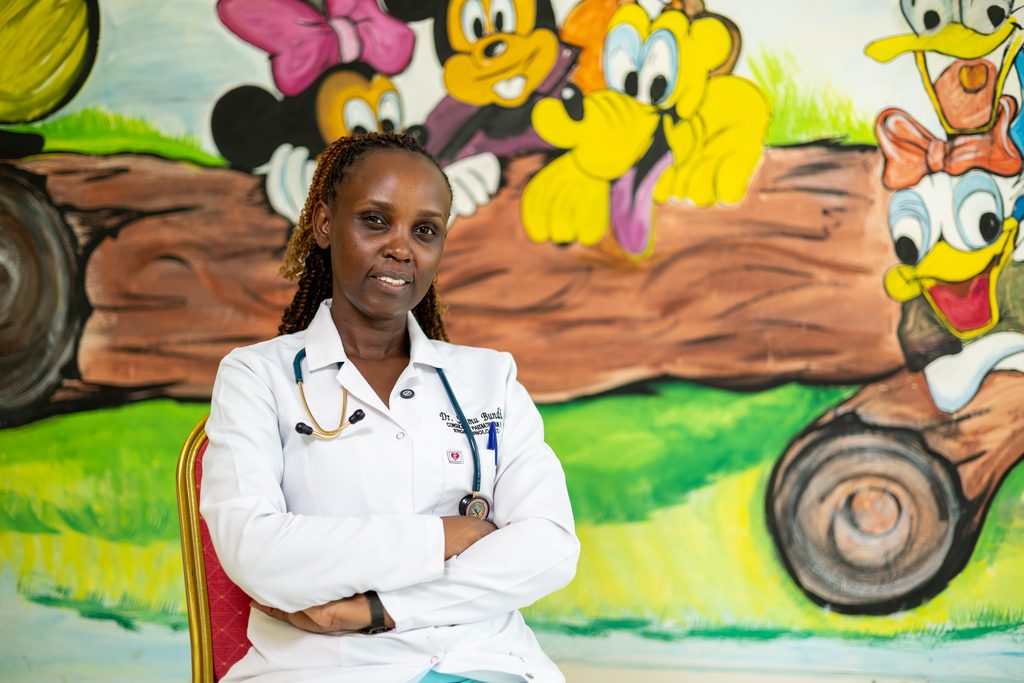
Limited diagnostic equipment and low public awareness also delay diagnosis. “Some facilities do not have glucometers to test blood sugar, while some healthcare workers may not immediately recognise the signs of Type 1 diabetes,” Dr Saumu explains. “Many people still believe diabetes only affects adults.” Families in remote areas also struggle to reach hospitals with specialist services, particularly when transport costs are unaffordable.
Dr Saumu says many Kenyan children first arrive at hospital only after developing diabetic ketoacidosis (DKA), a medical emergency caused by severe insulin deficiency. “The major risk is loss of life,” she says. “Most of our patients present for the first time with diabetic ketoacidosis, which carries a high risk of death.”
If treatment is delayed further, children may develop cerebral oedema, swelling of the brain, one of the most serious complications of DKA, often in hospitals without paediatric intensive care units. “Many hospitals do not have paediatric intensive care units, so referrals create further delays,” Dr Saumu explains. Misdiagnosis can worsen matters: “A child who arrives unconscious because of diabetic ketoacidosis may be mistaken for having meningitis instead of diabetes,” she says.
Treatment: Type 1 diabetes has no cure
Although there is no cure for Type 1 diabetes, effective treatment allows children to live healthy, active and productive lives by replacing the insulin the pancreas can no longer produce. “The reason we give insulin is to allow glucose to enter the cells again,” Dr Saumu explains. “Once glucose enters the cells, they receive the energy they need to function normally.”

Children with Type 1 diabetes require lifelong insulin therapy alongside regular blood glucose monitoring, healthy eating, physical activity and routine medical follow-up. Consistent access to insulin and supplies remains a challenge for many Kenyan families, particularly in low-income and rural communities, and interruptions in treatment can quickly become life-threatening.
Dr Saumu believes every child with Type 1 diabetes should have equal access to life-saving treatment regardless of where they live. “My dream for Type 1 diabetes in Kenya is access for all,” she says. “Every child should have access to insulin and the necessary diabetes supplies. I hope this becomes part of national and county government policy.”
Improving awareness among parents, teachers and healthcare workers is just as important as expanding access to insulin and diagnostic equipment. Recognising the warning signs early, testing blood sugar promptly and starting insulin treatment without delay can prevent diabetic ketoacidosis and save lives.
For many children, the difference between life and death may simply be recognising that diabetes is not only an adult disease. With timely diagnosis and uninterrupted access to insulin, children living with Type 1 diabetes can grow, learn and thrive like any other child.
Sources: WHO, Dr Winnie Saumu, paediatric endocrinologist.
We believe in the free flow of information
Republish our articles for free, online or in print, under Creative Commons licence.