


As Kenya buries its second Ebola casualty, trained teams show that families need not choose between protecting mourners from infection and giving loved ones a farewell rooted in faith, custom and dignity.
When Kenya confirmed its first Ebola death on October 5, health officials faced a question as old as the disease itself: How do you bury someone whose body can still infect the people who love them?
The answer is a safe and dignified burial. A person who dies of Ebola can carry large amounts of the virus, so washing, dressing, touching or kissing the body puts mourners at risk.
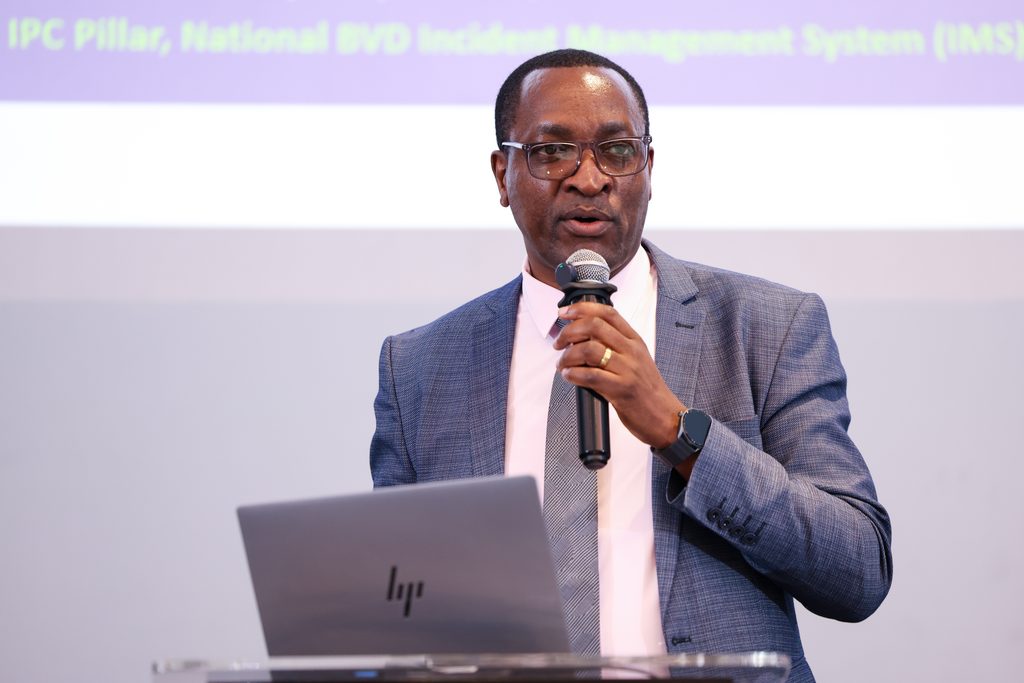
“Dead bodies of Bundibugyo virus disease have been shown to be very high risk and a source of infection,” says Dr Irungu Kamau, Head of Infection Prevention and Control at the Kenya National Public Health Institute (KNPHI). The virus spreads through direct contact with body fluids or things soiled by them, he stresses, “not through any other forms.”
Bundibugyo virus disease, is the species of Ebola now circulating in the region, and the World Health Organization (WHO) says no approved vaccine or specific treatment exists for it. In the Democratic Republic of the Congo (DRC), where the outbreak began, WHO has recorded 9,704 confirmed cases and 4,687 deaths.
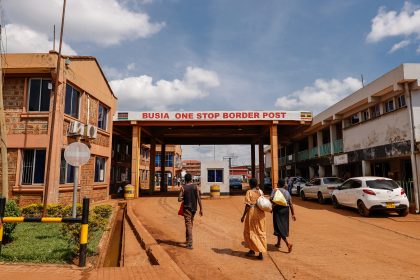
By October 23, Kenya’s Ministry of Health had confirmed nine cases and two deaths. The second was a 65-year-old woman, a close relative of the first patient. Of the eight people infected after him, WHO reports, four were family members and four were health and care workers.
Teams work with families, community leaders and religious leaders to cut the risk while keeping the meaning of the funeral
Responders learnt this the hard way. During the 2014 to 2016 West Africa epidemic, funerals became a major source of infection. Mourners fell sick, then passed the virus to their families and neighbours. Those painful lessons now shape the response in DRC and beyond.
Today, teams work with families, community leaders and religious leaders to cut the risk while keeping the meaning of the funeral. WHO sets four basic rules.
Only trained people handle the body; contact stays to a minimum; teams respect culture and faith at every step; and no burial begins until the family agrees.
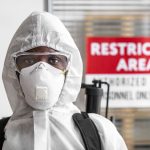
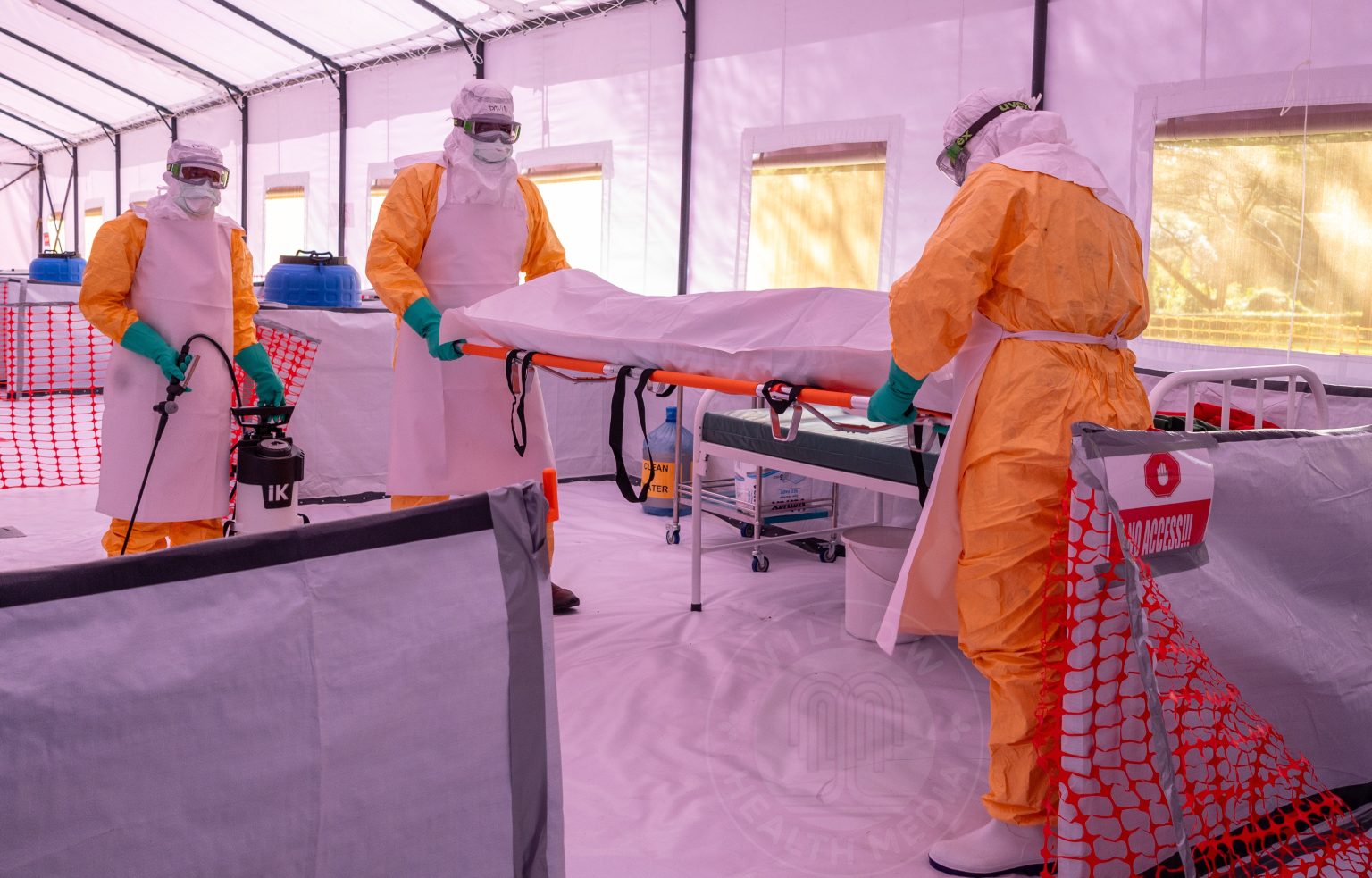
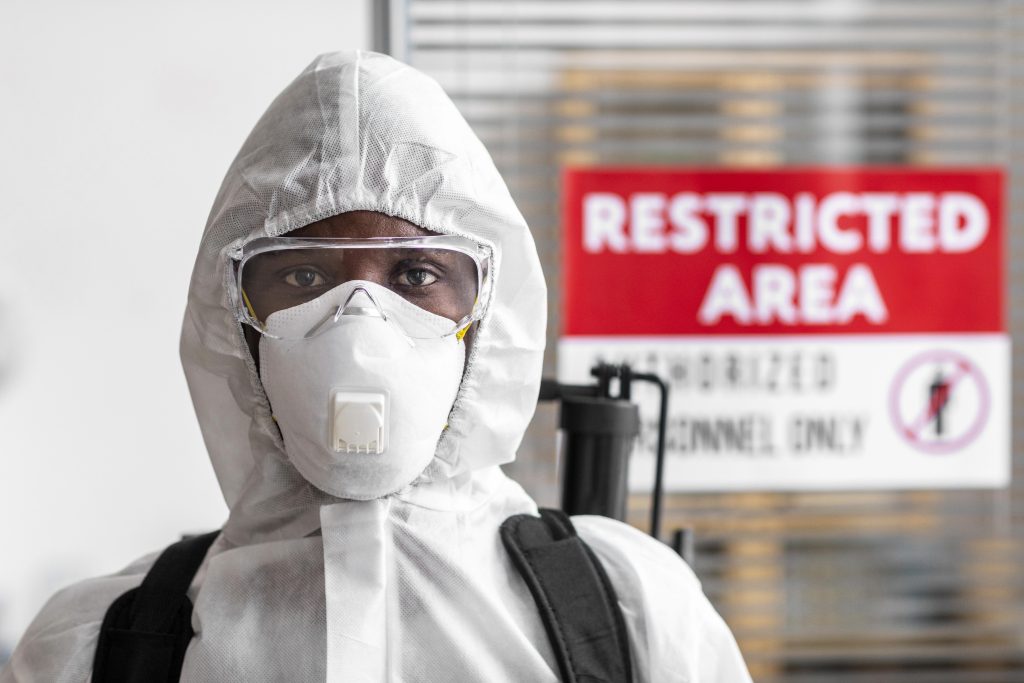
Each burial team has eight people. Five wear full protective gear, four to handle the body and one to spray disinfectant. A supervisor, a communicator who speaks with the family and a religious representative complete the team.
When a patient dies in a treatment centre, the process is tightly controlled. Staff place the body in a body bag with the zip opening at the head, wipe the face with chlorine and gently close the eyes. The family stands at a safe distance to see their loved one’s face. Once the body leaves for burial, staff disinfect the whole room and burn disposable items at a safe distance.
A death at home calls for a different approach. The team arrives without protective gear, explains what will happen and asks for the family’s formal agreement. Only then do members suit up, in front of the family, so that nothing is hidden.
They place the body in a strong body bag, take a small swab to confirm the cause of death and spray the outside of the bag with disinfectant. They never spray, wash or embalm the body itself. It can still carry the virus, and every extra touch adds to the risk.
If the family has a coffin, the bag goes inside, and a gloved relative may close it. The team gives the family time to grieve before disinfecting the home. With permission, it burns soiled mattresses and replaces them. Finally, members remove their gear in a set order, wash their hands and bag all waste.
At the cemetery, coffin bearers wear household gloves. Family members may ride in the back with the coffin, but only the team sits in the cabin. Once the coffin is lowered, the family can follow its customs and the community can pray.
Relatives close the grave, which is marked with the name and date, and everyone washes their hands together. Back at base, the team burns single-use items, disinfects reusable equipment, the vehicle and boots, and reports any problems. Faith runs through the whole plan.
For Christian families, the team can offer safe alternatives to touching the body, such as sprinkling water or reading scripture, and a priest can lead prayers. For Muslim families, it can offer a dry ablution. The body is wrapped in a white cotton sheet before going into a white body bag, and female team members shroud women.
“Safe and dignified burial is protection. It’s not a punishment,” says Dr Kamau. Families, he says, must stay involved. “They are consulted. They can witness the burial, they can even pray, but in a way that is safe to them.”
Experts have asked Kenyans to report any suspected Ebola death, including at home, on the toll-free line 719
He warns against photographs that “might end up profiling a certain culture or a certain religion,” and insists every suspected Bundibugyo virus disease death, “including those at home,” needs a safe and dignified burial team. Communities that know this will not panic when the team arrives.
That message, he argues, must come from the media as well as health workers. He urges reporters to say “trained teams help families bury loved ones safely and with dignity,” rather than “bodies are being dumped” or “secret burials,” phrases he recalls from Covid-19.
Better to say “families can still pray, witness, and mourn without touching the body,” and that “faith leaders are working with the burial teams,” than to suggest safe burials disrespect culture or religion. So how can Kenyans mourn without spreading the disease? Experts have asked Kenyans to report any suspected Ebola death, including at home, on the toll-free line 719, and let the trained team handle the body. Further, ask for your faith leader to take part, gather to pray, keep your customs at the graveside and close the grave yourselves.
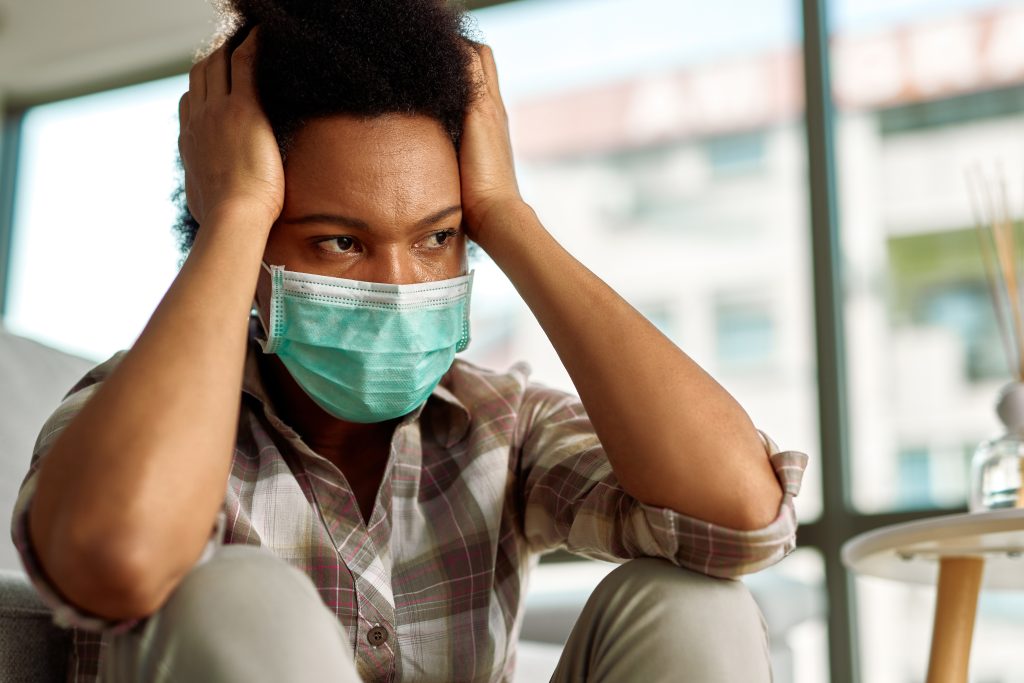
Verify news with official sources before sharing it, protect the family’s privacy and avoid graphic images. Check on grieving relatives, offer psychosocial first aid and make room for questions. Safe burials protect communities. Dignified burials keep their trust. And when families feel respected, they are more likely to work with health teams, which helps bring an outbreak to an end.
We believe in the free flow of information
Republish our articles for free, online or in print, under Creative Commons licence.