

Scientists have added two vaccines built specifically against Bundibugyo Ebola virus to a trial in the DRC, while Kenya says the International AIDS Vaccine Initiative (IAVI) has secured US$36 million (Ksh4.7 billion) to begin a vaccine trial in the country in January 2027.
For almost six months, the Democratic Republic of Congo (DRC) has fought an Ebola outbreak with no approved vaccine for the virus driving it. Since the outbreak was declared on May 15, 2026, it has recorded more than 10,500 confirmed cases and 5,126 deaths, making it the largest in the country’s history.
That gap may now narrow as two vaccine candidates developed specifically to protect against the Bundibugyo species of Ebola are set to join the ongoing Tumaini clinical trial in the DRC. It will be the first time vaccines designed for Bundibugyo virus are tested during an outbreak of the disease.
The World Health Organization (WHO) announced the decision on November 4, 2026. Its independent Technical Advisory Group on Candidate Vaccine Prioritization recommended the pair after reviewing available preclinical and early clinical evidence.
The two are ChAdOx1, developed by the University of Oxford in partnership with the Serum Institute of India, and Moderna’s mRNA-1469. Both build on technology proven during Covid-19. ChAdOx1 uses a modified chimpanzee adenovirus, the platform behind Oxford’s Covid-19 vaccine, to deliver genetic instructions for a protein on the surface of Bundibugyo virus.
mRNA-1469 carries similar instructions in messenger RNA packaged in tiny lipid particles. According to Gavi, the Vaccine Alliance, both produced encouraging results in animal studies, and early trials in the United Kingdom and Canada suggest they can safely stimulate immune responses in humans.
Tumaini, which means hope in Kiswahili, began in Bunia, where the first participant received a vaccine dose on October 26, 2026
WHO informed the developers on November 2, 2026, and the candidates will enter the trial only after receiving the necessary national approvals.
“The fact that these vaccines are ready to enter clinical trials is a testament to the power of science and partnership,” said WHO Director-General Dr Tedros Adhanom Ghebreyesus. He thanked the scientists, health workers and partners involved, and “above all the trial participants, whose involvement would generate evidence that could help save lives.”
Tumaini, which means hope in Kiswahili, began in Bunia, Eastern DRC, where the first participant received a vaccine dose on October 26, 2026. The Phase 2/3 trial tests several vaccine candidates against Bundibugyo virus within a single research framework, measuring their safety, immunogenicity and efficacy.
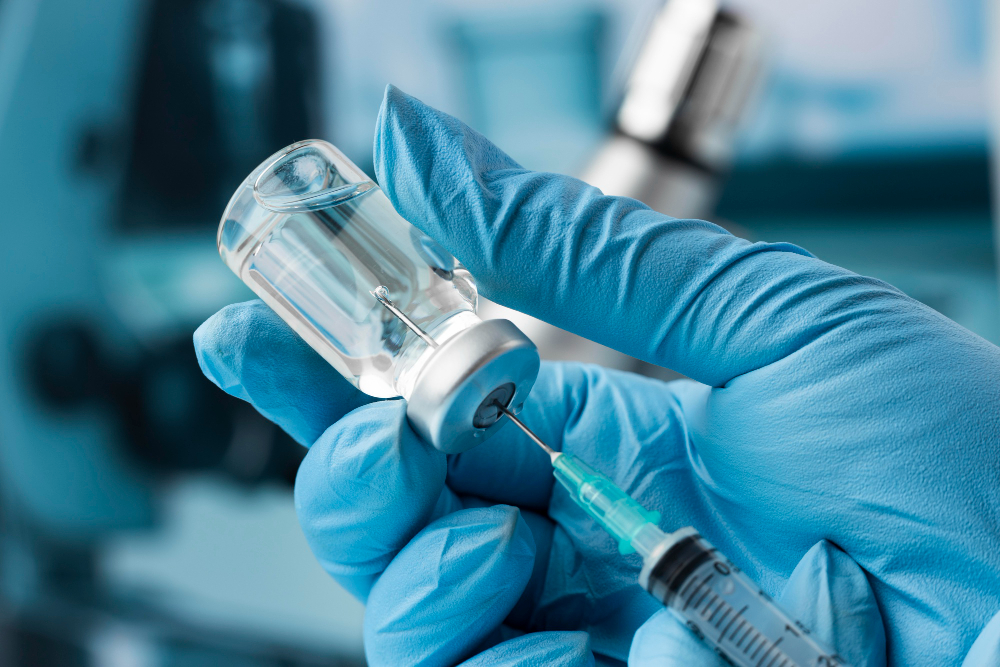
Ervebo was the first vaccine to enter the trial. It is already licensed to prevent Ebola virus disease caused by Zaire ebolavirus, but its effectiveness against Bundibugyo virus has yet to be established. ChAdOx1 and mRNA-1469, already identified in efforts to widen Tumaini’s range of candidates, will give researchers options built specifically against the Bundibugyo species.
The trial relies on ring vaccination where instead of targeting a whole population, teams identify people who have been in contact with someone confirmed to have Bundibugyo Virus Disease (BVD), and who are therefore at high risk of infection, and enrol them in vaccination rings. WHO says four rings have been established, with several more being prepared. They include contacts of people who fell ill or died.
The approach draws on the West African outbreak about a decade ago, when a landmark trial in Guinea established Ervebo’s efficacy against Zaire ebolavirus. That experience lets Tumaini to assess vaccines while the response is still underway, rather than waiting for the outbreak to end.
Gavi has separately pledged up to US$40 million (Ksh5.2 billion) for manufacturing readiness
For affected communities, the research could eventually offer a new tool against a species that has challenged existing Ebola vaccine efforts. The candidates, however, remain under investigation. Their place in the trial is not proof that they work, nor that they are approved for public use.
Even a successful vaccine will not help people already infected. The PARTNERS trial, launched in July 2026, is evaluating whether the monoclonal antibody MBP134, the antiviral drug remdesivir or a combination of both can improve survival among people with confirmed BVD.
It is expected to expand to include a further candidate, maftivimab. A complementary post-exposure prophylaxis study involving obeldevisir is also underway. Through its Research and Development Blueprint and Health Emergencies Programme, WHO helps develop protocols, gives strategic and technical advice, coordinates partners and supports the studies within the outbreak response.
The Institut National de Recherche Biomédicale (INRB), the DRC’s national public health and biomedical research institute, leads Tumaini.
It is supported by the University of Antwerp in Belgium, WHO, Epicentre, Médecins Sans Frontières, the Institute of Tropical Medicine of Antwerp and the Africa Centres for Disease Control and Prevention (Africa CDC).
Investment from the Coalition for Epidemic Preparedness Innovations (CEPI), which Gavi says exceeds US$75 million (Ksh9.8 billion), enabled the candidates’ rapid development. Gavi has separately pledged up to US$40 million (Ksh5.2 billion) for manufacturing readiness, so successful vaccines can be produced at scale.
IAVI has received US$36 million (Ksh4.7 billion) to begin a trial in Kenya in January 2027
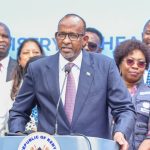
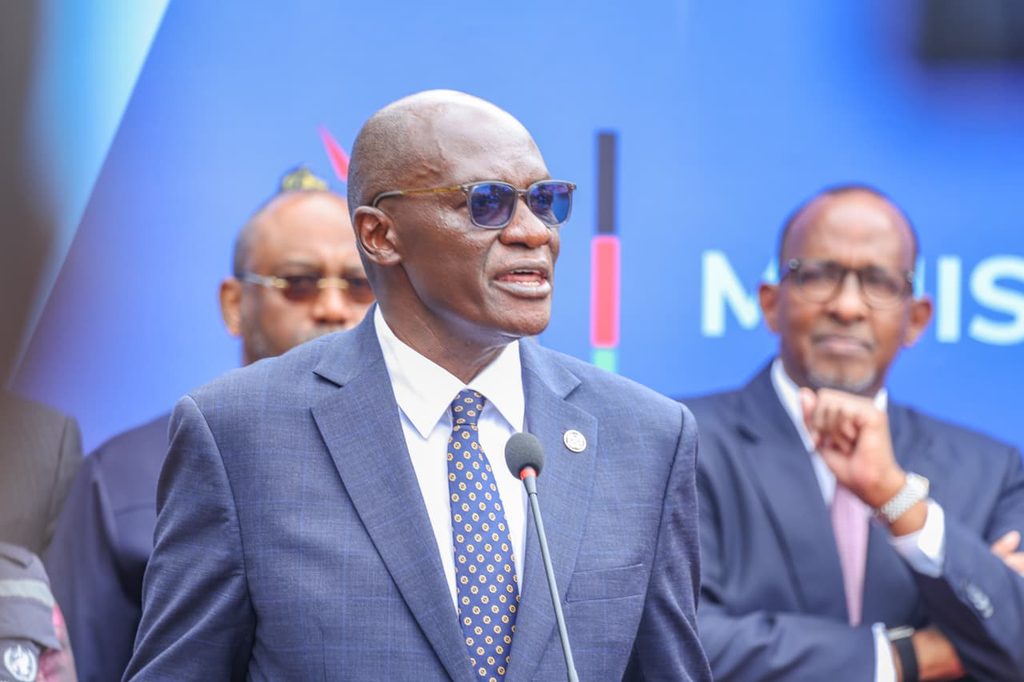
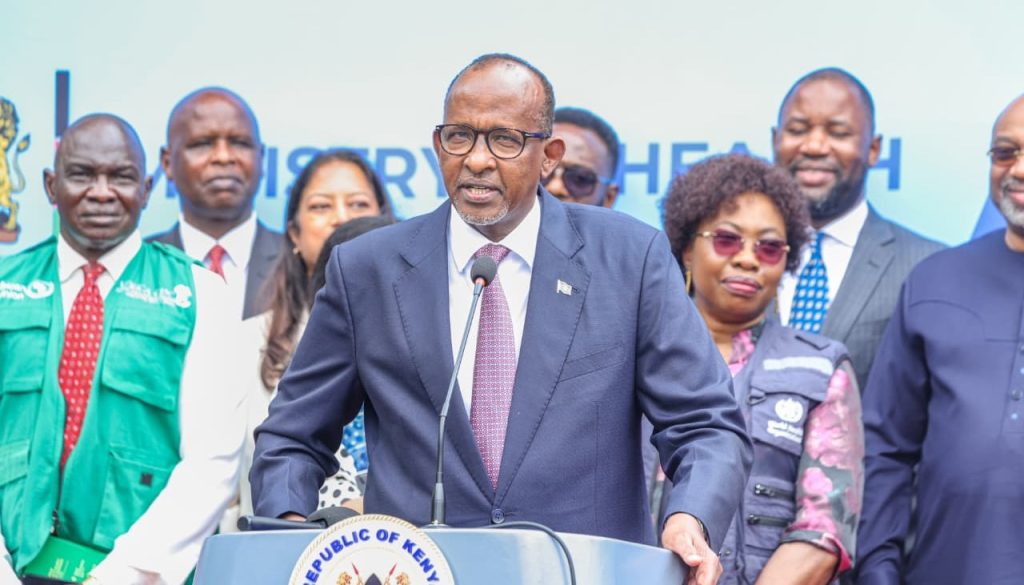
Kenya, which contained an imported outbreak of BVD, plans to join the search. Speaking in Nairobi on Wednesday November 11, as the country announced its official countdown to Ebola-free status, Director General for Health Dr Patrick Amoth said “Kenya will be participating in the Tumaini trial”. He added that IAVI had received US$36 million (Ksh4.7 billion) to begin a trial in Kenya in January 2027.
IAVI announced on October 28 that the US Biomedical Advanced Research and Development Authority (BARDA) had awarded it the sum, part of a contract worth up to US$99 million (Ksh12.9 billion), to take a single-dose vaccine built on Ervebo’s rVSV platform through a Phase 1 trial.
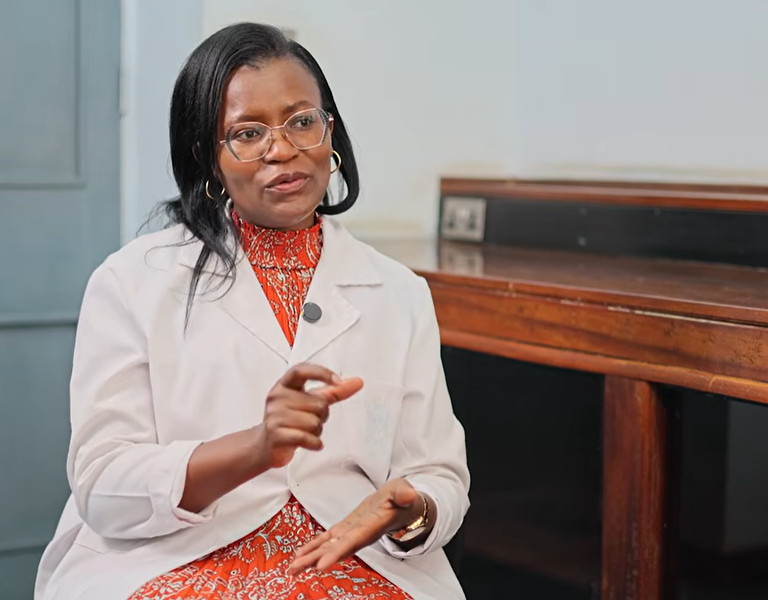
Kenya’s own patients relied on the experimental drugs now under study in PARTNERS. “We don’t have any specific vaccine or therapeutic for this strain of Ebola virus, the Bundibugyo virus,” Dr Amoth said.
Each person with BVD received a single infusion of MBP134, followed by a ten-day course of remdesivir, an antiviral widely used against Covid-19. Supportive care included nutrition, blood transfusions and ventilatory support where needed.
Dr Loice Ombajo, an infectious disease specialist at the University of Nairobi, said in an earlier interview with Willow Health Media that the drugs remain experimental because “we need to collect sufficient data on the effectiveness and safety on a larger scale to inform future outbreaks.” She stressed treating early, before virus levels rise too high for the drugs to be effective.
On November 11, Health Cabinet Secretary Aden Duale announced the discharge of the last person with BVD under treatment. Of nine confirmed cases, all linked to one imported case, seven recovered and two died, a recovery rate Dr Amoth put at 78%. All 135 contacts completed monitoring, and there has been no community transmission. The response has entered a recovery and monitoring phase. If no new case emerges during the 42-day countdown that began on November 12, Kenya will be declared Ebola-free on December 23, 2026.
Gavi is funding production before results are known and hopes to build a global Bundibugyo stockpile
Treatment findings are expected in the coming months and vaccine results in early 2027, showing whether the candidates can safely protect people against Bundibugyo virus.
Turning a candidate into real protection needs deliberate choices now. In a joint position paper published on October 23, the European Medicines Agency’s Emergency Task Force and the African Medicines Agency said Bundibugyo candidates “should move through the different clinical trial phases as quickly as possible” without compromising participant safety. They favour a single-dose vaccine because it “would be easier to deploy rapidly during an outbreak”.

They also back early trials in Africa, platform trials testing several candidates through ring vaccination, and early talks with African regulators. Supply is the next hurdle.
Because manufacturers have little incentive to make vaccines for rare outbreaks, Gavi is funding production before results are known and hopes to build a global Bundibugyo stockpile. WHO is expected to grant Emergency Use Listing or prequalification once evidence allows.
Dr Amoth sees Kenya’s role in the same light. “We are part of the international community working together to be able to ensure that we have therapeutics or vaccines against this disease and other emerging pathogens of international concern,” he said.
Dr Tedros was clear that vaccines alone will not end the outbreak, though they “could become a powerful new tool for bringing it under control.” Their impact will rest on the wider response and the health workers, researchers and communities who carry it.
We believe in the free flow of information
Republish our articles for free, online or in print, under Creative Commons licence.