
Kenya’s gains against pneumonia since introducing the pneumococcal vaccine in 2011 are real, but not guaranteed. As the country takes on more of the cost of immunisation, predictable financing, reliable cold chains and ready health facilities will decide whether every child stays protected.
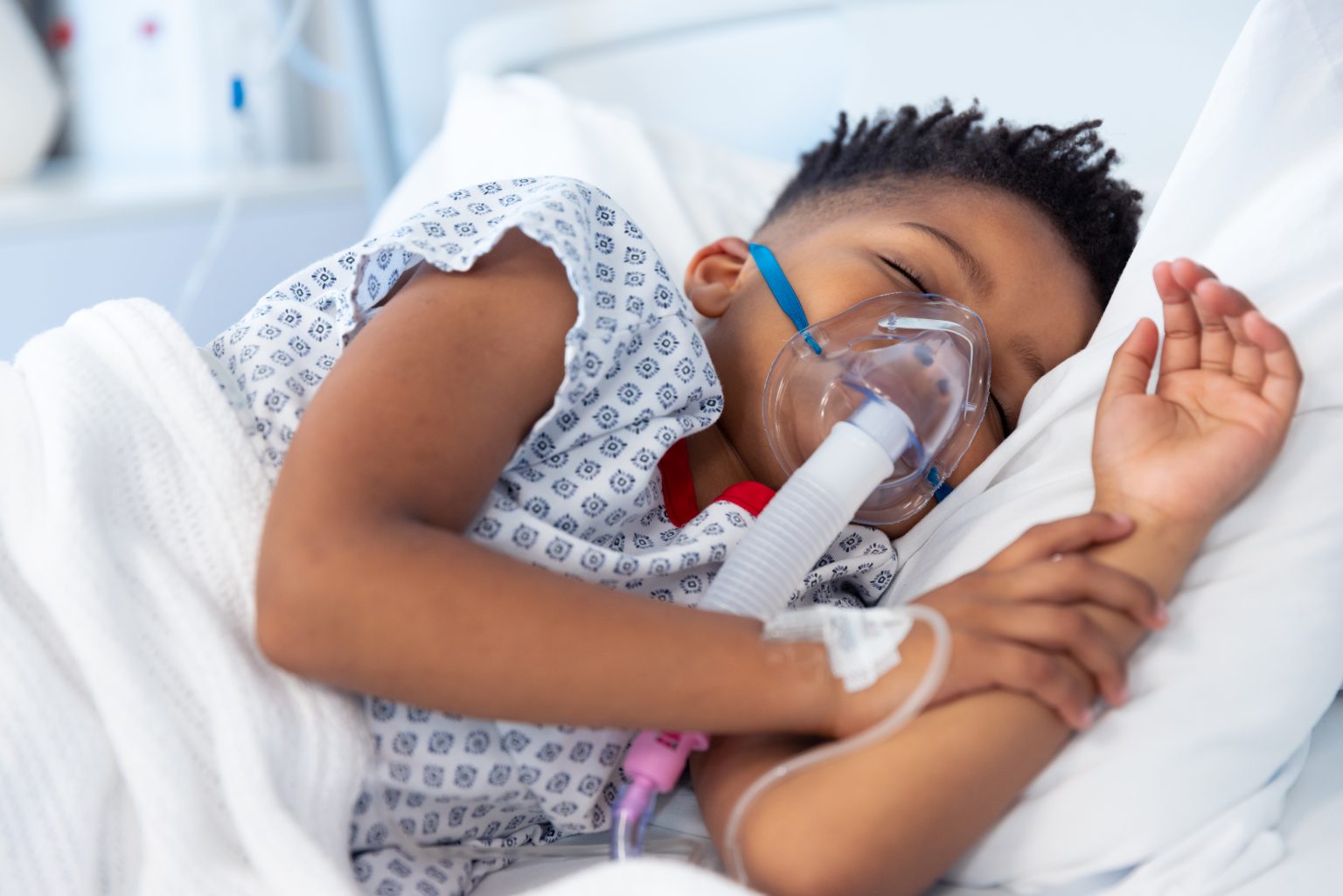
When a child arrives at a hospital struggling to breathe, the immediate priority is clear: timely assessment and treatment, including oxygen when needed and appropriate antibiotics when indicated. But behind that emergency lies an equally urgent policy question: what could have protected this child before hospital admission became necessary?
As a medical doctor and Principal Secretary in the State Department for Medical Services, I am guided by a fundamental principle: prevention must be central to both clinical practice and responsible public investment. For pneumonia, this means protecting children before they become ill while ensuring that those who do develop the disease can access timely, appropriate and quality care.

As Kenya marks World Pneumonia Day on November 12, sustainable vaccine financing must be understood as part of a wider commitment to pneumonia prevention and treatment.
Immunisation is a cornerstone of Universal Health Coverage (UHC) and a resilient health system.
Its full value is realised when vaccines consistently reach every eligible child and health services remain ready to care for children who nevertheless develop pneumonia. Kenya’s introduction of the pneumococcal conjugate vaccine (PCV) in 2011 illustrates why sustained investment matters. Gavi, the Vaccine Alliance, has reported substantial reductions in pneumococcal disease and pneumonia hospitalisations following the vaccine’s introduction.
These gains strengthen the case for maintaining protection, rather than treating vaccine financing as an expenditure that can be deferred.
Our objective must be continuity, meaning no interruption in protection as financing responsibilities evolve
Sustaining this protection requires deliberate policy choices, multisectoral planning, national co-financing and close coordination between the national government and our 47 county governments. Vaccines must be procured, distributed, stored safely and delivered through services that families can readily access.
Public health progress is only as durable as the commitment behind it. As Kenya assumes greater domestic responsibility through co-financing arrangements with partners such as Gavi, we must strengthen fiscal planning, strategic procurement and national ownership.
Our objective must be continuity, meaning no interruption in protection as financing responsibilities evolve. Investing in vaccines consistently means protecting our children’s health, giving them a stronger start in life and safeguarding the future of our communities.
Domestic vaccine procurement, cold-chain modernisation and digital inventory tracking are part of a broader effort to prevent avoidable illness, protect hospital capacity and reduce the financial burden on families. Preventing vaccine-preventable infections also contributes to efforts to address antimicrobial resistance.
Vaccination is important, but it must go hand in hand with ensuring that children who develop bacterial infections receive the right antibiotics without delay.
Sustaining this momentum requires four immediate policy priorities. First, we must secure predictable domestic financing for immunisation. As we plan for greater sustainability, we need reliable, multi-year vaccine allocations and evidence-based procurement decisions.
Procurement of World Health Organization (WHO)-prequalified vaccines should deliver value for public money without compromising safety or efficacy. In financing vaccines, we must ensure they reach the children who need them, not merely purchase doses.
Vaccine availability must be matched by readiness to diagnose and treat pneumonia, including access to essential medicines
Second, we must strengthen supply-chain integrity across all counties. Although healthcare delivery is decentralised, health security is a shared national responsibility. The Ministry of Health and county governments must work together to maintain reliable cold-chain infrastructure, from national depots to local Level 2 dispensaries, including solar-powered systems where appropriate.
Vaccine availability must be matched by readiness to diagnose and treat pneumonia, including access to essential medicines, functioning pulse oximeters and reliable medical oxygen for patients who need it.
Third, we must anchor pneumonia prevention and care within Primary Health Care (PHC).
Under the government’s UHC reforms, it is envisioned that Primary Care Networks will connect routine immunisation with maternal and child health services, nutrition support, exclusive breastfeeding during the first six months of life and efforts to reduce children’s exposure to tobacco smoke and household air pollution.
Health workers must be equipped with the skills, equipment and supplies to recognise pneumonia early, provide appropriate treatment and arrange timely referral for children with severe illness. Vaccination protects against important causes of pneumonia, but it does not replace care for children who become ill.
Fourth, digitisation is central to Kenya’s UHC reforms. By connecting health facilities through integrated digital systems, we can improve the tracking of immunisation, identify children who have missed their vaccines, strengthen the management of health commodities and ensure that services reach those who need them.
These priorities require accountability as well as financing. National and county leaders should track vaccine availability, children missed by immunisation services, readiness to diagnose pneumonia and access to essential medicines and oxygen. The true measure of our investment is whether families can obtain prevention and care when and where they need it.
Vaccines do more than protect individual children. Together with timely diagnosis and effective treatment, they help safeguard hospital capacity, reduce avoidable treatment costs and protect families from financial hardship.
This World Pneumonia Day, let us make sustainable financing a firm commitment to both prevention and care. Every child deserves the protection of vaccination, and prompt, effective treatment when pneumonia strikes. Vaccination saves lives.
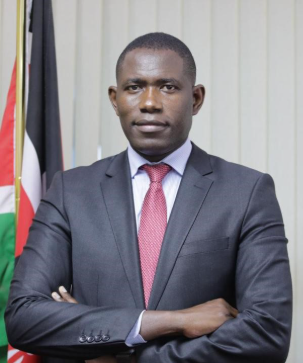
Dr Ouma Oluga is the Principal Secretary, State Department for Medical Services
We believe in the free flow of information
Republish our articles for free, online or in print, under Creative Commons licence.