Kenyan oncologists strengthened their patient-centred communication skills, exploring how empathy, honesty and active listening can build trust, ease fear and turn cancer patients from passive recipients into active partners in their own care.
Time and again, the same complaint comes to light. A doctor stands accused of negligence; a family is convinced something went badly wrong. Yet when the medical records are examined, the diagnosis and treatment often turn out to have been sound.
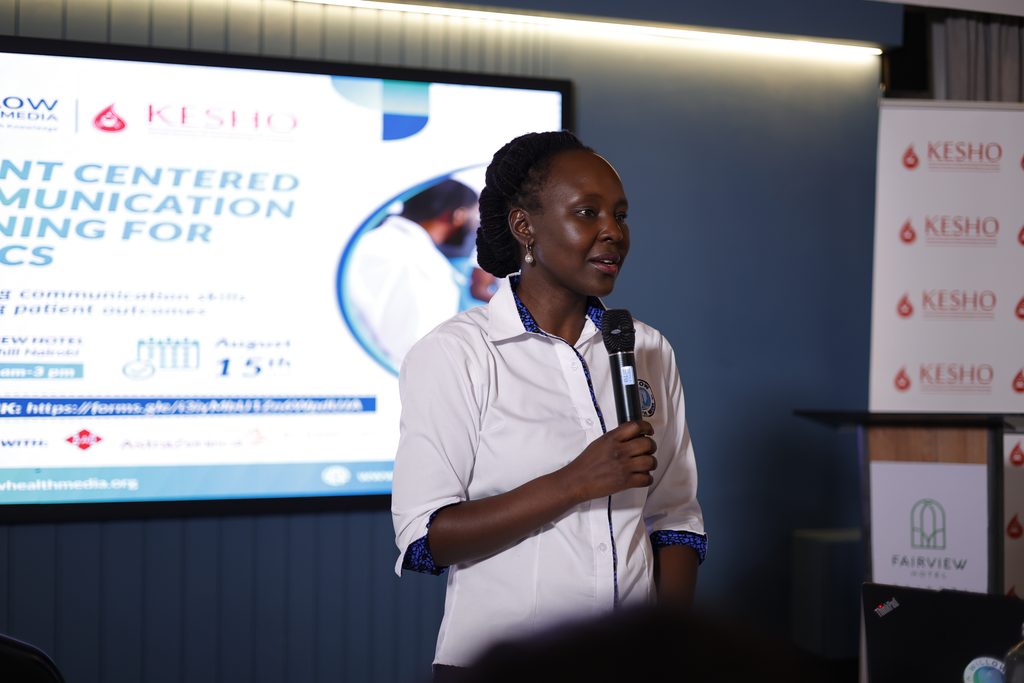
For Willow Health Media CEO and Editor-in-Chief Dr Mercy Korir, years of health journalism have pointed to a different kind of failure.
“Most of the time it is the doctor being accused,” she says. “Patients and families often raise concerns about negligence or poor treatment. But when the medical records are examined, the diagnosis and treatment may have been appropriate.”
The gap, Dr Korir has concluded, is often communication.
“There is a breakdown in communication in health facilities,” she says, pointing to instances where doctors do not take enough time to explain a diagnosis, care plan, who should be involved in decisions and what the treatment journey will involve. Left unaddressed, that breakdown can breed misunderstanding, complaints and conflict between healthcare providers and families.
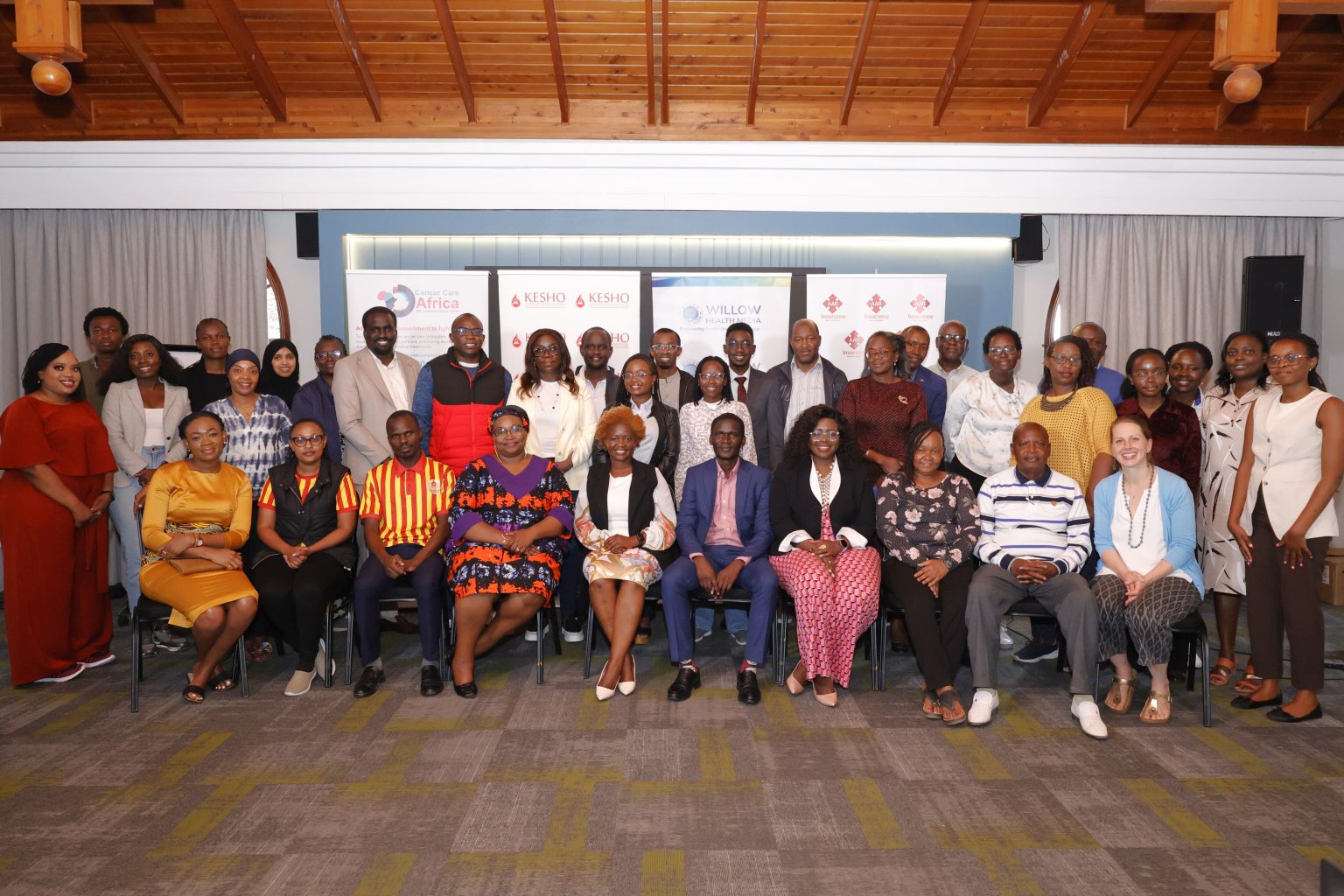
It was this problem, which Dr Korir considers potentially as damaging as a clinical error, that brought oncologists, doctors, nurses, counsellors, patients, caregivers and patient advocates together at Fairview Hotel in Nairobi on 15 August 2026.
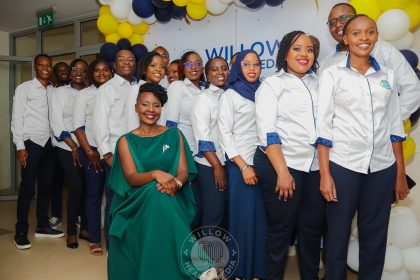
Willow Health Media, in collaboration with the Kenya Society of Haematology and Oncology (KESHO), convened the one-day training, Strengthening Patient-Centred Communication Among Medical Doctors in Kenya, to strengthen how oncologists and other cancer care professionals communicate with patients.
The workshop brought together experts including Dr Gladwell Kiarie, Consultant Medical Oncologist at The Nairobi Hospital and President of KESHO; Prof Anne Beatrice Kihara, Senior Lecturer at the University of Nairobi’s Department of Obstetrics and Gynaecology; Dr Kiplangat Sigei, Medical Affairs Manager for bioMérieux Anglophone Africa; and Dr Nelson Malenya, Bioethicist at the Kenya Medical Research Institute and member of the Bioethics Society of Kenya.
Communication shapes the choices patients make, their adherence to treatment, their trust in healthcare providers, and their quality of life
Other speakers included Erin Das, Practice Lead Global Treehouse; David Makumi, CEO of Faraja Cancer Support Trust; Dr Asaph Kinyanjui, Chair of the Kenya Hospices and Palliative Care Association; Dr Andrew Odhiambo, Consultant Medical Oncologist at The Nairobi Hospital; Dr Ahmed Kalebi, Consultant Pathologist; and Mueni Wambua, Grief Therapist, Pastor and Founder of Heartwork Africa.
The training explored the questions a cancer diagnosis raises for patients: What does the diagnosis mean? Is the cancer curable? What treatment options are available? How much will treatment cost? Who should help make decisions? What happens next?
For healthcare workers, such questions may be routine. For patients and their families, however, the answers, and how they are delivered, can shape whether they trust their doctor and how they navigate the difficult journey ahead.
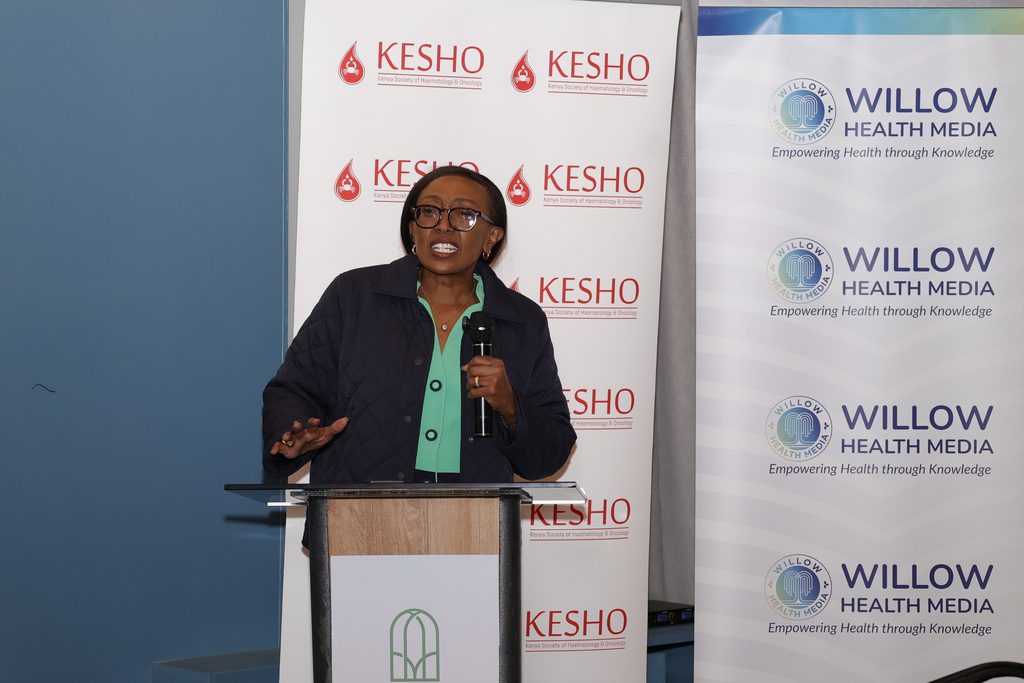
Dr Kiarie framed patient-centred communication not as an additional skill, but as a fundamental part of cancer care.
“Communication is not a secondary aspect but at the core of the treatment process,” she said.
Communication, she explained, shapes the choices patients make, their adherence to treatment, their trust in healthcare providers and, ultimately, their quality of life.
That principle, that patients must be heard rather than simply managed, also ran through the keynote address by Prof Kihara, former President of the International Federation of Gynaecology and Obstetrics (FIGO). She challenged clinicians to see the person behind the diagnosis.
“Every patient is more than just her diagnosis, her bed number or the disease entity you are addressing,” she said.
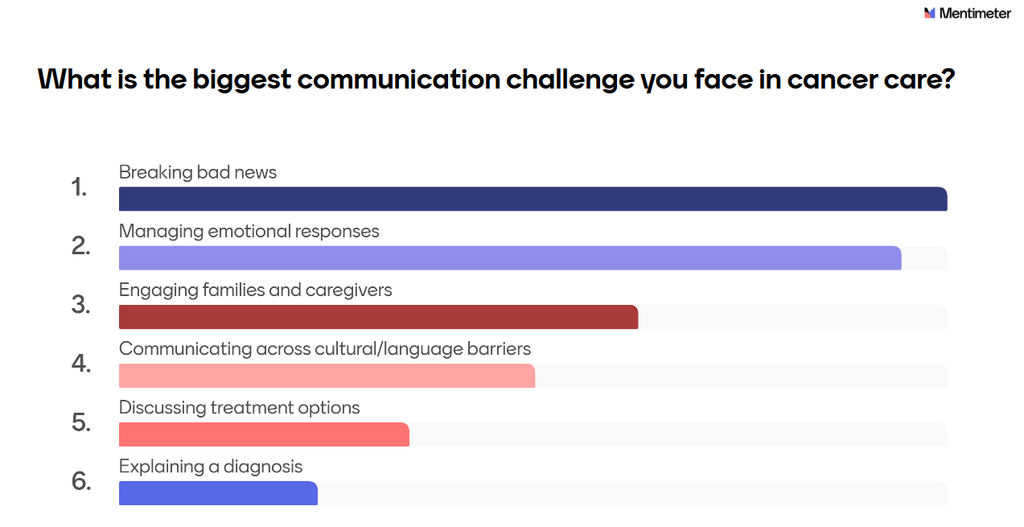
Participants identified breaking bad news, managing emotional responses, engaging families and caregivers, discussing treatment options, and navigating cultural and language barriers among the biggest communication challenges in cancer care.
“When delivering health information, doctors and caregivers need to understand the cultural background of patients because culture shapes how people understand the world and behave within it,” said Wambua.
Dr Kiplangat Sigei, a medical affairs professional, said communication training for healthcare workers must also reflect the realities of the communities they serve, while taking advantage of Kenya’s growing digital reach.
“Embedding communication training for healthcare workers, with a focus on local realities and cultural nuances, is critical in our setting. We should leverage our relatively advanced digital space, including mobile apps and social media,” said Dr Sigei.
Patients who understand their diagnosis are better placed to adhere to treatment
Erin Das, Advanced Practice Palliative Care Nurse and Practice Lead at Global Treehouse and a Board Member of The Nairobi Hospice, encouraged doctors and caregivers to incorporate the SPIKES protocol when delivering sensitive information. SPIKES stands for Setting, Perception, Invitation, Knowledge, Emotion and Strategy.
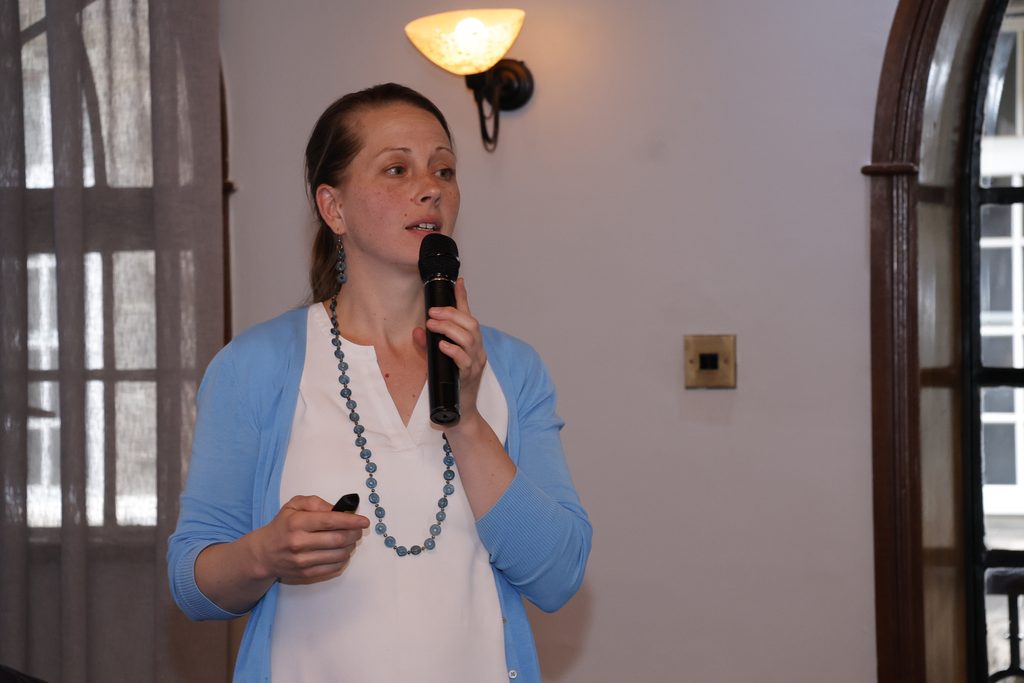
Patient-centred communication, as the training set it out, asks healthcare workers to listen before assuming, understand before advising and explain until the patient understands.
Get that right, and the benefits extend beyond a single consultation. Patients who understand their diagnosis are better placed to adhere to treatment. Families informed early are less likely to end up in conflict with healthcare providers. And a care environment built on trust gives patients something a prescription alone cannot: the assurance that they are being heard, not just treated.
Dr Malenya also highlighted the importance of ethics in difficult medical decisions.
“Hospitals should have an ethics committee to guide complex or contested end-of-life cases. Doctors should go to it when the path to decision-making is unclear,” he said. “A patient should not hear the results of their diagnosis from third parties.”
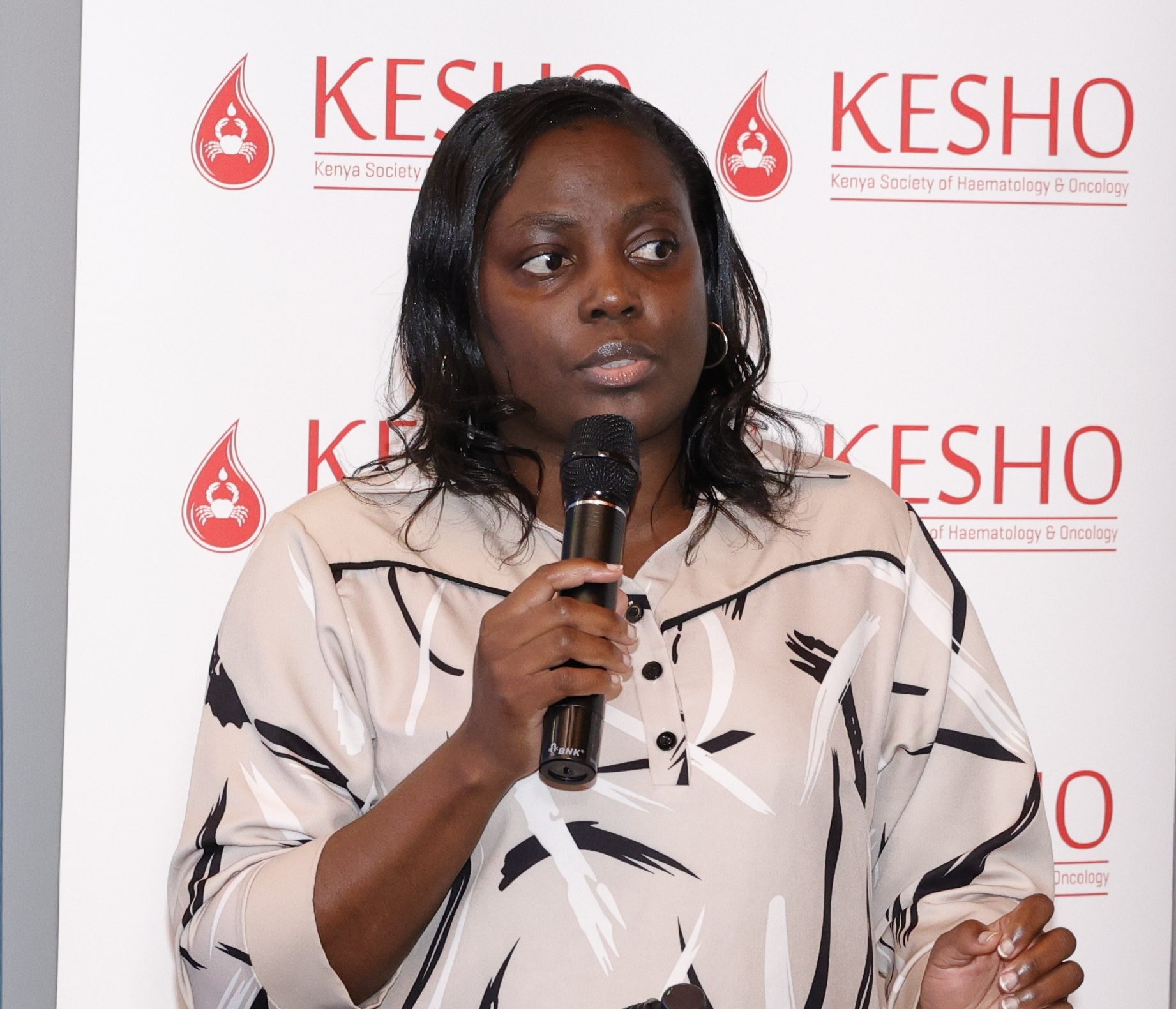
For Dr Mary Achakolong, Consultant Anatomic Pathologist, the treatment journey does not begin and end with medicine. It begins with a conversation, and patients who are part of that conversation cease to be mere recipients of care and become partners in it.
“Doctors should explain to patients their diagnosis, what they should do next and what the diagnosis means for them,” she said.
The training also reflected Willow Health Media’s broader role in Kenya’s health communication landscape. By bringing together medical and communication expertise alongside patients, caregivers and advocates, Willow and KESHO placed patients’ understanding and participation at the centre of care, reinforcing the principle that good healthcare is not only about the treatment provided, but also how well patients are heard, informed and involved.