

As social media overtakes television as the top source of news, health experts at the World Health Summit in Nairobi warned that false claims are reaching millions faster than science can respond.
A new survey by the Media Council of Kenya (MCK) shows that social media has overtaken television as the primary source of news, with 39 per cent of Kenyans now turning to social platforms for their daily updates.
The finding has alarmed health experts who warn that the shift is fuelling a surge in dangerous health misinformation, exposing millions of Kenyans to false claims that could cost lives.
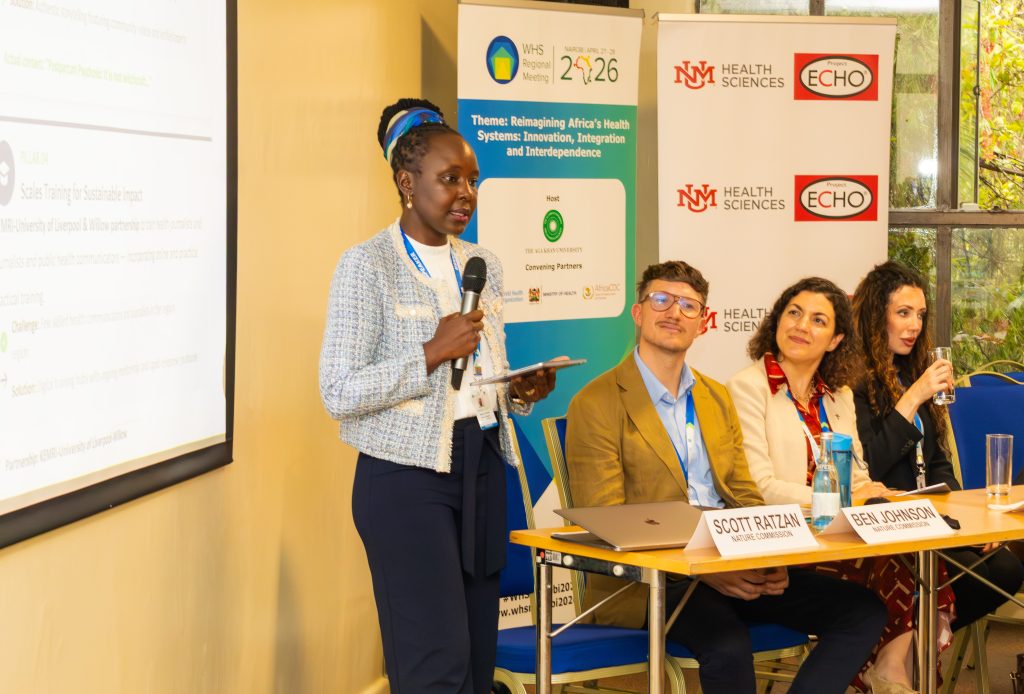
Experts raised the alarm at a breakout session titled “Trust in Science: Advancing Quality Health Information in the Age of Digital Health,” held during the World Health Summit Regional Meeting in Nairobi on Monday, April 27.
Willow Health Media CEO and Editor in-Chief, Dr Mercy Korir, said conventional media had significantly shrunk, with digital platforms taking over as the main source of news. She noted that 90 to 94 per cent of people in Kenya now access news online, mostly through their smartphones and “This shift powers progress but spreads false health claims faster than it has ever happened before.”
Dr Korir asked conference participants how many had watched television, listened to the radio or read a newspaper in the past week. A few raised their hands, and “That tells you the power of social media.”
At Willow, 80% of audiences want to know how to register for SHA, how to add dependents
She called on health journalists to go beyond debunking misinformation and to provide correct, empowering information. Citing Willow Health Media’s audience data, Dr Korir revealed that 80 per cent of their traffic sought basic guidance on the Social Health Authority (SHA), which replaced the defunct National Health Insurance Fund (NHIF) in October 2024.

“At Willow, 80 per cent of the audience wants to know how to register for SHA, how to add dependents and other simple guides. This information is valuable to Kenyans,” she said, adding that translating complex health information into infographics, building trust through lived experiences, citing credible data and pushing for accountability make health reporting impactful. “We must put people at the centre of the conversation. Everything in health is about people,” Korir said.
Vivianne Ihekweazu, Managing Director of Nigeria Health Watch, agreed that digital media had democratised information while also fanning misinformation and “Traditional gatekeepers like journals and TV are out,” she said. “X and YouTube have taken over with a wider reach into remote areas. Information is fast but unverified.”
Ihekweazu warned that anyone could pose as a health expert and mislead online audiences, and that algorithms were reinforcing vaccine hesitancy. She shared a personal account of a friend diagnosed with breast cancer who refused to let her daughters receive the HPV vaccine based on a discredited online report, against her doctor’s advice.
Those with the least access to health care often have the least access to quality information
She called on Africa to develop a continental framework to enforce quality standards in education and regulate the ethical use of artificial intelligence to counter health misinformation.
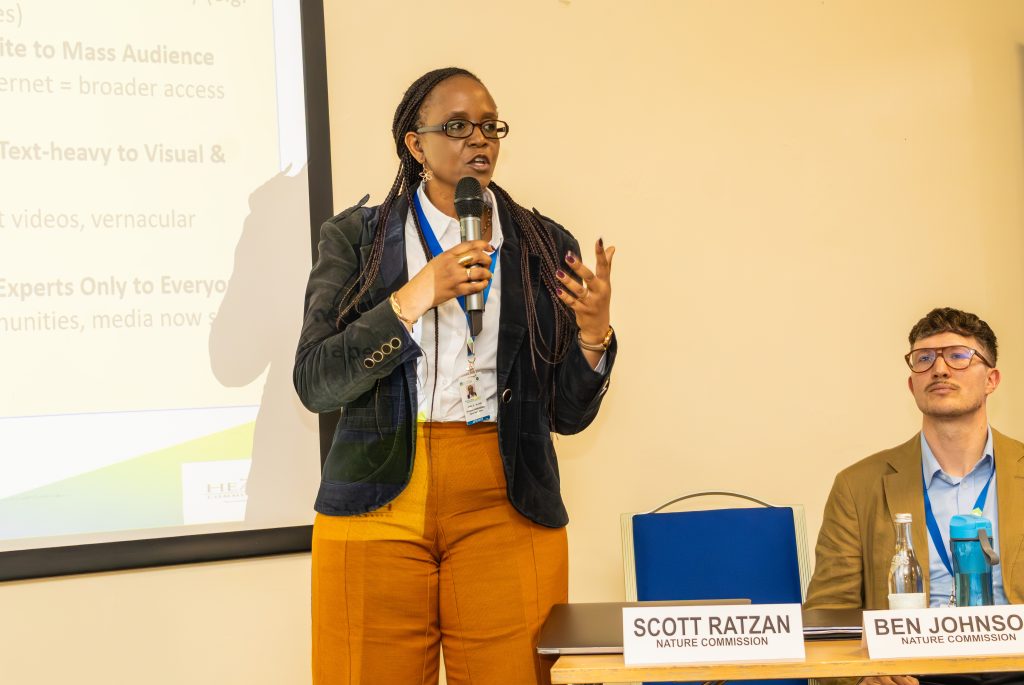
Dr Özge Tunçalp, Executive Director of the Institute of Tropical Medicine in Antwerp, said future health information systems must answer five key questions: “Is it verifiable? Is it evidence-based? Does it show uncertainty? How does it spread? Does it cause harm?” She also urged scientists to tell stories that touch people’s hearts, not just their minds.
Dr Jacqueline Kitulu, President of the World Medical Association, warned that “misinformation spreads faster than science can respond.” She called for health information systems that address inequality in both care and awareness. “Those with the least access to care often have the least access to quality information. Clinicians have a huge responsibility of building trust with patients and encouraging communities to prioritise their health,” she said.
Panellists concluded that technology, while promising, requires oversight to prevent irreversible harm.