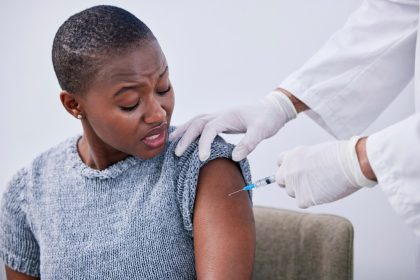




Breastfeeding’s protection fades, extra vaccines aren’t extra risk, and skipping your child’s shot because others got theirs still leaves them exposed.
Every parent wants to make the best decisions for their child, but in a world where information spreads within seconds, separating fact from fiction has become harder than ever. Social media posts, rumours shared among friends and conflicting opinions online have fuelled uncertainty about childhood vaccination, causing some parents to delay or skip immunisation altogether. During a webinar organised by Kilimani Children’s Clinic this July, Nurse Philip Wambugu set out to correct the most common misconceptions, explaining why routine immunisation remains one of the most effective public health tools available.
The scale of the problem is significant. According to the World Health Organization (WHO), immunisation prevents an estimated 4.4 million deaths every year from diseases including measles, polio, diphtheria, tetanus and whooping cough. Yet coverage remains uneven.
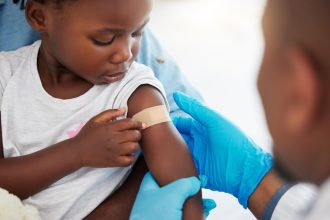
UNICEF’s State of the World’s Children Report 2023 estimates that one in five children globally are “zero-dose,” meaning they have not received even the first routine vaccine. In Kenya, the 2022 Kenya Demographic and Health Survey (KDHS) found that three per cent of children had not received their first dose of the diphtheria, tetanus and pertussis (DTP) vaccine, an estimated 48,000 Kenyan children every year who remain completely unvaccinated, most in marginalised communities facing multiple social and economic disadvantages.
Wambugu describes a vaccine as something foreign introduced into the body to prepare it against future disease, as the essence “Is to eradicate the body’s naivety when it comes to certain diseases.”
Vaccines may be given orally or through injections depending on the disease they target: oral vaccines primarily stimulate immunity in the gut, making them effective against diseases spread through contaminated food or water, while injectable vaccines trigger immune responses throughout the body.
Contrary to a common misconception, vaccines do not cause the diseases they are designed to prevent. Instead, they expose the immune system to a weakened or inactive form of a virus or bacteria, allowing the body to produce antibodies without causing illness. These antibodies act like the body’s security guards, remaining ready to recognise and fight the real infection if a person is exposed in the future.

“The vaccine prepares your body so it does not have to start fighting from scratch when the real disease comes,” Wambugu said. Most vaccines used today contain killed or inactivated organisms, while a few use weakened live organisms that cannot cause disease in healthy individuals.
One common myth, the webinar was told, is the belief that breastfeeding provides all the protection a baby needs. Wambugu explained that breastfeeding provides passive immunity, temporary protection passed from mother to child, which fades as babies grow. “Breastfeeding helps babies survive the first few months of life, but it does not provide lifelong immunity,” he said.
Vaccination, by contrast, enables a child to develop active immunity by teaching the immune system how to respond to dangerous infections. Not every mother is able to breastfeed because of medical or other circumstances, he added, making vaccination even more important in protecting infants.
Kenya’s immunisation programme begins immediately after birth with vaccines such as Bacillus Calmette-Guérin (BCG), which protects against severe tuberculosis, and the oral polio vaccine. Wambugu said these are administered early because newborns have immature immune systems and are especially vulnerable to infection. Tuberculosis remains present in Kenya, unlike in many high-income countries where routine BCG vaccination is no longer necessary because the disease has become rare. Polio can cause irreversible paralysis and, in severe cases, affect the muscles responsible for breathing, making early protection essential. Delaying these vaccines unnecessarily exposes infants to preventable risks during the most vulnerable stage of life.

Among the most enduring myths is the claim that vaccines cause autism. According to Wambugu, decades of scientific research have found no credible evidence linking vaccines, including the measles, mumps and rubella (MMR) vaccine, to autism. “There is nothing conclusive that says vaccines cause autism,” he said, adding that scientists continue studying autism, but vaccination has consistently been shown to be safe.
Another misconception is that children today receive too many vaccines, overwhelming their immune systems. Wambugu explained that the increase in vaccine numbers reflects advances in medical research rather than increased danger. Many diseases that once claimed thousands of children’s lives are now rarely seen because vaccination programmes have successfully controlled them. “The numbers don’t lie,” he said. “Vaccines have been used, tested and shown to be safe.”
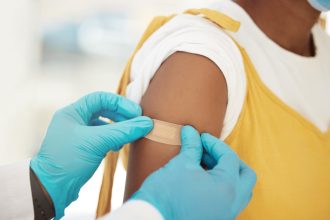
Claims that vaccines cause infertility are also unsupported by scientific evidence. Wambugu cited the human papillomavirus (HPV) vaccine as an example that has faced misinformation despite its proven role in preventing cervical cancer. “There is no relationship between vaccination and infertility,” he said, noting that political and religious misinformation has sometimes undermined confidence in life-saving vaccines. According to UNICEF, around seven in eight girls are not vaccinated against HPV, which can cause cervical cancer.
Some parents believe that if most other children are vaccinated, their own child does not need immunisation. Wambugu cautioned that this thinking threatens community protection. Herd immunity occurs when enough people are vaccinated to slow or stop the spread of disease, indirectly protecting those who cannot receive vaccines because of age or certain medical conditions, but this only works when coverage remains high. Wambugu noted that while about 97 per cent of Kenyan children receive their birth vaccines, only about 80 per cent remain fully vaccinated by 18 months, meaning many families discontinue immunisation along the way, much of it driven by vaccine hesitancy fuelled by misinformation. “The world is changing, and we should not assume vaccinated populations will always be enough to protect our children,” he warned.

Unlike routine childhood vaccines, influenza vaccines are updated regularly because the virus changes from season to season. The WHO monitors circulating influenza strains worldwide and guides manufacturers on which strains to include each year. Wambugu explained that influenza vaccines reduce the severity of illness rather than guaranteeing complete protection, and advised against vaccinating children actively recovering from influenza, since waiting until they are well helps minimise unnecessary reactions. For children who frequently experience severe flu complications, annual vaccination can significantly reduce the risk of serious illness.
As misinformation continues circulating online, health experts say parents should seek information from qualified healthcare professionals and trusted public health institutions rather than relying on rumours or unverified social media posts. Vaccination has transformed child survival over the past century, preventing millions of deaths and reducing illnesses that once devastated families.
We believe in the free flow of information
Republish our articles for free, online or in print, under Creative Commons licence.