

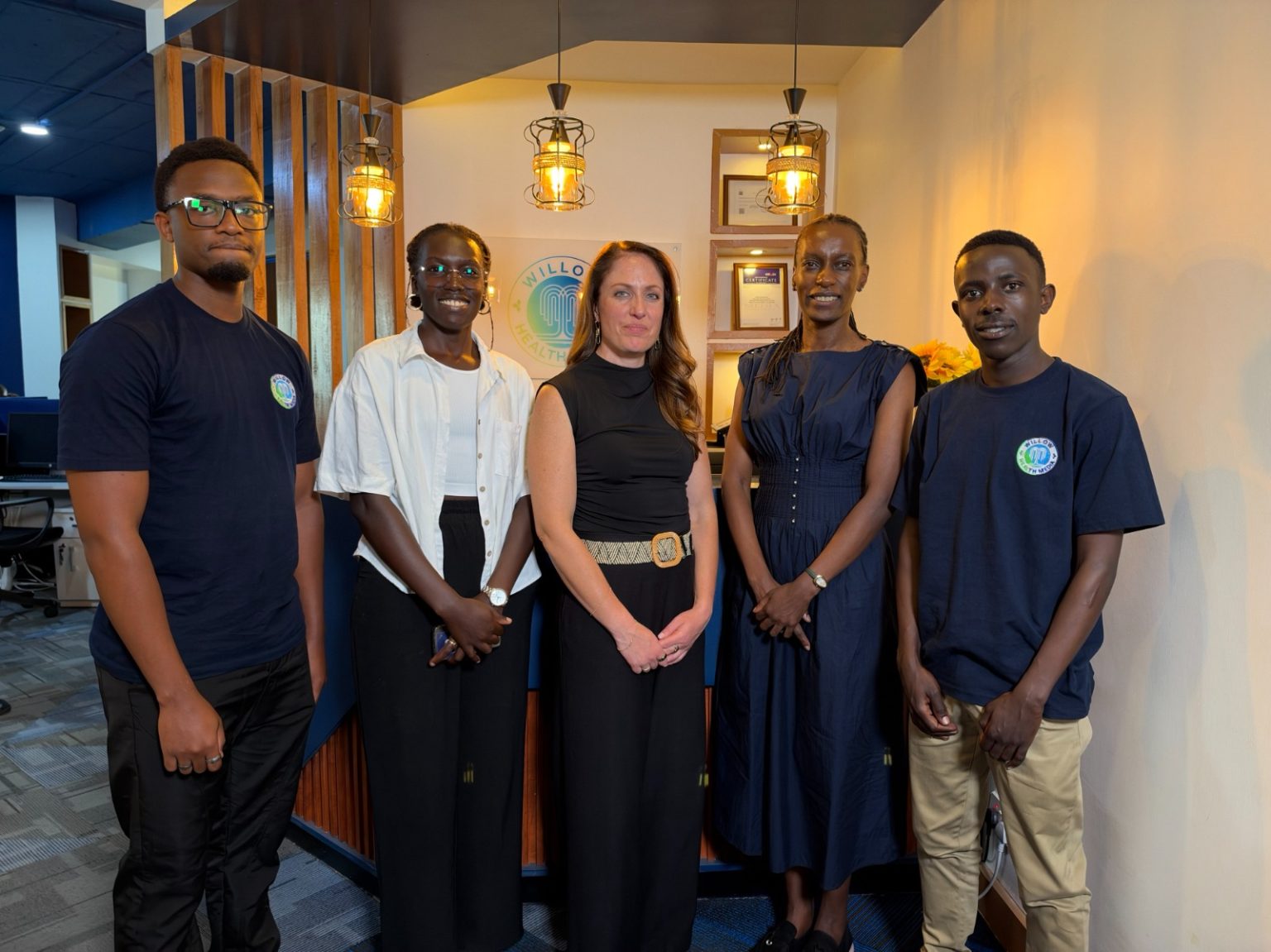

Microsoft Journalism Director Emily Brown visited Willow Health Media as part of a Thomson Reuters Foundation mentoring programme, exploring how the newsroom can adopt AI responsibly while protecting the credibility on which health reporting depends.
Emily Brown has built her career around helping news organisations reach audiences and adapt to technological change, from more than 16 years at USA TODAY to her current role as Microsoft’s Journalism Director.
This week, she brought that experience to Willow Health Media, joining a high-level delegation from Microsoft and the Thomson Reuters Foundation (TRF) to explore how artificial intelligence (AI) and digital tools can be built more effectively into newsroom operations and governance.
Her central message was one of balance. Newsrooms, Brown said, must evaluate where AI fits into their work while maintaining editorial independence and judgment.
“AI is evolving rapidly, and as newsrooms adapt to emerging digital trends, questions remain about how to utilise its potential responsibly while protecting journalistic integrity,” she said.
Willow regards the visit as fundamental to its growth as a digital newsroom. At Microsoft, Brown leads engagement with journalists, news organisations and industry partners, helping the sector navigate AI and other technological shifts. Her work spans responsible innovation, newsroom skills development, audience engagement and the sustainability of journalism, as well as wider questions of trust and the future of local news.
She is particularly interested in turning emerging technologies into practical tools that support high-quality journalism. At USA TODAY, she was most recently Managing Editor for Audience and Digital Platforms, where she led strategies for audience growth, engagement, social media and digital platforms.
Journalists need to maintain public trust and ensure that technology strengthens the role of media in society
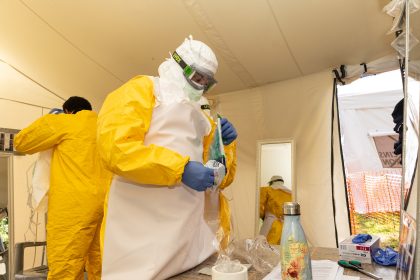
For a health newsroom, the risks of the digital age are already familiar. Throughout its coverage of the ongoing Bundibugyo Ebola outbreak in the Democratic Republic of Congo (DRC), which has now surpassed 10,000 cases, Willow has encountered misinformation and disinformation about the disease spreading online, especially on social media.

Dr Moses Masika, Chair of the Willow Board and an infectious disease specialist who lectures at the University of Nairobi’s Department of Medical Microbiology and Immunology, described the Ebola rumour mill as worrying.
“Health is a very sensitive topic, and as a media house, once you lose credibility and trust from your audiences, it is very difficult to get it back,” he said.
Elizabeth Onyango, Head of TRF’s Africa Hub, placed that experience in a wider context. Mis- and disinformation remain a challenge for journalists, she said, particularly around health, a sensitive part of society. She called for vigilance, alongside investment in digital infrastructure that can help address misinformation.
“Journalists need to maintain public trust and ensure that technology strengthens, rather than undermines, the role of media in society,” she said.
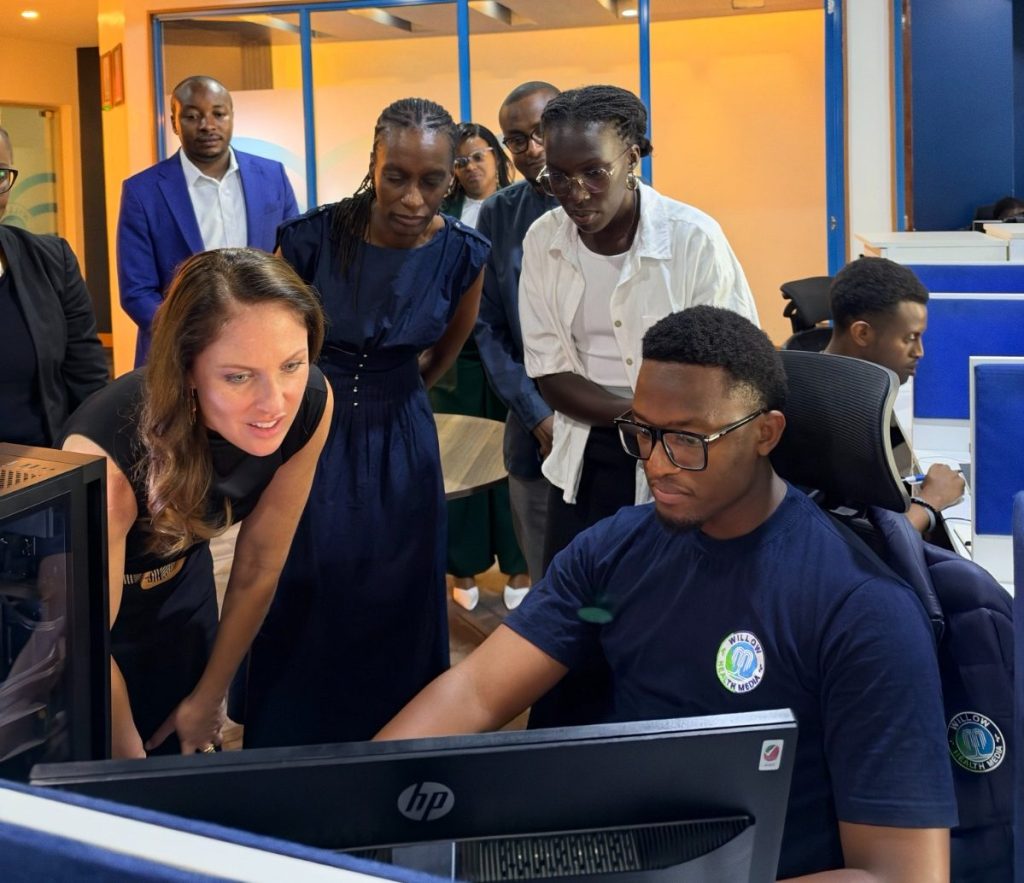
Dr Masika received the delegation at the Willow newsroom in Nairobi, where the visitors learnt about Willow’s work, its teams and the context in which it operates. They examined the newsroom’s operations, organisational structure and technology needs, focusing on the responsible adoption of AI and on opportunities to strengthen newsroom capacity.
The initiative is part of the Thomson Reuters Foundation’s global work to advance free, fair and informed societies
The engagement forms part of TRF’s Advancing Ethical and Strategic AI Adoption in Newsrooms mentoring programme, in which two Willow staff, Data Analyst Stanley Njihia and ICT Intern Gabriel Simiyu, are participating.
Atieno Sigana, the TRF Senior Project Coordinator in charge of the programme, said it helps news organisations build responsible AI governance frameworks that strengthen resilience and sustainability and promote ethical, transparent and legally compliant use of the technology. The initiative is part of the Foundation’s global work to advance free, fair and informed societies.
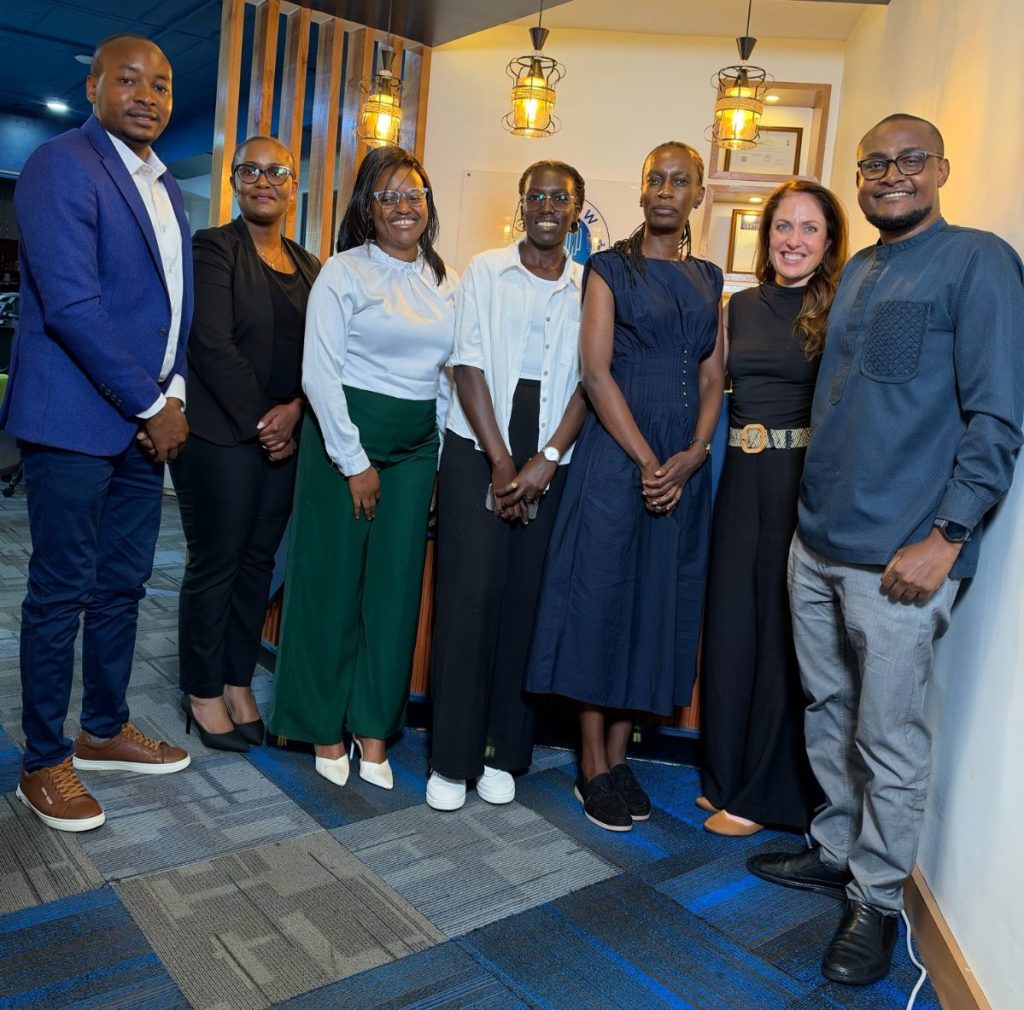
Willow also saw the visit as a chance for Brown to meet the people behind its journalism. The programme is ultimately focused on the outcomes and impact the partners hope to achieve together, but those outcomes are driven by the people, ideas and realities within each newsroom. Brown was therefore keen to hear directly from Willow staff about their experience, their ambitions and what matters to the newsroom.
For Willow, the programme’s value lies partly in who takes part. Because both participants work in data and technology roles, the governance knowledge it builds sits with staff who work closely with the newsroom’s data and systems as Willow grows its digital operations.
Taken together, the experts’ views point to a practical path forward. Onyango sees investment in digital infrastructure as part of the answer to misinformation. The programme Sigana coordinates gives newsrooms a governance framework for using AI ethically, transparently and within the law. Brown’s work centres on helping newsrooms build AI skills and experiment with emerging tools that support high-quality journalism.
For a newsroom confronting Ebola rumours online, that combination offers a way to adopt new tools without trading away the credibility Dr Masika warns is so hard to regain. As technology reshapes the media industry, building newsroom capacity will be key to keeping journalism accurate, accountable and credible, values at the heart of Willow’s work.