
Kenya’s second Ebola patient was caught in quarantine, tested at two laboratories and moved to supportive care. A Ministry of Health official explains each step, from 21-day monitoring to discharge, and why routine checks remain the strongest defence.
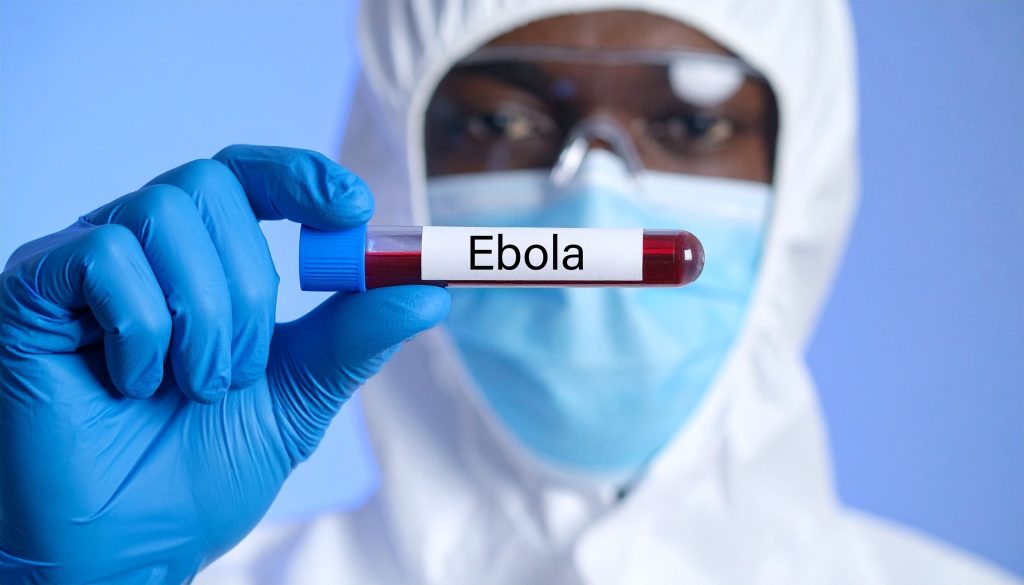
On October 13, a 39-year-old man under quarantine in Kenya developed a fever, fatigue and joint pains. His quarantine team isolated him and collected a specimen. Two laboratories, the National Virology Reference Laboratory and the KEMRI-CDC laboratory, returned matching results. He had Bundibugyo virus disease, a form of Ebola.
The man, a close family member of Kenya’s first case, he had been quarantined in case he fell ill. He was transferred to a designated treatment centre for supportive care.
Kenya has now confirmed two linked cases and one death. The first case was imported. That patient, a Kenyan citizen who had been living in the Democratic Republic of Congo, died in Nairobi on October 5. The Ministry of Health’s update of October 13 found no evidence of transmission in the wider community, and the government is meeting the cost of managing the cases.
The Bundibugyo virus, first identified in Uganda’s Bundibugyo District in 2007, is one of the viruses that cause Ebola disease. Licensed Ebola vaccines target a different species, Zaire Ebolavirus, which leaves early detection, isolation and supportive care at the centre of containment.

Dr Francis Ng’ang’a, who leads case management at the Ministry of Health, explained each stage of Ebola management and care.
Ng’ang’a was speaking in Nairobi at a media engagement and national outbreak reporting workshop themed Public Trust, Transparency and Collective Action in the Ebola Response convened by the Ministry of Health, the Kenya National Public Health Institute, the Africa Centres for Disease Control and Prevention (Africa CDC) and the World Health Organization (WHO).
He said once a person is suspected of having the virus, the priorities are to identify infection quickly, prevent further transmission and provide appropriate care, from screening and monitoring through testing and treatment to follow-up after recovery.
Stage one: monitoring the contacts
By October 13, the Ministry had identified 128 contacts of Kenya’s first patient and traced 113. Of those, 108 were in quarantine in Kenya, five were abroad, and the relevant authorities had been notified. Tracing of the remaining 15 continued.
Quarantine is for people who may have been exposed but have no symptoms. Isolation separates people suspected or confirmed to have the infection from others to reduce transmission.
Ebola’s incubation period runs from two to 21 days, so an exposed person may not fall ill immediately. People have been quarantined for up to 21 days, Dr Ng’ang’a said, “because of the long incubation period that the virus has, that is up to 21 days.”
Contacts receive daily clinical assessments and temperature checks for 21 days after their last possible exposure. Anyone who develops symptoms is isolated and tested promptly.
Stage two: spotting a suspected case
Patients who walk into a health facility are harder to spot, because Ebola’s early symptoms resemble other illnesses. Patients may first have fever, weakness, loss of appetite, muscle pain and headache.
Nausea, vomiting, diarrhoea and abdominal pain may follow, and severe cases can develop complications affecting vital organs. “The signs and symptoms are usually non-specific,” Dr Ng’ang’a said, urging careful screening and a high index of suspicion among health workers.
His working case definition combines fever, at least two other relevant clinical signs or symptoms, travel to an affected area or contact with suspected or confirmed Ebola cases within the previous 21 days.
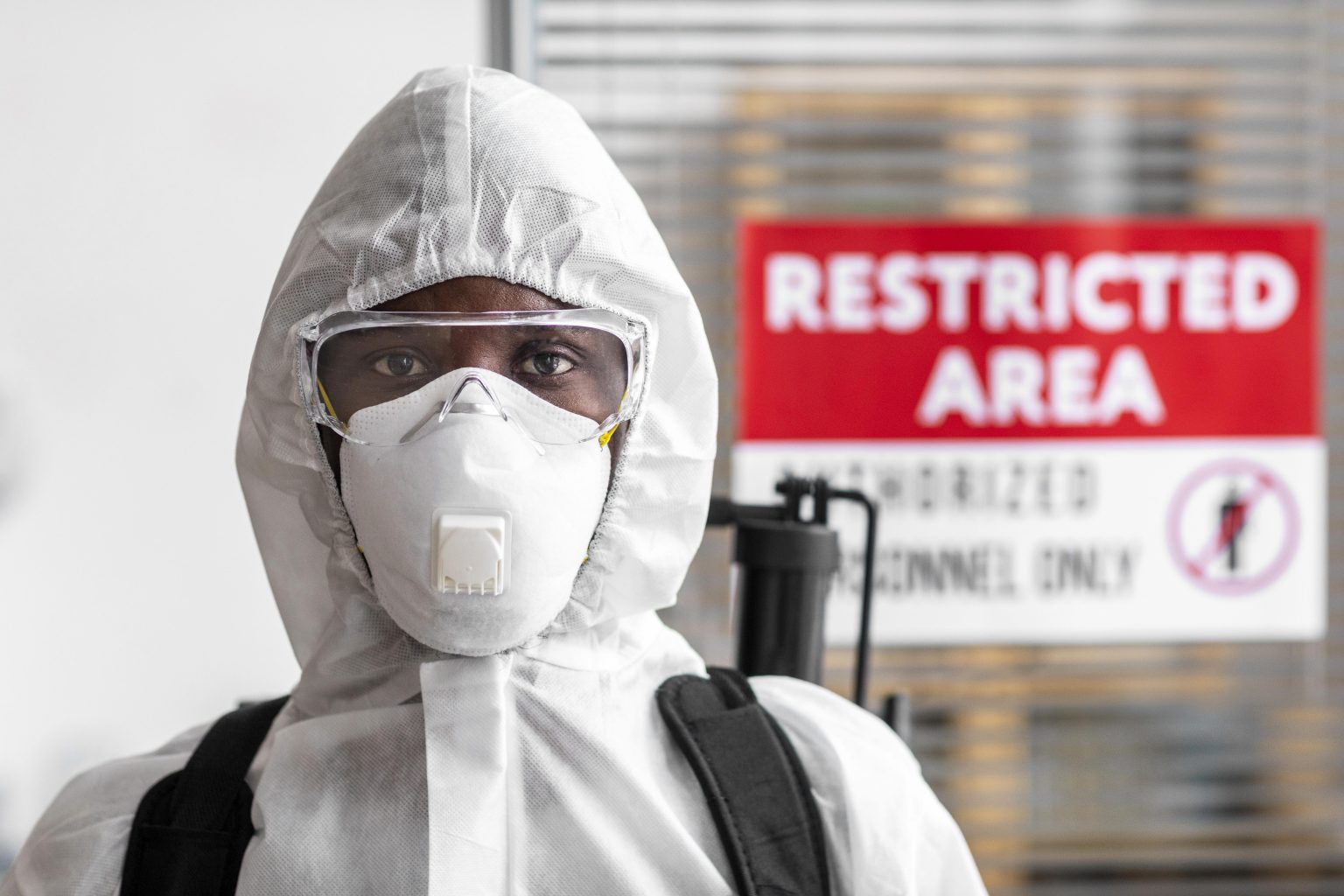
Anyone meeting it should be isolated and tested by health workers wearing appropriate personal protective equipment (PPE) and following infection prevention and control procedures.
Stage three: the laboratory decides
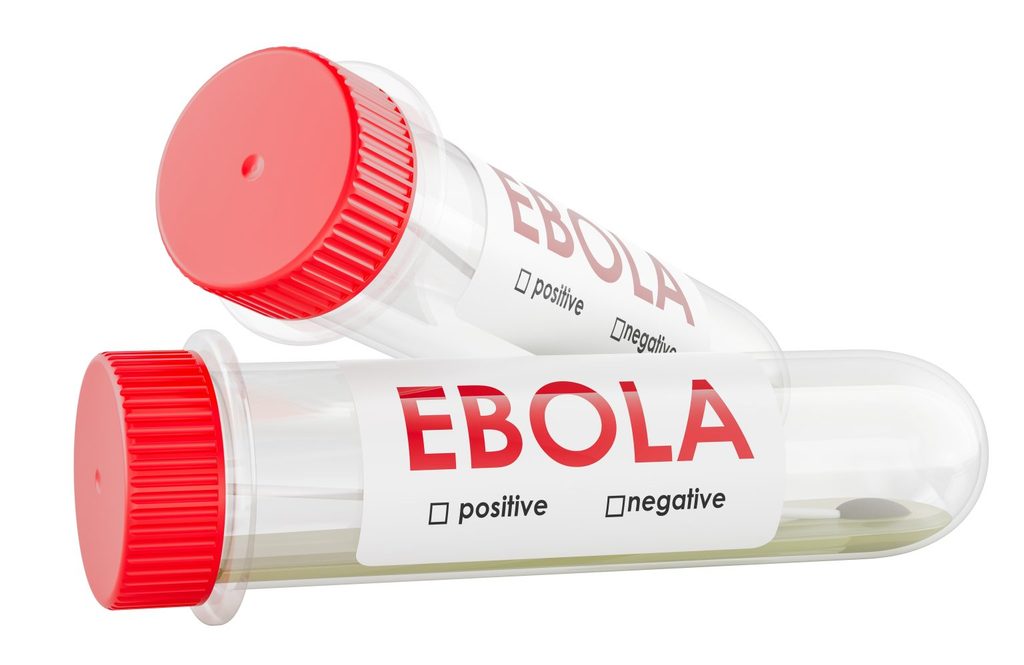
Symptoms cannot confirm Ebola; only a test can. By the time of the workshop, Kenya had investigated more than 300 suspected cases, and only two had tested positive. Many suspects had other infections or non-infectious conditions.
“For most of the suspects that we have had, the positive test has usually turned out to be malaria,” Dr Ng’ang’a said. Malaria testing, he added, belongs in the initial investigation, alongside checks for other causes.
Stage four: triage and supportive care
Once a patient is isolated, health workers triage them by severity. “If there are signs of emergency, you have to act immediately. Signs of priority are attended to next,” Dr Ng’ang’a said.
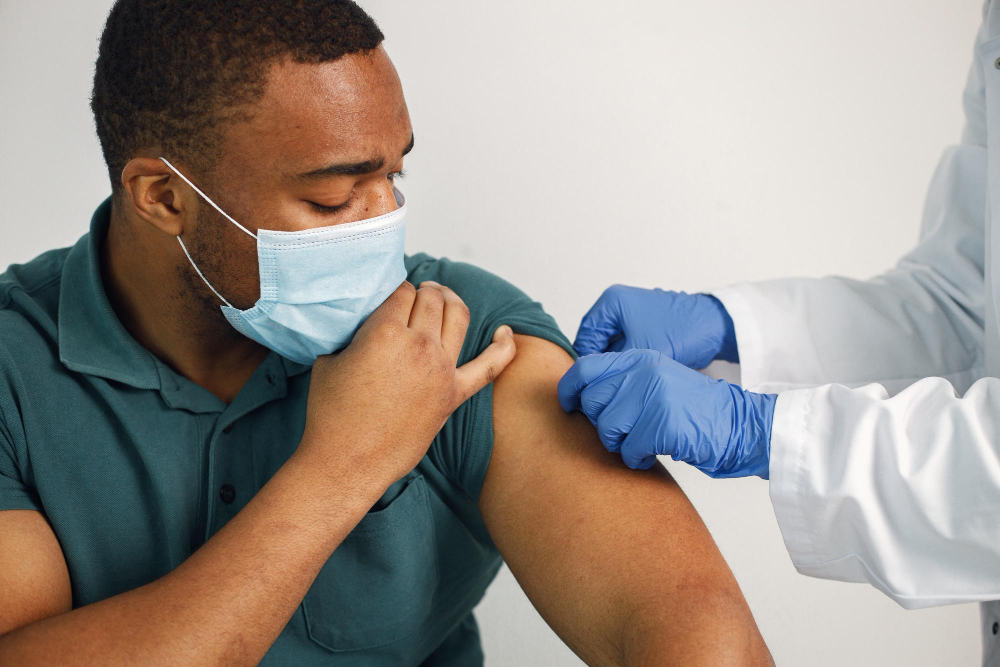
Clinicians first check that the patient can maintain an open airway, breathe adequately and sustain circulation. After stabilisation comes a thorough examination and an individual care plan.
“We are not just isolating our patients. We are supporting their treatment,” he said.
Care takes place in designated Ebola treatment centres or units and includes continuous monitoring, resuscitation, laboratory assessments and management of complications.
“If a patient would require oxygen, they are provided with the oxygen. If they need fluids or blood products, they should be provided,” he said. Patients may also need nutritional support, correction of electrolyte imbalances, blood glucose monitoring and treatment for complications affecting the kidneys or the respiratory, cardiovascular or nervous systems.
This matters because, when he spoke, there was no specific treatment for Bundibugyo virus disease. Experimental therapies, where considered, must follow appropriate standards of care and principles of equitable access.
He said psychological support is part of treatment, since isolation and serious illness cause distress. Facilities must protect patients and health workers while maintaining strict biosafety and infection prevention standards.
Stage five: discharge and follow-up

Feeling better is not enough. A patient must be clinically stable and have two consecutive negative tests taken 48 to 72 hours apart.
“Before they are discharged, you still undertake a thorough physical exam and provide psychological counselling,” Dr Ng’ang’a said.
Survivors leave with documentation for later medical reviews. Follow-up may include clinical examinations, laboratory investigations guided by need, and mental health and psychosocial support.
Where clinically indicated, doctors may test body fluids for the virus, including semen in male survivors and breast milk in breastfeeding survivors. Discharge marks the move from acute treatment to recovery and continued medical support.
Who pays the bill?
Every stage of supportive care costs money. Isolation facilities, laboratory tests, medicines, monitoring equipment, PPE, disinfectants and safe medical waste disposal all add up, as do daily monitoring in quarantine, contact tracing and sample transport. Dr Ng’ang’a said the government was covering the cost of managing the cases, a responsibility that reaches from the bedside to the wider public health response.

Adequate supplies let health workers give care without spreading the virus further. The Ministry says it has reinforced infection prevention and control at quarantine and treatment facilities and that health workers have the protective equipment they need.
As of October 13, contact tracing and daily monitoring were continuing, and the Ministry said anyone developing symptoms would be isolated and tested immediately.
Dr Ng’ang’a called for a high index of suspicion, consistent screening, appropriate triage and strict infection prevention and control. Each rests on routine checks done well, from a temperature reading in quarantine to a travel question and a malaria test at a clinic.
The Ministry advises anyone with fever, unusual tiredness, muscle or joint pain, vomiting, diarrhoea or unexplained bleeding to seek care promptly. Ebola is not airborne, it spreads through direct contact with the blood or body fluids of a person who is sick with, or has died from, the disease.
The Ministry has urged the public to remain calm, rely on official updates and respect the privacy of the affected family. For anyone in doubt, responders on its toll-free health line, 719, offer guidance.
We believe in the free flow of information
Republish our articles for free, online or in print, under Creative Commons licence.