


Women face higher rates because excess fat drives oestrogen-related cancers, with nearly two-thirds of these cases clustered in just three types, namely endometrial, post-menopausal breast, and colorectal cancer.
For decades, public health campaigns have urged Kenyans to avoid tobacco, limit alcohol and guard against infections to lower their cancer risk, but scientists now say another threat deserves equal attention: obesity.
Once treated mainly as a driver of diabetes and heart disease, obesity is increasingly recognised as one of the leading preventable causes of cancer worldwide, and its toll falls heaviest on women. Beyond raising the odds of cancer, excess weight shapes how patients respond to treatment, whether disease returns, and how long they survive.

The scale of the problem in Kenya is striking. According to the 2022 Kenya Demographic and Health Survey (KDHS), 45 per cent of women aged 20 to 49 are overweight or obese, up from 38 per cent in 2014. Data from the NCD Risk Factor Collaboration shows obesity alone affects 19.3 per cent of Kenyan women against 6.3 per cent of men, that is over 2.7 million women, compared with roughly 760,000 men, as of 2022.
Girls are increasingly affected too: 13 per cent of adolescent girls aged 15 to 19 are already overweight or obese, versus just two per cent of boys. With nearly half of women of reproductive age overweight or obese, most Kenyan women enter adulthood already carrying a risk factor that could shape their health for life.
Speaking at the 2nd Scientific Conference at Kenyatta University Teaching, Referral and Research Hospital (KUTRRH), oncologist Dr Michelle Naisae said obesity has become one of the most important modifiable cancer risk factors.
“The International Agency for Research on Cancer has now listed obesity as the third leading modifiable cause of cancer worldwide, just after tobacco and infection,” she said.
Evidence has linked obesity to at least 13 cancers, including breast, uterus, colon, pancreas, liver, kidneys, thyroid, ovaries and oesophagus
The International Agency for Research on Cancer (IARC) estimates that excess body weight accounts for 3.6 per cent of cancers globally, or nearly 500,000 new cases a year. Together with the World Cancer Research Fund, IARC has found convincing evidence linking obesity to at least 13 cancers, including those of the breast, uterus, colon, pancreas, liver, kidneys, thyroid, ovaries and oesophagus.
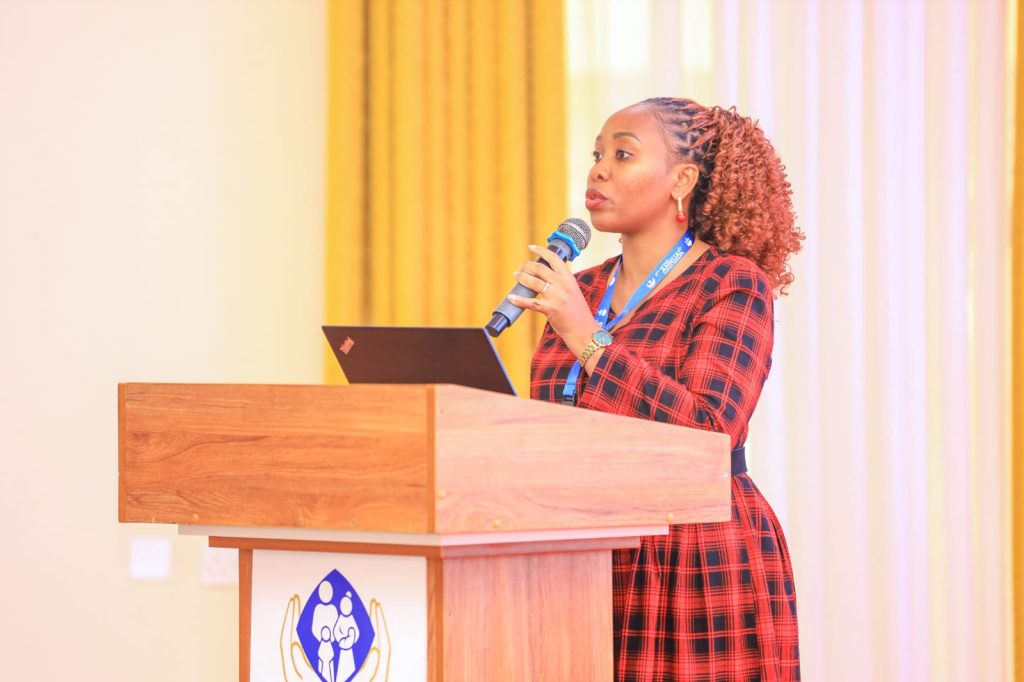
Dr Naisae recalled that this link was barely discussed when she trained. “When we were in school, we talked about alcohol and tobacco as the gospel of avoiding cancer. But it’s becoming clear that obesity should also be considered because it is associated with multiple cancers,” she said.
Women bear a disproportionate share of this burden. Globally, IARC estimates that obesity accounts for 5.4 per cent of cancers in women, compared with 1.9 per cent in men, largely because excess fat interferes with hormone regulation.
“Approximately half a million new cancer cases every year are associated with obesity. In women, there is a higher percentage because of cancers that are linked to the female sex hormone, oestrogen,” Dr Naisae explained. Nearly two-thirds of obesity-related cancers, she noted, are concentrated in just three types: endometrial, post-menopausal breast, and colorectal cancer.
The biology behind this risk helps explain it. Fat tissue is not simply stored energy; it produces hormones, inflammatory chemicals and growth signals that encourage cancer to develop. Dr Naisae explained that obesity places the body in chronic inflammation, driving oxidative stress that damages DNA and promotes abnormal cell growth.
“Patients with obesity are usually in a state of chronic inflammation. That oxidative stress leads to DNA damage and stimulates the processes that result in cancer,” she said. Obesity also causes insulin resistance, leading to high insulin levels that activate pathways which push cells to multiply uncontrollably.
Surgery becomes more complicated, as procedures take longer and carry higher risk of wound infections, blood clots and anaesthetic complications
For women specifically, hormone imbalance compounds the danger. After menopause, oestrogen levels normally decline, but excess fat tissue keeps producing the hormone through an enzyme called aromatase, which can stimulate hormone-sensitive cancers such as breast, endometrial and some ovarian cancers.
“Patients end up having a lot of oestrogen in their bodies, and that stimulation increases cell growth while preventing abnormal cells from dying when they should,” Dr Naisae said.

Obesity’s consequences extend well beyond cancer risk; it also complicates treatment and worsens survival. “Apart from causing cancer, it affects how the cancer will respond to treatment. It affects whether the cancer will come back after treatment. It affects the prognosis, how long the patient will survive,” Dr Naisae said.
Surgery becomes more complicated, as procedures take longer and carry higher risk of wound infections, blood clots and anaesthetic complications.
“We see this even among Caesarean section mothers with obesity, who often return with surgical site infections,” she noted. Radiotherapy is harder to deliver accurately when positioning patients is difficult, sometimes increasing side effects, while chemotherapy dosing must be adjusted to a patient’s actual body weight, since obesity changes how drugs are absorbed and processed.
The data on outcomes is sobering. “A lot of studies have been done on breast cancer, and we have seen a 33 per cent increase in mortality. That is a third. It’s really significant,” Dr Naisae said. Obesity also raises the risk of cancer recurrence and second primary cancers, since the processes that caused the first cancer persist if excess weight goes unaddressed.
Kenya projects more than one million children and adolescents could be obese by 2030
The consequences of untreated obesity stretch across a woman’s lifetime, well beyond cancer. It raises the risk of type 2 diabetes, hypertension, heart disease and stroke, complicates pregnancy through gestational diabetes and pre-eclampsia, and is linked to joint problems, fertility difficulties and mental health strain.

Because Kenyan girls are gaining weight earlier, many risk carrying these compounding burdens from adolescence through their reproductive years and into old age, making early intervention a lifelong investment rather than a short-term fix.
These trends mirror a global pattern: the WHO estimates one in eight people worldwide live with obesity, over one billion in total. Kenya projects more than one million children and adolescents could be obese by 2030, a warning that today’s crisis among women could deepen in the next generation without action.
Encouragingly, experts frame this as a preventable crisis with clear entry points for action. Dr Naisae urged prioritising a healthy body weight, preventing abdominal obesity, regular exercise, balanced diets, limiting alcohol and processed foods, and managing diabetes and other metabolic conditions early.
“We need to maintain a proper BMI. We need regular aerobic and resistance exercises and to manage metabolic diseases optimally,” she said. Screening for obesity-linked cancers, integrating weight management into routine maternal healthcare, and expanding public education on the obesity-cancer link could all help reduce Kenya’s rising caseload.