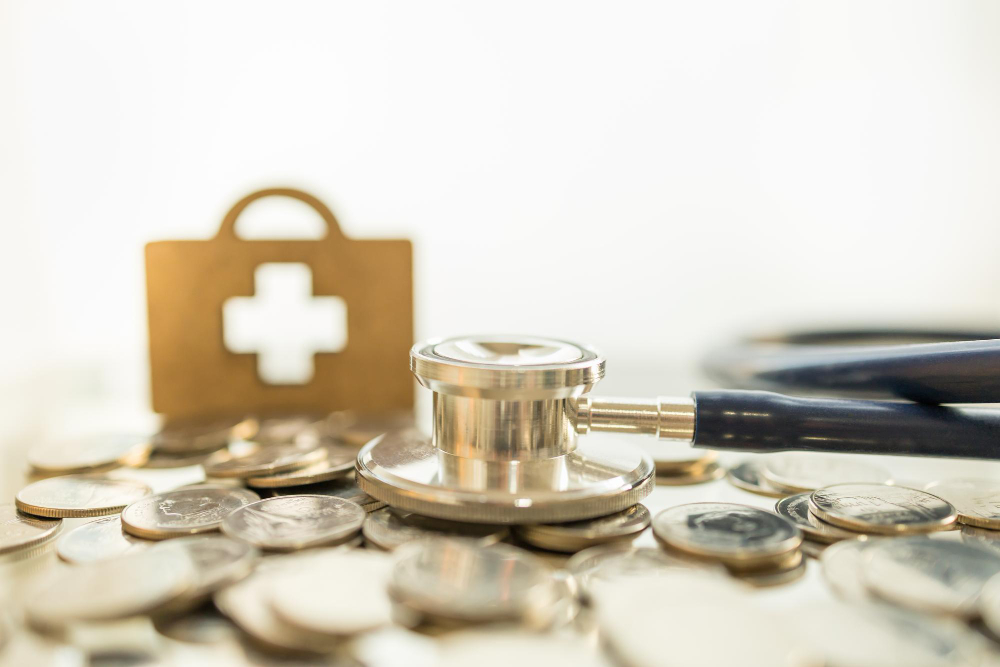
For millions of Kenyans seeking affordable healthcare, the Ksh177 billion allocation offers hope of better medicines, better-equipped hospitals and wider access to care.
Kenya has unveiled its largest-ever health budget allocation, setting aside Ksh177.2 billion in the 2026/27 financial year as part of a record Ksh4.82 trillion national budget, a move that the government says will accelerate Universal Health Coverage (UHC), strengthen frontline healthcare services and protect critical programs against growing financing pressures.
The allocation represents a sharp increase from approximately Ksh138.1 billion in the previous financial year and positions health among the biggest winners in Treasury Cabinet Secretary John Mbadi’s first full budget under the broad-based administration.
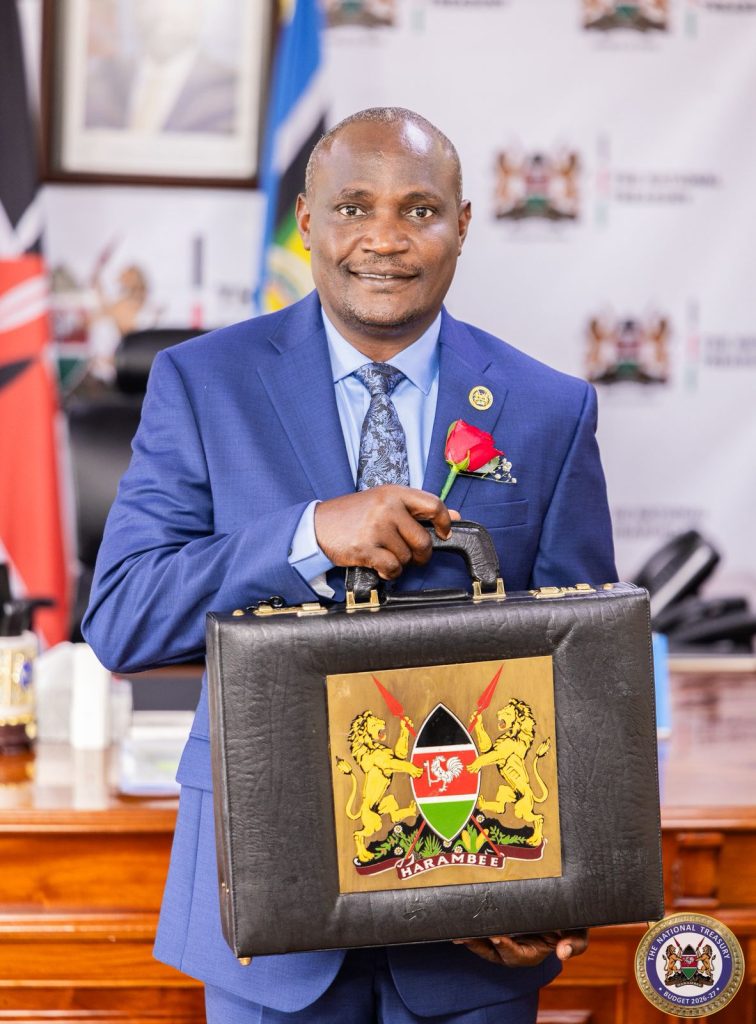
Speaking while presenting the budget highlights in Parliament on Thursday, June 11, Mbadi said the increased investment reflects the government’s commitment to expanding access to quality healthcare while strengthening the country’s health systems.
“This budget is about balancing today’s pressures with tomorrow’s opportunities, protecting economic stability while investing in the sectors that will drive growth, jobs and prosperity for Kenyans,” Mbadi said. “Despite the growing global uncertainty, Kenya remains focused on creating jobs, supporting businesses and improving public services while safeguarding fiscal sustainability.”
Health received 6.1 per cent of total ministerial allocations, with much of the funding directed toward primary healthcare, disease control, health workforce development and protection of vulnerable populations.
At the centre of the allocation is Ksh19.1 billion for the Primary Healthcare Fund, underscoring the government’s continued shift from curative, hospital-centred care toward preventive and community-based services. The fund finances essential services delivered at lower-level health facilities and is expected to support the growing network of Primary Care Networks across the country.
Medical interns have received Ksh9.3 billion, addressing long-standing concerns around delayed postings and inadequate internship financing
Another Ksh18.5 billion has been allocated to Global Fund-supported programs targeting HIV, tuberculosis, and malaria. The funding comes at a particularly sensitive moment as Kenya and other African countries confront uncertainty following reductions in foreign aid and donor-supported health programs.
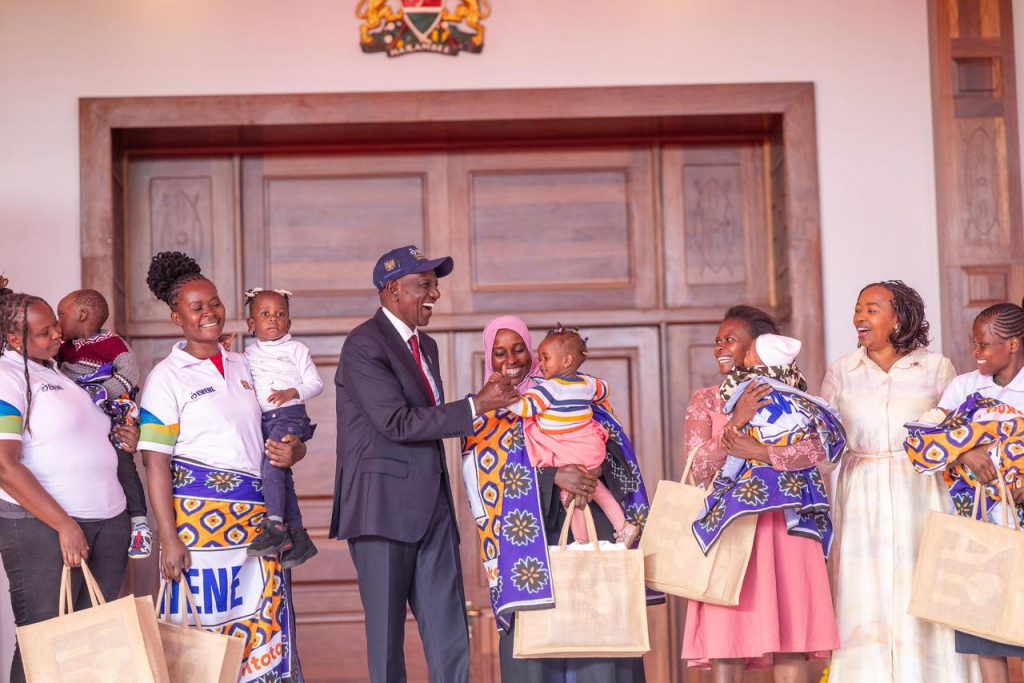
For millions of Kenyans living with HIV, tuberculosis, and malaria, the allocation offers reassurance that lifesaving medicines, diagnostics and treatment programs remain a government priority even as the country gradually seeks greater domestic financing for health.
The budget also allocates Ksh6.4 billion for vaccines and immunisation programs, a crucial investment as Kenya prepares for its eventual transition away from donor-supported vaccine financing and seeks to maintain gains made in childhood immunisation.
Health workers also emerge as major beneficiaries. Treasury has allocated Ksh9.3 billion for medical interns, addressing long-standing concerns around delayed postings and inadequate internship financing for newly qualified doctors, nurses, pharmacists and clinical officers. According to Mbadi, 16,810 medical interns have already undergone internship, bringing healthcare services closer to communities.
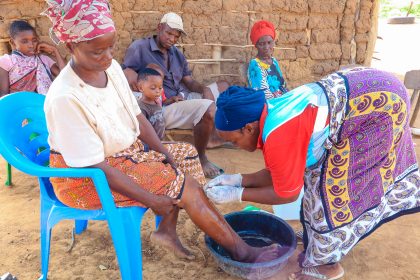
An additional Ksh8.6 billion has been allocated for salaries for UHC staff, while Ksh10.9 billion has been earmarked for the Kenya Medical Training College (KMTC), signalling continued investment in training and retaining the healthcare workforce required to sustain UHC.
Community Health Promoters (CHPs), who increasingly form the foundation of Kenya’s preventive healthcare strategy, will receive Ksh3.2 billion and Ksh396 million for stipends and medical insurance. Mbadi said 107,831 CHPs have already been recruited and trained, while 228 Primary Care Networks have been established and operationalised across the country.
The budget also allocates Ksh4.8 billion for the Building Resilience and Responsive Health Systems Project and Ksh3.8 billion for reproductive, maternal, newborn, child and adolescent health services.
Ksh1 billion has been allocated for the construction of a Cancer Centre at Kisii Level 5 Hospital
For patients facing catastrophic healthcare costs, Treasury has set aside Ksh3 billion for the Emergency, Chronic and Critical Illness Fund. The allocation is expected to provide financial protection for patients requiring expensive treatment for conditions such as cancer, kidney disease and other chronic illnesses that frequently push households into financial hardship.
Cancer care receives significant attention throughout the budget. Kenyatta National Hospital will receive Ksh300 million to strengthen cancer management services, while Ksh150 million has been allocated for the expansion of the Comprehensive Cancer Centre at Kenyatta University Teaching, Referral and Research Hospital.
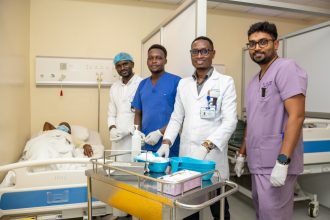
Treasury has further allocated Ksh1.5 billion for construction and strengthening of cancer centres across the country in a bid to decentralise oncology services and reduce congestion at major referral hospitals, with Ksh1 billion allocated for the construction of a Cancer Centre at Kisii Level 5 Hospital.
Infrastructure investments extend beyond cancer treatment. Kenyatta National Hospital will receive Ksh470 million for construction of a Burns and Paediatric Centre and another Ksh300 million for renovation works and replacement of obsolete equipment. Meanwhile, Moi Teaching and Referral Hospital has been allocated Ksh2 billion for construction of a 2,000-bed multi-speciality complex aimed at expanding specialised healthcare services in western Kenya and neighbouring regions.
The Health Insurance Subsidy Programme for orphans and vulnerable children will receive Ksh430 million, providing support to some of the country’s most disadvantaged groups.
Behind the scenes, the budget also strengthens the institutions responsible for delivering healthcare. The Kenya Medical Supplies Authority (KEMSA) has been allocated Ksh20.9 billion to strengthen procurement and distribution of medicines and medical commodities, while the Kenya Medical Research Institute (KEMRI) will receive Ksh3.1 billion for research and innovation.
31.2 million Kenyans are now registered under the SHA, compared to about eight million beneficiaries under the defunct NHIF
Other allocations include Ksh1.3 billion for the Integrated Reproductive Health Programme, Ksh500 million for family planning and reproductive health commodities, and Ksh600 million for equipment at the National Blood Transfusion Service.
Mbadi also highlighted progress made over the past year under ongoing health reforms. According to Treasury, 31.2 million Kenyans are now registered under the Social Health Authority (SHA), compared to about eight million beneficiaries under the defunct National Hospital Insurance Fund.

He further said the Ksh4 billion allocated in 2025/26 for settlement of verified NHIF pending bills owed to contracted healthcare facilities would be fully paid before the end of the current financial year.
Beyond healthcare financing, the proposed Finance Bill 2026 also presented yesterday contains several tax measures with direct implications for public health and patient affordability. Among them is a proposal to exempt dialysers from Value Added Tax (VAT), a move aimed at reducing the cost of dialysis treatment.
“Dialysis remains a life-sustaining treatment for many Kenyans living with kidney disease, yet the cost of essential renal treatment equipment continues to place pressure on households and healthcare providers,” Mbadi said.
Treasury is also proposing to increase excise duty on sugar-sweetened beverages from Ksh14.14 per litre to Ksh20 per litre, while raising excise duty on tobacco products and tobacco substitutes as part of efforts to discourage consumption and reduce the burden of non-communicable diseases.
In its proposal, excise duty rates on other manufactured tobacco, tobacco substitutes, tobacco extracts and essences will be increased from Ksh11,382.48 per kg to Ksh12,550 per kg; while the excise duty rates applicable to cigars, cheroots and cigarillos containing tobacco or tobacco substitutes will be adjusted from Ksh16,260.29 per kg to Ksh18,000 per kg.
The US government has committed US$13.5 million (Ksh1.74 billion) towards health security interventions targeting Ebola
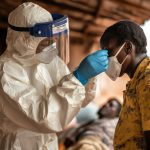
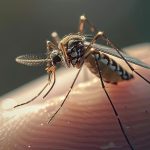
The budget also comes as Kenya strengthens its preparedness against the ongoing Ebola outbreak affecting parts of the Eastern Africa region. Mbadi told Parliament that although Kenya has not recorded a confirmed Ebola case, the government has activated the National Ebola Incident Management System to coordinate surveillance and emergency response efforts.
Enhanced screening is already taking place at airports and border points, while more than 1,000 healthcare workers have been trained and a reserve team of 241 epidemiology, laboratory and emergency response experts placed on standby.
He said the government has designated isolation and treatment facilities, including at Kenyatta National Hospital and the National Police Service Hospital, while continuing to work with the World Health Organization, Africa CDC, IGAD and the East African Community. The United States government has committed approximately US$13.5 million (Ksh1.74 billion) towards health security interventions, including disease surveillance and emergency preparedness.
Yet despite the optimism surrounding the record health allocation, questions remain about the broader sustainability of the budget.
The government plans to spend Ksh4.82 trillion while expecting to raise Ksh3.63 trillion in revenue and receive Ksh43.6 billion in grants, leaving a financing gap of roughly Ksh1.15 trillion that will largely be financed through borrowing.
The budget allocates Ksh2.08 trillion for recurrent expenditure, Ksh809 billion for development spending, Ksh428 billion to counties and Ksh1.5 trillion for debt servicing and pensions.
While the health sector’s record allocation is likely to be welcomed by patients, healthcare workers and providers, analysts caution that translating the promises into improved services will depend on actual revenue collection, efficient implementation and the government’s ability to manage growing debt obligations amid continued pressure on households and businesses.
For now, however, the Ksh177.2 billion allocation represents Kenya’s strongest financial commitment yet to Universal Health Coverage and a significant test of whether increased spending can finally deliver affordable, accessible healthcare for all.