



Depression and suicidal thoughts haunt thousands of TB patients during the six months on pills, but health system mostly treats the lungs… not the mind.
John Wainaina, a resident of Gichagi in Kangemi, spent much of last year battling a persistent cough, night sweats and rapid weight loss. Unemployed and spending most of his time in local pubs drinking cheap liquor, he made a decision that would change his life, he walked into Kangemi Health Centre seeking medical help.
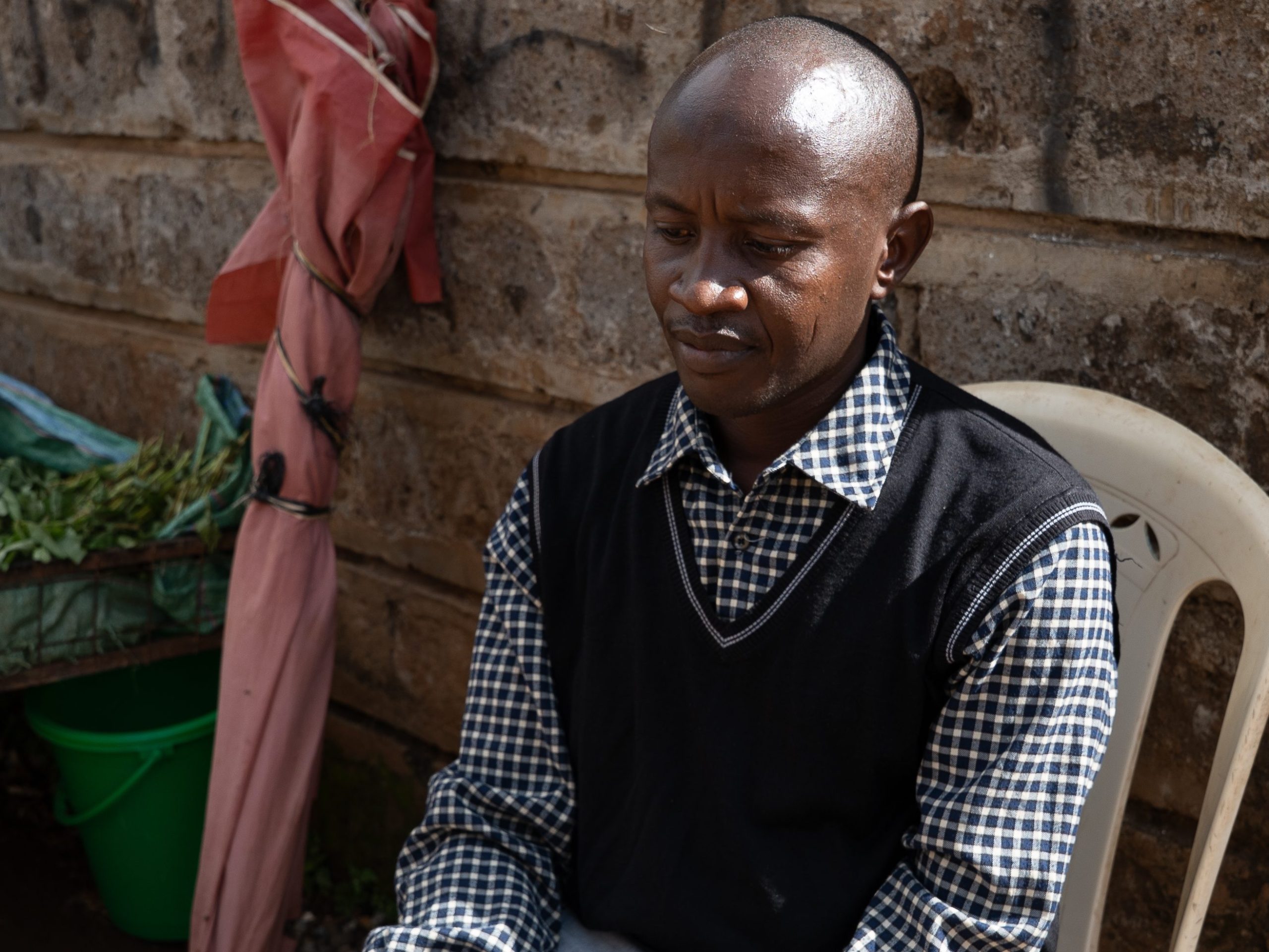
Wainaina was first tested for HIV, which came back negative. When clinicians tested his sputum, however, the result was different. “When they took my spit and tested it, they found that I had TB. I wasn’t afraid because I had been drinking, but I refused to start medication immediately,” he said.
Relieved to finally have a diagnosis, he allowed himself one last drink that evening before committing to treatment the following day. For six months, he battled the urge to return to alcohol and tobacco while faithfully taking his medication. By the end of treatment, he was TB-free and sober.
His journey was not without hardship. Wainaina, 38 and a father of one, struggled throughout treatment to feed his family. “The difficulty was getting food because the medication requires you to eat. You also have a family depending on you such that if you get even Ksh100 you have to share. So it was quite difficult,” he said.
The psychological weight was equally heavy. He thought often about death, and about what people would say once they learnt of his condition. “But I had to get strong and not hide it from people by speaking about it openly,” he said.
Depression often causes poor TB treatment compliance, reduced quality of life, and increased mortality
Kenya is among the top 30 high-burden tuberculosis countries globally, recording an estimated 124,000 TB cases in 2023. Yet despite this significant burden, mental health care is not integrated into TB treatment in the country, a gap that health experts say is worsening patient outcomes.

Studies show that TB patients have a high likelihood of developing depression, driven by a combination of biological inflammation, the intense side effects of long-term treatment, severe social stigma, and economic stress. Depression is recognised as a TB co-morbidity that often causes poor treatment compliance, reduced quality of life, and increased mortality.
Dr Nkirote Mugambi-Nyaboga, who leads the Lung Health portfolio and serves as Chief of Party of the Tamatisha TB Programme at the Centre for Health Solutions (CHS), puts the scale of the problem in stark terms. “When you think about depression and mental health, we have about 30 per cent of Kenyans who have mental health challenges. When you go to any health facility, usually about 25 per cent of people may have a mental health condition. And a lot of that is depression and anxiety,” she said.
Among TB patients specifically, the figures are even more alarming. According to Dr Nyaboga, approximately 50 per cent of TB patients have a mental illness, a proportion significantly higher than in the general population.
The consequences of untreated mental illness within this group are serious. “The patient will usually have a sense of hopelessness, the lack of the need to take care of themselves,” she said, explaining how depression leads directly to treatment interruption.
TB patients are living with fear, isolation, and rejection even from their family members
The challenge is compounded by the double stigma that TB patients face. “Many people stigmatise patients who are mentally unwell. So, when you combine a chronic illness like TB and another chronic illness like mental health, then what you find is a lot of these patients are living with fear, isolation, and rejection even from their family members,” Dr Nyaboga said. Over time, she added, many develop suicidal thoughts and some act on them.
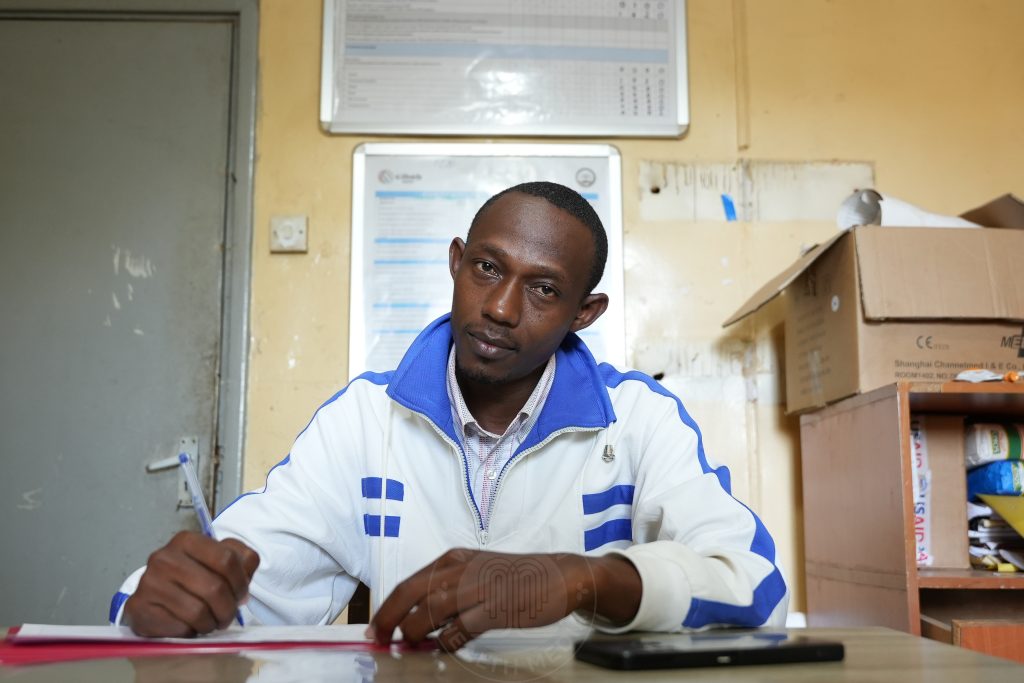
Josephat Asande was diagnosed with TB a decade ago. The first two months of treatment were the hardest. “By that time, you haven’t gotten used to the medicine, and you have to take three tablets every day without failure. I had side effects like headache, but they reduced as time went on,” he said.
What made the difference for Asande was family support. Unemployed and living with his brother at the time, he was never left to navigate the illness alone. “My brother was with me the entire time as I moved from hospital to another until I was diagnosed with TB. Even when I started treatment, he made sure he took me to the hospital to collect my drugs or collect the drugs himself on my behalf,” he said.
He was also supported by TB champions, peer advocates who regularly checked in to remind him to collect his medication from Kangemi Health Centre. Asande believes such peer support is critical, particularly in the early days of diagnosis. “The first day when a patient is diagnosed with TB, they think they are alone, as there may not be another patient living near them. But when they see other patients around, the patients feel encouraged to continue with their treatment,” he said.
Kangemi Health Centre has a mental health clinic twice a week, but is independent of TB programme
During his own treatment, Wainaina attended monthly meetings for TB patients at Kangemi Health Centre, where clinicians monitored treatment progress and offered encouragement. “At the meetings, they would give us Ksh500 for lunch, and they would also speak to us to encourage us not to give up with the medication. They would even visit our homes to see how we are faring,” he said.

Kangemi Health Centre does have a mental health clinic that runs twice a week, though it operates independently of the TB programme. “Whenever we have a patient requiring mental health care, we refer them to the clinic,” said Asande. The arrangement is a workaround rather than a solution, as referral is not the same as integration.
Kenya’s National TB Programme has yet to formally integrate mental health into its TB programming. Its 2023-2028 strategic plan references strengthening diagnostic and care approaches for non-communicable disease patients, including those with mental health conditions, who are presumed to have TB, and similarly for TB patients with NCDs. There is, however, no specific mention of integration.
Screening for TB alongside chronic lung diseases, mental health and malnutrition in Kiambu County
For drug-resistant TB, psychological screening is already embedded in national guidelines and protocols. But Dr Nyaboga points out that drug-sensitive TB, where the patient burden is far greater, remains without such provisions. “This is where the challenge is bigger,” she said.
The Tamatisha TB Programme, funded by the US Department of State and operating under CHS, is currently piloting an integrated approach in Kiambu County, screening for TB alongside chronic lung diseases, mental health conditions, and malnutrition. The early results are striking. “We discovered over 1,800 new patients in one year who have mental health issues who were never diagnosed before. So the point here is, there’s a lot of mental illness in our settings. When you add TB to the mix, you find that that proportion is much higher,” Dr Nyabuga said.

She advocates for a clear starting point: universal mental health screening for every TB patient. “Do you have anxiety disorders? Do you have other psychiatric disorders? When that kind of screening is done within the setting of TB care, it would go a long way in identifying patients who have TB and mental health conditions and ensuring that they are managed earlier on,” she said.
Dr Nyaboga hopes the Tamatisha Programme’s work in Kiambu will lay the groundwork for a broader national partnership with the government, one that finally brings mental health care into the mainstream of TB treatment across Kenya.
For patients like Wainaina, that integration cannot come soon enough. He survived TB and overcame addiction largely through his own resolve. Many others, with less support and fewer resources, are not so fortunate.