




Parents watch for dehydration. They miss the kidneys. For millions of children, acute kidney injury is the uninvited guest that turns a treatable stomach bug into a terminal diagnosis.
What is acute kidney injury?
Acute kidney injury (AKI) is the sudden loss of kidney function occurring over hours to days. Unlike chronic kidney disease, which develops gradually over months or years, AKI can strike rapidly in an otherwise healthy child and become life-threatening within a short time.
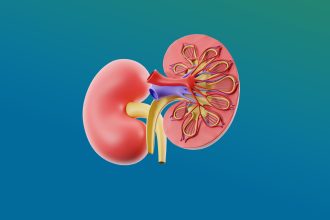
The kidneys perform several essential functions: they remove waste products from the blood, regulate body fluids, maintain electrolyte balance, help control blood pressure, and produce hormones necessary for red blood cell production and bone health. When kidney function suddenly deteriorates, all of these processes become compromised.
Clinicians diagnose AKI using criteria developed by the organisation Kidney Disease: Improving Global Outcomes (KDIGO), based on either a rapid rise in serum creatinine levels or a reduction in urine output.
How common is it in children?
AKI is far more common in children than many people realise. A 2023 systematic review and meta-analysis of 94 studies involving more than 202,000 children from 26 countries found that about 26 per cent of hospitalised children develop some form of AKI, while approximately 14 per cent develop moderate to severe disease. Globally, AKI-related mortality affects about 11 per cent of paediatric patients, with significantly higher death rates in low- and middle-income countries.

In Kenya, data from Kenyatta National Hospital (KNH) reflects this burden closely. A 2025 study found that 19.9 per cent of children admitted to general paediatric wards had AKI, meaning nearly one in every five admissions. Among those children, 25.4 per cent required dialysis and the mortality rate reached 23.4 per cent, compared to 9.6 per cent among children without AKI.
The burden is even higher among the most vulnerable. A KNH neonatal study found AKI in 36.1 per cent of newborns studied, while a separate study of critically ill children found that 100 out of 117 patients had AKI, a prevalence of 85.5 per cent.
What causes AKI in children?
AKI is grouped into three types depending on where the problem originates.
Pre-renal AKI is the most common, accounting for approximately 50 to 60 per cent of cases. It develops when blood flow to the kidneys is reduced, limiting their ability to filter waste. In children, the most frequent triggers are severe diarrhoea and vomiting, dehydration, blood loss, burns, pneumonia, heart failure and sepsis. This form is often reversible when treated promptly. As Dr Shamsa Yahya, Consultant Paediatrician and Paediatric Nephrology Fellow at the University of Nairobi, explains: “Reduced kidney perfusion can occur because children lose excessive fluids through diarrhoea, vomiting or fever. If intervention happens promptly, kidney function can recover completely.”

Intrinsic or renal AKI occurs when the kidney tissue itself is damaged. This can result from nephrotoxic medications, including certain antibiotics and commonly used pain relievers such as ibuprofen and diclofenac, as well as conditions including glomerulonephritis, lupus nephritis, kidney infections, haemolytic uraemic syndrome, tumour lysis syndrome and sepsis-related inflammation. One of the most common mechanisms is acute tubular necrosis, which develops when pre-renal AKI is left untreated for too long. Prolonged oxygen deprivation eventually damages the kidney cells themselves.
Post-renal AKI accounts for approximately 5 to 10 per cent of cases and occurs when urine cannot drain normally due to a blockage in the urinary tract. Causes include congenital abnormalities, posterior urethral valves, kidney stones, neurogenic bladder and tumours. Removing the obstruction early often allows kidney function to recover.
What are the warning signs?
Common warning signs of AKI in children include reduced urine output, swelling of the face, legs, hands or abdomen, fatigue, poor feeding, nausea and vomiting, high blood pressure, shortness of breath, irritability and, in severe cases, confusion or seizures.

However, reduced urine output is not always present. “A child may still pass urine and yet have significant kidney injury. That is why laboratory testing remains essential,” Dr Yahya cautions. Parents and caregivers should seek medical attention promptly if a child has persistent diarrhoea or vomiting, a high fever, signs of dehydration, unusual swelling, or a marked change in behaviour or alertness.
How is it diagnosed?
Diagnosis combines clinical assessment with laboratory investigations. Key tests include blood urea levels, serum creatinine measurements, electrolyte testing, urinalysis, kidney and urinary tract ultrasound scans and full blood counts. Urinalysis can provide useful clues: concentrated urine may point to dehydration-related AKI, while blood in the urine may suggest glomerulonephritis. Blood pressure monitoring is equally important because hypertension frequently accompanies severe kidney injury.
How is it treated?
Treatment begins with identifying and addressing the underlying cause. “If the child has sepsis, we treat the infection. If the injury is caused by nephrotoxic drugs, those medications should be stopped. If there is an obstruction, it must be relieved,” Dr Yahya explains.

Fluid management is central to recovery. Clinicians monitor every millilitre of fluid entering and leaving the child’s body, with daily weight measurements used to assess fluid status. Treatment may also include rehydration therapy, antibiotics, correction of electrolyte imbalances, blood pressure control and nutritional support. Because AKI places the body in a highly catabolic state, adequate calorie and protein intake is essential, often requiring input from nutrition specialists.
Children with severe kidney failure may require dialysis. The most practical option in low-resource settings is peritoneal dialysis, which uses the lining of the abdomen as a natural filter. It is relatively inexpensive, does not require vascular access, and does not typically cause alterations in a child’s haemodynamic stability.
Can AKI be prevented?
Many cases are preventable. Prompt treatment of diarrhoea, dehydration and infections, improved maternal healthcare, avoidance of harmful herbal remedies, careful use of nephrotoxic medications, and malaria prevention through insecticide-treated nets all reduce the risk significantly.
What happens after recovery?
Recovery does not always mean the condition has fully resolved. Children who survive severe AKI face a higher risk of developing chronic kidney disease later in life. Persistent hypertension affects about 16 per cent of survivors and proteinuria affects around 20 per cent. For this reason, follow-up care is essential, with children typically reviewed at two weeks after discharge, then at three months, six months and annually thereafter.
Sources: University of Nairobi Paediatric AKI Webinar (Dr Shamsa Yahya), ResearchGate, PubMed 2023
This article was first published by Willow Health Media on August 3, 2026.
















Very well researched and simple to comprehend.