
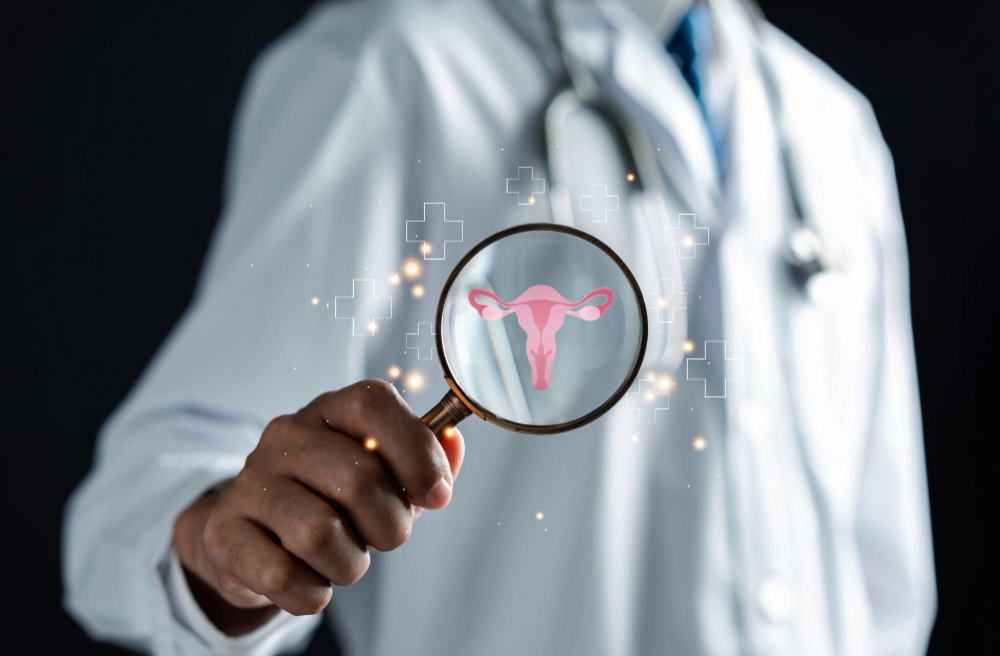

Many women face long delays between screening and treatment, especially in underserved counties where access to specialists and pathology services is limited.
For years, the story has repeated itself in homes and hospitals across Kenya. A woman ignores a lump because she cannot afford transport to the nearest hospital for tests. A young woman delays screening out of fear or stigma. Elsewhere, a mother moves from one facility to another, waiting weeks or months for a diagnosis that comes too late.
Across Kenya, breast and cervical cancers are not only being driven by disease, but also by fear, stigma, delayed diagnosis, and the crushing financial burden of accessing care. Health experts now say those hidden barriers are among the biggest reasons why thousands of Kenyan women continue to die from cancers that are often preventable or treatable when detected early.
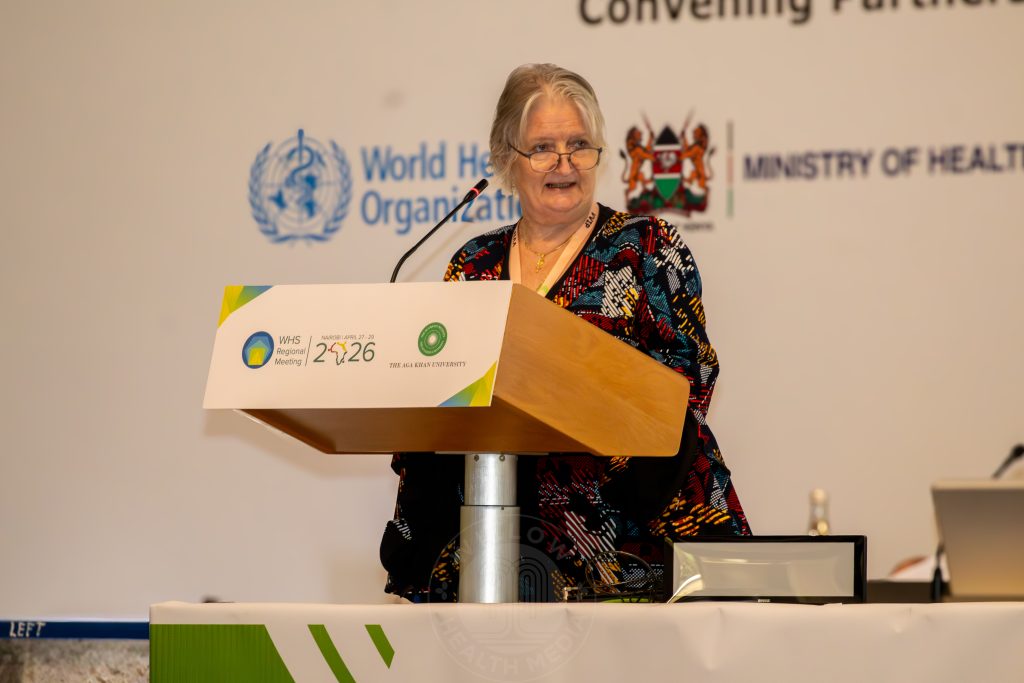
It is against that backdrop that Aga Khan University and the World Health Organization (WHO) have launched a landmark collaborative framework aimed at transforming breast and cervical cancer care in Kenya and across Africa. Unveiled during the World Health Summit Regional Meeting on April 29, 2026, the initiative seeks to strengthen early detection, diagnosis, treatment, workforce training, and implementation research focused on women’s cancers.
“Today, we are launching a new era in women’s cancer prevention and care,” said Prof Marleen Temmerman, Director of the Centre of Excellence in Women and Child Health at Aga Khan University. “Breast and cervical cancers are the silent leading killers of women in this part of the world, and this partnership gives us an opportunity to turn knowledge into action through evidence generation, capacity building and implementation research.”
Breast and cervical cancer are responsible for nearly half of all new cancer cases among Kenyan women
The partnership establishes Africa’s first WHO collaborating centre dedicated to women’s cancers, focusing specifically on breast and cervical cancer, the two diseases responsible for nearly half of all new cancer cases among Kenyan women.
Cancer remains Kenya’s second leading cause of death. According to data from the Global Cancer Observatory (GLOBOCAN), the country recorded 44,726 new cancer cases and 29,317 deaths in 2022.

Breast cancer is the most common cancer among Kenyan women, with between 6,799 and 7,243 new cases annually and more than 3,000 deaths each year. Cervical cancer is the second most common but remains the leading cause of cancer-related deaths among women.
Health experts warn that non-communicable diseases, including cancer, are placing growing pressure on Kenya’s healthcare system. According to 2024 vital statistics, non-communicable diseases now account for 61.7 per cent of all deaths, up from 52.4 per cent the previous year.
One of the biggest challenges remains late diagnosis. Cervical cancer screening coverage nationally stands at only 7.4 per cent among women of reproductive age, far below WHO’s elimination target of 70 per cent screening by ages 35 and 45. In some northeastern regions, screening rates are as low as 0.92 per cent, compared to 20.83 per cent in Nairobi.
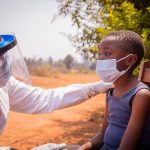
Breast cancer screening also remains limited because of low awareness, staff shortages, inadequate training, fragmented services, weak referral systems, and high treatment costs. Many women face long delays between screening and treatment, especially in underserved counties where access to specialists and pathology services is limited.
Many cervical cancer deaths are preventable through HPV vaccination, regular screening, and early treatment of precancerous lesions
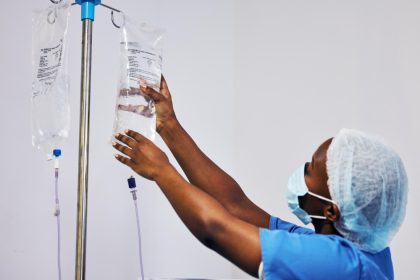
The new initiative aims to close those gaps by linking WHO global standards with Kenya’s local healthcare realities. Under the partnership, counties are expected to develop integrated “one-stop” care systems where women can be screened, diagnosed, referred, and linked to treatment more efficiently, reducing the risk of patients getting lost between facilities.
Prof Temmerman said the collaboration will focus on three major pillars: evidence generation, capacity building, and implementation research, which “will help bridge the gap between global normative standards and local delivery requirements.”
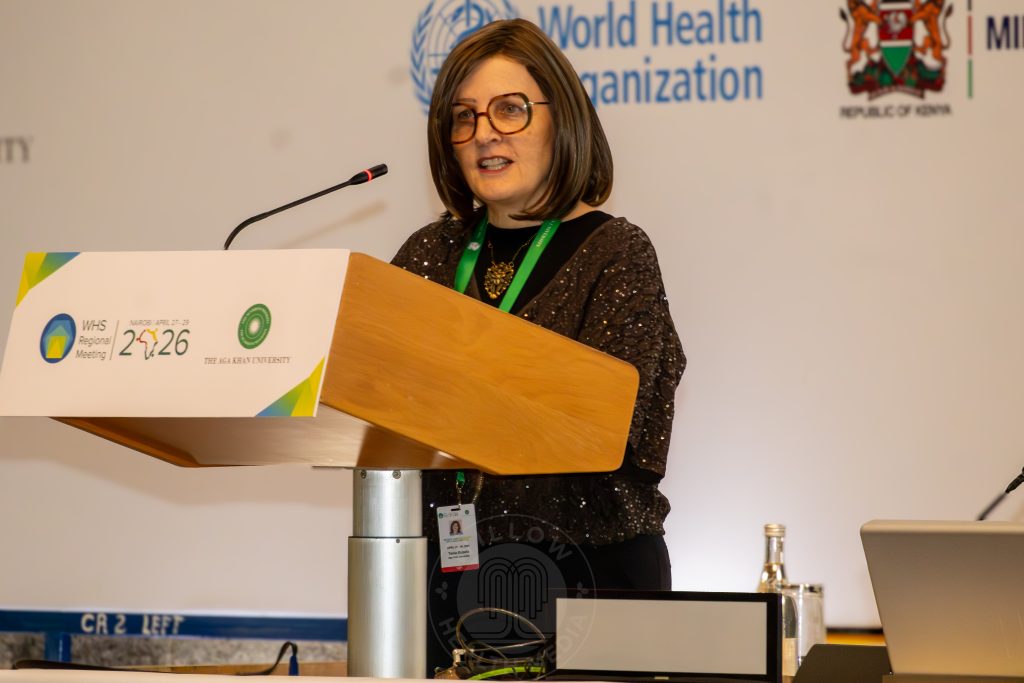
For cervical cancer especially, experts say many deaths are preventable through HPV vaccination, regular screening, and early treatment of precancerous lesions. Dr Tania Bubela, Provost at Aga Khan University, linked the initiative to Kenya’s wider health crisis.
“Non-communicable diseases are now responsible for four out of every ten deaths in this country,” she said. “Breast and cervical cancer are responsible for 7,000 premature deaths every year. Therefore, we need to understand the underpinnings of disease and create innovations in Africa, for Africans.”
Representing Health Cabinet Secretary Aden Duale, Dr Omar Abdul, Director of Health Sector Coordination and Global Health, described the partnership as a lifeline for Kenya’s healthcare system.
“This collaborative initiative is a beacon for translating global knowledge into practical, scalable solutions for Kenya and the region,” Dr Abdul said, noting that geographical inequalities, delayed diagnosis, weak cancer registration systems, and limited data collection continue to undermine patient outcomes. “This collaboration will help generate operational evidence, strengthen referral pathways, optimise radiotherapy assets, and improve diagnostic turnaround times.”
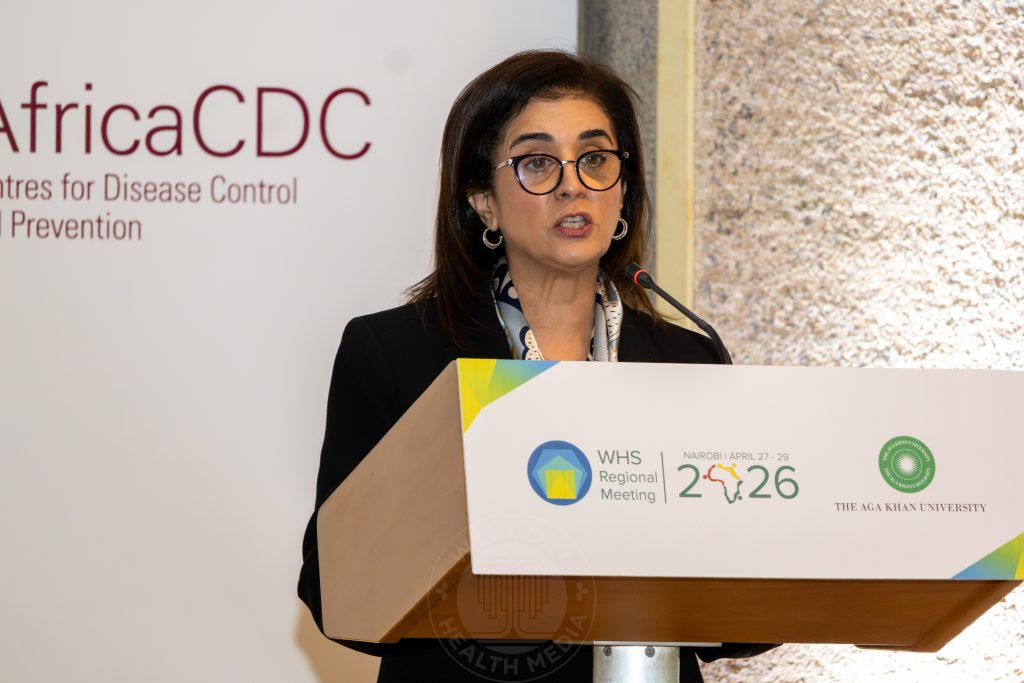
Kenya has recently expanded investments in cancer care and decentralised services since 2024, including screening programs that have reached hundreds of thousands of women. Health officials say the new partnership could help accelerate those gains by improving coordination and specialist support across counties.
WHO officials stressed that the collaboration is intended to move beyond policy discussions and deliver practical change for patients. Dr Hanan Balkhy, WHO Regional Director for the Eastern Mediterranean Region, described the launch as “a statement of shared purpose.”
“Where a woman lives should never determine whether she survives breast cancer or cervical cancer,” Dr Balkhy said.
She argued that the problem is not a lack of medical knowledge but a failure to ensure proven solutions reach communities in time.
“It is the gap between what we know and what reaches communities,” she said.
Africa’s underrepresentation in global cancer clinical trials limits access to African-specific scientific evidence
Through the partnership, Kenyan clinicians and researchers will also connect with WHO collaborating centres in Asia, the Middle East, and other regions to adapt successful cancer care models locally.
The initiative aligns with WHO’s global cervical cancer elimination strategy known as the 90–70–90 targets: 90 per cent of girls vaccinated against HPV, 70 per cent of women screened by ages 35 and 45, and 90 per cent of diagnosed patients receiving treatment.

Officials said the centre will support specialist mentorship, implementation science, integrated service delivery, and clinical research. Researchers attending the summit also highlighted Africa’s underrepresentation in global cancer clinical trials, limiting access to newer therapies and African-specific scientific evidence.
“Clinical trials in Africa are not as common as they should be,” Dr Balkhy said. “There is going to be a huge benefit in making clinical trials more robust.”
Cancer survivor and advocate Anisa Mburu urged the partnership to address not only medical barriers but also stigma and emotional support.
“Early detection changes outcomes,” she said, while warning that awareness alone is not enough. “Women need to come forward without shame.”
She said many women still delay seeking care because of fears surrounding mastectomy, marriage breakdown, social judgment, or treatment costs.
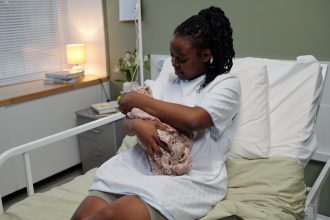
For health leaders, the success of the partnership will ultimately be measured not in policy documents or conference speeches, but in lives saved. These include women diagnosed while cancer is still curable, those referred without delay, and others beginning treatment in time to survive, raise families, and rebuild their lives.
“If you ask why women are dying, maternal mortality, cervical cancer, breast cancer, these are preventable deaths,” Prof Temmerman said.
Dr Neema Kimambo, WHO Representative to Kenya, echoed that message. “Together we can ensure that cervical cancer is eliminated and breast cancer mortality is reduced everywhere,” she said.
For many Kenyan women, the partnership represents more than a new agreement between institutions. It offers hope that a healthcare system long associated with delayed diagnosis and loss can begin shifting toward earlier detection, stronger care systems, and survival.
We believe in the free flow of information
Republish our articles for free, online or in print, under Creative Commons licence.