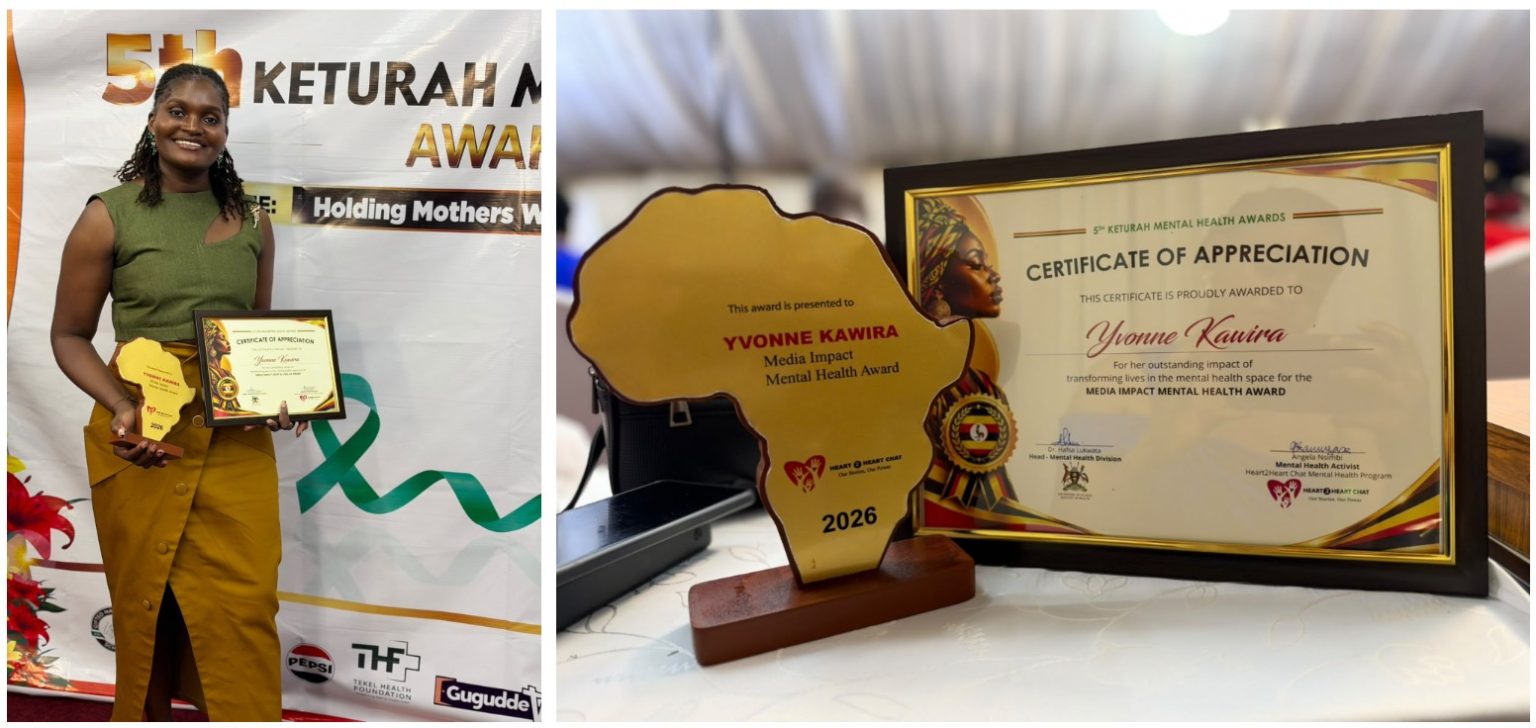

Multimedia journalist honoured at the 5th Keturah Mental Health Awards for reporting that puts children, mothers and young people at the centre of the story.
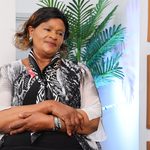
Willow Health Media journalist Yvonne Kawira has won the Media Impact Mental Health Award at the 5th Keturah Mental Health Awards in Kampala, Uganda, in recognition of reporting that places the people most easily overlooked at the centre of the story.
The award, presented on World Mental Health Day, honours a body of work spanning children, mothers, young people and the law. It ranges from a pregnant 17-year-old’s five-month struggle to secure maternity care under the Social Health Authority (SHA) to a landmark court ruling that ended the criminal penalty for attempted suicide in Kenya.
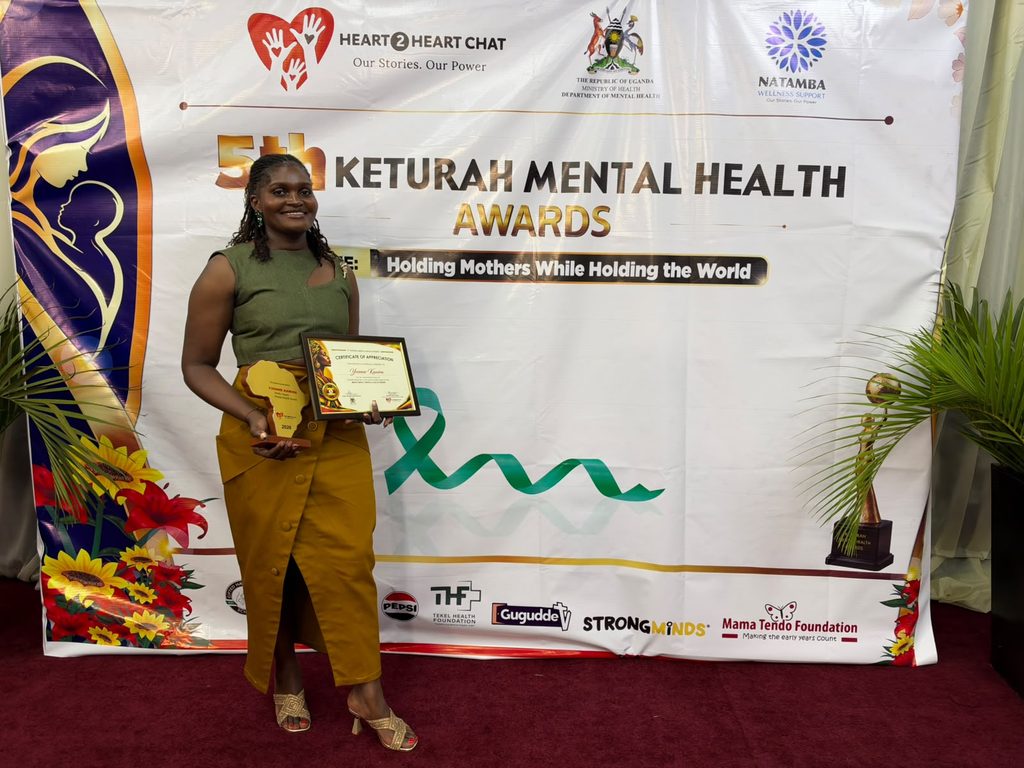
Kawira, a Kenyan multimedia health journalist and Certified Mental Health Champion, made the nominee list after organisers widened the awards this year to include Kenyan mental health champions. Her nomination rested on a conviction that a person’s pain should never be mined for a headline, a principle her submitted stories put into practice.
The ceremony took place on October 10, 2026, at the Sheraton Hotel in Kampala. It was organised by Natamba Wellness Support (NWS) and powered by the Heart2Heart Chat Mental Health Program, an arm of NWS, together with the Mental Health Division of Uganda’s Ministry of Health and partners. The initiative amplifies the voices of people with psychosocial disabilities and brings mental health issues into public view. This year’s theme was “Holding Mothers while Holding the World”.
Hidden pregnancies: Alone at 14, giving birth in the bush, surrounded by dogs at night
The awards honour individuals and organisations whose advocacy, education and work on access to services have changed lives. The organisers opened a chapter in South Africa last year before extending their reach to Kenya.
Kawira’s reporting on adolescent mothers drew some of the strongest attention. “Resilient Journeys: How pregnant teenagers navigate the SHA system” follows Jane, a 17-year-old who was six months pregnant with no parents, no medical card, and no one to accompany her to hospital. Kawira followed her for five months, from Pumwani Maternity Hospital to Njiru Health Centre and on to Mama Lucy Kibaki Hospital, through deferred referrals and half-opened doors, until Jane received her SHA identifier and the assurance that her delivery would be covered.
In “Hidden pregnancies: Alone at 14, giving birth in the bush, surrounded by dogs at night”, she reported on a girl in Narok County who was too frightened to tell any adult and delivered alone in the open. The barking of dogs saved the newborn’s life.
On families and children, “Healing Steps: How to walk children through mental health issues” offered practical guidance for adults supporting young children through mental health challenges and trauma. “Unconditional Love: ‘I refused to abandon, kill my intersex child’” told the story of a mother who stood by her child despite the pressure and stigma surrounding the intersex condition he was born with.
Treating suicide attempts as an offence had kept people from seeking help
Two further pieces dealt with data and policy. “Half of Kenya’s university students are battling mental health disorders, landmark study finds” drew on the Uzima Data Science Study, which found thousands of students carrying undiagnosed mental illness in silence.
Her coverage of the court ruling, “Kenya ends criminal penalty for suicide, opens door to prevention” and “‘Attempted suicide’ no longer a crime in Kenya, Court rules”, explained why treating suicide attempts as an offence had kept people from seeking help.
Her wider body of work includes Mackline Mokeira, a mother of three who survived a machete attack by her former husband in front of her sons and never received therapy. It also features Dalton Musamula, who once stood at the edge of ending his own life and is now part of the reason Kenya no longer treats suicide attempts as a crime, and Felix Munyi, whose teachers told him to repeat a grade because his dyslexia went unrecognised.
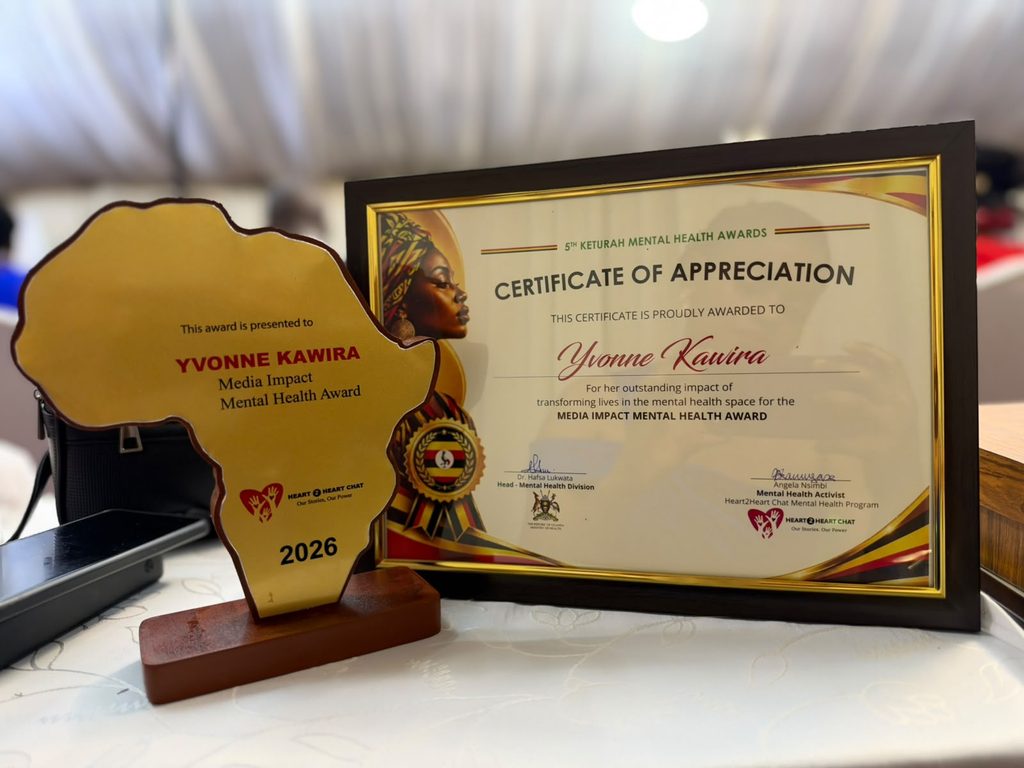
She hopes the regional award will draw attention to journalism that walks alongside people and, in time, moves mental health from stigma to policy
Kawira says she keeps returning to parents and children because mental health data rarely counts them. A depressed mother’s child who begins bedwetting again appears in no survey, and a teenage mother’s newborn has no budget line until someone registers her. In her view, the journalist’s task is to put these people back into the record and to hold institutions to account for the gaps the reporting uncovers.
She sees this year’s theme reflected in the people she covers: in Jane clutching her SHA identifier like a passport, and in every mother who has held a family together long before anyone asked how she was coping.
Kawira hopes the regional award will draw attention to journalism that walks alongside people and, in time, moves mental health from stigma to policy. She intends to keep doing exactly that.