
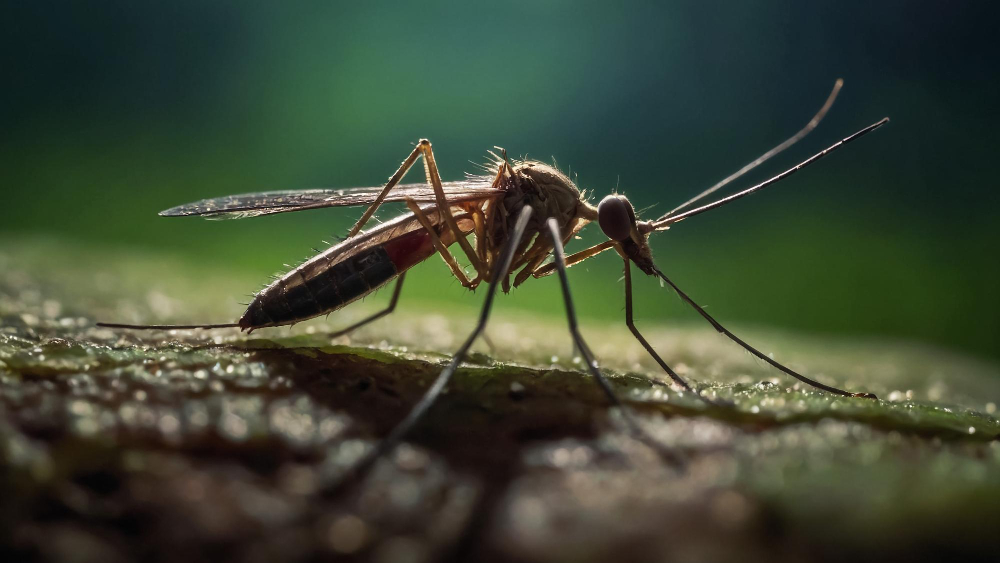

WHO has the science. Kenya has the strategy. What neither has yet is the sustained financing that elimination of malaria demands.
Kenya has made significant progress against malaria in just two years, but health officials warn the gains are fragile and the hardest stretch of the fight still lies ahead. The national malaria incidence dropped from 104 to 72 cases per 1,000 people during that period. This progress comes as the world marks World Malaria Day 2026 under the World Health Organisation (WHO) campaign that insists the tools to end malaria now exist. The question, officials say, is whether countries will deploy them consistently enough to matter.
World Malaria Day 2026 arrives under the WHO campaign theme “Driven to End Malaria: Now We Can. Now We Must” – a phrase that captures both the opportunity and the pressure facing countries like Kenya. The WHO says 47 countries have now been certified malaria-free, and 37 reported fewer than 1,000 cases in 2024. Yet the same year recorded 282 million malaria cases globally, up 9 million from 2023, and 610,000 deaths – most of them in Africa.
Kenya’s Ministry of Health (MoH) attributes the national decline to community health promoters, stronger referrals, early testing, and improved treatment adherence. More than 107,000 Community Health Promoters are now supporting early case detection, household-level referrals, and preventive services.
Cabinet Secretary for Health, Aden Duale, said the shift represents a structural change in how the country fights the disease: “This progress is important because it shows the fight is no longer confined to hospitals and campaigns. It is increasingly being pushed into homes, villages, dispensaries, and community networks, where the disease is first spotted and often first prevented.”
The national malaria strategy for 2023–2027 sets ambitious targets: an 80 per cent reduction in incidence, a 90 per cent cut in mortality, and an interruption of indigenous transmission in selected counties by 2028. But officials acknowledge that coastal and lake-endemic areas remain under heavy pressure, where malaria continues to drive under-five illness, maternal risk, school absenteeism, and household poverty.
Eliminating malaria requires long-term planning, stronger data and collaboration across government, counties, private sector
Duale has been clear about what sustaining the gains will require: “Kenya cannot win the malaria battle with one-off interventions. Elimination requires long-term planning, stronger data and collaboration that cuts across government, counties and the private sector.”
Principal Secretary for Public Health, Mary Muthoni, echoed that message. “Malaria is preventable and treatable, yet it remains a leading cause of illness and death in the country,” she said, reaffirming the government’s commitment to proven interventions, expanded community health outreaches, and access to essential medicines. “Together we can develop and sustain a coordinated response to eliminate malaria and help communities to thrive,” she added, stressing that the government cannot deliver elimination alone.
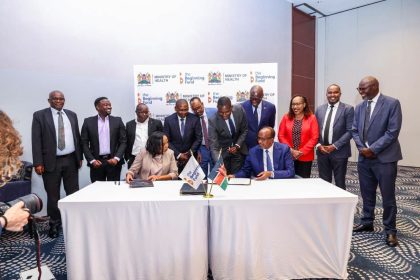
The Ministry has called for deeper, strategic, and long-term collaboration with the private sector, describing partnership not as a preference but as a prerequisite for sustained gains.
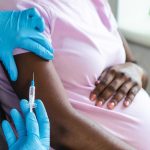
Across Africa, the WHO is pushing malaria vaccines as the next layer of that response. Vaccines are now being rolled out in 25 countries, and Prof Mohamed Janabi, WHO’s Regional Director for Africa, described the development as “a major scientific and public health breakthrough.”
He said the fight has long depended on layered tools – mosquito nets, indoor spraying, testing, treatment, surveillance, and community action – and that vaccines now strengthen that combination. “Our current framing suggests the next phase is not about inventing new solutions, but about making existing ones reach more people more consistently,” Prof Janabi said.
Beyond fever, malaria can cause fatigue, impaired consciousness, convulsions, bloody urine, jaundice
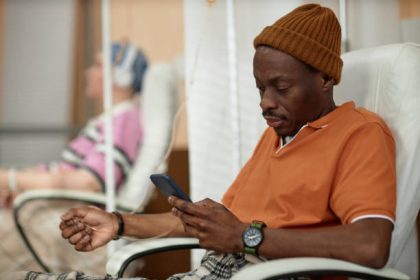
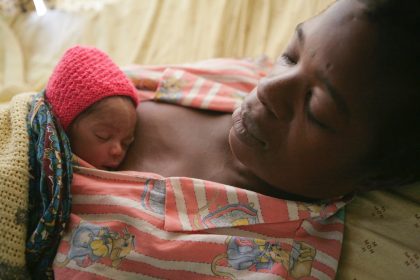
The WHO has been direct about what malaria does when it is not caught early. Beyond fever, the disease can cause extreme tiredness and fatigue, impaired consciousness, multiple convulsions, difficulty breathing, dark or bloody urine, jaundice – a yellowing of the skin and eyes – and abnormal bleeding. Children under five and pregnant women face the greatest risk, and the WHO says prevention, diagnosis, treatment, and vaccination must work together to protect the most vulnerable.
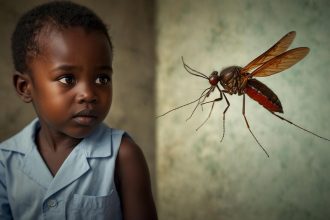
For Kenya, the data show a system that can work when community structures are active, and prevention becomes routine rather than reactive. But officials, clinicians, and global health bodies agree on one conclusion: the progress made so far will only hold if investment, coordination, and public awareness continue without interruption.
As Duale has put it, malaria control is ultimately a test of accountability, and Kenya’s elimination targets will be decided not by a single campaign, but by whether the country sustains its effort long after World Malaria Day has passed.
We believe in the free flow of information
Republish our articles for free, online or in print, under Creative Commons licence.