

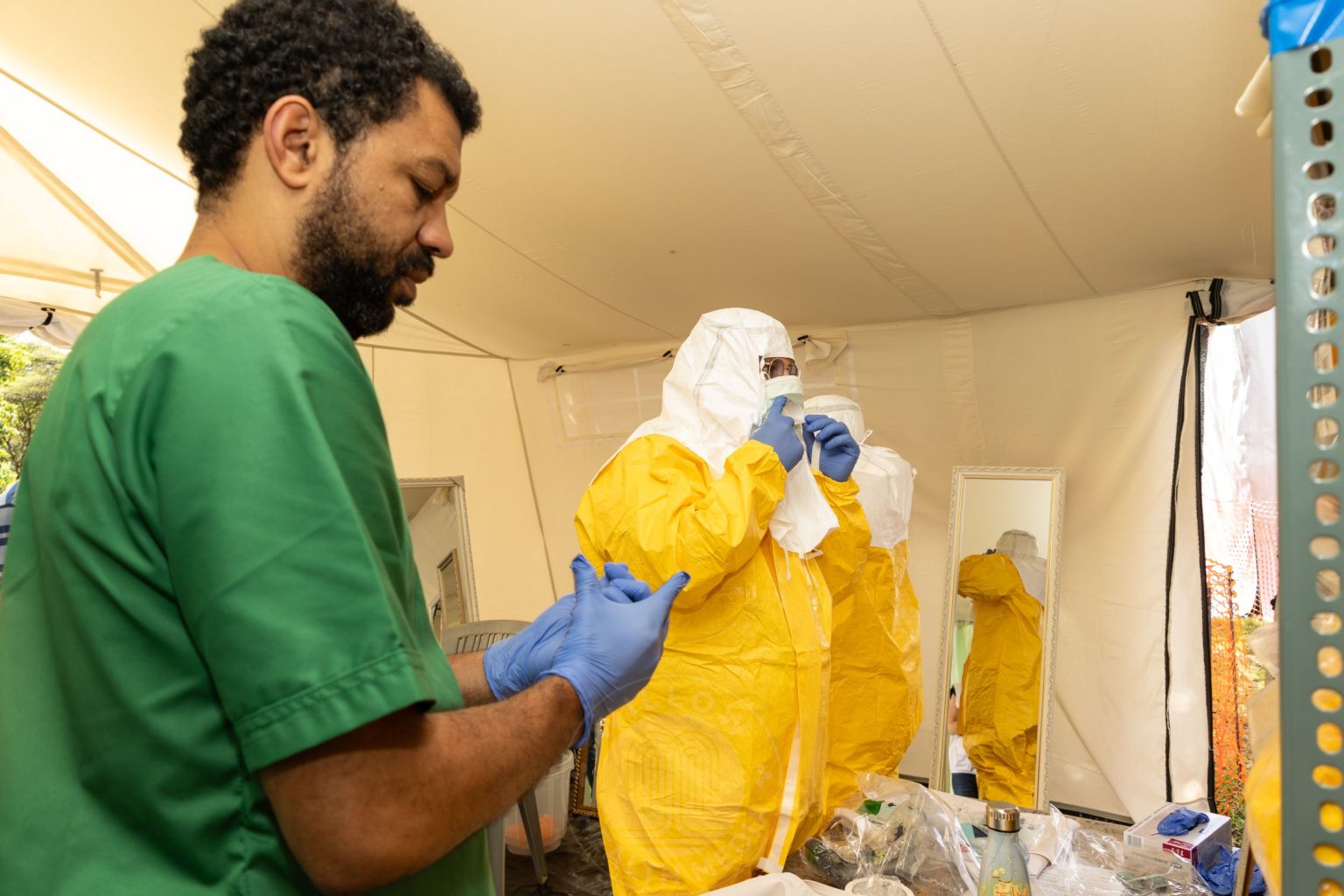

Inside the Nairobi simulation centre, the drills are running, chlorine is ready, MSF is training Africa’s frontline workers to rely on the only tools that work.
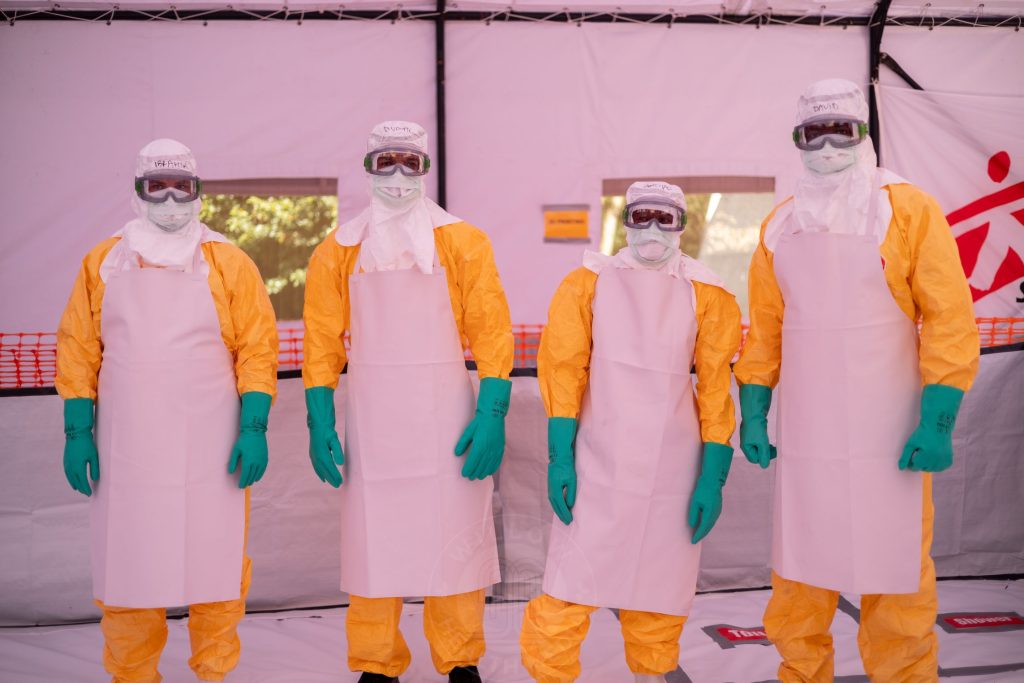
One afternoon in Nairobi, inside a simulation facility, a healthcare worker stood at the edge of a low-risk zone and began to dress. Scrubs first, then boots, then an apron. A gown. A hood. Goggles, followed by a face shield. A colleague watched throughout, because the human eye cannot see its own blind spots, and a gap in a glove cuff is not a mistake that announces itself.
The facility, set up by Médecins Sans Frontières (MSF) in Nairobi, is a simulation centre, a dry rehearsal space where hundreds of Kenyan and international healthcare workers are learning, through repeated physical practice, what it takes to contain one of the most lethal pathogens on earth.
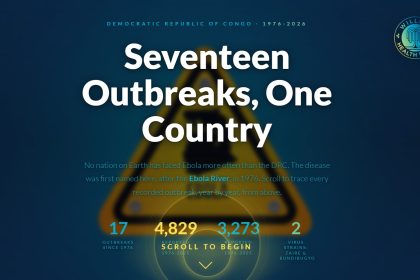
The Bundibugyo strain of Ebola has been spreading rapidly through eastern Democratic Republic of Congo (DRC), crossing into Uganda and placing every neighbouring country, including Kenya, on high alert.
On May 5, 2026, WHO was alerted to a high-mortality outbreak of unknown illness in Mongbwalu Health Zone, Ituri Province, DRC, including deaths among health workers. Laboratory analysis confirmed Bundibugyo virus disease on May 15. That same day, the DRC Ministry of Public Health officially declared the country’s 17th Ebola outbreak.
Within 24 hours of each other on May 15 and 16, two laboratory-confirmed cases with no apparent link were reported in Kampala, Uganda, among individuals who had travelled from DRC. On May 17, the WHO Director-General determined that the outbreak constituted a Public Health Emergency of International Concern under the International Health Regulations.
In the absence of a vaccine, containment depends on isolation, contact tracing, safe burials, personal protective equipment
On May 28, WHO recommended against the use of the rVSV-ZEBOV vaccine, which is effective against the more familiar Zaire strain, citing low evidence that it provides cross-protection against Bundibugyo. In the absence of a vaccine, containment depends entirely on the oldest tools in outbreak response: isolation, contact tracing, safe burials, personal protective equipment, and the disciplined behaviour of health workers who understand exactly what they are dealing with.
The numbers have continued to climb. As of June 15, the DRC Ministry of Health reported 837 confirmed cases, including 196 confirmed deaths, with 376 individuals hospitalised in isolation. Ituri remains the most affected province, with 767 confirmed cases across 20 health zones. By the same date, Uganda had reported 19 confirmed cases and two deaths.
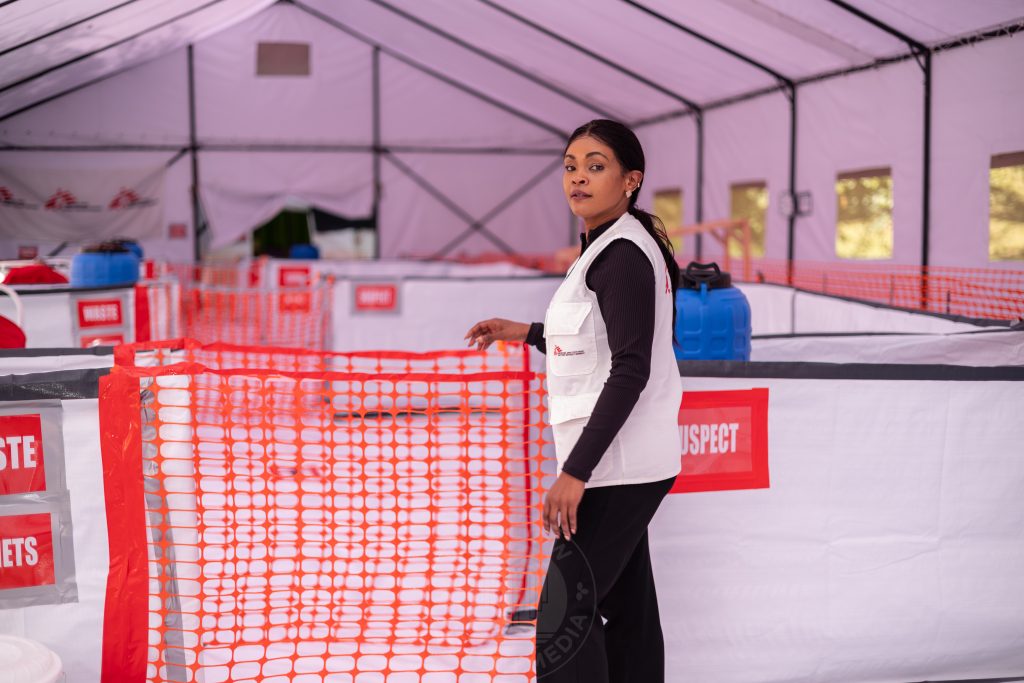
The MSF simulation centre in Nairobi was conceived against this backdrop. Angela Thiong’o, the project coordinator, said the centre was set up to equip healthcare workers with the skills and knowledge needed to respond effectively and safely to the epidemic.
“The priority right now is to train MSF staff first, from Kenya and from all over the world, so that they will be ready for deployment. But then later on, we are going to extend the training to Ministry of Health staff and to other international organisations,” she said.
Inside, the building has been transformed according to a principle that governs every Ebola treatment centre in the world: movement flows in one direction only, from less risk to more, and the two streams never cross. At the entrance sits a screening point. Beyond it are rooms for suspected cases, patients whose results are still pending. Each occupies an individual room with their own bed, bucket and water container. Shower and toilet facilities are never shared, because if one patient does not have Ebola and another does, shared facilities become the bridge between them.
Managing Ebola is as much a challenge of architecture and human psychology as it is of clinical medicine
If a test comes back negative, the patient exits through a dedicated decontaminating shower, what the staff call, without irony, the happy shower, and returns directly to the low-risk zone. If the test comes back positive, the patient crosses the red line.
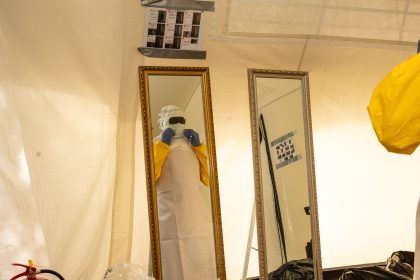
What the training reveals, over hours of walk-throughs and scenario-driven drills, is that managing Ebola is as much a challenge of architecture and human psychology as it is of clinical medicine.
When a confirmed patient dies in the confirmed case area, the body is placed in a bag positioned so the zip opens at the head. The face is wiped with chlorine solution. The eyes are gently closed. The zip is opened just enough, and the family is brought to a safe distance to see the face of their loved one. It is a small thing, made enormous by everything around it. A family that cannot confirm with their own eyes that the person inside the body bag is their loved one may reject burial protocols. A burial outside protocol spreads the virus. The two things are not separate problems. They are the same problem.
The process of removing protective gear, known as doffing, is, by the assessment of many who have trained for this work, harder than putting it on. The trainers call the removal sequence the dance. Taking off contaminated gear is the moment of greatest risk, when a single lapse of attention can undo everything the protocols inside the high-risk zone were designed to protect. Tear-away aprons go straight into vats of chlorine. Goggles pass through a three-stage dipping process. Boots come off at the demarcation line. By the hundredth time, the sequence should require no conscious thought.
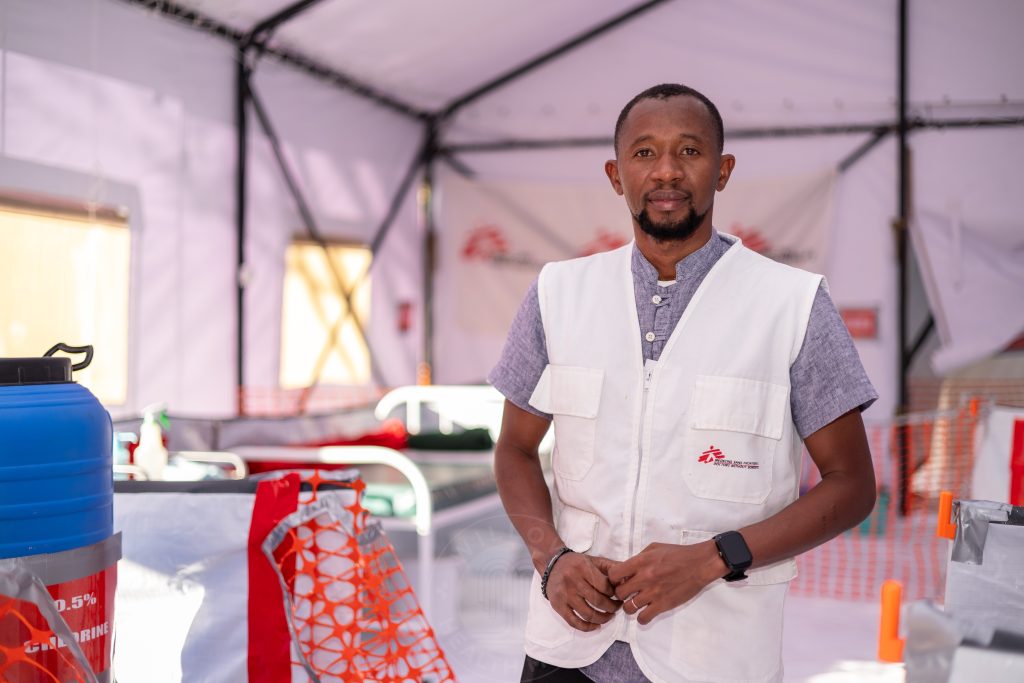
Andre Kamano, a water and sanitation specialist with MSF from Guinea, worked through the 2014 West African outbreak in his own country. He went into communities where people did not yet understand what was moving through them, and tried to explain it. He is in Nairobi now, updating what he knows, preparing to go again.
Fear of Ebola is not something that limits you. It is something that draws your vigilance
“The thing that I was worried about was first for myself, and then also for the community,” he says. “When you are engaging in something like this, you are volunteering to go and limit the spread of the disease, because if it is okay in the community, then neither me nor my relative can get it. When you are going to face a disease, for sure, you have the fear. But this fear is not something that limits you. It is something that draws your vigilance.”
Olivier Kamto, also a water and sanitation specialist, is from Cameroon. He has spent eight years with MSF across various crises. This is his first Ebola training. He speaks about the work the way people speak about a vocation they chose before they fully understood its weight and chose to keep.
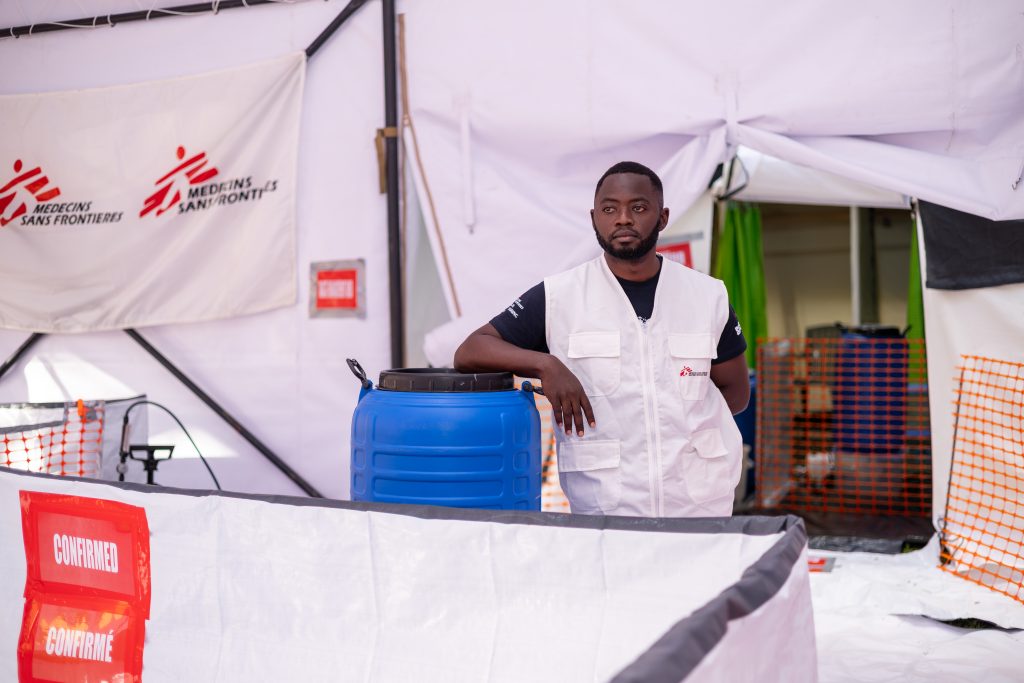
“I believe in something that is what pushed me into MSF, my humanitarian principle, eight years ago,” he says. “The feeling I had then is the same feeling I have now. I am driven by my zeal to go and assist people who are in need. If my skills are called upon in Congo in this Ebola outbreak, I am very happy to go and assist to the best of my knowledge.”
Kenya has recorded no confirmed Ebola cases. Three suspected cases were investigated and tested negative. On May 22, Health Cabinet Secretary Aden Duale chaired a high-level preparedness meeting outlining interventions across surveillance, laboratory testing, border health services, case management, logistics and public awareness. Kenya’s four national reference laboratories are operating around the clock, while isolation and holding facilities have been activated at designated referral hospitals and border locations.
The dance will continue, one layer at a time, until it requires no conscious thought at all
On June 12, Duale assured Kenyans that the country remains Ebola-free, while emphasising that preparedness measures had been intensified. He described health workers as the frontline defence against public health threats and urged county governments to sustain investments in surveillance systems, rapid response teams, healthcare worker training, isolation facilities and community awareness.
The Bundibugyo outbreak is the 17th time DRC has faced Ebola since 1976. In the two previous Bundibugyo outbreaks, in Uganda in 2007 and DRC in 2012, case fatality rates ranged from 30 to 50 per cent. The high positivity rate of initial samples, confirmed cases in Kampala, increasing syndromic reporting and clusters of deaths across Ituri province all pointed, from the earliest days of this outbreak, towards a potentially much larger event than what was being detected. Ongoing insecurity, humanitarian crisis, high population mobility and a large network of informal healthcare facilities further compound the risk.
Against that landscape, the MSF simulation centre in Nairobi is a modest but pointed intervention. MSF says the centre will first train experienced staff selected for deployment before expanding access to Kenya’s Ministry of Health and partner organisations. The aim is to strengthen regional outbreak response and ensure that frontline workers are ready should the situation escalate.
The dance will continue, one layer at a time, until it requires no conscious thought at all.
We believe in the free flow of information
Republish our articles for free, online or in print, under Creative Commons licence.