


From AI transmission maps to satellite internet in the bush, Africa CDC is building a digital arsenal to predict and contain Ebola before the next outbreak gains a head start.
When Ebola resurfaced in eastern Democratic Republic of Congo earlier this year, health officials were confronted with a virus that had already gained a dangerous head start. Current evidence suggests the outbreak spread silently for weeks before it was detected, “Because the test kits we were using were test kits for Ebola Zaire, and this is Bundibugyo,” said Prof Mohamed Jacob Janabi, the WHO Region boss and chair of the Africa CDC Board. “This silent spread is usually dangerous because by the time we responded, the virus was already ahead of us. Cases were missed, diagnosis was delayed, and response was slowed.”
That lesson has become the foundation of Africa CDC’s new continental preparedness strategy. Rather than waiting for cases to emerge and then responding, the plan seeks to use technology to detect, predict, and contain outbreaks before they spiral out of control.
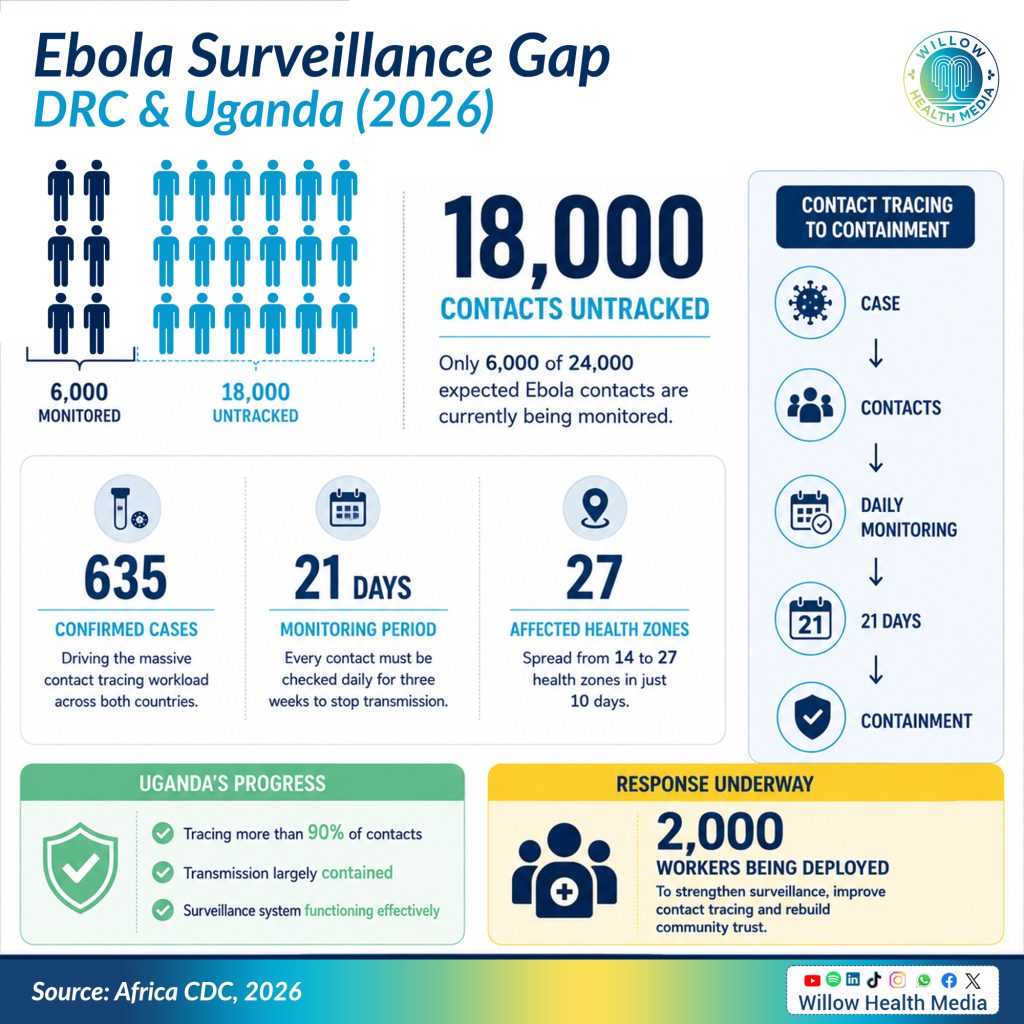
At the centre of this effort is Pillar 10 of the Continental Preparedness and Response Plan, which focuses on Artificial Intelligence Analytics and Threat Assessment. The approach marks a shift from traditional outbreak surveillance, which largely tracks where a disease has already spread, to predictive systems designed to estimate where it may move next.
Using population mobility data, transportation networks, trade routes, terrain information, and epidemiological trends, AI-powered models will help health authorities identify high-risk transmission corridors across the region.
The system is expected to generate cross-border risk maps, model likely transmission patterns, and provide early warnings that allow governments to position resources before outbreaks expand. Countries surrounding the current epicentre, including Uganda, South Sudan, Rwanda, and Burundi, could use such forecasts to activate emergency operations centres, strengthen surveillance, and prepare health facilities before cases are imported.
The technology extends beyond prediction to improving diagnosis, particularly after testing failures
If traditional surveillance serves as the eyes of the response, Pillar 10 is designed to function as its brain, transforming thousands of pieces of information into practical decisions about where treatment units, laboratory supplies, and frontline personnel should be deployed.
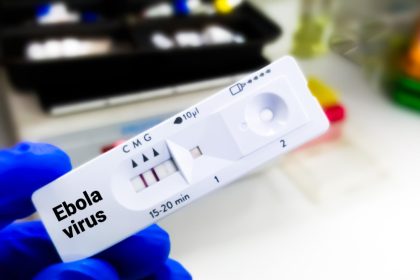
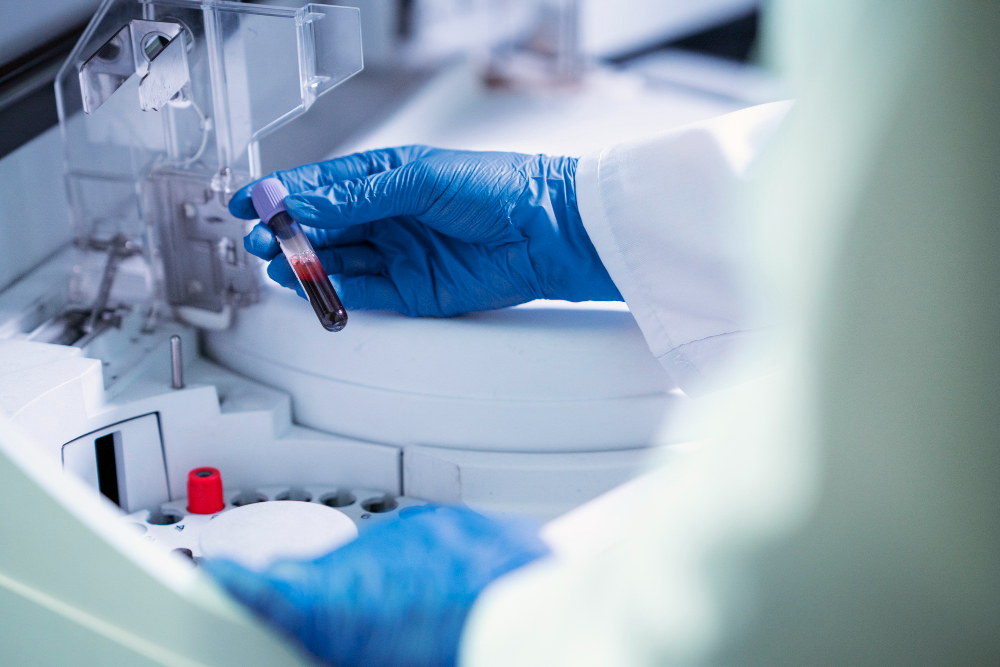
The technology extends beyond prediction. One of the most immediate priorities is improving diagnosis, particularly after the testing failures that characterised the early stages of the outbreak. Africa CDC is working to expand access to diagnostic tools capable of detecting multiple Ebola strains rather than a single variant.
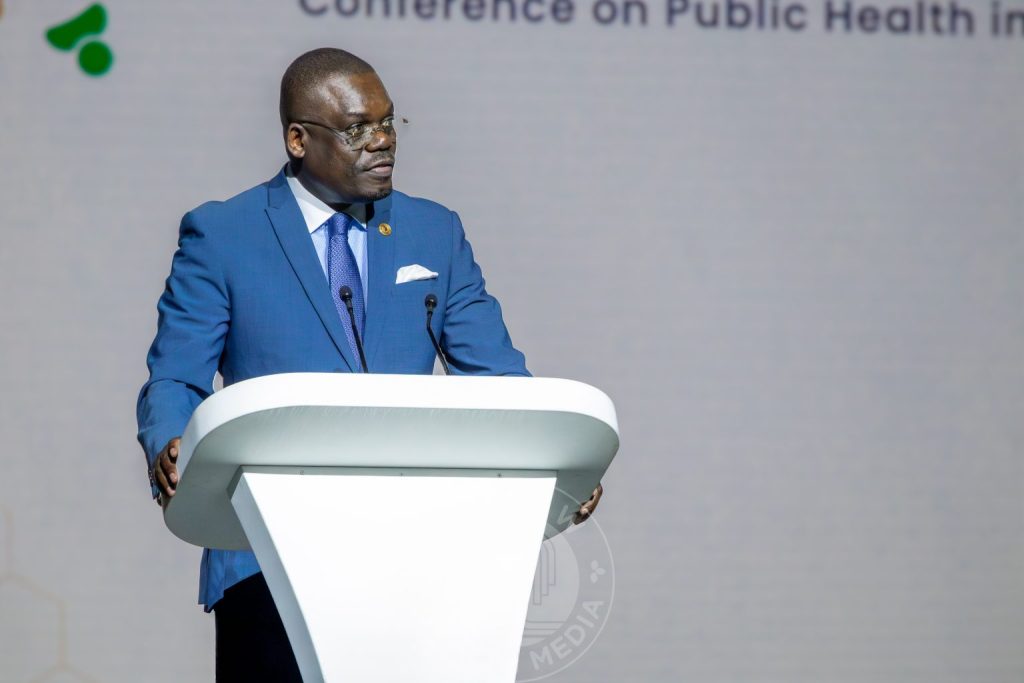
“I was in South Korea talking with KH Medical, securing their production on their RADIWAN,” said Africa CDC Director General Dr Jean Kaseya. “This is the only manufacturer known to be manufacturing diagnostics for all strains of Ebola plus Marburg. But more importantly, we requested them to do the tech transfer in Africa, and they accepted. Now we are working on this tech transfer.”
The objective is not only to acquire new technologies but also to build African capacity to manufacture and deploy them locally, reducing dependence on external suppliers during future emergencies.
Mobile laboratories are also being deployed to reduce testing delays and improve access to diagnostics in remote areas where transporting samples to central laboratories can take days. “Uganda is working closely with the DRC. There will also be support on the side of the lab, the mobile lab,” said Dr Marie-Roseline Bélizaire of the World Health Organization (WHO).

For years, poor internet connectivity across eastern DRC has undermined disease surveillance
According to Dr Kaseya, this expanded diagnostic capacity has already improved the quality of information available to responders. “A decision was made because we built capacity in terms of diagnostics to test all of these samples that were stored in Ituri,” he said. “And the result we got, we moved from these suspected cases to confirmed cases.”
Gathering information is only useful if it can be transmitted quickly. For years, poor internet connectivity across eastern DRC has undermined disease surveillance efforts. Health workers in remote communities often struggle to transmit case reports, laboratory data, and logistical information in real time, delaying critical decisions during emergencies. As of 2023, only about 30 per cent of the DRC’s population had internet access.
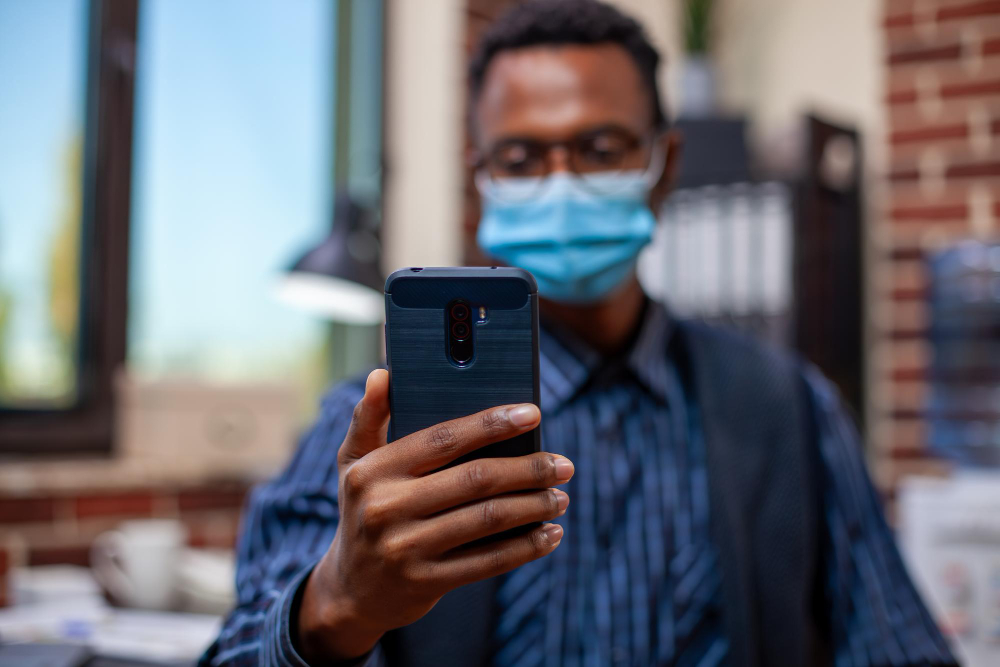
Although the DRC approved Starlink’s satellite internet service in May 2025, the technology is now being deployed directly into Ebola response operations. In June 2026, Starlink delivered 150 satellite internet kits to the Africa CDC for deployment in Ituri Province. The equipment provides healthcare workers and emergency responders with reliable, high-speed connectivity to conduct surveillance, coordinate logistics, monitor contacts, and communicate with national response centres.
“Outbreak control depends on speed, coordination, and information,” said Dr Kaseya. “Every day, frontline teams make critical decisions that rely on timely data and communication. Reliable connectivity helps health workers report cases more quickly, coordinate response activities more effectively, and access the technical support they need.”
Powered by thousands of low-Earth orbit satellites, the Starlink network is expected to support real-time transmission of surveillance data, contact monitoring, laboratory reporting, and logistics coordination in hard-to-reach locations.
Chatbot-based systems are being used to monitor rumours in real time, identify false information
The continental strategy also recognises that outbreaks are fought not only in clinics and laboratories, but increasingly online. As public health officials battle the virus itself, they are simultaneously confronting an infodemic of misinformation, rumours, and public distrust.
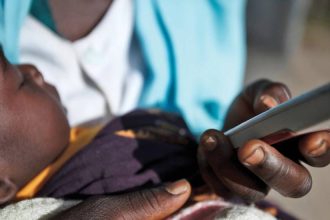
Digital platforms such as U-Report, I Hear You, and chatbot-based systems are being used to monitor rumours in real time, identify false information, and support community engagement before misinformation undermines response activities. “Misinformation is almost as dangerous as the virus itself, and spreads just as fast. Earning and keeping the trust of communities is at the heart of everything we do,” said WHO Director-General Dr Tedros Adhanom Ghebreyesus.
Dr Kaseya echoed the concern, urging journalists and media organisations to become active partners in response. “Help us to fight misinformation. Help us to amplify facts. Help us to build or rebuild trust.”
The same digital-first approach is being applied to accountability. Africa CDC and WHO have established a joint digital financial tracking mechanism to monitor funding needs, commitments, and gaps in real time. The continental preparedness plan requires an estimated US$518 million over six months, covering June to November 2026.
“It’s very costly, with a joint financial tracking mechanism to ensure transparency, accountability, and discipline,” said Prof Janabi.
Create a permanent digital shield that can detect, track, and respond to future health threats
Together, these technologies represent a significant departure from previous Ebola responses and even from the COVID-19 pandemic. During COVID-19, governments often built digital systems while the crisis was already unfolding. In the current response, African institutions are attempting to put those systems in place before widespread transmission occurs.

The ambition is not simply to stop the current outbreak. It is to create a permanent digital shield that can detect, track, and respond to future health threats faster than ever before. “We increased capacities in all areas: diagnostics, risk communication, treatment, research and development,” said Dr Kaseya. “We cannot accept seeing an outbreak in Africa without this kind of medical countermeasure. We need to be well prepared with all tools.”
The virus still moves through human networks of travel, trade, and social interaction. Increasingly, however, the response is moving through digital networks as well. From artificial intelligence forecasting the next hotspot to satellite internet linking remote clinics to national command centres, Africa’s Ebola preparedness strategy is betting that information can travel faster than infection. For a continent that has repeatedly found itself responding to epidemics after they have already taken hold, information, connectivity, and predictive intelligence may prove just as important as doctors, laboratories, and medicines in determining whether the next outbreak is contained or allowed to spread.