Of 6,000 registered pharmacists, fewer than half renew their licences. Most work in towns, leaving rural patients without expert medical advice. The fix: put pharmacists in primary care teams and hospital wards where patients need them.
Kenya has nearly 6,000 registered pharmacists, but many patients in rural and underserved areas still cannot reach their expertise, the Pharmaceutical Society of Kenya (PSK) has said.
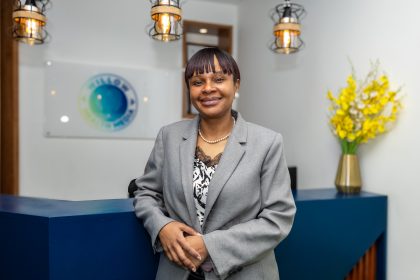
Speaking during the 2026 World Pharmacists Day celebrations on Friday, PSK President Dr Wairimu Njuki said the country’s pharmacy problem was less about the number of trained professionals and more about how they are deployed across the health system. “The challenge therefore is not about shortage but one of utilisation, deployment, and distribution,” Dr Njuki said.

Her remarks come as Kenya begins implementing the Good Pharmacy Practice (GPP) Standards 2026, the Social Health Authority (SHA) ties payments to whether prescribed medicines reach patients, and county governments face calls to hire more pharmacists.
Only about 2,800 registered pharmacists currently renew their practising licenses, Dr Njuki said. The country’s nine pharmacy schools produce roughly 80 to 100 pharmacists annually, while about 400 candidates recently completed examinations and another 600 are entering internship. “We cannot have qualified pharmacists unemployed or underemployed while simultaneously arguing that Kenyan patients must accept less pharmaceutical expertise because pharmacists are supposedly unavailable,” said Dr Njuki.
Published by the Pharmacy and Poisons Board (PPB), the GPP standards set minimum requirements for pharmaceutical services, staffing, infrastructure and professional responsibilities at each level of care, as the country seeks to strengthen medicine safety under Universal Health Coverage.
Pharmacists should check drugs work safely, are taken correctly, especially for hypertension and diabetes patients
They have also renewed attention on pharmacists at Level 3 facilities, where Dr Njuki said care should go beyond dispensing. “The medicine must be followed all the way to the outcome, which is what pharmacists are trained to do,” she said.
Pharmacists, she added, should provide medicine optimisation, pharmacovigilance, adherence support, antimicrobial stewardship and identification of medicine-related problems, particularly for patients with chronic illnesses such as hypertension and diabetes.

“The patient with hypertension and diabetes does not simply need another month’s medicine,” she said. “Someone needs to ask, are those medicines working? Is the patient taking them? Are there interactions? Is the dose still appropriate?”
The Ministry of Health has defended the standards amid public debate over the roles of pharmacists and pharmaceutical technologists. Health Cabinet Secretary Aden Duale said they are meant to protect patients and match the qualifications of the person superintending a pharmacy to the complexity and risk of its services. The Ministry has clarified that duly registered or enrolled pharmaceutical professionals may still work at different levels of the health system, provided they operate within their lawful scope of practice.
PPB says its reforms include digital compliance systems and the assessment of 605 facilities across 43 counties. The Board has licensed 15,679 pharmaceutical professionals and 11,141 pharmaceutical premises.
Equitable access is not a pharmacy on every shop front, but access for every Kenyan
Dr Njuki warned, however, that regulation alone will not close the access gap while pharmacies concentrate in major urban centres. “Commercially attractive areas cannot have many pharmacies while other communities remain underserved. Equitable access is not a pharmacy on every shop front. It is appropriate pharmaceutical care within reasonable reach for every Kenyan,” she said.
Dr Maina Mbugua, chairperson of the PSK Tana Athi branch, urged county governments to employ more pharmacists at Levels 3, 4 and 5 so that specialist medicine advice is available closer to patients.
“I also want to implore the Council of Governors to employ more pharmacists from Level 3, 4, and 5 hospitals so that our people in the countryside can benefit from these specialists who are the key people to advise on the use of medications and, most importantly, to offer patient-centred medical care,” Dr Mbugua said.
The call comes as non-communicable diseases increasingly burden the health system, requiring patients to take medicines over long periods and often for several conditions.
Dr Mbugua said pharmacists should join primary healthcare teams so that patients identified by Community Health Promoters (CHPs) receive medication reviews and follow-up before their conditions deteriorate.
“When they screen that patient, and they find that that person’s diabetes is not being managed, the solution is not to come to hospital and get more medicine,” he said. “The solution is now to meet a pharmacist who understands the care of this patient from a medical perspective and whether these medicines are even working.”
Illegal outlets keep medicines moving through unregulated supply chains
The debate also extends to the Social Health Authority (SHA). In April, Duale announced that SHA would stop reimbursing the drug component for some public hospitals where patients were treated but did not receive their prescribed medicines. Government digital health systems, he said, had identified patients who completed treatment at Level 4 and 5 facilities but were then forced to buy medicines from private pharmacies out of pocket.
In July 2026, SHA linked payments to primary healthcare facilities to the proportion of prescribed medicines actually dispensed.
These reforms place pharmacists where medicine availability, patient safety and healthcare financing meet, pointing to stronger regulation, professional deployment and better pharmaceutical care as the way forward.
Dr Njuki said illegal outlets keep medicines moving through unregulated supply chains, because legitimate pharmacies must account for the sources of the medicines they sell. “If we stop that quack aspect, then now these people have no one to sell to,” she said, arguing that enforcement against unlicensed outlets should form part of efforts to disrupt falsified and substandard medicines.
PPB has been strengthening digital verification, inspection and compliance systems, alongside pharmacovigilance and post-market surveillance. This year, it also brought together health and regulatory partners to strengthen antimicrobial resistance regulation and cross-border information sharing.
Can Kenya’s growing pharmacy workforce translate into measurable improvements in patient care?
The scale of the problem is clear. A 2026 study of 22 community pharmacies in Kakamega found that 44.4 per cent of 504 observed antibiotic dispensing events were over the counter, showing that antibiotics are still widely obtained without prescriptions.
Dr Irene Weru, a clinical pharmacist specialising in oncology pharmacy and chair of the Oncology Pharmacists Society of Kenya, highlighted specialist care as a growing area of practice. At the event, oncology pharmacists, radiopharmacists and production pharmacists attended a workshop on the safe handling and preparation of hazardous medicines.
“Many of them can cause harm not just to the patients who are receiving them, but they can also cause harm to the staff who actually prepare these medicines,” Weru said.
Continuous professional development is essential, she said, as Kenya’s cancer burden grows and more specialised cancer centres open outside Nairobi. “We need to ensure even as specialists that the standard of care we provide to our patients is uniform,” she said.
This year’s theme, ‘Empowering pharmacists for healthier futures,’ reflects a global push to integrate pharmacists more fully into health systems as medicine use grows more complex.
For Kenya, the question is whether its growing pharmacy workforce can translate into measurable improvements in patient care.
We believe in the free flow of information
Republish our articles for free, online or in print, under Creative Commons licence.