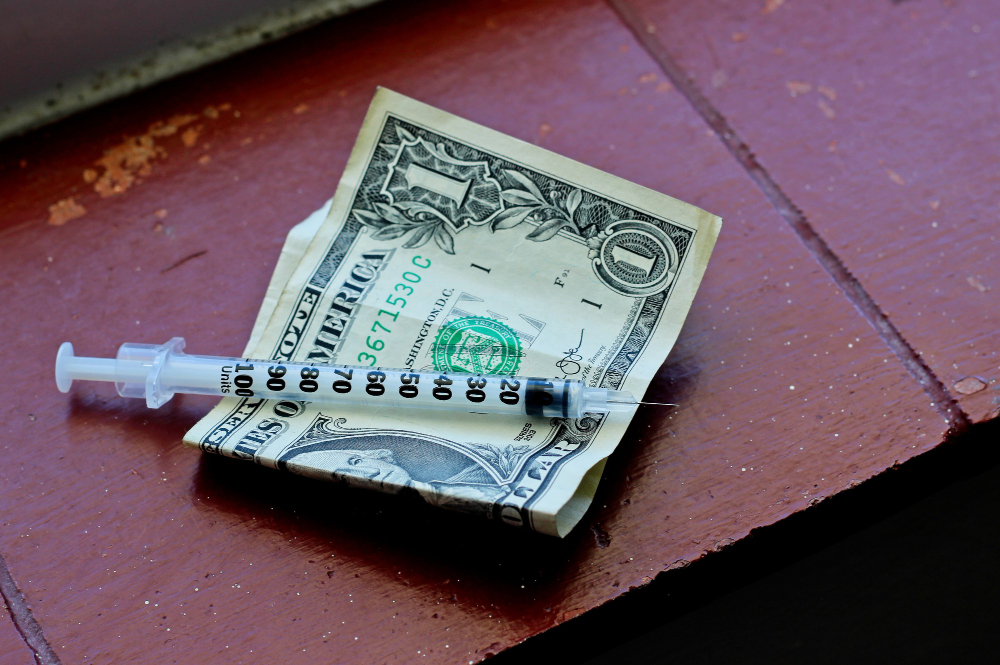

Kenya is scaling up vaccine manufacturing through the BioVax Institute, a $60.8 million (Ksh7.85 billion) fill-and-finish facility projected to produce up to 72 million doses annually, plus a $248 million (Ksh32.03 billion) end-to-end plant at Konza Technopolis.
For mothers waiting in crowded clinics, cancer patients forced to postpone treatment because medicines are out of stock, and communities that watched helplessly as vaccines arrived late during the coronavirus pandemic, a message of hope emerged this week in Nairobi.
On the sidelines of the Africa Forward Summit 2026, African presidents, health experts, scientists, manufacturers, and global financiers gathered at the Kenyatta International Convention Centre to launch a renewed push under the Africa Initiative for Medical Access and Manufacturing (AIM2030), a continental plan to help Africa manufacture more of its own medicines, vaccines, and critical health products by the end of the decade.
Central to the discussion was one urgent question: after years of relying on imports, can Africa finally build a health system designed, produced, and sustained by Africans for Africans? According to the leaders gathered in Nairobi, the answer must begin now.
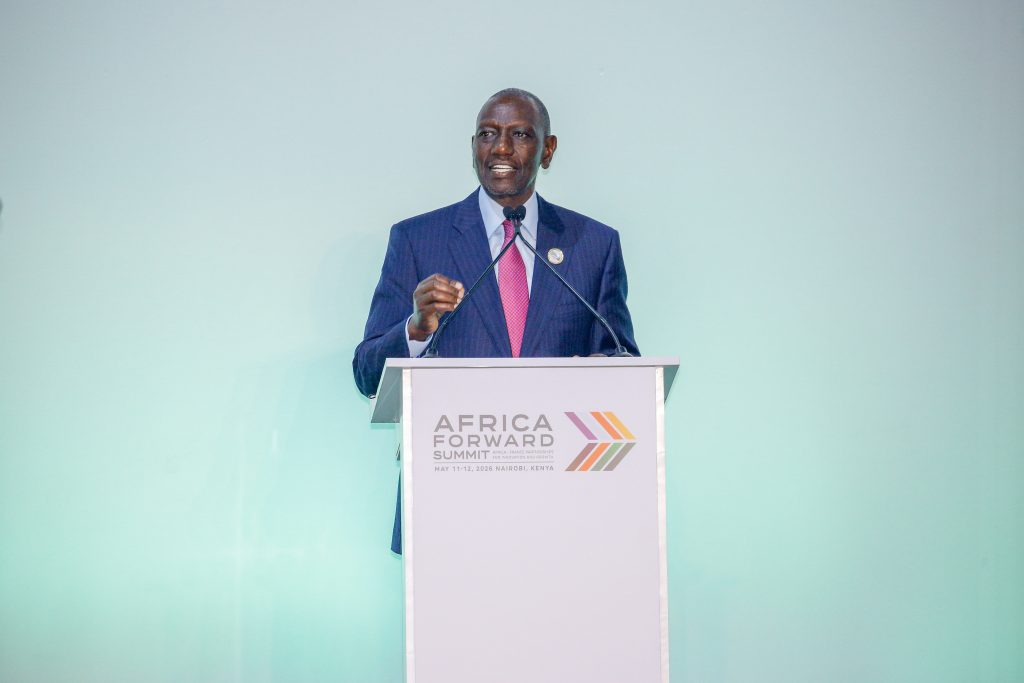
Kenya President William Ruto opened the high-level session with a stark reminder of the challenge. “Africa bears nearly 25 per cent of the global disease burden yet produces less than six per cent of its medical supplies,” he told delegates. “This is not only a health imperative, but one of the most compelling industrial opportunities of our time.”
He urged governments, investors, and development partners to move “from ambition to execution, commitments to bankable projects, and from dialogue to delivery.”
According to the World Health Organization (WHO), Africa imports between 70 and 90 per cent of the medicines it consumes, making it among the most import-dependent health markets in the world. During the coronavirus (Covid-19) pandemic, this dependence turned deadly. As wealthier nations secured early vaccine supplies, much of Africa was left waiting.
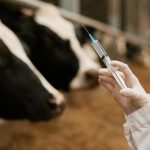
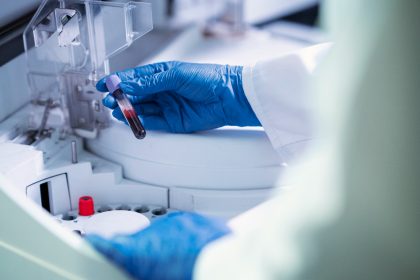
The Kenya BioVax Institute is expected to produce up to 72 million vaccine doses annually
By early 2022, while high-income countries were rolling out booster doses, vaccine coverage across many African nations remained below 15 per cent, exposing deep inequalities in global health access. That painful memory shaped the conversation in Nairobi.
“Africa can no longer rely on external supply chains for medicines, vaccines, and essential health commodities,” President Ruto said. “Our ambition is to position Kenya as a regional hub for pharmaceutical manufacturing, health innovation, and medical supply chains.”
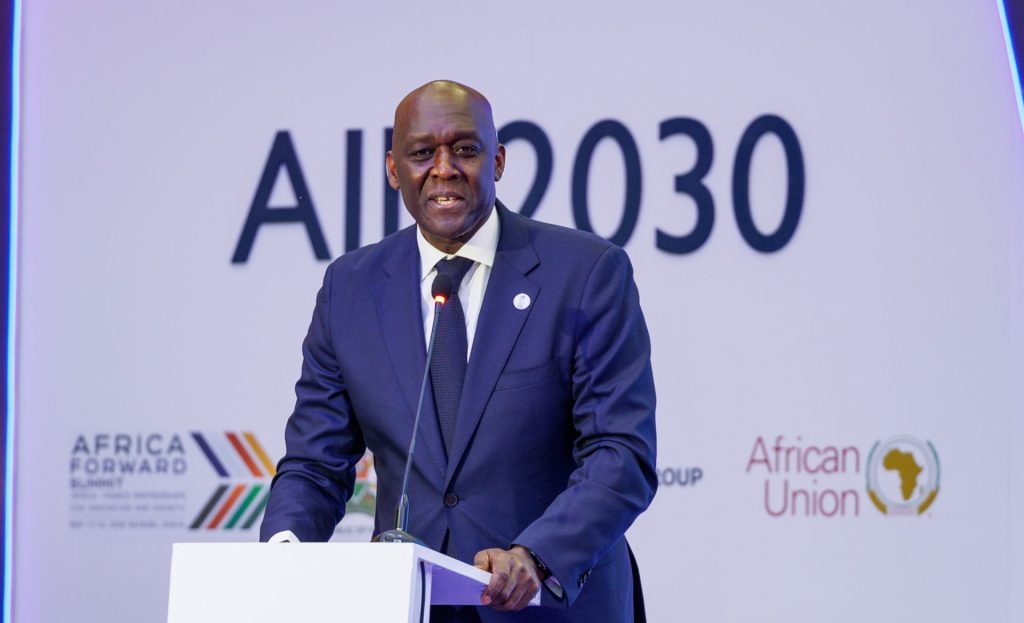
Makhtar Diop, Managing Director and Executive Vice President of the International Finance Corporation (IFC), warned that the private sector cannot afford to wait for another crisis before building resilient supply systems. “When it happens, it will be too late,” he said. The IFC, part of the World Bank Group, is expected to play a key role in structuring blended finance and supporting scalable pharmaceutical investments under AIM2030.
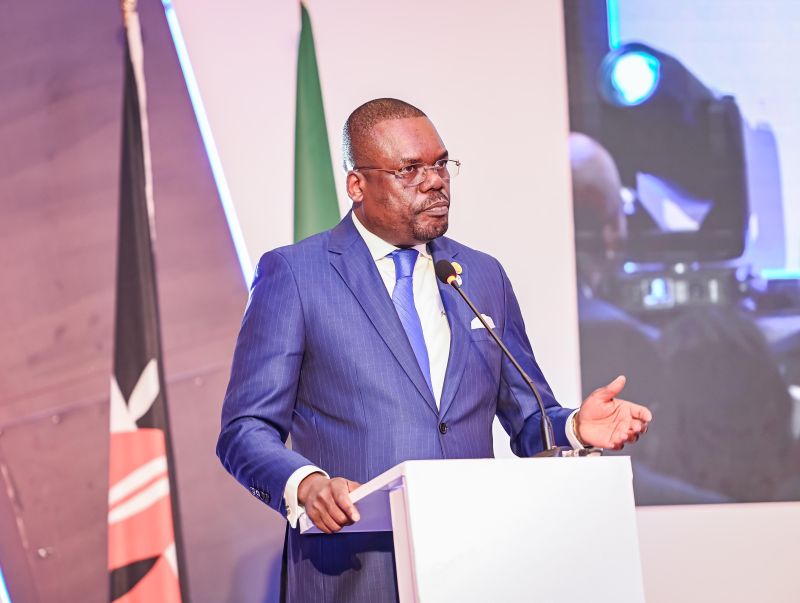
Kenya is already placing real money behind its ambitions. Health Cabinet Secretary Aden Duale told delegates that Kenya is investing heavily through the Kenya BioVax Institute, where a $60.8 million (Ksh7.85 billion) fill-and-finish vaccine facility is under construction, with the capacity to produce up to 72 million doses annually. A second, end-to-end vaccine manufacturing facility valued at $248 million (Ksh32.03 billion) is under development at Konza Technopolis.
“Health security cannot be outsourced,” Duale said. “Countries that do not produce essential health products remain exposed to external shocks.” He added that these investments are linked to regulatory reforms aimed at achieving WHO Global Benchmarking Tool Maturity Level 3 and to digitising supply chains and strengthening institutions such as the Kenya Medical Supplies Authority (KEMSA), so Kenyan products can win global confidence.
Diop reported that the World Bank Group had launched AIM2030 with a bold target: to help double pharmaceutical manufacturing capacity across Africa by 2030. The initiative focuses on countries seen as regional production pillars, including Kenya, Ghana, Rwanda, Nigeria, and South Africa.
Nearly 700 pharmaceutical manufacturers operate across Africa, but most of them are fragmented and concentrated in only a handful of countries
The African pharmaceutical market, currently valued at approximately $30 billion (Ksh3.87 trillion), is projected to exceed $50 billion (Ksh6.46 trillion) by 2030. “This is not only a health imperative,” President Ruto said. “It is one of the most compelling industrial opportunities of our time.”
Yet despite the opportunity, significant structural barriers remain. President Ruto noted that nearly 700 pharmaceutical manufacturers operate across Africa, most of them small or mid-sized, fragmented, and concentrated in only a handful of countries. “This limits scale, competitiveness, resilience, and our ability to respond effectively to future crises,” he said.
Leaders repeatedly pointed to two institutional reforms as critical to closing that gap: full implementation of the African Continental Free Trade Area and operationalisation of the African Medicines Agency. Together, these frameworks are expected to harmonise regulatory standards, reduce duplication, and allow medicines approved in one market to move faster across borders.
Dr Jean Kaseya, Director General of the Africa Centres for Disease Control and Prevention (Africa CDC), argued that building factories alone will not solve Africa’s medicine shortage. “What manufacturers need is predictable demand,” he said. “Without sustainable procurement systems, local production cannot survive.”
Dr Kaseya announced that the Africa CDC had successfully completed the first tender under its African Pooled Procurement Mechanism, supplying essential reproductive, maternal, newborn, and child health medicines across ten African Union member states, achieving significant cost savings while opening procurement opportunities for African manufacturers.
For many, the announcement marked a genuine paradigm shift. For years, African manufacturers have struggled not from a lack of production capacity, but because governments often purchased cheaper imports through fragmented procurement systems, leaving local firms without guaranteed markets.
The recent emergence of hantavirus is a reminder of how fragile Africa’s health systems remain
The African Union Commission Chairperson, Mahmoud Ali Youssouf, cautioned that shrinking global development assistance means African countries must increasingly finance their own health futures. He called for stronger African-led funding mechanisms to sustain pharmaceutical growth.
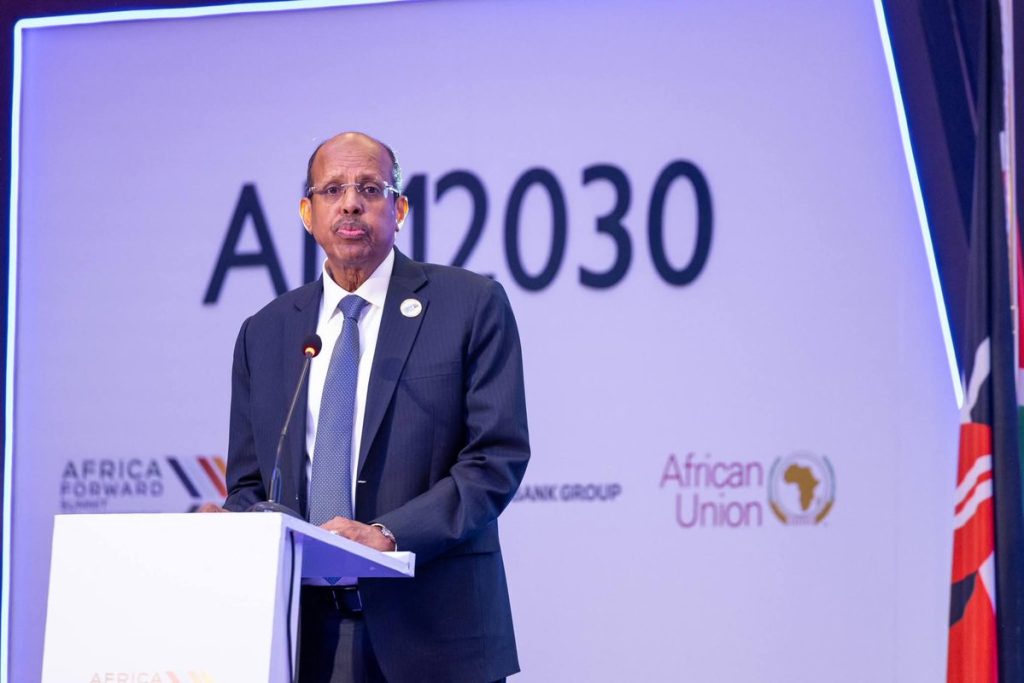
Prof Mohamed Yakub Janabi, WHO Regional Director for Africa, warned that the continent’s health vulnerabilities remain dangerously exposed. “Health threats do not wait. They do not respect borders,” he said, noting that the emergence of hantavirus was a reminder of just how fragile Africa’s health systems remain.
He pointed to a sharp rise in public health emergencies over the past decade, including repeated outbreaks of cholera, mpox, and emerging viral threats, that have placed already-stretched health systems under mounting pressure.
Yet Prof Janabi also saw cause for determination. “Africa is rewriting its narrative from dependency to determination, vulnerability to resilience, and from promise to performance. This time Africa is not standing still. Africa is moving forward boldly and decisively.”
He cautioned, however, against complacency in how that forward movement is resourced. “Manufacturing needs certainty, not promises. Factories do not save lives; people do. We must invest in African scientists, regulators, and innovators. They are our greatest asset.”
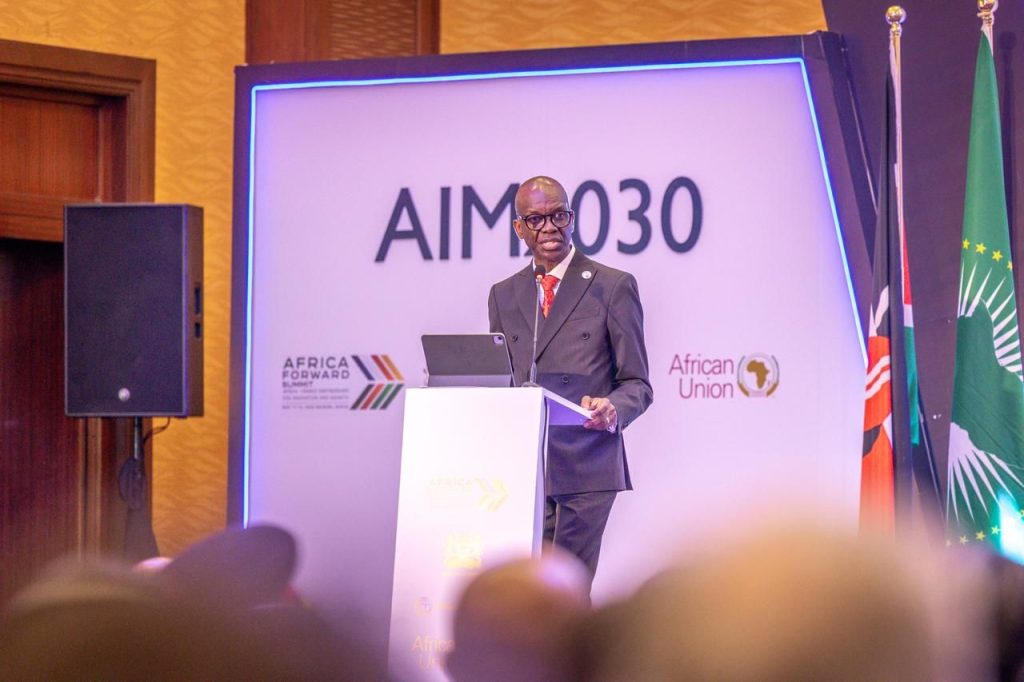
For ordinary citizens, the success of AIM2030 will not ultimately be measured in conference speeches or billion-dollar announcements.
It will be measured in village clinics, county hospitals, and maternity wards when a mother no longer travels miles searching for antibiotics for her child, when insulin is available for diabetic patients without stockouts, when the next essential medicine comes from an African production line.
“Our journey is already underway,” President Ruto declared. “Africa has the science, the workforce, the market, and the will.”
After Nairobi, that vision is no longer merely a policy declaration. For Kenya and for Africa, AIM2030 is becoming a test of whether health sovereignty can finally move from summit halls into the hands of the patients who need it most.
We believe in the free flow of information
Republish our articles for free, online or in print, under Creative Commons licence.