
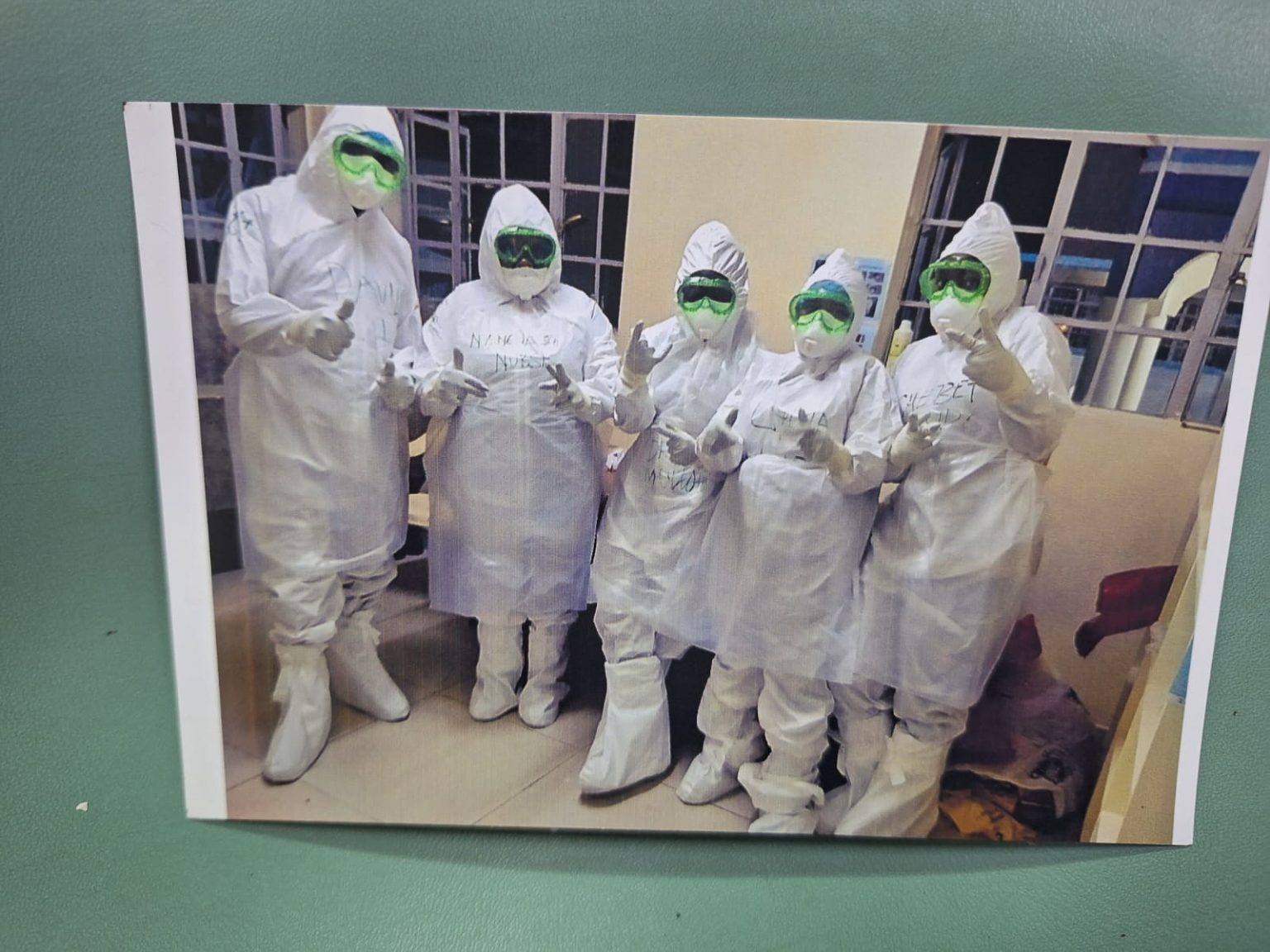
Lydia Mukhaye thought about her hubby, her children, the possibility she might never return home from Liberia. “I told them that if anything happened to me, they should accept it and move on. Maybe God had other plans for me. And if I died, I would have died serving humanity in the fight against Ebola.”
Before leaving Kenya for Ebola-stricken Liberia in 2015, veteran nurse Lydia Mukhaye, HSC, signed a will. It was a quiet acknowledgement that the journey ahead could end not with a homecoming, but with a funeral.
She was one of 170 Kenyan health workers who answered a continental call, travelling not towards safety but towards a crisis that had emptied homes, silenced communities and left nations in mourning. Their stories, a decade later, carry lessons now more urgent than ever.
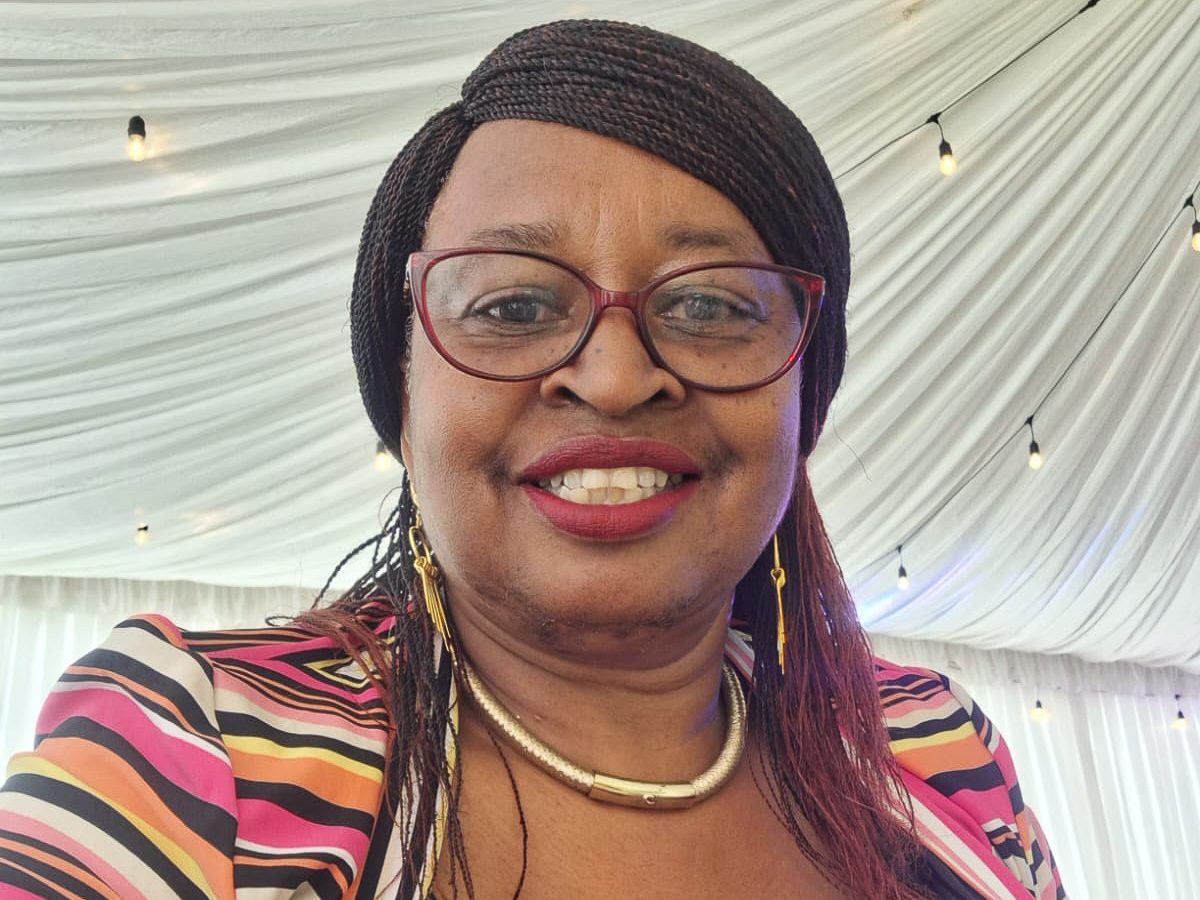
Death became an unseen companion from the moment Mukhaye signed that will. It sat beside her on the flight to Liberia, lingered in every goodbye and followed her into every uncertain tomorrow. Yet even in its shadow, she carried a faith stronger than fear and a sense of duty greater than herself. “I thought about what the Bible teaches us,” she recalls. “That we must always be ready when God calls.”
She thought about her husband, her children, and the possibility she might never return. “I told them that if anything happened to me, they should accept it and move on. Maybe God had other plans for me. And if I died, I would have died serving humanity in the fight against Ebola.”
Mukhaye was among 170 Kenyan health workers who volunteered under the African Union Support to Ebola Outbreak in West Africa (ASEOWA) mission in January 2015. Doctors, nurses and public health officers left behind their families and stepped into the unknown. For many, the first assignment was not treating patients. It was preparing for death.
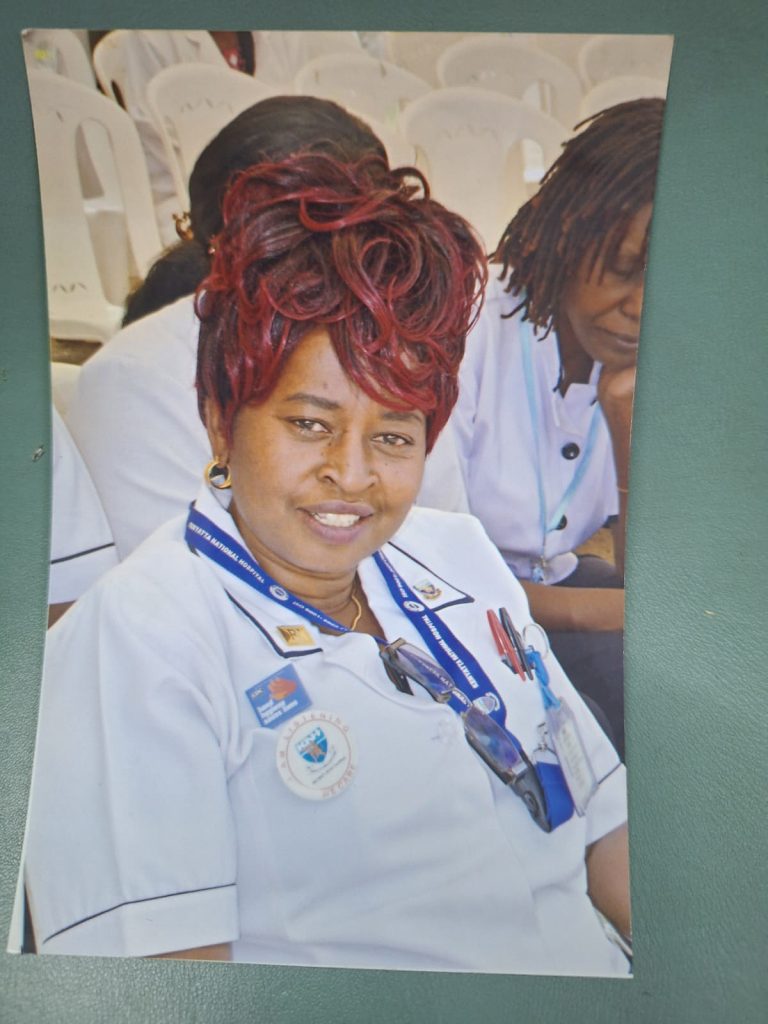
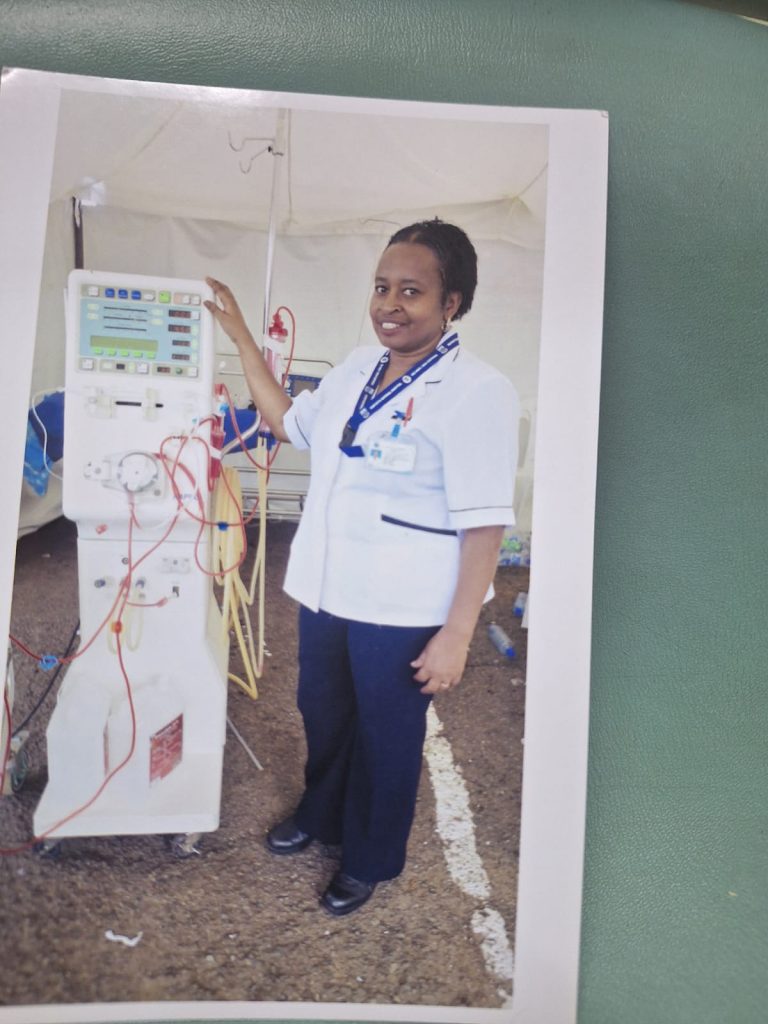
Some volunteers wrote instructions, how property should be shared among spouses, children
“The first thing we were asked to do was not to board an ambulance, put on protective gear or enter a treatment ward,” Mukhaye says. “It was to write a will.”
Some volunteers wrote instructions about school fees. Others explained how property should be shared among spouses and children. “We all understood the risk we were taking,” she says. “The images coming from West Africa were heartbreaking. Entire families were being wiped out, and despite the uncertainty, my colleagues chose to go because people needed help.”
Nothing, however, prepared her for the reality inside the treatment centres. One family remains etched in her memory: a father, a mother and six children, all infected and fighting for their lives. “The hopeless looked frail,” she says. “Many were counting their final minutes.”
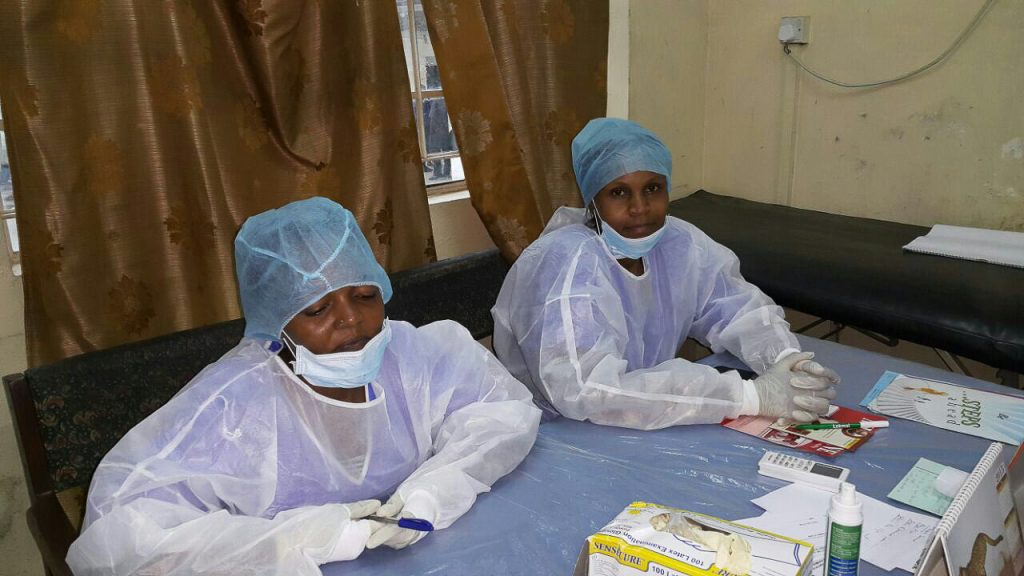
In many communities, Ebola spread through acts of love. Mothers caring for children. Sons helping fathers. Wives comforting husbands. “There were days when it felt as though hope itself was running out,” she recalls. “We saw patients arrive too late, families torn apart, and communities overwhelmed by fear.”
What hurt most was the enforced isolation. “You wanted to comfort people, to hold a hand, to reassure someone who was afraid. But Ebola took even that away. There were no hugs, no handshakes and no human touch.”
My symptoms matched Ebola case definition, I started saying my last prayers
Every morning, health workers reminded themselves that a single mistake could change everything. Fear never disappeared, but discipline became stronger.
One day, Mukhaye herself became a suspected Ebola patient. Crippling headaches, relentless diarrhoea, vomiting and a sudden collapse forced her into an isolation ward in a Monrovia hospital. “My symptoms matched the Ebola case definition, so I was quickly rushed to the hospital,” she recalls. “I even started saying my last prayers.”
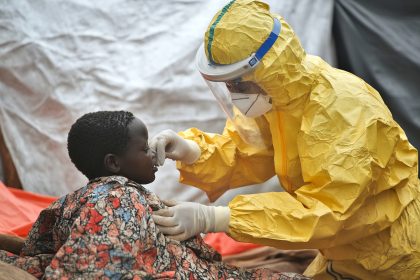
Her husband was alerted. The waiting was agonising. Every passing hour carried the weight of a possible goodbye. After three anxious days, the results came back negative. Even so, she did not board the next flight home. “I had come to save lives. Once I was cleared, I knew my work was not finished.”
For Ali Salim Musikoye, another member of the Kenyan contingent, volunteering was not heroism. It was the job he had trained to do. His wife asked him directly: “Do you want to die there?” He reassured her that training and discipline would protect him. “If I could save lives, then it was worth it.”
When he arrived in Sierra Leone, he found a nation paralysed by fear. “It was like a ghost city,” he says. “The shops were closed. The supermarkets were closed. There was almost no activity.”
An ambulance driver washed it after transporting an Ebola patient. People downstream used the water. Over 29 people died
As an epidemiologist, his work involved tracing contacts and identifying infections. It was there that he witnessed how devastating a single lapse could be. An ambulance driver had transported an Ebola patient and then washed the vehicle in a nearby stream. People downstream used that water for drinking and household chores. New infections followed. Over 29 people died.
“When we investigated, we found that the ambulance was the source,” Musikoye says. “That lesson has never left me.”
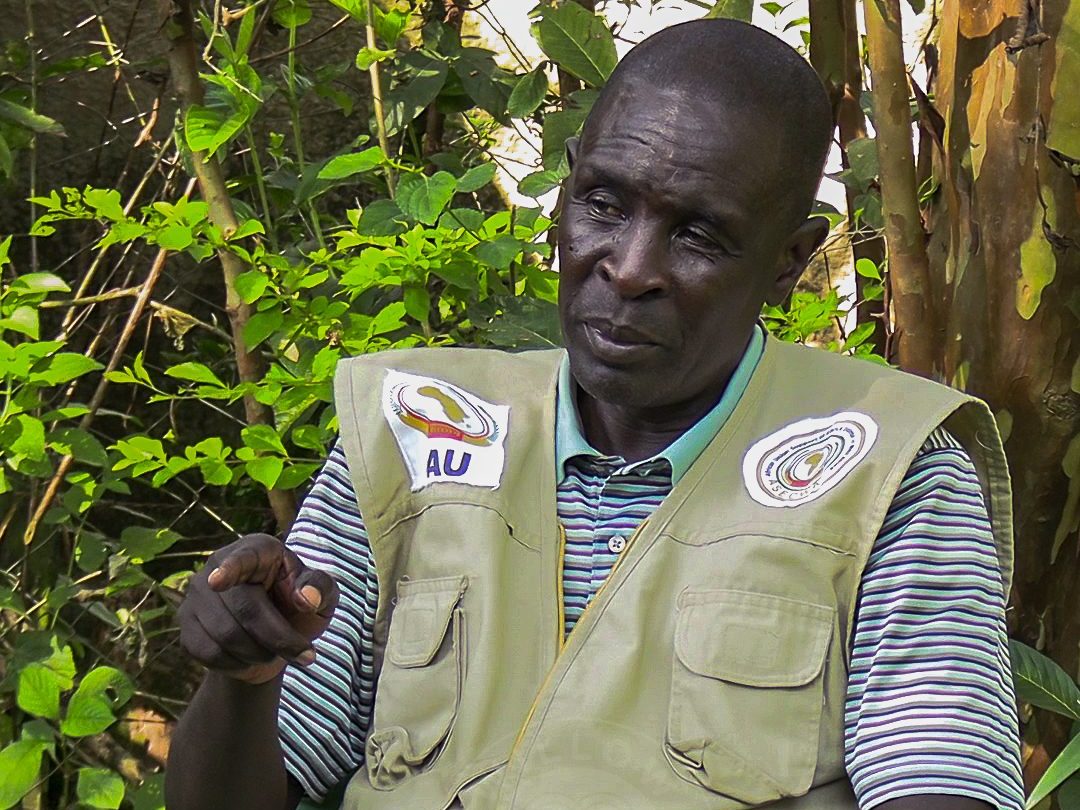
Inside treatment centres, health workers operated under the buddy system, never entering high-risk zones alone. Patients with severe diarrhoea, vomiting and bleeding filled the wards. Each worker watched over the other. “When you step into the red zone, it is you, the patient and your God,” Musikoye says.
Months later, as life slowly returned to Sierra Leone, residents followed the Kenyan team all the way to the ferry to bid them farewell. “People were crying. They did not want us to leave.” For Musikoye, that farewell remains proof that the sacrifice mattered. “We went there to save lives. And that is exactly what we did.”
For James Wachuga, a public health officer at Kakamega County General Hospital, the reality of Ebola arrived the moment he stepped off the plane. Two chartered aircraft had carried the Kenyan contingent to Liberia and Sierra Leone. When Wachuga landed in Freetown that evening, “The airport was silent,” he says. “There were no activities. The first thing they did was make us wash our hands with chlorine and check our temperatures.”
If somebody died, the family would be compensated Ksh10 million. That is when the reality sank in
Even boarding a bus came with strict instructions: “Don’t touch anything.” The next morning, they were asked to write their wills. “If somebody died, the family would be compensated in excess of Ksh10 million,” Wachuga recalls. “That is when the reality sank in. You know there is a possibility you may never go back home.”
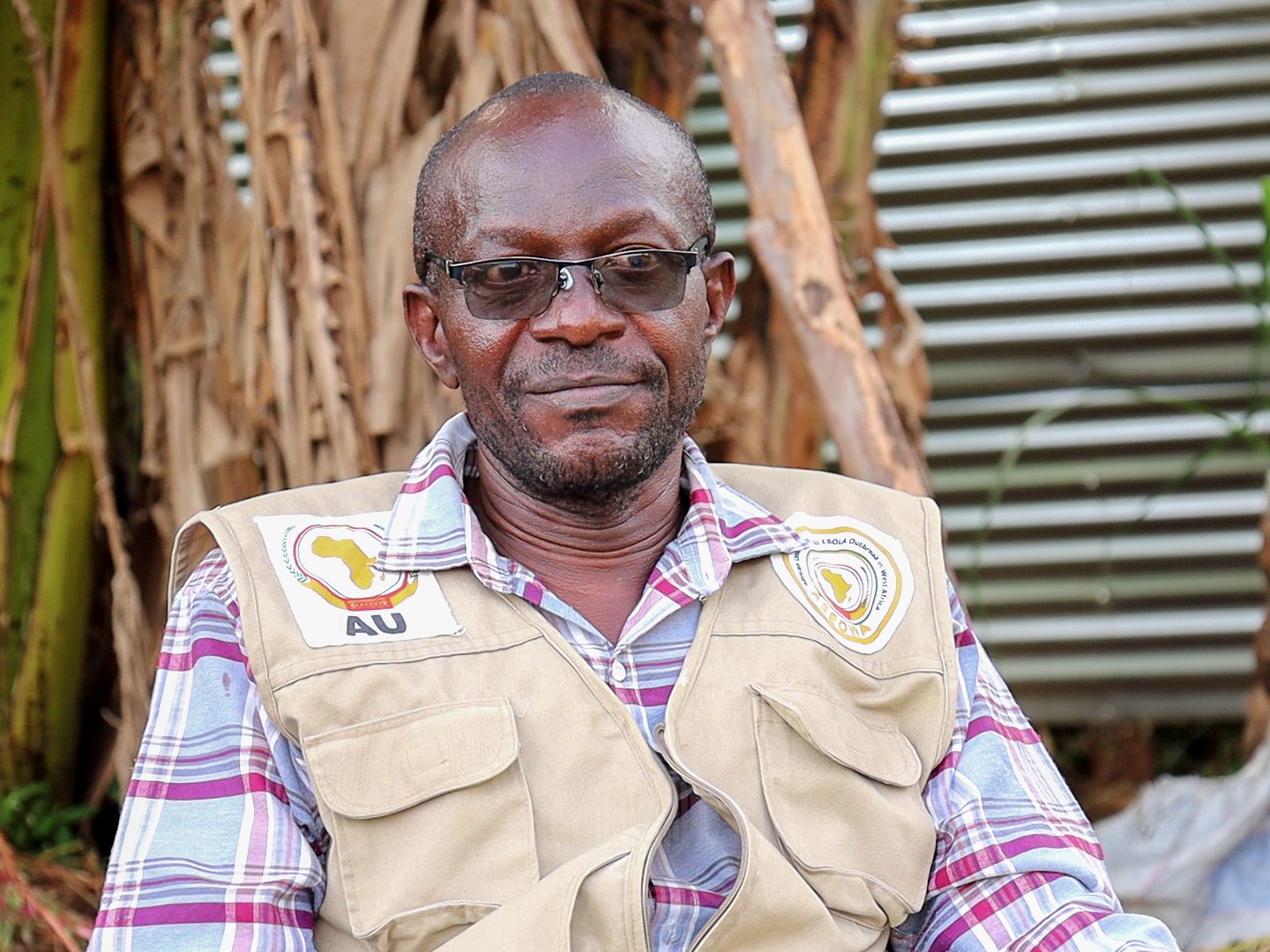
Yet none of them backed away. “We had already volunteered. We knew why we were there.”
As a public health officer, Wachuga witnessed the epidemic at its most devastating. Burial teams moved through communities collecting bodies, which were not taken to mortuaries. Ebola victims remained highly infectious even in death. “We lost mortuary attendants because bodies were being handled the normal way,” he says. Families could not gather around graves. Tradition gave way to necessity.
Roadblocks dotted the country. Travellers were screened constantly. Anyone with a fever risked being rushed to an Ebola treatment centre. Inside those centres, suspected patients were isolated in green zones and confirmed cases in red zones. Health workers always operated in pairs. “Your colleague watched you, and you watched them. If somebody became dizzy or made a mistake, you helped them immediately.”
Ebola spreads through contact. Even something as ordinary as money could become deadly
The invisible dangers were often the deadliest. Wachuga recalls a nurse and an ambulance driver who took approximately Ksh350,000 from an Ebola patient. Within weeks, both developed symptoms and died. “It taught us that Ebola spreads through contact. Even something as ordinary as money could become deadly.”
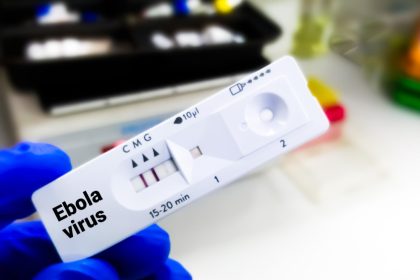
First identified in 1976, Ebola caused a series of deadly outbreaks in Central Africa, particularly in the DRC, with fatality rates sometimes reaching 90 per cent. The 2014 to 2016 West Africa epidemic infected nearly 29,000 people and claimed about 11,600 lives in Liberia, Guinea and Sierra Leone.
The threat has not receded. Since the current DRC outbreak began, 782 confirmed Ebola cases and 181 deaths have been recorded, according to the Ministry of Health update of June 15. WHO reports that only 56.5 per cent of identified contacts are being successfully monitored, well below the 90 to 95 per cent threshold considered necessary to interrupt transmission and bring an outbreak under control.
The veterans of 2015 understand better than most what is at stake. Wachuga says the mission was worth every risk. “We went when others were leaving. And we helped stop the disease.” If another outbreak threatened the region tomorrow, his answer would not change. “Even now, if I am called, I will go.”
This article was first published by Willow Health Media on June 24, 2026.








This was a deeply moving and powerful article. The courage and selflessness shown by the Kenyan healthcare workers are truly inspiring, and their stories highlight the extraordinary sacrifices made to protect others during the Ebola outbreak. Thank you for sharing such an important and heartfelt tribute to these frontline heroes.