

With no licensed vaccine or treatment available, health officials say early diagnosis is the difference between life and death in the Bundibugyo outbreak
Five healthcare workers who contracted the Bundibugyo Ebola virus at the onset of the outbreak in the Democratic Republic of Congo (DRC) have fully recovered, offering the first tangible proof that the disease can be survived even without an approved vaccine or treatment.
The recoveries, announced in late May 2026, have injected cautious hope into a response that has so far been defined by alarming case numbers and the absence of any licensed medical countermeasure. Health officials are now urging communities to seek care early, saying it remains the single most reliable factor in surviving the disease.
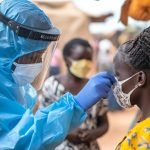
According to the World Health Organization (WHO), four nurses who had been caring for Ebola patients at their health facility were discharged from a hospital in Bunia, the capital of Ituri Province and the epicentre of the current outbreak. Their discharge, announced on May 31, 2026, brought to five the total number of recoveries recorded. A laboratory worker had earlier recovered on May 28, according to WHO’s Regional Office for Africa (WHO AFRO).
WHO Director-General Dr Tedros Ghebreyesus, speaking during a visit to Ituri on May 30, said the absence of a licensed vaccine or treatment should not be mistaken for hopelessness. “It’s not without hope. The disease can be survived with good medical care. Some people here in Ituri have already recovered. Seeking care early makes the difference,” he said. Addressing the recovered health workers directly, he added: “Your courage gives us hope, and you are living stories that this outbreak can be stopped.”
More recoveries expected when people are diagnosed early and access care
DRC’s Director-General of the National Institute of Public Health, Dr Dieudonne Mwamba Kazadi, described the recoveries as a message the public needed to hear. “This is a victory worth celebrating. It’s a strong message that it’s possible to recover from Ebola when seeking care early in a dedicated health facility,” he said.

The WHO urged communities to present early for testing and care, saying more recoveries were expected. “More recoveries are expected, especially when people are diagnosed early and are able to access care,” it stated.
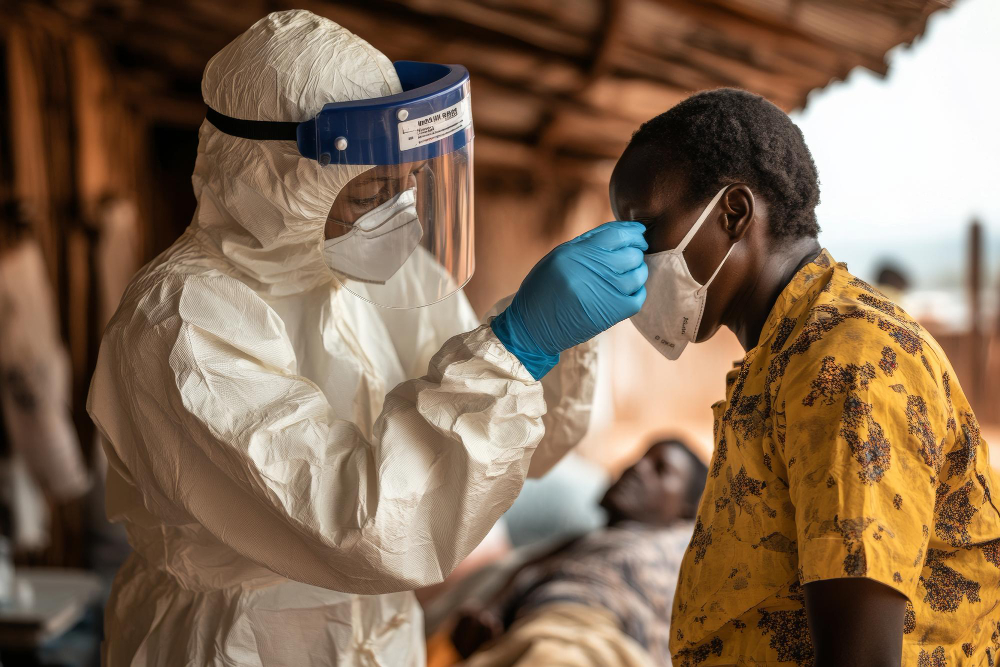
The risk to healthcare workers has been a defining feature of the outbreak. Africa CDC confirmed that 19 health workers, 16 in DRC and three in Uganda, are among confirmed Ebola cases. Six healthcare worker deaths have been recorded in DRC. Africa CDC noted that healthcare worker infection rates ranged between two and 15 per cent during previous Ebola outbreaks in West Africa, and that 68 per cent of nurses and nurse aides who were the first point of contact with patients at affected facilities died.
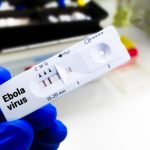
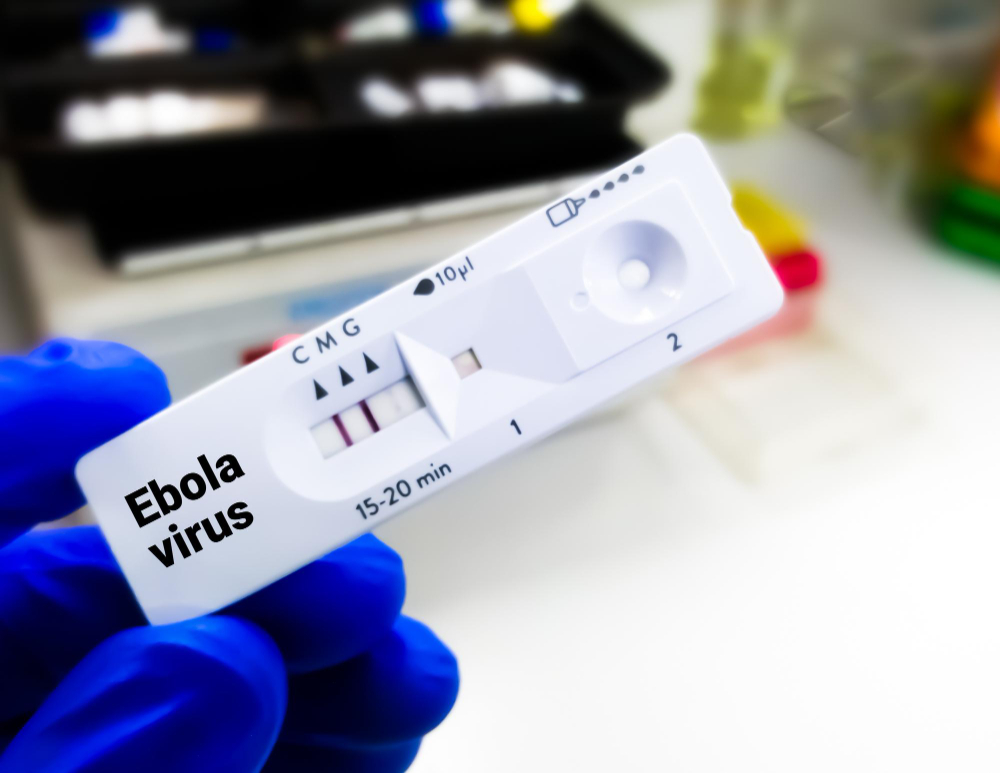
Africa CDC Director-General Dr Jean Kaseya explained at a press conference on May 28 why health workers had been so exposed at the start of the outbreak. “Most healthcare workers got the virus because they were testing for the Ebola-Zaire, which turned negative, and they thought it was other diseases,” he said. Because the Bundibugyo strain does not trigger a positive result on tests calibrated for Ebola-Zaire, the disease circulated undetected in clinical settings before it was identified.
Kenya partnering with US to establish an Ebola isolation facility in Laikipia County
To reinforce clinical capacity, the WHO handed over a refurbished 24-bed Ebola Treatment Centre in Bunia to health authorities. The facility can be expanded to 60 beds, and the WHO is setting up an annex with a further 42 beds to begin operations in the coming weeks.
The recoveries and expanded treatment infrastructure have also informed the response of countries classified as high risk due to their geographical proximity to DRC.
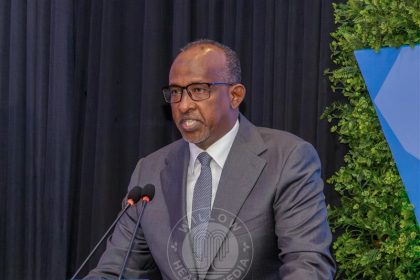
On May 30, Kenya’s Health Cabinet Secretary, Aden Duale, announced that dedicated Ebola isolation and treatment centres had been established at the Kenyatta National Hospital, the Kenya National Police Hospital and Moi Teaching and Referral Hospital in Eldoret. Kenya is also partnering with the United States to establish a similar facility at a military installation in Laikipia.
Dr Tolbert Nyenswah, a public health specialist and United Nations Special Adviser on Africa, said at the Africa CDC press conference on May 28 that a one-health approach to the response was essential. “One health approach is important. There’s an increasing proximity between birds and monkeys. Mining companies are also encroaching on an environment that supports and aggravates animal-to-human infection,” he said. Ebola is a zoonotic disease, meaning it is transmitted from animals to humans, though the specific animal reservoir for the Bundibugyo strain has not been conclusively identified.