


As Kenya’s first Bundibugyo virus contacts prepare to leave quarantine on Sunday, they hope to return to normal life, but some face lost income, wary employers and the pain of being separated from their children.
On Sunday, October 25, the first contacts linked to Kenya’s Bundibugyo virus disease (BVD) outbreak will leave quarantine after completing 21 days of monitoring. But as they prepare to return home, questions remain about whether it is safe to welcome them to their communities.
Dr Loice Achieng Ombajo, an Infectious Disease Specialist, has a clear answer: “The people who are going from quarantine have not had the disease, and they do not have the disease at the point of discharge,” she said in an exclusive interview with Willow Health Media. “So there is no risk that they can infect someone else.”
The Ministry of Health agrees. On Thursday, day 17 of the response, Director-General Dr Patrick Amoth said contacts completing 21 days of monitoring in good health would leave quarantine from Sunday, October 25, 2026.
“They have passed the full monitoring period without falling ill and cannot pass the infection to anybody,” he said in his statement. The figure comes from the incubation period, which is the time the virus needs to multiply and cause symptoms. For Ebola, of which Bundibugyo is one species, it runs from about two or three days up to 21.
“If someone has not shown any symptoms in that time, then the chance is that they do not have the infection. We are learning from what others have learnt over the past,” said Dr Ombajo, who is also a medical researcher at the University of Nairobi and co-directs its Centre for Epidemiological Modelling and Analysis (CEMA). Dr Ombajo heads the Infectious Diseases Unit at Kenyatta National Hospital and was part of the team that managed Kenya’s Covid-19 patients during the global pandemic.
To be discharged, a contact must reach 21 days since their last known exposure, show no symptoms and test negative
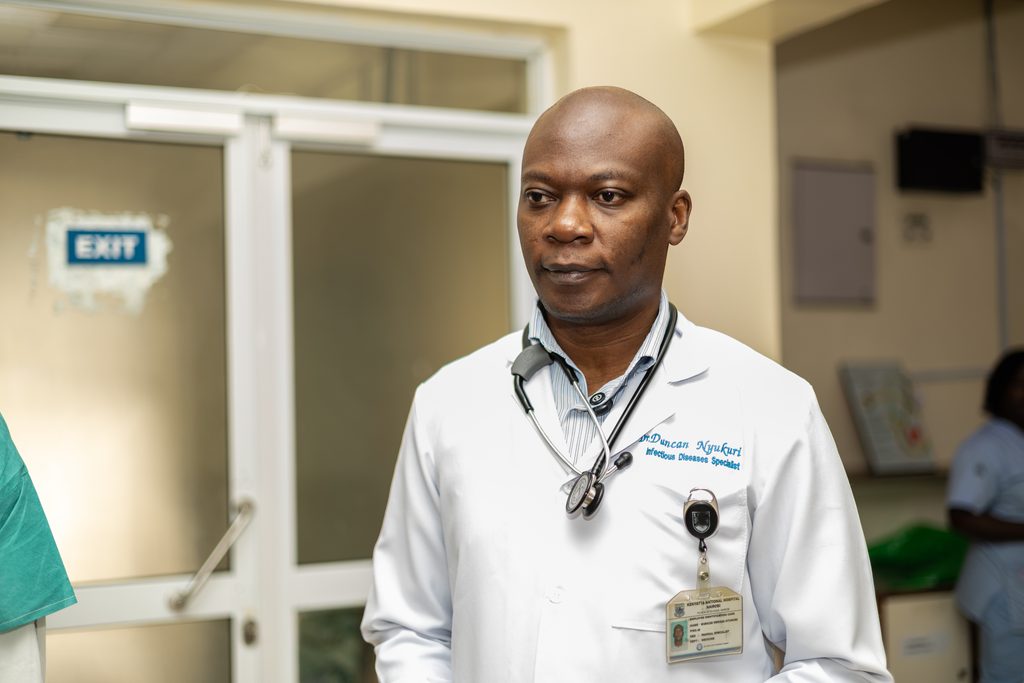
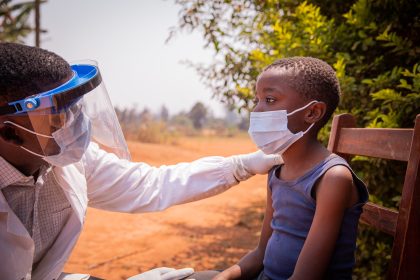
Dr Duncan Nyukuri, a consultant physician and Infectious Diseases Specialist at Kenyatta National Hospital, said quarantine keeps close contacts under observation until the risk period has passed. Speaking at KNH, Dr Nyukuri said health workers check them for fever, joint pains, muscle aches and other symptoms, and test anyone who falls ill.
“If we notice any symptom, we isolate and test you,” he said. Those who test positive “are brought to our treatment unit, where they get the necessary treatment”.
To be discharged, a contact must reach 21 days since their last known exposure, show no symptoms and test negative. Each clock starts counting from a person’s own last exposure, or from contact with a later case, so not everyone leaves together.
After 21 days, he said, the danger has passed. “It is highly unlikely for someone to develop any symptoms after 21 days,” Dr Nyukuri said. Contacts whose last exposure is known “are safe to mix with their families and to go about with their daily activities”. Dr Ombajo believes Kenya has improved on Covid-19, giving contacts individual rooms where possible, phones and laptops, and health workers available on hand if symptoms appeared.

“The (initial) quarantine facilities were not designed for a disease of this nature,” Dr Amoth told a World Health Organization (WHO) media briefing on Thursday.
At one site, where one person per room with separate toilets and showers was not achieved, quarantine dates were reset to October 19. After CCTV cameras and Zoom calls with doctors and community leaders, “now they are more cooperative,” he said.
Most contacts were never at high risk, Dr Ombajo said. Merely sitting beside an infected person does not count. “If we are hugging, if we are sharing things, if we are sleeping in the same room, that would make it high-risk exposure.” High risk meant household members and health workers who cared for a patient without proper protective gear. Everyone else was quarantined “out of an abundance of caution”.
All eight of Kenya’s secondary cases were found among contacts already in quarantine
Dr Irungu Kamau, Acting Head of Infection Prevention and Control at the Kenya National Public Health Institute (KNPHI), said on October 15 that the main route for infection with Bundibugyo virus disease is “direct contact with body fluids”, such as blood, vomit, stool, urine and semen from a case, a suspected case or a sick patient, or with the bodies of the dead. Soiled bedding and clothes carry risk, as do needle-stick injuries, “which are quite common”.
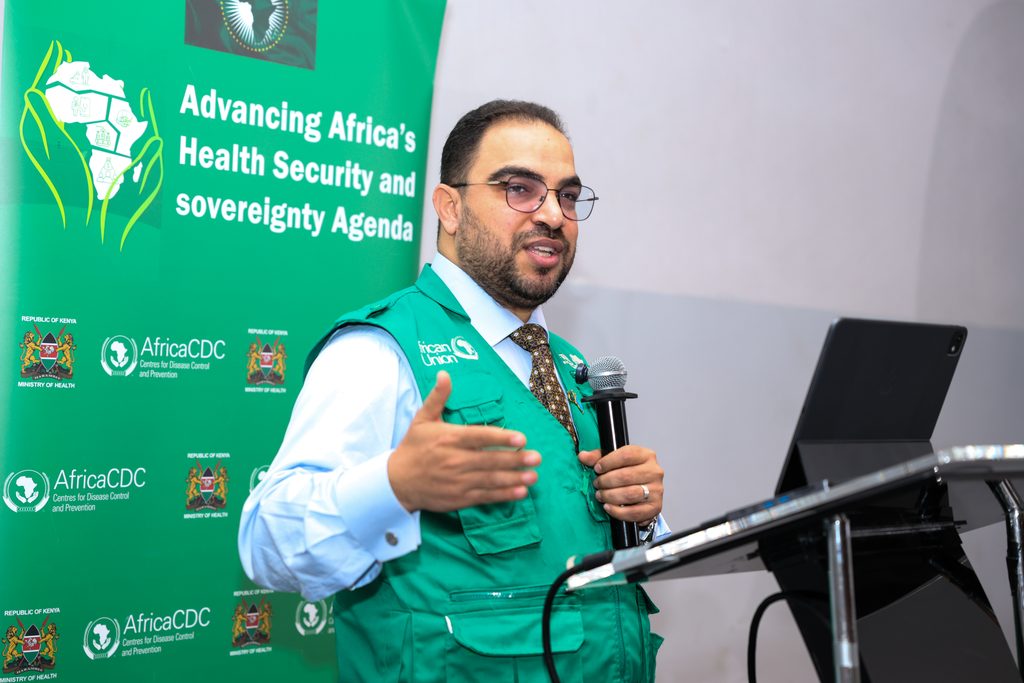
Unlike Covid-19, Ebola is not airborne, and mosquitoes do not carry it. “It does not spread from a person who does not have symptoms,” Dr Kamau said. “It does not spread if you are living near a quarantine facility, meaning the community around there is safe.”
The evidence supports calm. Wessam Mankoula, who leads Africa CDC’s continental incident management team, said on Thursday that all eight of Kenya’s secondary cases were found among contacts already in quarantine, which Dr Kamau credits to early screening. Dr Patrick Otim of WHO’s Africa regional office called them “a well-defined cluster where the cases were identified and followed”, so Kenya is not classed as having community transmission.
Kenya had never recorded an Ebola case before this month, so Dr Ombajo expects anxiety about “the unknown”. The returnees have endured “21 days away from family, away from friends, away from work, away from home”, and deserve support “so that they can get on with life without having to deal with our own fears and our own stigma.”
Some lost casual income, some face nervous employers and some parents were suddenly separated from their children, so psychosocial support runs through quarantine and discharge. “Let us not make someone lose a job because they have been in quarantine.” Dr Amoth has asked neighbours, workplaces and communities to receive them warmly.
“Please don’t panic and let’s not segregate the people we release back to the public”
Stigma around quarantine facilities is already causing “a lot of challenges”, Dr Kamau said. “We need to destigmatise the point of screening and separation, and we need to destigmatise the isolation itself.”
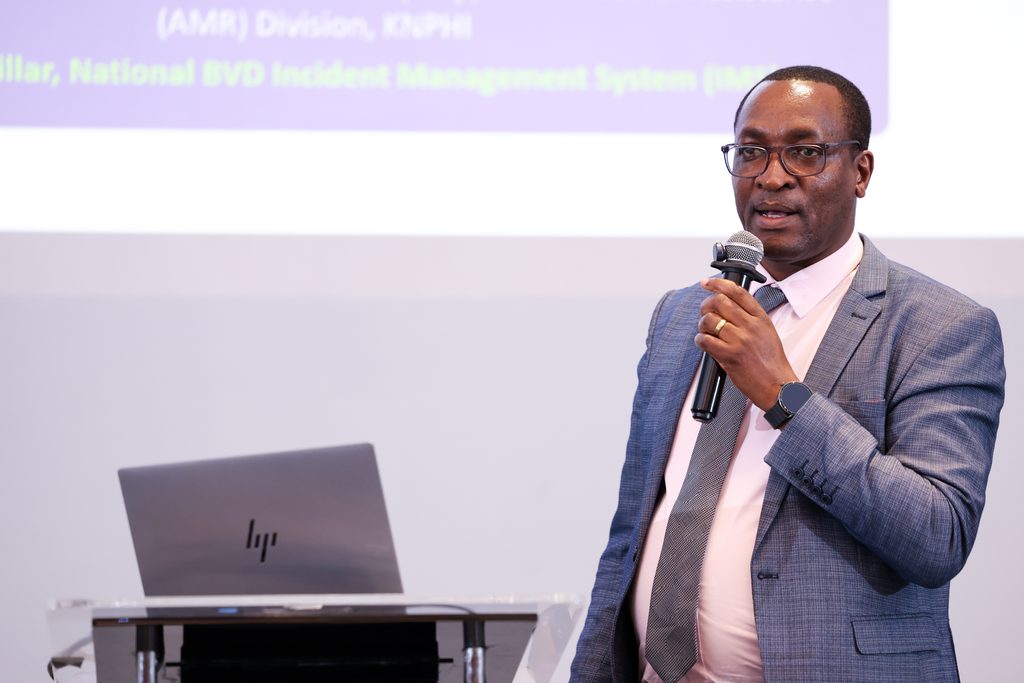
Dr Nyukuri urged calm. “Please don’t panic and let’s not segregate the people we release back to the public,” he said.
“At the time we are releasing them back to the public, we have done our due diligence; we are using science and not fear to manage our patients.”
Of the nine confirmed cases, the index patient died on October 5. The other eight, four relatives and four health workers who cared for him, are stable and responding well to treatment, but their release is stricter.
Once symptom-free and off treatment, a person with Bundibugyo virus disease has a blood test after three symptom-free days and, if negative, a second after another three. Two negatives are required, “to be very sure that by the time you are being released, there is no chance that you are going out with any virus,” Dr Ombajo said. Health workers meet the same standard before returning to the wards.
No treatment is proven for Bundibugyo, but every confirmed patient received a monoclonal antibody, a lab-made protein that binds the virus, and the antiviral remdesivir, for which the evidence is weaker.
Both stay experimental pending “sufficient data on effectiveness and safety”, she said, though “our patients have been doing fairly well, so we don’t have immediate safety concerns.”
Dr Amoth said the only complication was one patient needing extra oxygen during antibody treatment. Most care is supportive, treating fever, replacing fluids lost to vomiting and diarrhoea, and giving anti-nausea drugs, antacids and anxiety relief. “Even with Ebola, by about day 10 the body has already responded,” she said. “The issue is to keep someone well during this period.”
Children are very vulnerable to Ebola and the outcomes in children are poorer
The drugs work best while viral load is low, and high viral load drives the bleeding and organ failure of severe cases. “When someone comes too late, there is so much virus in the body that our therapies may not be very useful,” she said.
“Children are very vulnerable to Ebola and the outcomes in children are poorer,” Dr Ombajo said. Because the virus can persist in breast milk after clearing from the blood, a recovered breastfeeding mother should switch to an alternative feed, with formula for very young babies, until two breast-milk tests, taken after at least three months, are negative.
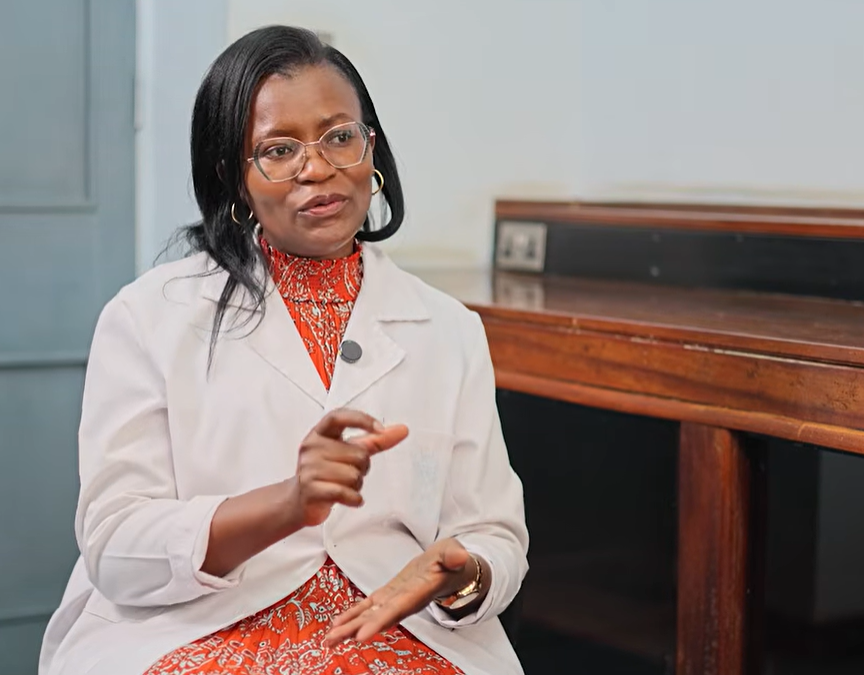
The virus also hides in what she called “privileged sites”, including the testes, so men who have had Ebola should use condoms for at least a year or until two semen tests are negative. She had no good answer for a recovered woman who becomes pregnant and breastfeeds within that window, since data is limited and Kenya must learn from other countries.
Four confirmed cases are health workers, and more than 40 were quarantined. The index case’s travel history was unavailable at first, exposing staff, so Dr Ombajo urges patients to declare travel or exposure early.
Every facility should ask three questions, she said. Does the patient have symptoms? Have they travelled from an affected area? Have they had contact with a person with Bundibugyo virus disease?
“Even in an emergency, I need to be safe to be able to take care of the emergency,” she said. “If we lose our healthcare workers, who will take care of us?” Samples go to a few high-containment laboratories, including the National Viral Reference Laboratory, where technicians wear full protective equipment.
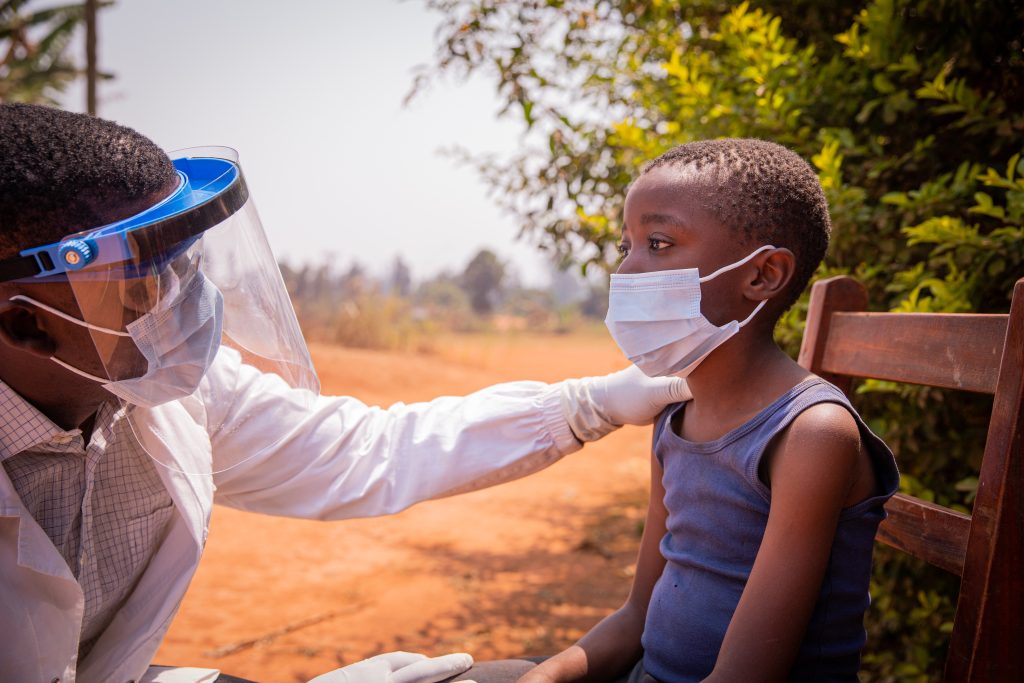
No country can be ready for a large number of cases, Dr Ombajo said, so the best defence is stopping community spread. Kenya has passed that test so far, tracing all 135 contacts of the first case at home and abroad. “When it spreads in the community, it becomes a lot more difficult.”
An internal review by the Bundibugyo virus disease Incident Management System at KNPHI rated overall preparedness at 66 per cent when the regional response began in May.
Contact tracing scored 100 per cent, but infection prevention and control managed just 25 per cent and case management 36 per cent, two areas central to protecting health workers. Points of entry scored 60 per cent and logistics 49 per cent, and poor internet has disrupted screening at the Malaba, Lwakhakha and Suam crossings.
Nigeria has confirmed an imported case in Abuja, in a woman who was recently in Uganda
Borders, in her view, will decide what comes next. Done well, the episode could end as “a situation that happened and we have moved on”. If many more cases arrive, “we will be in this space for a long time”.
Kenya has screened 709,093 travellers, but Dr Otim warned that travellers may not declare exposure, run a temperature or look ill. WHO Africa’s Director of Health Emergencies, Dr Marie Roseline Belizaire, said some take paracetamol to hide fever. “The system works if the traveller cooperates.”
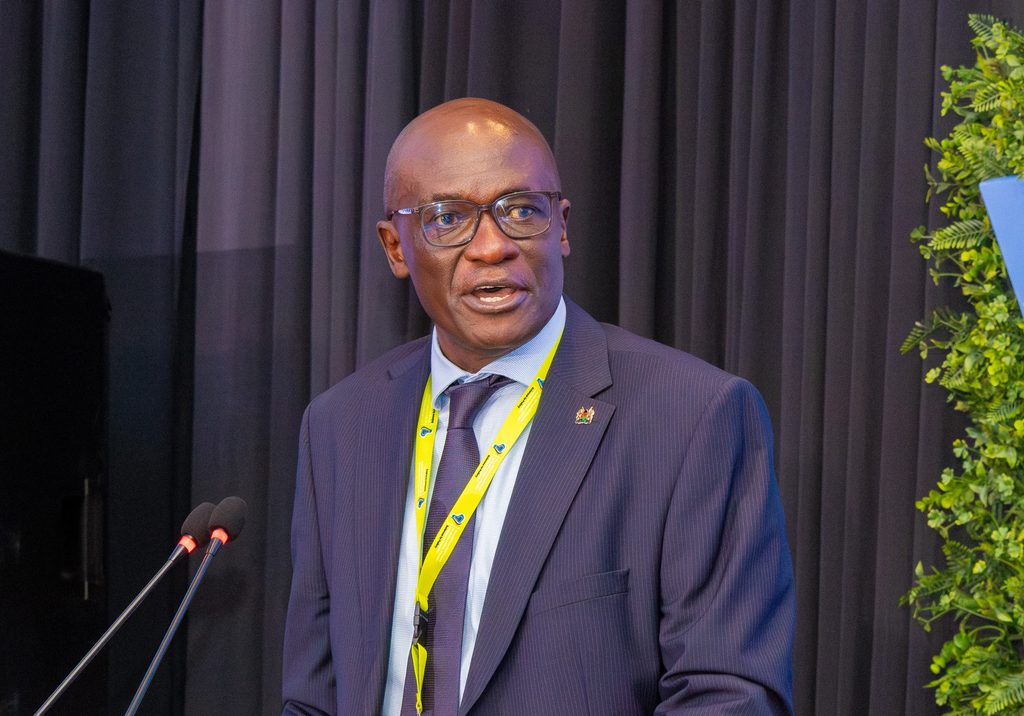
The regional picture is grimmer. Africa CDC data show only about 12 per cent of confirmed cases in the Democratic Republic of Congo (DRC) were among known contacts, and WHO regional director Dr Mohamed Janabi said the country has passed 9,000 confirmed cases and 4,000 deaths, with an eighth province affected.
Ebola “follows movement, exploits gaps and tests the strength of our health systems”, he warned. Nigeria has confirmed an imported case in Abuja, in a woman recently in Uganda, WHO says. Africa CDC calls this the most geographically widespread Ebola epidemic on record and has declared a public health emergency of continental security. Director-general Dr Jean Kaseya has invited health ministers to an extraordinary virtual meeting on 28 October.
Sealing every porous border is unrealistic, Dr Ombajo said. The fix is to identify crossing points, screen travellers there and tell arrivals which symptoms to watch for and where to report them. “That would really be what makes or breaks our response.”
Beyond the hospital screen, Dr Kamau’s remedy is soap and water or alcohol-based hand rub, which he called “the simplest story anyone can tell”. Proper hand hygiene is “documented to prevent up to 80 per cent of infections”. Germs “have no legs”, he said, but ride contaminated hands to shared surfaces.
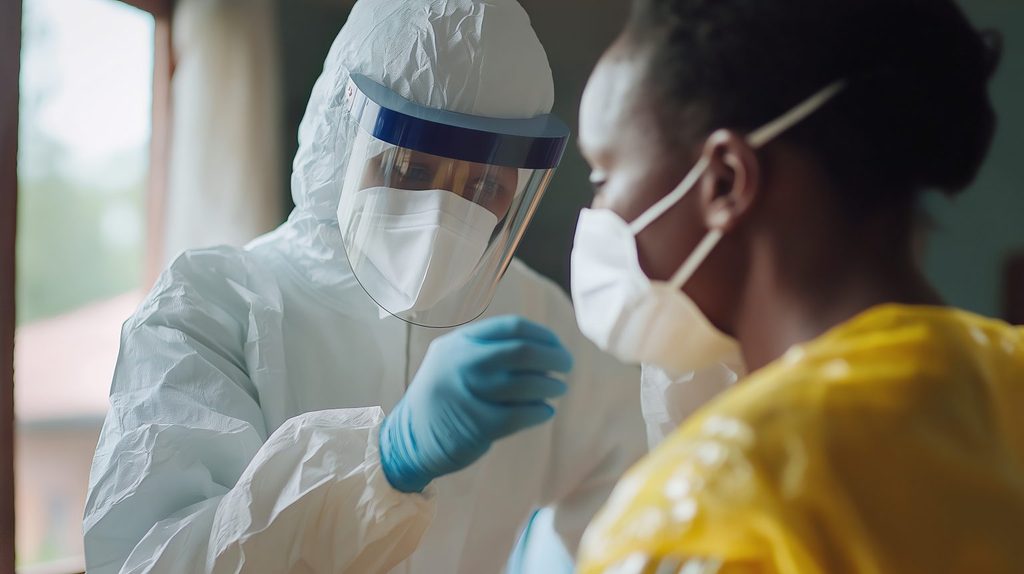
“If I perform proper hand hygiene, even if my hands were contaminated, then I’m sure that I’ve protected any other person I come into contact with.”
Trust completes the defence. Dr Ombajo called misinformation one of the biggest problems, with some online asking whether Ebola is real or a government exaggeration to attract donor money.
“Ebola is not something you can hide,” she said, urging officials to keep sharing information openly and the public to stop spreading rumours. “We are as prepared as a community is.” Keeping every new case inside quarantine depends on tracing, testing, early reporting, clean hands and, from Sunday, how Kenyans receive the people coming home.
Life continues as normal, the ministry says, with no restrictions on travel, trade or public gatherings. Anyone with fever, unusual tiredness, muscle or joint pains, sore throat, vomiting, diarrhoea or unexplained bleeding should seek help immediately at the nearest health facility, call 719 free of charge or use the Jali WhatsApp chatbot on 0700 719 719. “The end of this outbreak is within reach,” Dr Amoth said, “and together we will get there.”
We believe in the free flow of information
Republish our articles for free, online or in print, under Creative Commons licence.