

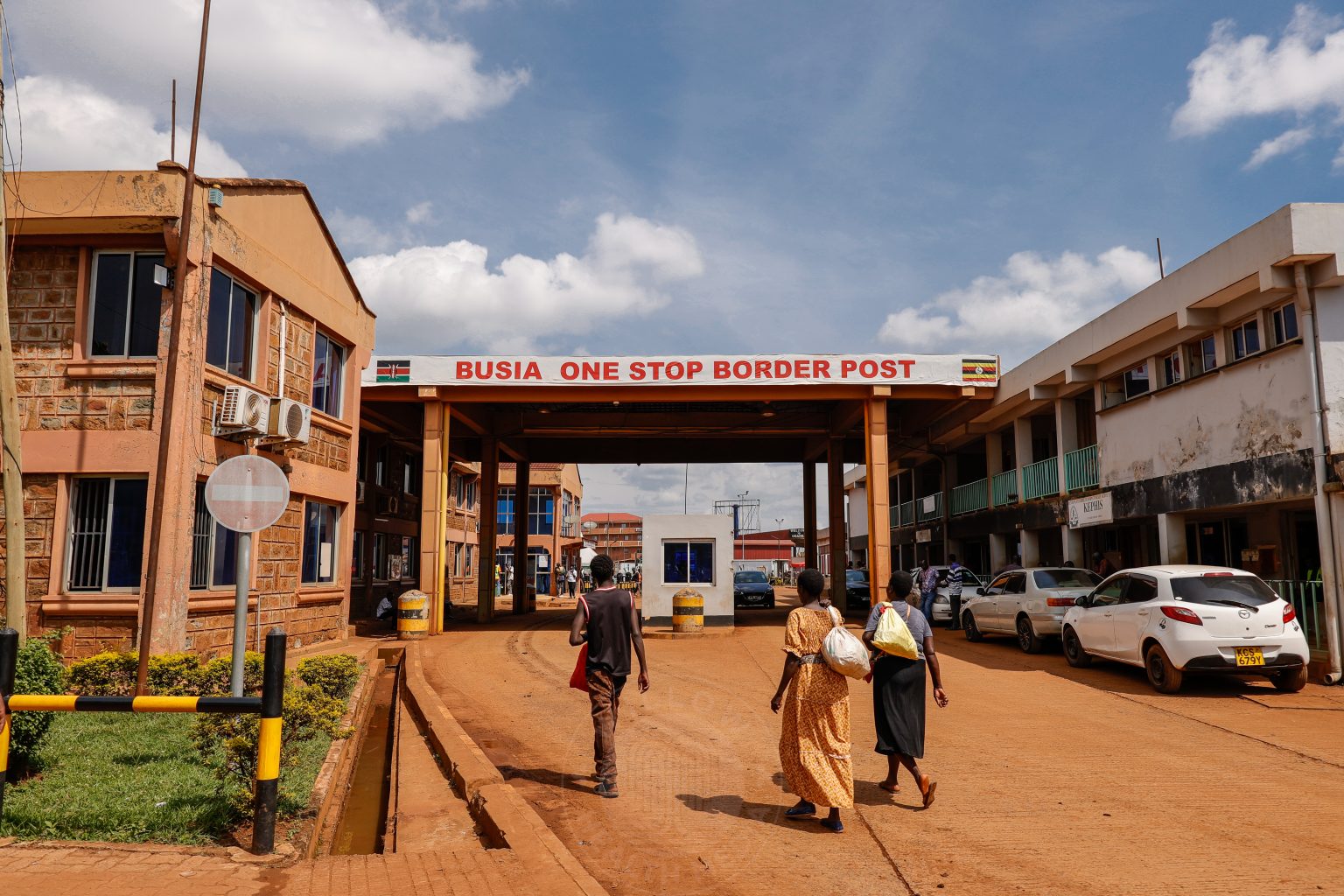

As Kenya buries its first Bundibugyo Ebola patient, Busia and other border counties are scaling up surveillance, isolation and testing. Officials point to clear progress, but untraced contacts, porous crossings and a missed airport screening expose the real gaps.
In Busia, a major crossing point between Kenya and Uganda, health officials have chased several Ebola scares, and every one of them returned negative.
Then Kenya confirmed its first case who had come in not through Busia, but through the Jomo Kenyatta International Airport (JKIA) in Nairobi.
“We are alarmed that someone came in,” Deputy Governor Arthur Odera told Willow Health Media by phone earlier today.
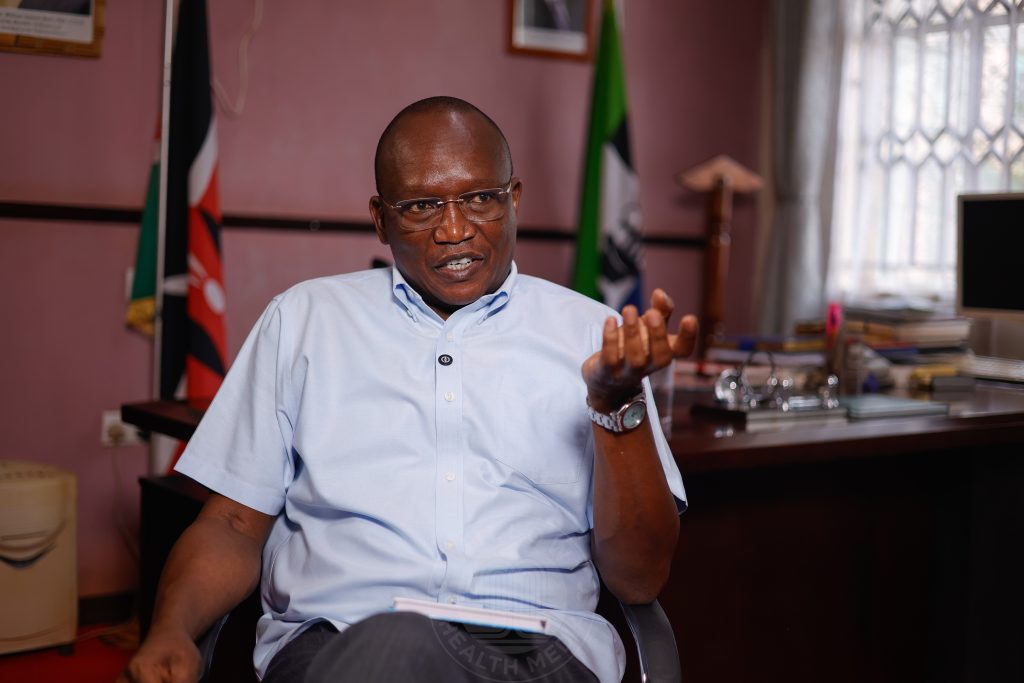
His unease reflects a wider shift along the Western corridor, where counties are tightening surveillance after the imported case carried the largest Ebola outbreak since the 2014 to 2016 West African epidemic onto Kenyan soil.
The patient, a Kenyan man who had lived in the Democratic Republic of the Congo (DRC) for about seven years, travelled by road into Uganda and flew from there to Nairobi, landing at Jomo Kenyatta International Airport (JKIA) on October 3.
He died two days later, and a safe and dignified burial followed in line with public health protocols.
The species behind his infection, Bundibugyo, has no licensed vaccine or treatment. Since the DRC confirmed the outbreak in Ituri Province in May, it has reached at least seven of the country’s provinces and crossed its borders.
By October 7, the US Centers for Disease Control and Prevention (CDC) counted 8,688 confirmed cases and 4,181 confirmed deaths across the DRC, Uganda, Kenya and France. Nearly half of those infected have died. Uganda, which recorded 20 confirmed cases and two deaths, was declared Ebola-free on 28 July, though the World Health Organization (WHO) warns it remains vulnerable to reintroduction.
Health workers caught the case through their own vigilance and systems the government has progressively strengthened
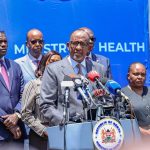
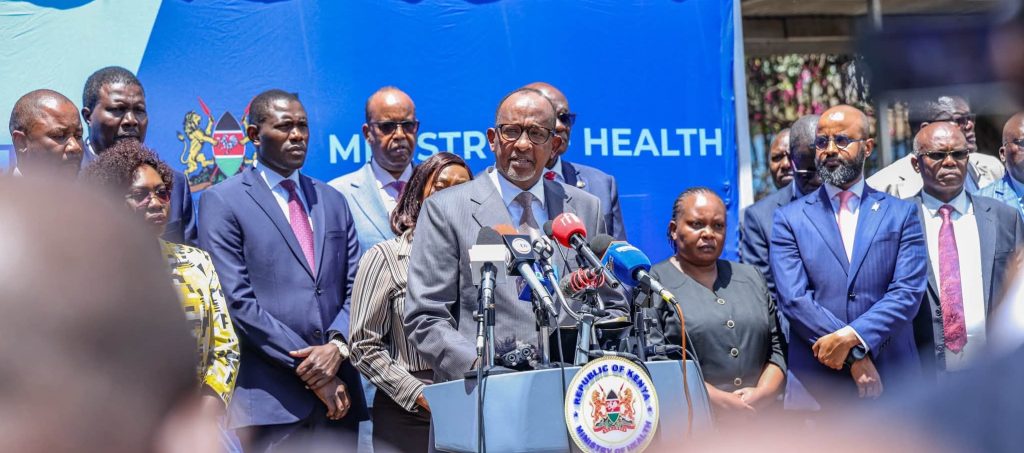
Against that backdrop, Health Cabinet Secretary Aden Duale moved to steady nerves abroad. He briefed ambassadors, heads of diplomatic missions, international organisations and development partners, telling them the government had activated its preparedness and response systems and was treating the situation with urgency.
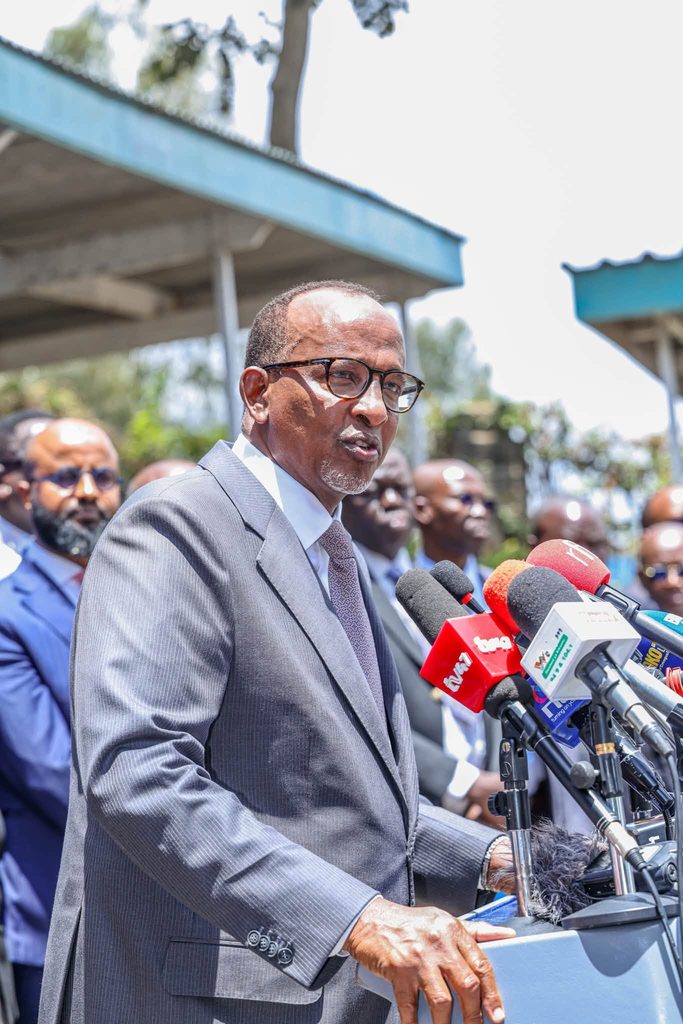
“I wish to assure our partners and the international community that Kenya remains safe, open and vigilant,” Duale said. The imported case, he stressed, was “a serious public health event” but “does not, by itself, establish widespread transmission in the country.”
Duale extended condolences to the man’s family and said the government was relying on verified epidemiological information and established public health protocols.
Health workers caught the case, he said, through their own vigilance and through systems the government has progressively strengthened.
After the confirmation of the imported case, President William Ruto directed the intensification of contact tracing and response operations.
Teams have identified 57 contacts and those already accounted for are under monitoring and quarantine, while the search for the rest continues.
“Our teams are working continuously to trace the remaining contacts and ensure that anyone who develops symptoms is rapidly identified, isolated, tested and managed,” Duale said.
Testing has kept pace too. Five designated laboratories, including mobile laboratory capacity, return results in roughly six to 12 hours nationally. Of 268 samples tested so far, one has come back positive.
Additional facilities are being operationalized in Busia County and other priority areas
Kenya has also designated isolation, treatment and quarantine facilities at Kenyatta National Hospital, Moi Teaching and Referral Hospital, the National Police Service Hospital, Port Reitz Hospital and The Nairobi Hospital.
Together they hold 241 beds. Additional facilities are being operationalized in Busia County and other priority areas.
Much of this infrastructure predates the patient’s arrival. The national Incident Management System has been active since May 2026, and national and county emergency coordination structures remain on high alert.
The National Rapid Response Team works alongside County Rapid Response Teams in 27 counties, backing enhanced surveillance in health facilities and communities. The toll-free public health line, 719, remains open.
“To date, 4,971 health workers have been trained on Ebola preparedness and response,” Duale said.
Officials have screened more than 652,000 travellers cumulatively at 15 points of entry, and surveillance teams have investigated 263 alerts from 17 counties.
Protecting frontline staff remains a priority, Duale said, with infection prevention commodities and personal protective equipment (PPE) mobilised.
The government has committed substantial resources, backed by the US Government, IGAD, Africa CDC and the World Health Organization (WHO), which supplied 1,000 sets of PPE. The Government of India donated a further 6,000.
The county has a staffed isolation centre, an ambulance, holding rooms designed to keep suspected patients apart, and laboratory capacity
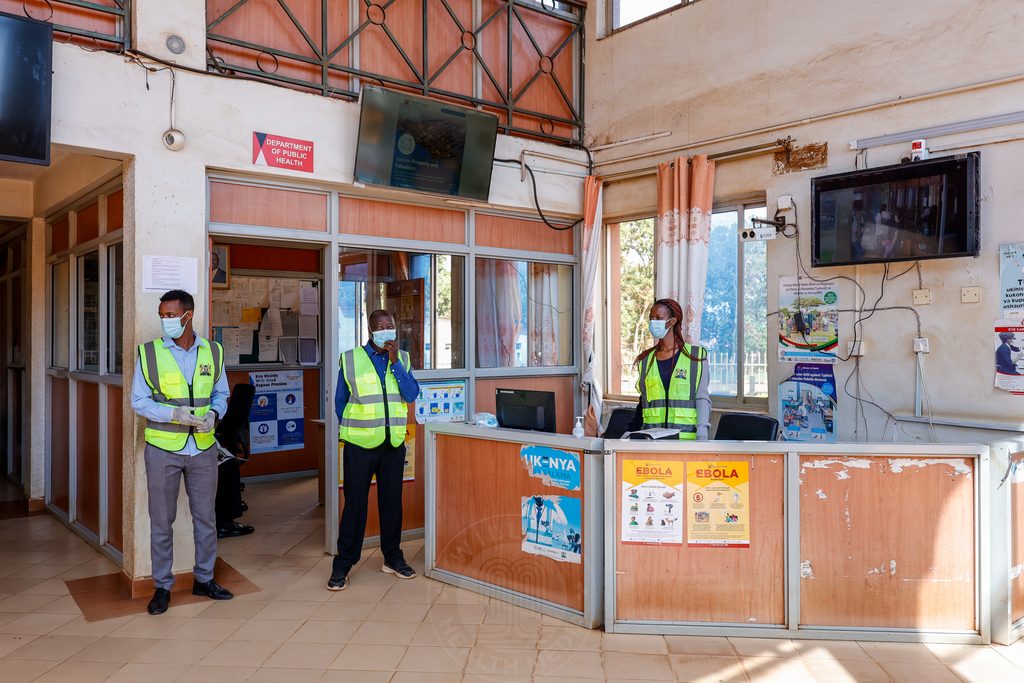
Land borders, however, remain a front the national system cannot fully police from Nairobi. In Busia, Odera said surveillance had been heightened across the county, with health personnel deployed to un-gazetted, porous border crossings.
The county has a staffed isolation centre, an ambulance, holding rooms designed to keep suspected patients apart, and laboratory capacity that includes a mobile laboratory.
In neighbouring Kakamega, Governor Fernandes Barasa urged residents across Western Kenya to stay alert and to seek immediate medical attention if they develop unusual or life-threatening symptoms. Reporting promptly to the nearest health facility, he said, would let health authorities investigate suspected cases quickly and act to prevent possible spread. He urged residents not to ignore worrying symptoms and to cooperate with health authorities.
“Western Kenya must remain vigilant and strengthen preparedness against any possible outbreak,” Barasa said. “Residents should remain calm, report any life threatening symptoms early and rely on official communication from health authorities.”
Duale himself framed the briefing as a chance to “identify gaps where your continued support will strengthen our response.” He asked partners for coordinated help with field operations, logistics and commodity distribution, surge capacity, community engagement, patient referral and dedicated transport systems, channelled through national response structures.
Other weak points are visible in the figures. Some of the 57 contacts were still being traced when Duale spoke. Busia’s additional isolation facilities are still being brought into operation, while county rapid response teams cover 27 of Kenya’s 47 counties. And informal crossings, by their nature, sit outside the 15 screened points of entry.
The patient’s own journey exposed a further gap. He passed through routine health screening at JKIA without being flagged. Dr Patrick Amoth, Kenya’s Director General for Health, told reporters that medication may have masked his symptoms during screening, and that border controls alone cannot keep a pathogen out.
The approach is to detect early, isolate safely, test rapidly, trace comprehensively and respond decisively
That is why officials and international health bodies are placing their bets on speed rather than shutdowns. Duale cautioned against disproportionate restrictions on travel and trade, arguing that they could cause significant social and economic disruption without necessarily adding public health protection. WHO takes the same line, advising against travel or trade restrictions on affected countries and urging stronger cross-border coordination and surveillance at informal crossings of the kind Busia is now staffing.

“Our approach is clear: detect early, isolate safely, test rapidly, trace comprehensively and respond decisively,” Duale said.
Barasa argued that the fix must also be regional. “We need to coordinate as leaders across the region to strengthen surveillance and ensure our counties are prepared to respond,” he said.
Duale urged the international community to base its decisions on verified epidemiological information, science and established international public health principles. The government, he said, would keep sharing verified information with the public, neighbouring countries and international partners as the situation evolves.
“I want to emphasise that Kenya remains safe for travel, tourism, trade and investment,” he said. “I encourage airlines to continue operating, tourists to continue visiting Kenya, businesses to maintain their operations, and our regional and international partners to sustain normal trade and investment.”
He asked partners to keep supporting Kenya as it works to protect lives, safeguard livelihoods and maintain regional and international connectivity, and reaffirmed his commitment to a coordinated response that protects Kenyans and everyone visiting the country.
“Kenya remains open. Kenya remains vigilant,” Duale said.
We believe in the free flow of information
Republish our articles for free, online or in print, under Creative Commons licence.