


Two Kenyan families lost several months, and one lost a child, before doctors recognised tuberculosis hiding behind ordinary childhood symptoms, including some that looked like the common cold.
By the time doctors finally tested her for tuberculosis, 17-year-old Ida Precious Otieno could no longer walk unaided. She needed help using the toilet and wore diapers because she could not stand and was confined to her bed. It had taken three months, and a string of wrong diagnoses, to get there.
When Ida came home from boarding school, her own mother, Caroline Achieng, could not recognise her.
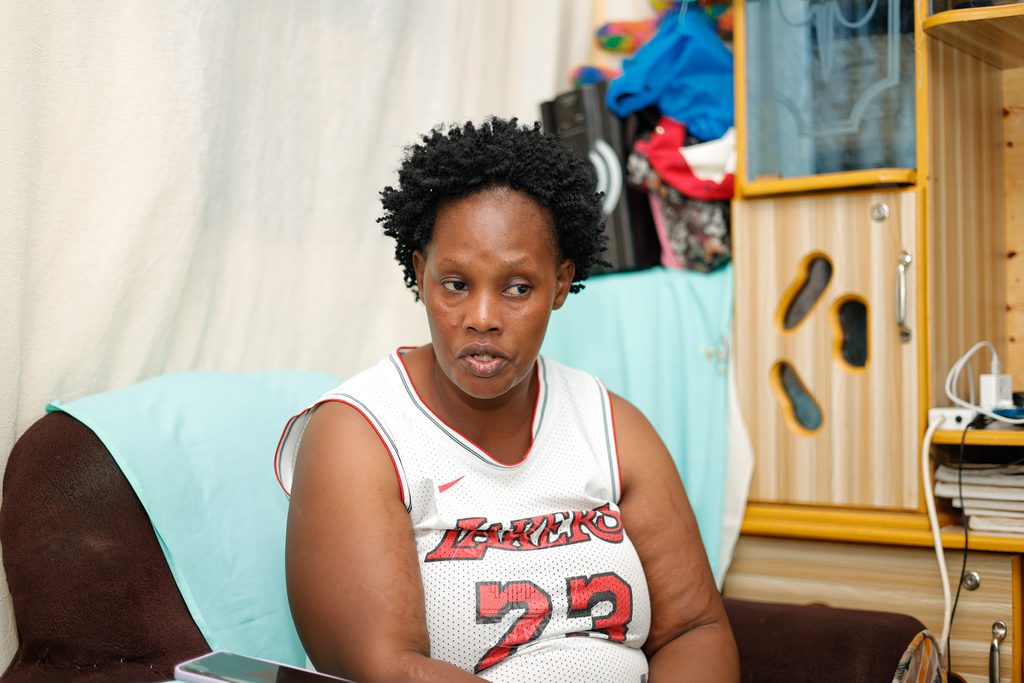
“I was shocked when I saw her,” says Achieng. “She told me she was always tired. She couldn’t eat, and whatever she ate, she vomited.” One hospital suspected a chest infection and prescribed an inhaler. Another treated her for a Helicobacter pylori (H. Pylori) infection. Medications piled up while Ida kept deteriorating.
“Everywhere we went, they said they couldn’t find the illness,” Achieng says. “I kept asking myself, ‘If there is no disease, why is my child getting worse?'”
The family spent thousands of shillings moving between hospitals before money ran out. “I didn’t even have the money to take her back,” Achieng recalls. Only after Ida returned to her grandmother’s home in Homa Bay County and underwent further tests at the county referral hospital, did doctors identify tuberculosis (TB). She started treatment in September 2025 and, with physiotherapy, slowly learnt to walk again.
“I had never seen this disease in my family before,” Achieng now says. “If I had known the signs earlier, maybe we would have found it sooner.”
Children under 15 account for roughly 11 per cent of TB cases globally, yet many are never diagnosed
Unlike Achieng, Anne Njeri Wamaitha’s household did not even know where to look. Her sister had battled TB during pregnancy, developed drug resistance, and died shortly after giving birth. The infant Njeri took in showed nothing that screamed TB, just recurrent fevers, poor weight gain, and persistent weakness.

Hospital visits ended the same way each time, with treatment for fever, reassurance, and another trip home. Only a chest X-ray finally prompted the question that changed everything: whether there was TB running in the family. “There was,” Njeri says quietly.
The household screening that followed found Njeri and her mother both positive, along with three children, including the six-month-old infant, a one-and-a-half-year-old, and Njeri’s own child.
“When they told me I had TB, I cried,” she says. “I wondered whether we had been cursed. My sister had died, and now this was happening to all of us.”
Njeri says she had to crush medicine and mix it into porridge each day, but some days she could not even afford the porridge. “There were times I gave them the medicine with only water because there was no food,” Njeri says. “I just prayed to God that it would help.”
The medicines left Njeri weak, and the children fought poor appetite through months of frequent hospital visits. Her mother, also battling kidney cancer, died before finishing her treatment. The children recovered after nine months, but the infant later died of pneumonia before her second birthday.
These are the two faces of childhood tuberculosis in Kenya, missed because nobody suspects it, or missed despite months of searching. Children under 15 account for roughly 11 per cent of TB cases globally, yet many are never diagnosed, according to the World Health Organization (WHO) Global TB Report 2025. An estimated 172,000 HIV-negative children and young adolescents died from the disease in 2024, despite it being preventable and curable.
Kenya’s National TB and Leprosy Programme estimates thousands of cases go undetected every year, and children make up a significant share of those “missing” patients, not because treatment is unavailable, but because diagnosis is so difficult.
Children present with recurrent respiratory infections, poor weight gain or unexplained fatigue that get mistaken for common childhood illness
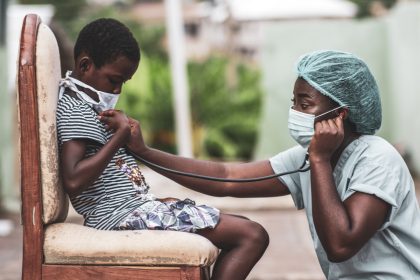
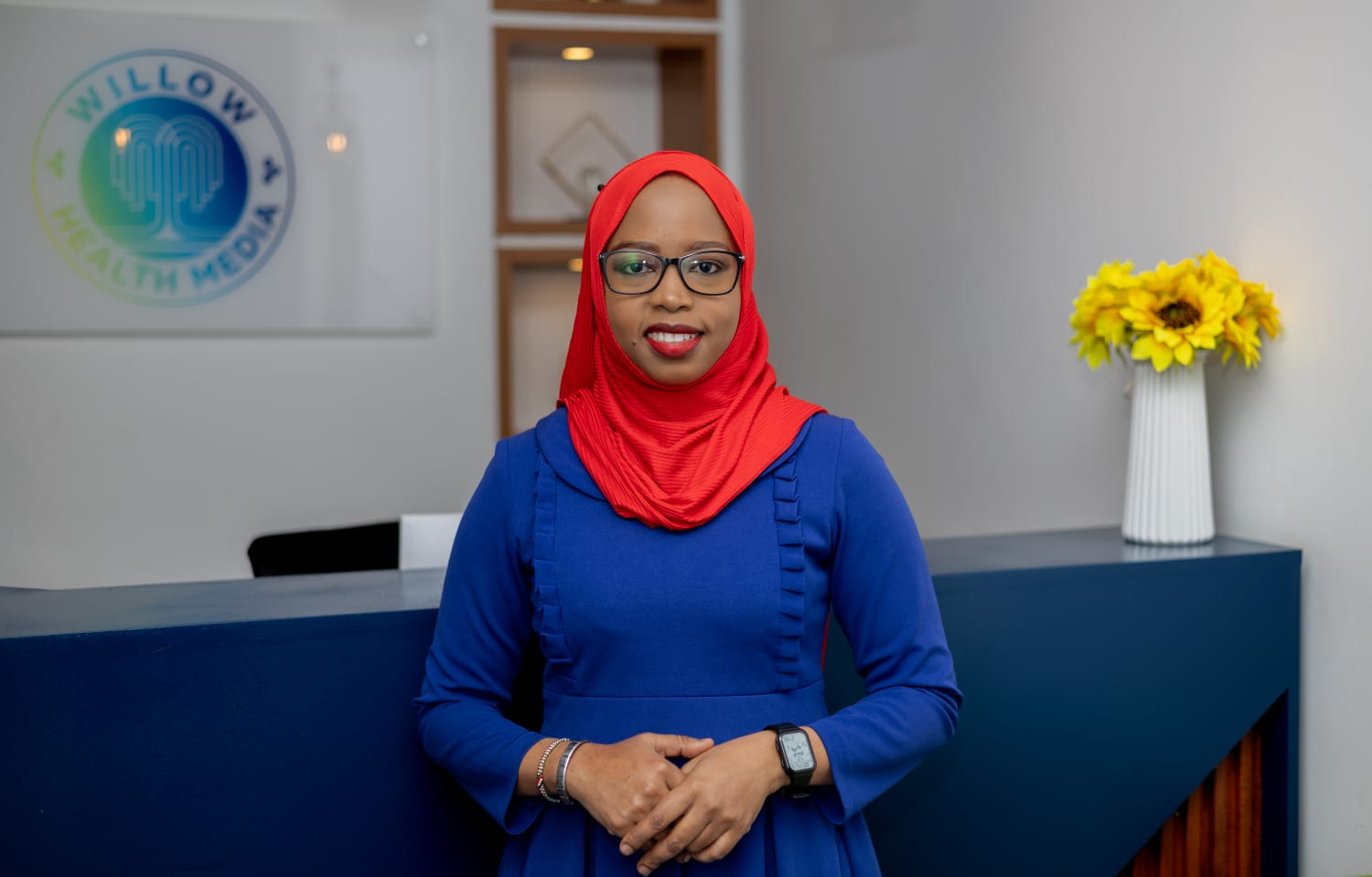
“The reason TB is under-recognised in children is because they do not present with the classical symptoms we associate with tuberculosis,” says Dr Adeel Shah, a paediatric infectious diseases specialist at the Aga Khan University Hospital. Adults typically develop a persistent cough, fever and night sweats, but children rarely do, presenting instead with recurrent respiratory infections, poor weight gain or unexplained fatigue that get mistaken for common childhood illness.

“They may spend months simply looking like children who keep getting colds,” Shah says. “By the time the diagnosis becomes obvious, the disease may already have spread.”
That delay matters because young children are more likely to develop severe TB that spreads beyond the lungs to the brain, bones or abdomen, sometimes leaving permanent disability, lung damage or neurological complications.
Confirming a suspected case is its own battle. Most young children cannot cough up sputum, the specimen needed for GeneXpert, Kenya’s primary diagnostic tool, so doctors rely on gastric aspiration, induced sputum or stool samples instead, and even these frequently fail to detect the disease.
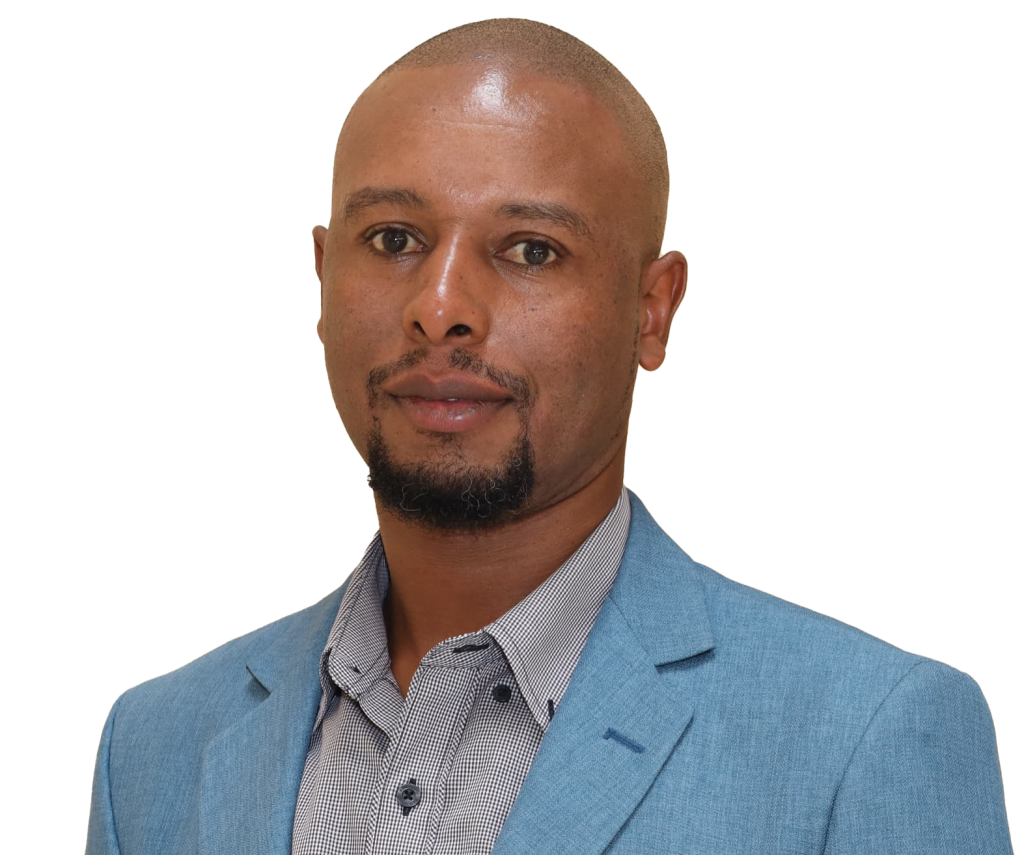
“Children have what we call a low bacillary burden,” explains Dr Irungu Karuga, Senior Technical Officer for TB Care and Prevention at Tamatisha TB, Centre for Health Solutions-Kenya. “They carry very few TB bacteria, so laboratory tests are frequently negative even when the child actually has tuberculosis.”
Chest X-rays offer another route to diagnosis, but while the WHO now recommends AI-assisted reading of X-rays for adults and adolescents, no such tool has been validated for young children, leaving diagnosis dependent on experienced clinicians. Other supporting tests, the Tuberculin Skin Test and Interferon Gamma Release Assays, are not routinely available in many facilities.
“Most healthcare workers are familiar with adult TB,” Karuga says. “Children present differently, and unless there is a high index of suspicion, the diagnosis can easily be missed. Unfortunately, some children die because diagnosis remains elusive.”
The association of TB with HIV, or beliefs that it is a curse make parents reluctant to test children or tell relatives and schools
In Mathare North, Community Health Promoter (CHP) Beatrice Adhiambo Otieno sees the pattern daily as she moves house to house, screening families and following up patients on treatment.
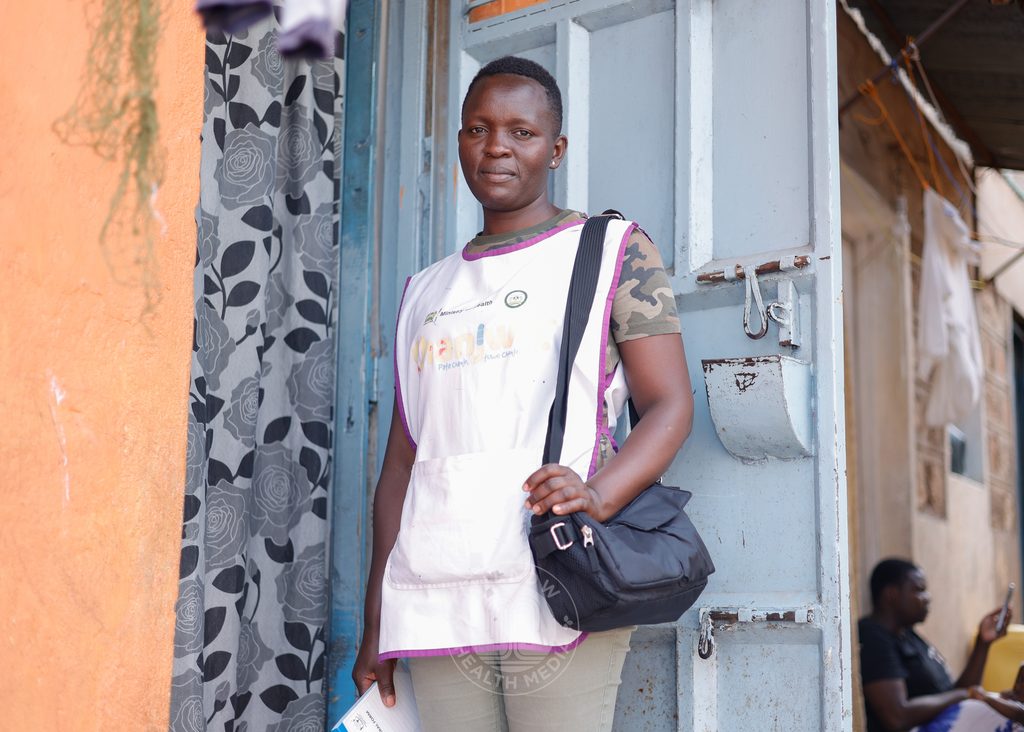
“When I visit homes, mothers usually tell me the child has had a fever, is coughing, or sweating a lot at night,” she says. “Sometimes they have already bought medicine from the chemist, but the child is still not improving.” She watches for poor weight gain, reduced appetite, and children who have stopped playing. “Those are danger signs,” she says. “When I see them, I immediately refer the child for further assessment.”
Poverty and stigma both delay that referral. Families weigh transport costs against other needs, some lack insurance, and TB’s association with HIV or beliefs that it is inherited or a curse make parents reluctant to test children or tell relatives and schools.
“The first challenge is poverty,” Adhiambo says. “The second is lack of knowledge.” Once a family is diagnosed, she follows up daily to keep them on treatment. “If parents cannot collect the medicine, sometimes I collect it and take it to them,” she says.
Household screening is critical, says Stephen Anguva Shikoli, National Coordinator of the Network of TB Champions in Kenya, because children almost always contract TB from an infectious adult.
“Children don’t usually infect each other,” he explains. “Most are infected by adults in the same household.” Yet healthcare workers often overlook the possibility. “When a mother comes to hospital several times with a child, TB is often not the first thing the healthcare worker thinks about,” Anguva says.
Cost widens the gap further, since GeneXpert requires sputum that many children cannot produce, and alternative procedures need equipment and trained staff that are not always available. “You reach a point where a parent has to decide whether to buy food or pay for investigations,” Anguva says. “Many choose food because that is what the family needs immediately.”
Anguva puts figures behind that trade-off. A chest X-ray alone costs upwards of Ksh1,000, he says, while sputum testing, whether GeneXpert or microscopy, varies by facility and costs far more in private hospitals, with some institutions charging as much as Ksh10,000 for a GeneXpert test. He says public facilities often provide the test free of charge, but availability is the bigger constraint, and families travelling long distances to reach a facility face transport costs on top of everything else.
Operational research is underway to evaluate AI-assisted reading of children’s chest X-rays, technology that could sharpen early detection
Stigma follows children into the classroom, too. “In some schools, children with TB become examples during lessons,” he says. “That only increases stigma.”
Despite all this, childhood TB is among the most treatable infectious diseases when caught early. Treatment success among children reached 92 per cent globally in 2023, the highest rate for any age group according to the WHO.

Kenya has adopted WHO recommendations on childhood TB, introduced simplified clinical algorithms for frontline workers, expanded digital chest X-rays, strengthened specimen referral systems and integrated TB screening into HIV and community health programmes, Karuga says.
More children exposed to infectious relatives are now receiving preventive treatment before active disease develops, and shorter treatment regimens are making therapy easier to complete. Operational research is underway to evaluate AI-assisted reading of children’s chest X-rays, technology that could eventually sharpen early detection.
What is missing, Karuga says, is greater investment in child-friendly diagnostics, digital X-ray services, specimen transport networks, healthcare worker training and household contact investigation.

Shah agrees that the fix is not only on medical technology, but also personnel attitude.
“If a child keeps returning with recurrent chest infections, unexplained fever, poor weight gain or persistent illness, TB should always be considered,” he says, urging parents not to dismiss subtle symptoms. “It may not just be asthma or another cold. Seek specialist care if your child is repeatedly unwell.”
With children now accounting for roughly 11 per cent of TB cases worldwide, that shift in suspicion, among clinicians and parents alike, is what stands between a manageable illness and a preventable death. Anne Njeri Wamaitha has already made hers. She now works as a TB champion, urging other caregivers to seek help early. “I don’t wait anymore,” she says. “If a child starts coughing or becomes sick, I take them to hospital immediately.”
We believe in the free flow of information
Republish our articles for free, online or in print, under Creative Commons licence.