
Why undetected hearing loss in newborns is a growing concern in Kenya: Doctors explain the risks, warning signs and case for universal screening.
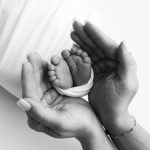
A baby’s first cry is one of the most memorable moments for many families. In the months that follow, parents wait for the first laugh, the first babble and eventually the first word. These milestones are more than cherished memories. They offer important clues about how a child’s hearing, speech and brain are developing.
But what happens when a baby is born unable to hear and nobody notices?
Unlike many health conditions, hearing loss is often invisible. A newborn with significant hearing difficulties may look completely healthy, feed normally and show no obvious signs of a problem. For many families, the first warning only comes months or years later when the child does not respond to sounds, begins speaking late or struggles to communicate and learn.
By then, specialists warn, valuable time for early intervention may have been lost.
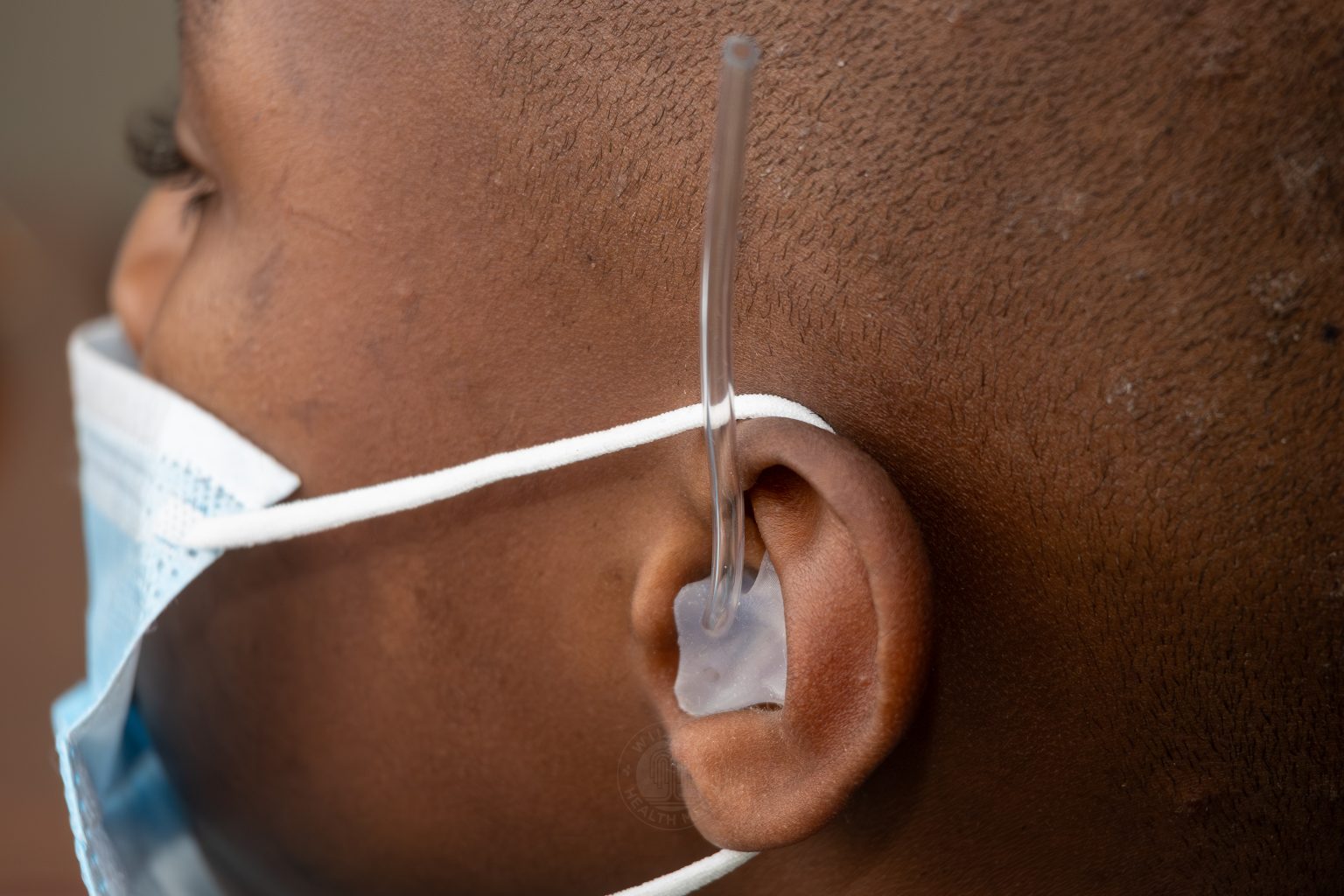
This is why hearing experts are calling for newborn hearing screening to become a routine part of early care. A simple and painless test shortly after birth can identify hearing problems before they begin to affect speech, language development and education.
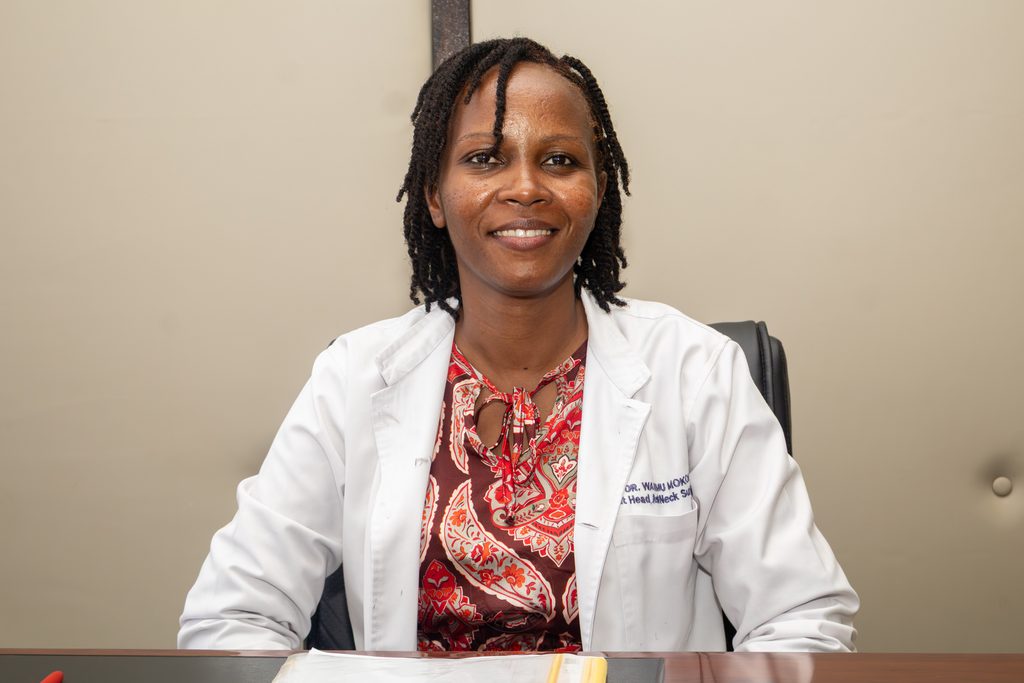
According to Dr Lillian Mokoh, a Neuro-otologist and Cochlear Implant Surgeon at Kenyatta University Teaching, Referral and Research Hospital, newborn hearing screening involves testing whether a baby has a hearing problem soon after birth.
There are two main approaches. Targeted screening focuses only on babies considered to be at a higher risk of hearing loss because of medical conditions or complications. Universal newborn hearing screening, on the other hand, tests every baby, including those who appear completely healthy.
Dr Mokoh says universal screening is the safer approach because hearing loss does not always come with obvious risk factors.
“Studies done in science have proven that when you only screen children with known risk factors, you miss up to 50 per cent of children who actually have a hearing problem,” she says.
In practical terms, relying only on risk-based screening could leave many babies with hearing loss undiagnosed.
Why the first weeks of life matter
The first months of life are a critical period for brain development. Babies are constantly learning from the sounds around them. They begin recognising familiar voices, responding to noise and gradually developing the foundations of speech and language.
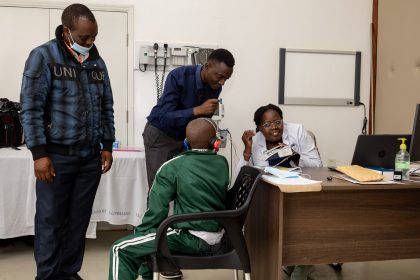
Dr Mokoh says hearing screening should ideally be completed within the first month of life, with hospitals aiming to test babies within the first 72 hours after birth, before they are discharged.
Early screening not only identifies a problem. It creates an opportunity to act.
Once hearing loss is detected, specialists can determine its cause and severity and recommend the appropriate intervention. Depending on the child’s needs, this may include monitoring, medical treatment, hearing aids, cochlear implants or speech and language therapy.
The earlier this process begins, the better the child’s chances of developing communication skills at the expected pace.
Hearing loss can begin before birth
Childhood hearing loss is often associated with illness or injury after birth, but some children are born with hearing difficulties.
According to Dr Mokoh, several factors during pregnancy can interfere with the development of a baby’s hearing system. These include maternal malnutrition, anaemia, exposure to certain diseases and the use of some medications.
Infections during pregnancy can also pose a significant risk. These include toxoplasmosis, syphilis, HIV, rubella and cytomegalovirus, or CMV. Some of these infections can be transmitted from mother to child and may cause permanent health complications, including hearing loss.
Rubella is one of the reasons vaccination remains important for girls and women of childbearing age. Congenital rubella infection can damage a developing baby’s hearing and lead to lifelong impairment.
Dr Mokoh also cautions against the inappropriate use of medications during pregnancy. Certain drugs can affect the developing hearing system, particularly during the early stages of pregnancy when the ears and other organs are forming.
Pregnant women should therefore consult qualified healthcare providers before taking medication, including drugs that may appear routine or harmless.
When birth complications put hearing at risk
The risk of hearing loss does not end with pregnancy. Complications during labour, delivery and the newborn period can also affect a child’s hearing. Babies who experience certain medical problems require closer follow-up and hearing assessment.
Some recognised risk factors include:
- Birth asphyxia, where the baby does not receive enough oxygen during delivery
- Premature birth
- Very low birth weight, particularly below 1.5 kilogrammes
- Severe newborn jaundice
- Admission to a neonatal intensive care unit
Babies admitted to intensive care are often critically ill and may require life-saving treatment. Dr Mokoh notes that while these interventions are necessary, some treatments and medical conditions associated with intensive care can increase the risk of hearing problems.
For this reason, a child who has spent time in a neonatal intensive care unit should not leave follow-up entirely to chance. Hearing assessment should form part of their continuing care.
The signs parents can easily miss
One of the biggest challenges with hearing loss in newborns is that parents cannot always identify it through observation.
Some babies with hearing difficulties may appear unusually calm. They may sleep through loud noises or fail to react when there is sudden activity around them. However, these signs alone cannot confirm whether a child has hearing loss.
Dr Mokoh says some parents even interpret this behaviour positively, describing their babies as exceptionally quiet or peaceful.
But because babies respond differently to their surroundings, observation is not a reliable substitute for a hearing test.
As children grow, delayed communication may become more noticeable. Most babies begin babbling between six and nine months and gradually start producing recognisable words. When these milestones are delayed, families may assume the child simply needs more interaction or exposure to other children.
Some parents may decide to enrol the child in school or encourage more social interaction, hoping that speech will naturally develop.
But if the underlying problem is hearing loss, more exposure alone may not address it.
Without early screening, many children are only diagnosed after speech delays or learning difficulties become difficult to ignore.
Early diagnosis can change a child’s future
A diagnosis of hearing loss does not mean a child cannot communicate, learn or thrive.
The appropriate intervention depends on the type, cause and severity of the hearing loss. Some children may require treatment for an underlying infection or condition. Others may benefit from hearing aids, cochlear implants or specialised speech and language support.
What matters most is identifying the problem early enough to give the child access to the support they need.
Dr Mokoh says children who are screened and identified early can make significant progress before they begin school. With timely intervention, many can reach age-appropriate speech and language milestones and participate more fully in learning and social life.
Hearing plays a central role in how children learn language and understand the world around them. When hearing loss remains undetected, a child may struggle in school or communication not because they lack intelligence or ability, but because they are missing information others receive through sound.
That is why specialists see newborn screening as more than a medical test. It can be the first step towards protecting a child’s ability to communicate, learn and interact with others.
For parents, the message is simple: do not wait for speech delays or school difficulties to discover whether your child can hear.
A hearing test in the first days or weeks of life can identify a problem when there is still time to intervene.
For a child born with hearing loss, early detection may make the difference between years of missed communication opportunities and a timely start to the support needed to hear, learn and thrive.
We believe in the free flow of information
Republish our articles for free, online or in print, under Creative Commons licence.