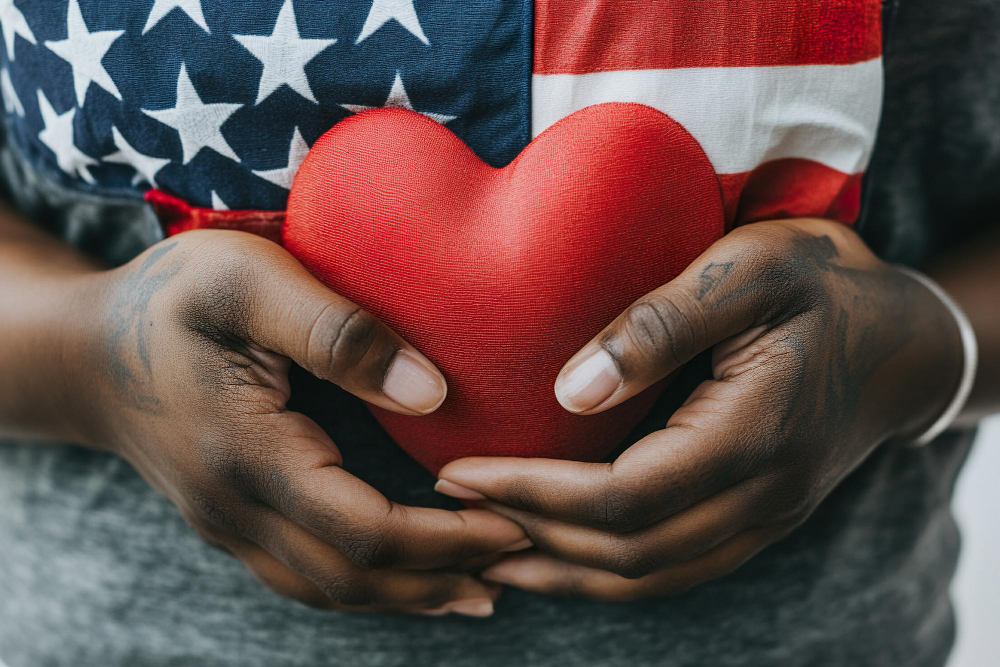

While drug supplies have stabilised over the past year, patients who faced the threat of losing access to life-saving treatment such as ARVs say the crisis left lasting scars, forcing difficult questions about Kenya’s dependence on imported medicines and foreign-funded health systems.
One year ago, panic swept through HIV clinics across Kenya after the abrupt freeze of funding from the United States Agency for International Development (USAID), the country’s single largest health donor. Patients feared drug shortages, health workers worried about layoffs, and policymakers confronted a reality many had long warned about: Kenya’s health system had become dangerously dependent on foreign aid.
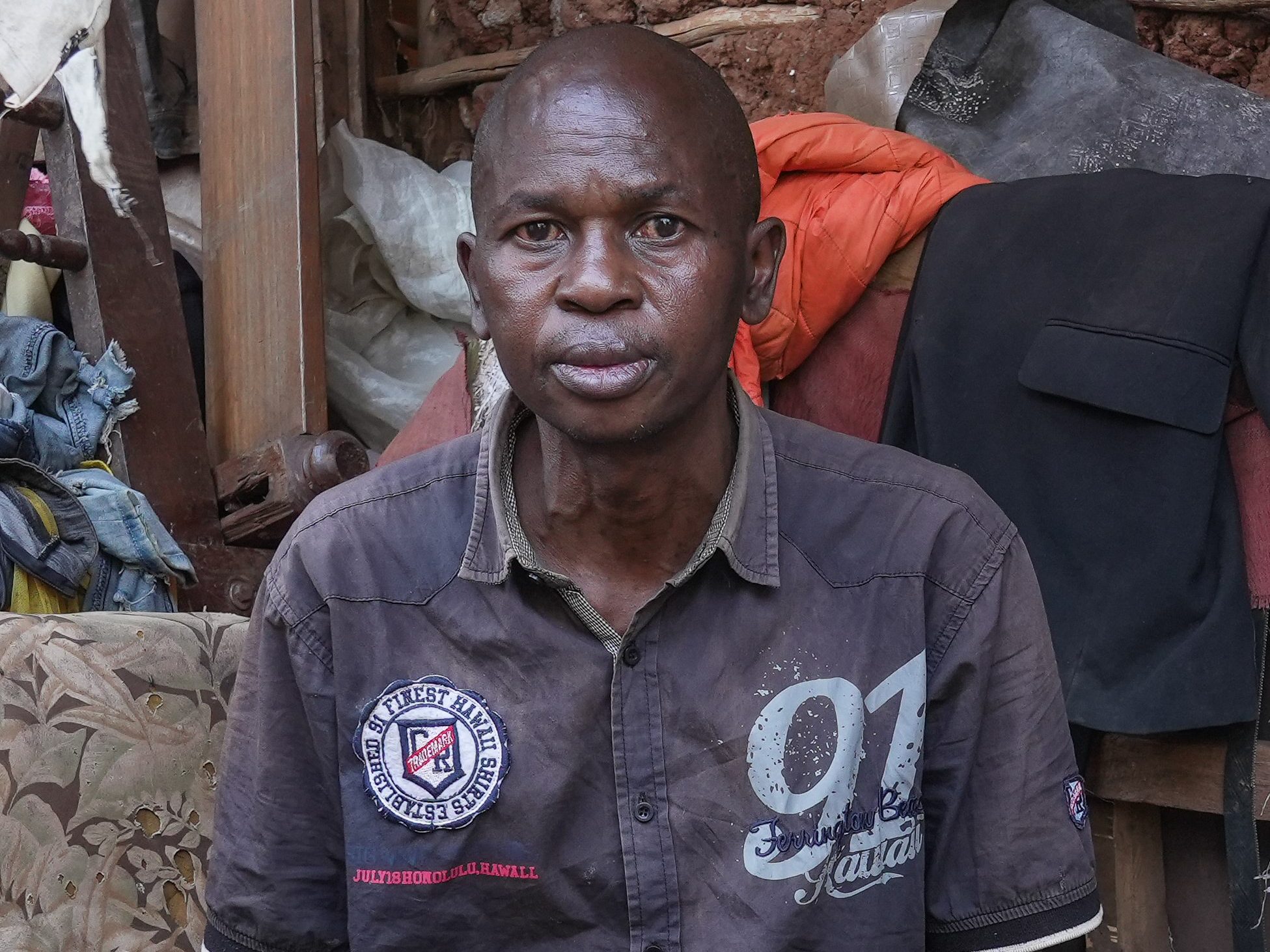
Today, some of the immediate fears have eased. Antiretroviral drugs are once again available in many clinics, and patients like Vincent Omondi have resumed receiving six-month medication refills. We found Omondi seated on an old, threadbare sofa outside his mud-walled house in Kibera, carefully holding a strip of antiretroviral (ARV) drugs from his latest refill. For the first time in nearly a year, he had received a six-month supply of ARVs, something he once took for granted before the USAID disruptions began.
For Omondi, who lives with HIV alongside two other family members also on treatment, the funding freeze brought months of fear and uncertainty. As a casual painter struggling to support his household, the possibility of buying ARVs out-of-pocket felt unimaginable.
“We really had a very difficult time when there was a shortage of ARV drugs. This is because if you stop taking these drugs just for two days, you no longer eat because you start losing appetite, then lose weight, which means that you are dying,” he said.
His experience mirrored that of thousands of Kenyans living with HIV after health facilities across the country began rationing medicines following the donor cuts, including Ushirika Medical Clinic in Sarang’ombe, where Omondi receives treatment.
“We were being given less. If one used to get a six-month supply of ARV’s, they were given a three-month supply instead. If one used to receive a three-month supply, they were given one month’s supply,” Omondi told Willow Health Media.
USAID financed critical HIV, tuberculosis, maternal health, and immunisation programs, making its withdrawal particularly devastating
The crisis unfolded after USAID funding disruptions hit Kenya in February last year, triggering widespread uncertainty across the health sector. Between 2020 and 2025, USAID provided Kenya with approximately US$2.5 billion (Ksh322.5 billion), averaging roughly US$470 million (Ksh60.6 billion) annually, according to the Kenya Healthcare Federation. Nearly 80 per cent of that funding supported health programs.
As the country’s largest bilateral health donor, USAID financed critical HIV, tuberculosis, malaria, maternal health and immunisation programs, making its withdrawal particularly devastating. According to Dr David Khaoya, a health economist at the Center for Epidemiological Modelling and Analysis (CEMA), Kenya’s HIV response had become deeply reliant on external financing.
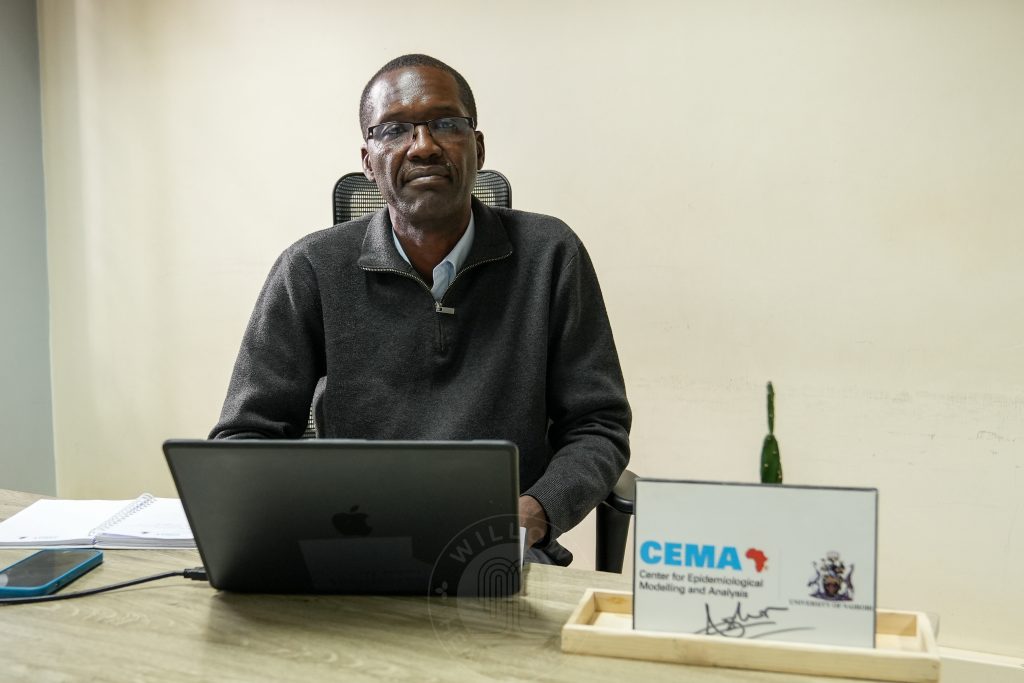
“The support for HIV was above average, going up to 62 per cent, and when you look at the support for HIV commodities specifically, that was about 80 per cent,” he said.
The effects stretched far beyond medicine shortages. At the time of the USAID withdrawal, approximately 41,500 health workers, that is, nearly 18 per cent of Kenya’s estimated healthcare workforce, were supported through USAID-funded programs. Many lost their jobs almost immediately, disrupting HIV programming, data systems, laboratory services, outreach programs and community care structures that had taken years to build.
Dr Khaoya said the cuts exposed how donor-funded vertical programs had become deeply embedded within Kenya’s wider health system, and “HIV programming was also affected in terms of human resources and information systems.”
The National Syndemic Diseases Control Council, which oversees HIV control in Kenya, later documented the extent of the disruption. In its assessment, medicine stockouts emerged as the clearest sign of system failure, stating in a report that Co-trimoxazole, which is essential for HIV care, was unavailable in 33.7 per cent of disrupted facilities, with Migori and Kisumu counties experiencing stockout rates exceeding 50 per cent.
Events of the past year have confirmed longstanding concerns about the fragility of health systems across low- and middle-income countries
The disruptions extended into maternal and child health services as well. According to UNAIDS, several antiretroviral therapy clinics temporarily closed without proper referral systems, leaving vulnerable patients stranded.
Jacaranda Health, a non-governmental organisation supporting maternal healthcare, reported that mothers living with HIV struggled to refill their medication during the height of the crisis.
For many experts, the events of the past year confirmed longstanding concerns about the fragility of health systems across low- and middle-income countries that depend heavily on Overseas Development Aid (ODA).
A June report by the Kenya Healthcare Federation warned that Kenya risked a “resurgence of malaria, HIV/AIDS, and vaccine-preventable diseases due to treatment and prevention disruptions.”
Dr Khaoya believes those fears were justified. In December 2025, Kenya recorded 21,007 HIV-related deaths, an increase of 0.05 per cent from the previous year. While the increase may appear small statistically, health experts warn that even minor disruptions in HIV treatment programs can reverse years of progress, especially among vulnerable populations.
Today, one year later, some of the immediate fears have eased. But while Antiretroviral drugs are once again available in many clinics, the shockwaves from the funding freeze continue to expose deep structural weaknesses in healthcare financing across Kenya and Africa, particularly in HIV, tuberculosis and malaria programmes that rely heavily on donor support.
Across Africa, governments are now confronting uncomfortable questions about sustainability, sovereignty and the future of public healthcare financing. Carolyne Kisia, Africa Director at Project ECHO, believes the crisis has accelerated conversations around self-reliance and locally driven health systems.
“Leaders in Africa have known for a long time that gaining sovereignty of our public health systems is essential to securing a healthy and sustainable future for millions of Africans across the continent,” she said.
Yet experts caution that political declarations alone will not solve the financing gap left behind by shrinking donor support. For Kenya, the challenge remains enormous. Dr Khaoya says domestic financing for health still falls far below what is needed to sustain essential programs.
“What the government has been putting in, to the tune of about Ksh138 billion, for example, in the last year, is not sufficient to cover all the programs. We definitely have to increase that and also persuade counties to put in additional funds from their share of revenue,” he said.
Despite ongoing reforms under the Social Health Authority, many Kenyans still pay for healthcare directly from their pockets
He argues that Kenya must adopt a combination of financing strategies rather than relying on a single solution. One of those options involves strengthening the role of the private sector through pooled procurement systems that lower the cost of medicines and medical commodities.
“They can actually contribute to making the services cheaper by ensuring we get commodities affordably, as well as pooled procurement,” he said.
Insurance coverage also remains a major concern. Despite ongoing reforms under the Social Health Authority (SHA), many Kenyans still pay for healthcare directly from their pockets, leaving households vulnerable during illness. Beyond insurance and taxation, experts are increasingly calling for innovative financing models to protect health systems from future donor shocks.
Among the proposals gaining traction are hypothecated taxes, where governments legally earmark revenue from specific taxes, such as those on sweet items, directly to healthcare financing.
Debt restructuring has also emerged as part of the wider conversation around health financing in low- and middle-income countries. One study found that in 2019, 54 LMICs spent more on servicing foreign debt than on financing healthcare services, limiting governments’ ability to invest in hospitals, medicines and workforce expansion. Still, experts insist that financing alone will not solve the crisis unless countries also improve efficiency within existing systems.

Technology-driven models are also emerging as part of the solution. Project ECHO, which Kisia leads, uses digital platforms to train and mentor healthcare workers remotely while they remain stationed within their communities. The model aims to reduce costs while strengthening healthcare delivery in underserved areas.
“Leveraging of technology to make sure that healthcare workers are getting all the support they need is part of trying to cost-effectively help in addressing this issue and make sure that the limited number of healthcare workers we have can deliver the best care possible for our communities so that we get it right from the word go,” she said.
For patients like Omondi, however, the lessons from the past year feel deeply personal.
Even as drug supplies stabilise, the memory of nearly losing access to life-saving treatment remains fresh. The experience forced him to confront a difficult question that many Africans are increasingly asking about the continent’s dependence on imported medicines and foreign-funded health systems.
“I was thinking about this and asking myself, why is it that we can’t manufacture the drugs that we are using?” he posed.
One year after the USAID freeze rattled Kenya’s health sector, that question still hangs heavily over the country’s future; not just as a policy debate, but as a matter of survival for millions who depend on fragile health systems every day.
We believe in the free flow of information
Republish our articles for free, online or in print, under Creative Commons licence.