
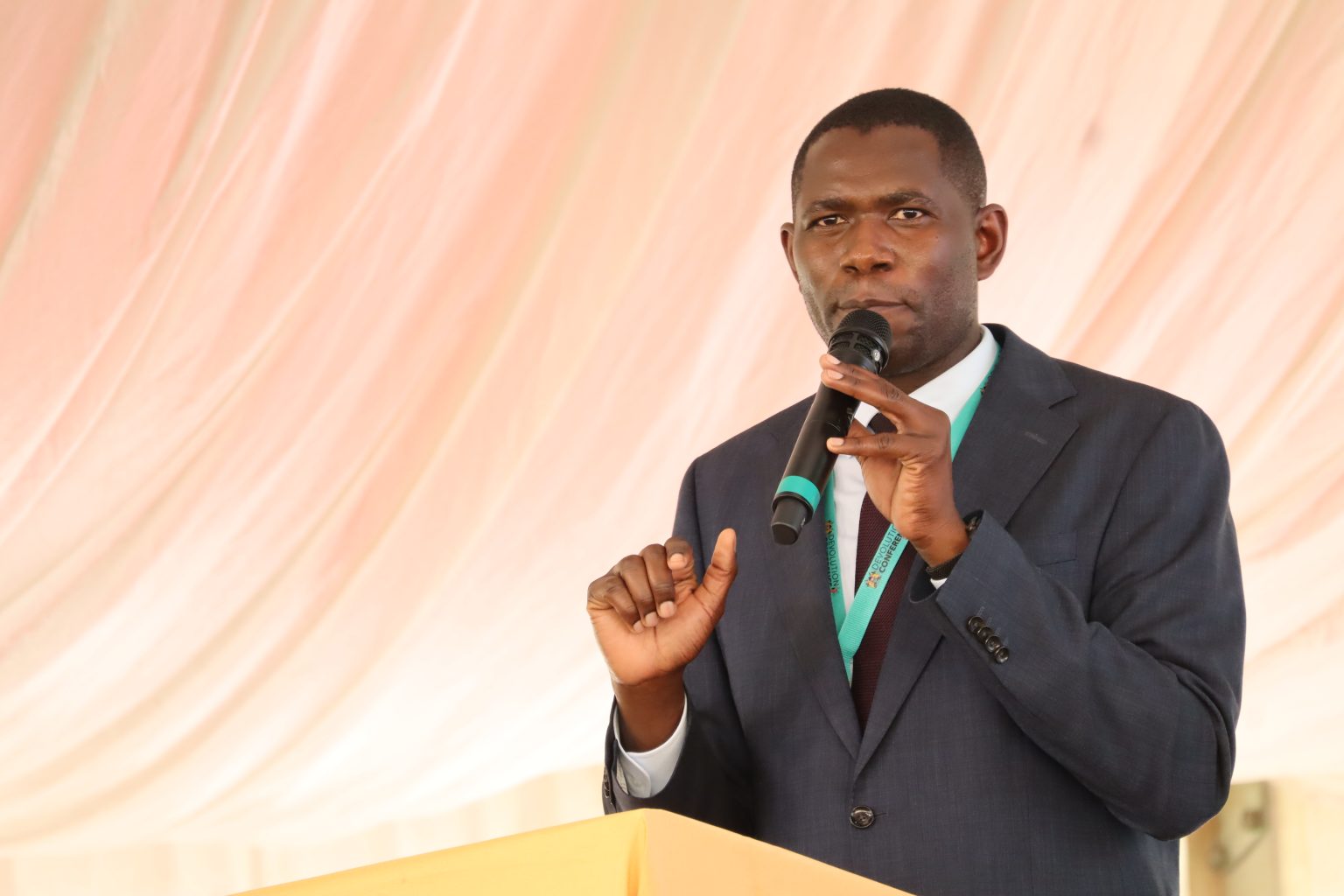
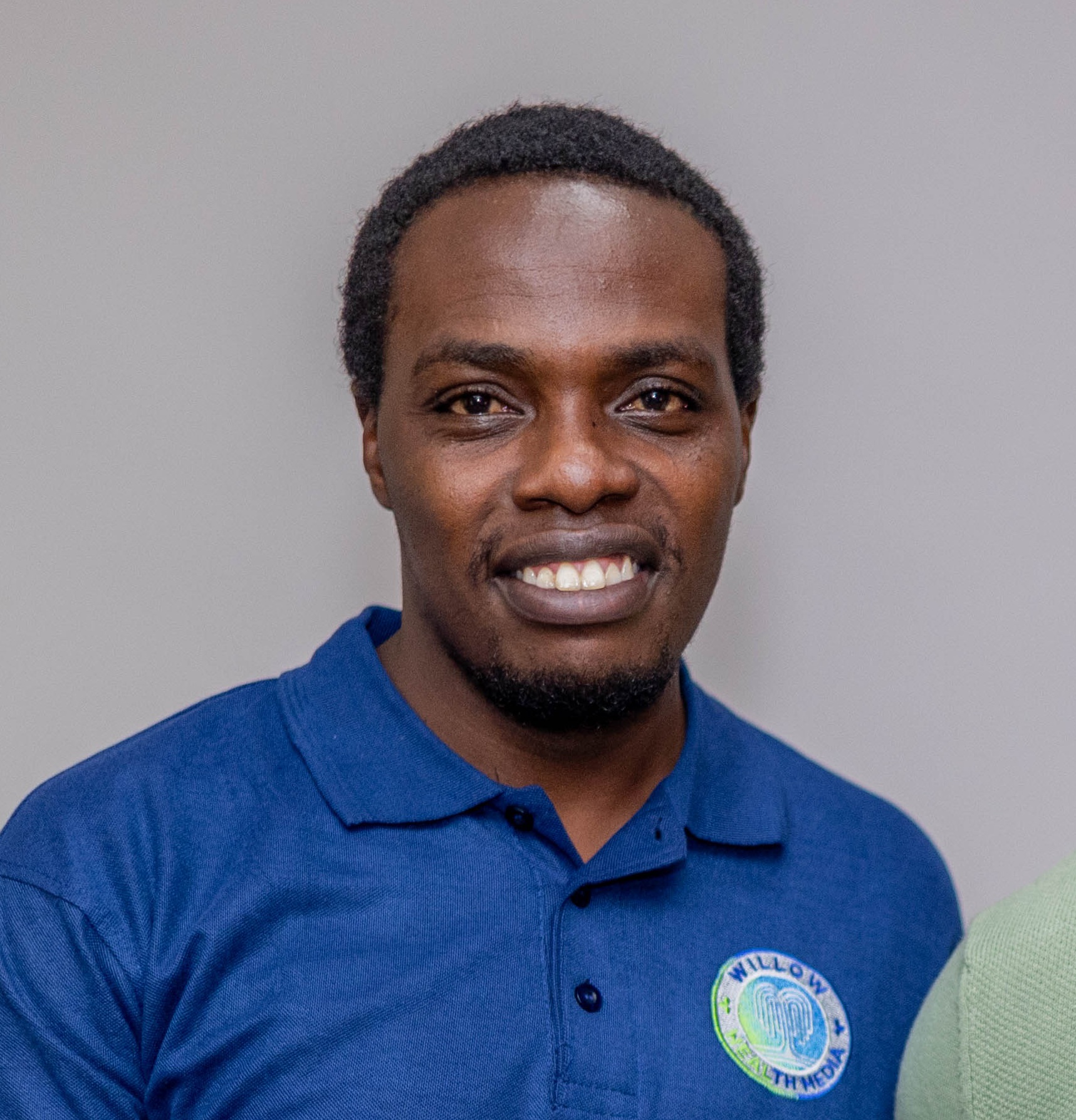
‘Kenya is a strong centre of (emergency) health response. We already have UN and diplomatic staff who are being treated in Kenya whenever they need healthcare services, not just Ebola’- Dr Ouma Oluga, Principal Secretary for Medical Services
Kenya may host a treatment and quarantine facility for American citizens exposed to the Bundibugyo Ebola virus, as the Trump administration breaks with decades of US policy by keeping infected nationals out of the country, according to the New York Times.
The facility, a coordinated effort by the US Departments of Defense, Health and Human Services and State, was pending approval from the Kenyan government as of May 27, 2026. Kenya’s Ministry of Foreign Affairs had yet to confirm the development.
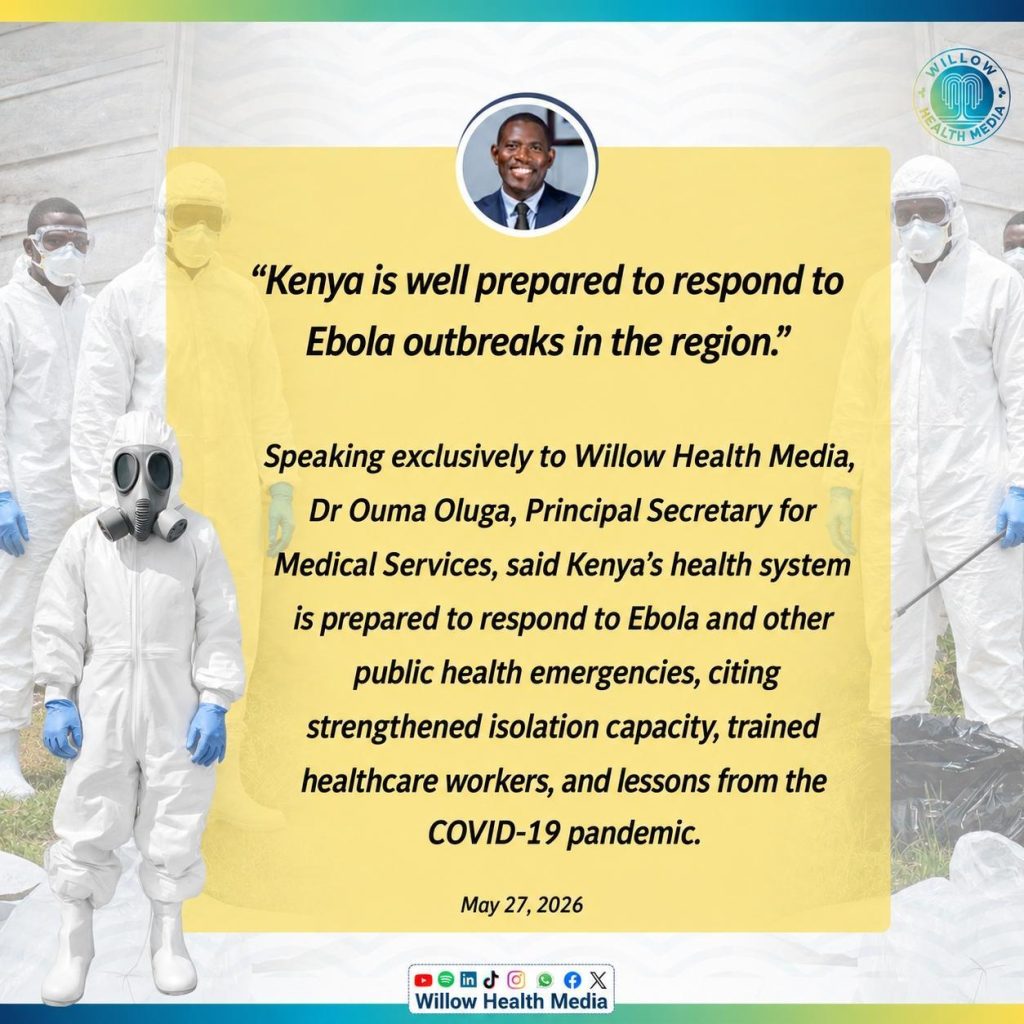
Dr Ouma Oluga, Principal Secretary for Medical Services at Kenya’s Ministry of Health (MoH), neither confirmed nor denied establishment of the centre, but told Willow Health Media in an exclusive phone interview that “Kenya is a strong centre of such health response. We already have UN and diplomatic staff who are being treated in Kenya whenever they need healthcare services, not just Ebola.”
He said Kenya treats more than 20,000 patients from 13 Eastern Africa countries annually, managing conditions ranging from routine to complex. “We have the strongest and most resilient health system in the region, which was significantly strengthened during COVID-19,” he added, pointing to the isolation infrastructure built during the pandemic.
Kenya’s healthcare workforce well trained and equipped to handle public health emergencies
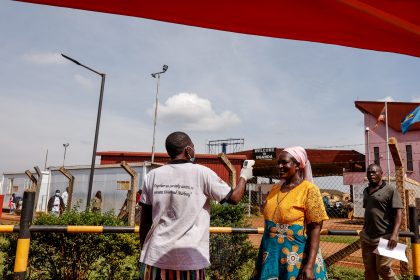
Dr Oluga noted that Kenya’s healthcare workforce was “well trained and equipped to handle public health emergencies,” but cautioned that all Kenyan hospitals, both public and private, must heighten their clinical suspicion, given that Ebola initially presents like many other illnesses. “All our hospitals should have a strong index of suspicion, especially for patients with a recent history of travel to countries that have reported Ebola,” he said.
Willow Health Media has not yet established whether the US centre will be a standalone isolation facility or isolation units embedded within existing hospitals.
In previous outbreaks, American scientists, healthcare workers and citizens who contracted dangerous infectious diseases were repatriated and treated in highly specialised biocontainment units on home soil. Under the new approach, dozens of US Public Health Service officers are being trained and deployed to Kenya to provide care for Americans at high risk of developing Ebola.
The initial plan had been to monitor high-risk Americans in Kenya and transfer those showing symptoms to Europe for treatment. That plan has since changed: US government scientists and physicians who develop symptoms will now be treated in Kenya.
Keeping infected Americans out of country amounted to an abdication of the state’s duty to citizens
The New York Times, which first reported the development, citing three people with knowledge of the plans, noted that individual cases may still be reviewed for transfer if more advanced care is needed.
Dr Craig Spencer, a US public health expert who was himself treated for Ebola in 2014 after contracting the virus while treating patients in Guinea, said he was stunned by the plan. He argued that keeping infected Americans out of the country amounted to an abdication of the state’s duty to its citizens. Spencer acknowledged that Kenya’s facilities were superior to those in DRC, but said they fell well short of the specialised US centres established for Ebola and other dangerous pathogens such as Hantavirus.
The Bundibugyo Ebola outbreak, DRC’s 17th, was declared a Public Health Emergency of International Concern by the World Health Organization (WHO) on May 17, 2026. According to the Institut National de Sante Publique, as of May 27, the outbreak had recorded 1,198 suspected and confirmed cases and at least 255 deaths, making it the third largest Ebola outbreak on record.
The outbreak is centred in Ituri, North Kivu and South Kivu provinces of DRC, with confirmed cases also reported in Uganda, which borders DRC and South Sudan. There is no approved vaccine or treatment specifically for the Bundibugyo strain, complicating the global response.
The Trump administration this month invoked a public health provision known as Title 42 to bar immigrants and legal permanent residents who had been in DRC, Uganda or South Sudan in the previous 21 days from entering the United States. The order does not cover US citizens, but the new Kenya facility plan effectively extends similar restrictions to nationals.
Kenya listed by WHO among countries at high risk due to its borders with Uganda
On May 23, the US Embassy in Kenya issued a worldwide caution directing US-bound travellers who had been in the three countries to route through one of three airports designated for enhanced screening: Washington Dulles International, Hartsfield-Jackson Atlanta International and George Bush Intercontinental Airport in Houston. The US Centers for Disease Control and Prevention, Department of Homeland Security and Customs and Border Protection are conducting the enhanced screening at those airports.
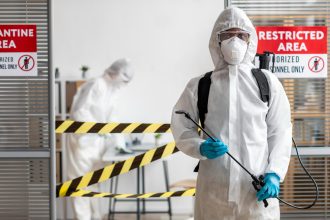
“This requirement applies to all passengers, including US citizens who were present in those countries. Be prepared for flight changes or cancellations,” the notice stated.
As of May 27, Kenya, listed by WHO among countries at high risk due to its borders with Uganda and DRC, had reported no confirmed Ebola cases. All seven suspected cases in the country had tested negative.
A US citizen who tested positive for Bundibugyo Ebola in DRC was evacuated to a high-level isolation centre in Germany for treatment. WHO confirmed the American was found positive on May 20 after presenting symptoms on May 16. Six other American suspected cases have also been evacuated to Germany and the Czech Republic.
Global health funding cuts dangerously weakened capacity to detect disease threats
Health stakeholders have linked the rapid escalation of the outbreak to sweeping cuts in US global health funding. The USAID was dismantled, senior CDC positions were reduced, and the US withdrew from WHO following decisions made in January 2025.
Physicians for Human Rights (PHR) said the cuts had dangerously weakened the world’s capacity to detect and contain rapidly evolving infectious disease threats.
“This outbreak is unfolding amid devastating global cuts on global health and humanitarian assistance in the DRC, which have weakened disease surveillance, strained health systems and reduced capacity to detect and respond to infectious disease outbreaks,” said Thomas McHale, PHR’s Public Health Director, in a May 21 statement.
PHR said abrupt US aid cuts had disrupted frontline health services, shut down critical disease surveillance networks and severed medical supply chains, impeding early detection and containment of the epidemic. The organisation holds that the same funding gap has now pushed the US towards the novel approach of treating its own citizens in Kenya rather than at home.
We believe in the free flow of information
Republish our articles for free, online or in print, under Creative Commons licence.