

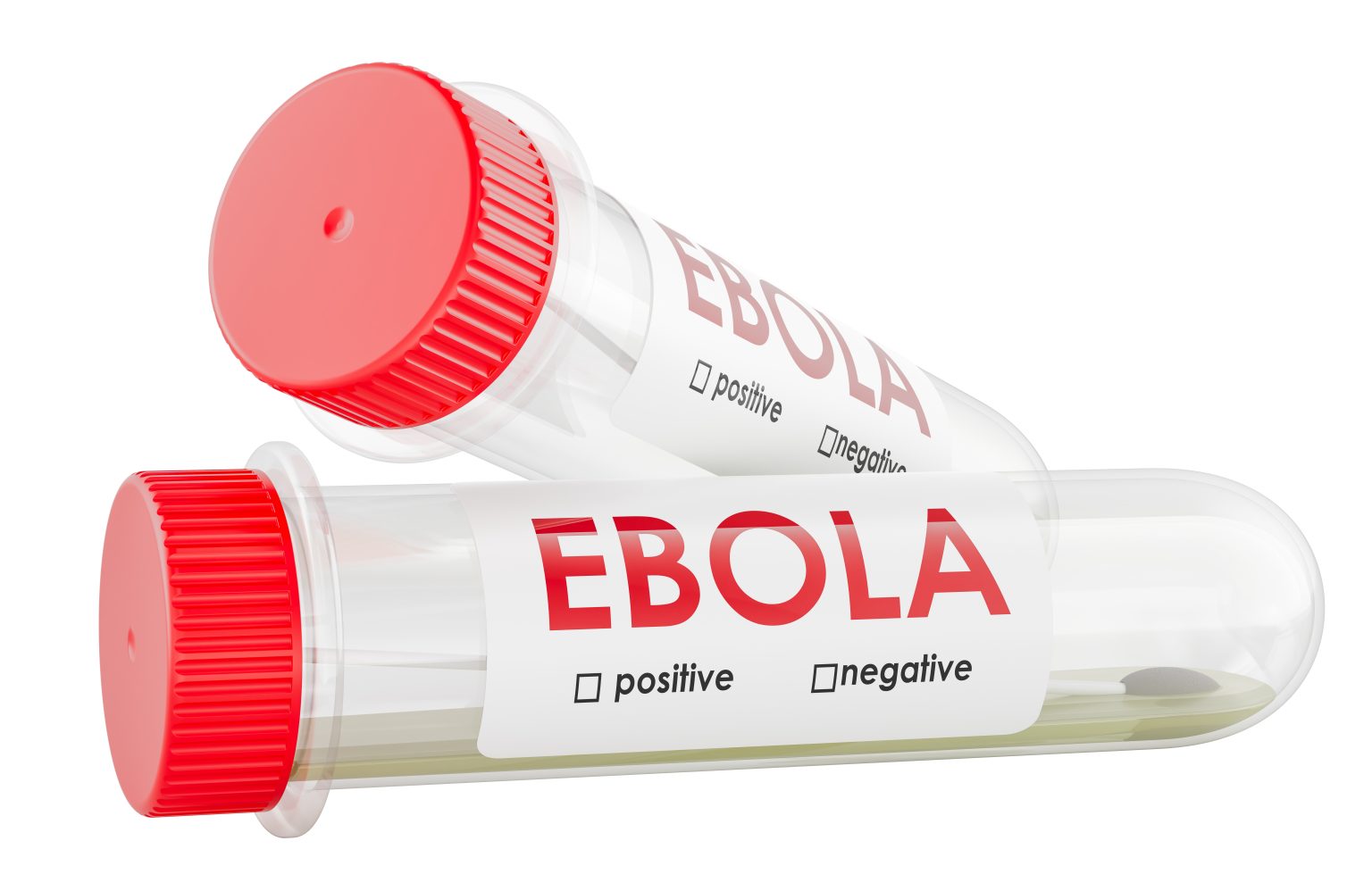

Early symptoms of the Bundibugyo virus are indistinguishable from common infections – and with no licensed vaccine and a 21-day incubation window, Kenya’s first line of defence is a trained clinician who knows what to look for.
As Ebola spreads in neighbouring Uganda and the Democratic Republic of Congo, Kenya faces a clear and present risk. Protective suits alone will not stop the disease. Early detection, rapid isolation, staff training, and rigorous infection prevention and control are the critical front-line defences- and every health facility in the country needs to be ready before the first case arrives.
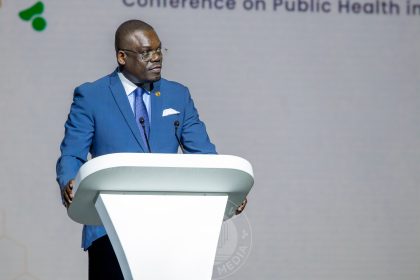
“Kenya is at risk, and we need to understand this disease and how we are going to stop it,” warned Dr Paul Mbuvi, co-chair of Kenyatta National Hospital’s Disaster Management Committee, during an Ebola Preparedness discussion organised by Kenyatta National Hospital and the University of Nairobi on May 26, 2026. The session brought together specialists in prevention, surveillance, infection prevention and control, and emergency response.
Kenya remains vulnerable because of porous borders and frequent movement of people and goods with affected neighbours. Kenya’s risk classification reflects heavy traffic across land routes and close economic links with Uganda and eastern DRC.
The current regional outbreak has accelerated since April. As of June 8, 2026, Africa CDC situation reports show a combined total of 563 confirmed cases across Uganda and DRC, with at least 90 confirmed deaths. These figures continue to change as surveillance intensifies.
Delays in diagnostic confirmation mean cases may circulate undetected for weeks
The outbreak is particularly dangerous because it involves the Bundibugyo species of Ebola, for which there is no licensed vaccine or targeted antiviral registered for widespread use. That complicates detection and response because many rapid tests and diagnostic kits were developed to detect the more common Zaire strain, increasing the risk of missed or delayed diagnoses.
“Delays in diagnostic confirmation mean cases may circulate undetected for weeks,” said Dr Phoebe Juma, head of Kenyatta National Hospital’s Infectious Diseases Unit. She noted that DRC is confronting its 17th recorded Ebola event since 1976, and that this outbreak follows closely on the heels of the previous episode that only recently ended.
Ebola presents a major detection problem because its early symptoms – fever, headache, fatigue, muscle pain, vomiting, and diarrhoea – are indistinguishable from malaria, typhoid, and other endemic infections. The incubation period ranges from 2 to 21 days, allowing travellers and contacts to appear well while contagious. “Suspected cases are only reliably ruled in or out by PCR testing. Until labs confirm, clinical triage and strict isolation pathways are essential,” Dr Juma said.
Protecting healthcare workers remains one of the most critical pillars of Ebola preparedness. On May 31, 2026, the WHO announced that four nurses who contracted Ebola had recovered and been discharged from the hospital in Bunia, the capital of Ituri Province. Their discharge brought the total number of recovered healthcare workers to five, following the discharge of a laboratory worker on May 28. The outbreak first surfaced through clusters of severe illness among healthcare workers, a reminder of the occupational risk frontline staff face when Ebola enters a care setting without early recognition.
During the 2014 West Africa Ebola epidemic, 881 doctors, nurses, and midwives were infected and 513 died
History shows the devastating consequences when health workers are not adequately protected. During the 2014 West Africa Ebola epidemic, 881 doctors, nurses, and midwives were infected, and 513 died. The losses weakened already fragile health systems, contributing to an eight per cent reduction in the healthcare workforce in Liberia and a 23 per cent decline in health services in Sierra Leone.
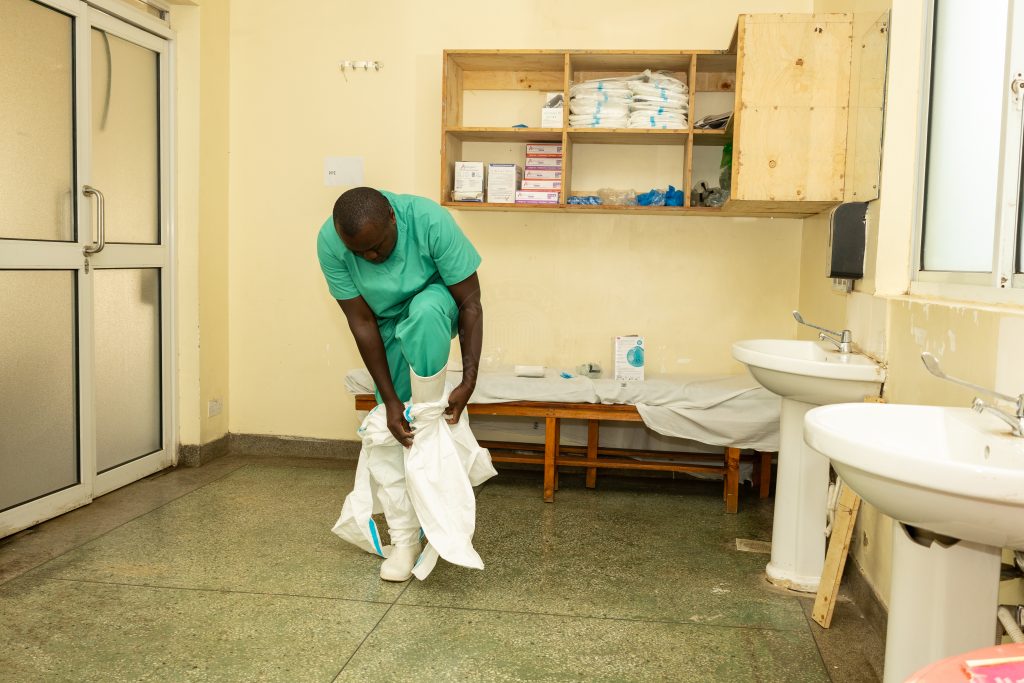
During the Ebola preparedness session, health professionals agreed that protecting frontline workers through training, adequate protective equipment, infection prevention measures, and early case detection is not only about safeguarding individual staff – it is about preserving the health system itself. “Sometimes the people who are really mostly hit are the healthcare workers,” Dr Mbuvi warned.
Isolation is necessary but insufficient. Experts urged a shift from isolation-only strategies toward facilities capable of providing intensive supportive care. Mortality in well-resourced settings with advanced supportive treatment has been reported at about 18.5 per cent in past outbreaks, compared with substantially higher rates where supportive care and monitoring are limited.
“Isolation must be paired with aggressive clinical management of dehydration, shock, respiratory compromise, and seizures to reduce deaths,” Dr Juma said.
WHO Director-General Dr Tedros Adhanom Ghebreyesus, during a visit to Bunia on May 30, emphasised that Ebola is not always fatal if patients receive timely care. “Ebola caused by the Bundibugyo virus can be survived with good medical care,” he said. “Seeking care early makes a real difference.”
Effective Ebola defence begins with surveillance, triage, engineered patient pathways, safe waste handling, continuous training
Caroline Nyaga, an infection prevention and control practitioner and critical care nurse who spoke at the session, noted that personal protective equipment should be the last layer in a comprehensive hierarchy of controls. Effective Ebola defence begins with surveillance, triage, engineered patient pathways, environmental cleaning, safe waste handling, and continuous training.

She urged facilities to immediately identify dedicated isolation spaces, restrict access to trained personnel, create separate patient entry and exit routes, provision hand hygiene stations, and run supervised donning and doffing drills. “PPE will fail if administrative and engineering controls are not in place,” Nyaga said.
Beyond clinical readiness, community engagement remains a critical pillar of preparedness. Clear communication and public education can prevent fear, misinformation, and stigma, which often discourage people from seeking care early or reporting suspected cases.
Christopher Kibet, an infection prevention and control and disaster-management specialist who participated in the session, warned that misinformation can isolate survivors and discourage early presentation. “If people are educated well, especially by healthcare workers, they will not export that fear to the community,” he said. “Stigma is fuelled by fear; education extinguishes it.”
For Kenya, epidemic preparedness requires surveillance, lab capacity, public awareness, strong infection prevention measures
Dr Tedros echoed that message: “Community ownership is what will bring this outbreak to an end.” He described trust-building as a process that starts with listening.
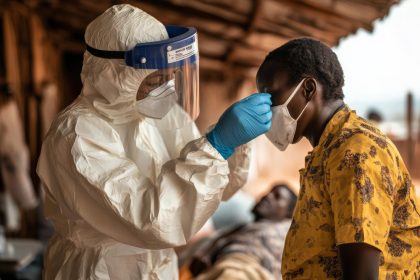
Experts outlined practical, immediate steps for hospitals, health centres, and dispensaries: identify a temporary holding area for suspected cases, train staff in sample collection and safe patient care, and establish clear reporting pathways to public health authorities. “Do not automatically refer suspected patients,” Dr Mbuvi said. “Isolate on site, stabilise if needed, collect samples and let public health teams confirm and coordinate the next steps.”
For Kenya, the message is unambiguous: preparedness cannot begin when the first case is detected. It requires continuous investment in surveillance, rapid response systems, laboratory capacity, healthcare worker protection, public awareness, and strong infection prevention measures. As Dr Tedros reminded communities living under the shadow of the outbreak: “You are not alone in this. We are here, we are with you, and we will see this through together.”