

With no child-friendly formulation of the antiviral being tested, the youngest contacts must wait while adults get first access.
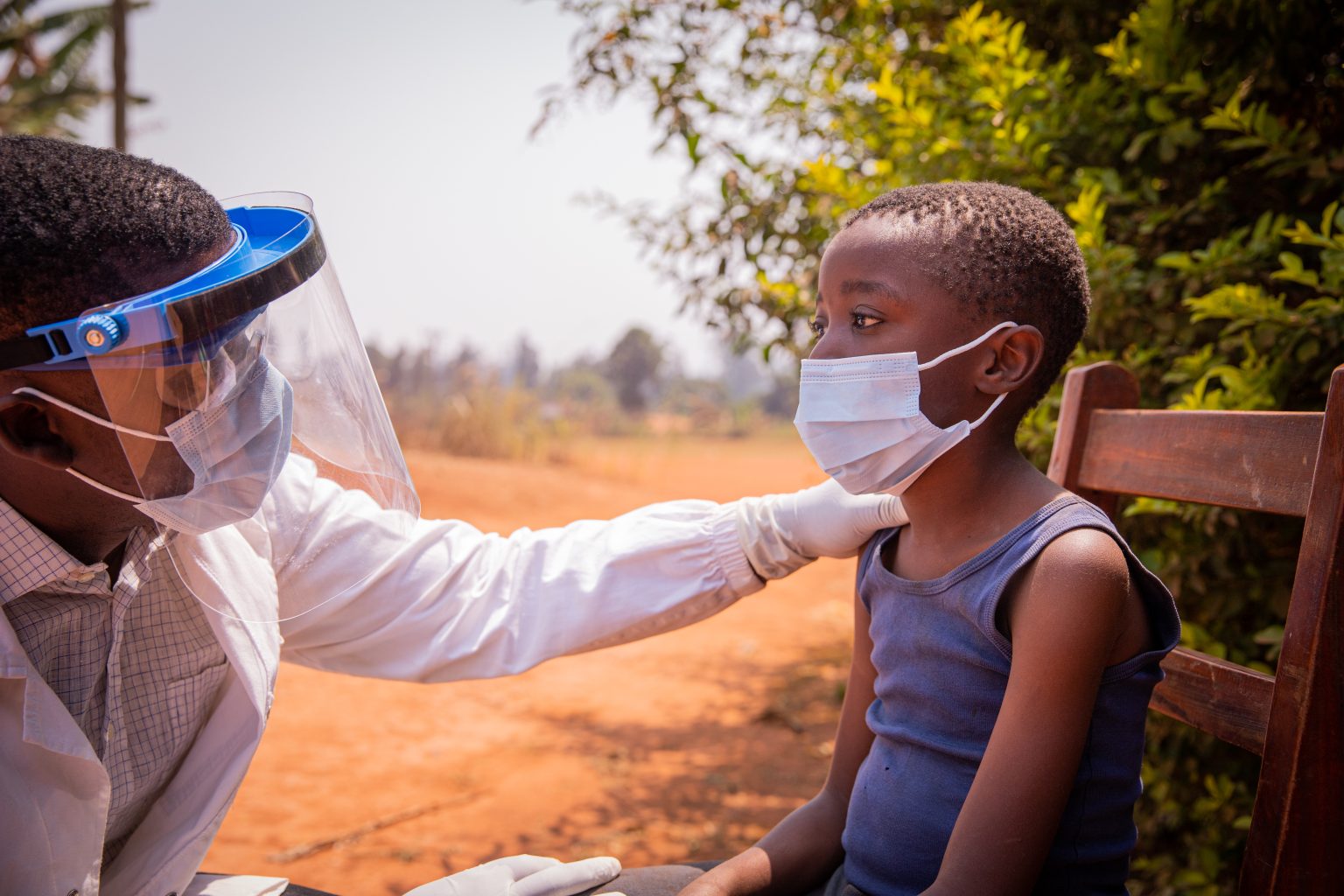
Children are paying a devastating price in the Ebola Bundibugyo outbreak in the Democratic Republic of Congo (DRC), yet they remain at the margins of the response, Doctors Without Borders (Médecins Sans Frontières, MSF) has warned.
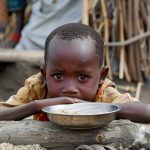
The international medical humanitarian organisation says children face a higher risk of death from Ebola than adults and make up a significant share of those affected. Nearly one in four confirmed cases in North Kivu is a child.
At one treatment centre, 24 of 30 children admitted between June and September died. Many were likely infected inside health facilities, and the youngest are excluded from the latest drug trials.

“MSF is deeply concerned by the disproportionate impact of the disease on children and calls for more attention to their specific vulnerabilities in both the medical and research response,” MSF said in a statement on Thursday, October 15.
The organisation warned that without a child-centred approach, preventable deaths will continue. The DRC’s confirmed caseload has passed 9,100, with more than 4,400 deaths and a fatality rate of 48.3 per cent.
According to Epicentre, MSF’s epidemiological research centre, children under five make up 24 per cent of confirmed cases in North Kivu, compared with 13 per cent in Ituri. Infants under one account for 13 per cent of cases in North Kivu and six per cent in Ituri.
Between June and September 2026, 24 out of 30 children, most under five, died from Bundibugyo virus in one centre alone
The two provinces are among the areas where the outbreak has escalated since the Africa Centres for Disease Control and Prevention (Africa CDC) declared it on May 15. “MSF teams have observed that the case fatality rate among children was particularly high.
Between June and September 2026, 24 out of 30 children, most of whom under the age of five, died from the Bundibugyo virus in this Ebola Treatment Centre alone,” said Stéphanie Hoffmann, MSF’s project coordinator in Butembo.
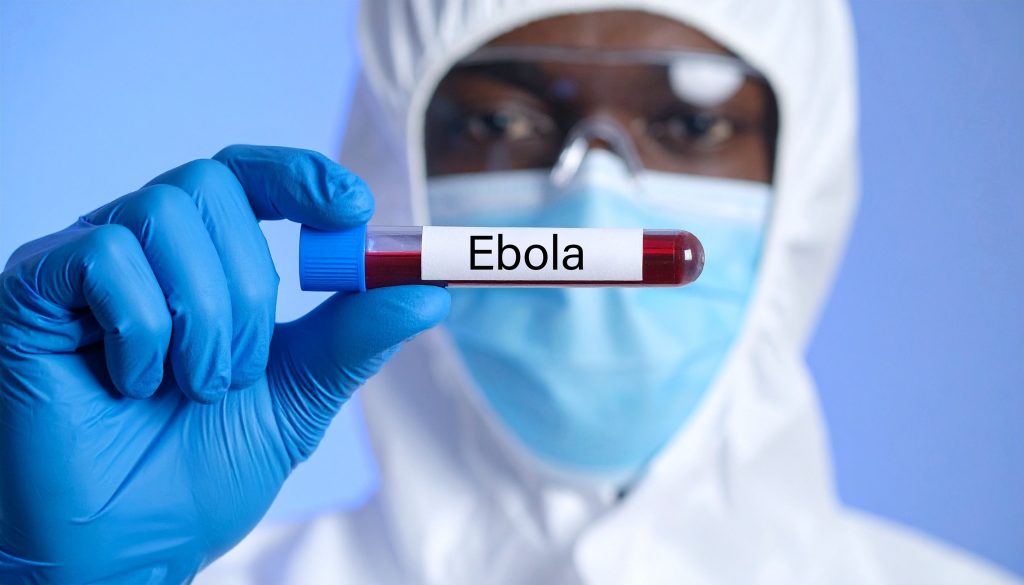
MSF attributed the high death rate to the rapid progression of the disease in communities. Health facilities also lacked the expertise, equipment, and infection prevention and control measures needed to identify and safely manage suspected cases.
“Most of the paediatric cases admitted in our ETC in Butembo, North Kivu, over the summer, had already been hospitalised for other illnesses in several facilities during the days or weeks before their admission.
Their family members did not have Ebola themselves, and it is highly likely that these children contracted the disease inside healthcare facilities,” Hoffmann said.
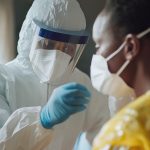
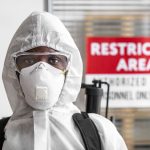
She said three steps are critical to keeping essential care open while preventing transmission in health facilities. These are strengthening infection control, ensuring personal protective equipment (PPE) is available, and training health workers in non-Ebola treatment areas in high-risk zones.
Despite bearing a heavy burden of disease, children have limited access to vaccination trials, campaigns, new treatments
Admission to an Ebola Treatment Centre is deeply distressing for children who are too young to understand their situation or meet their own basic needs.
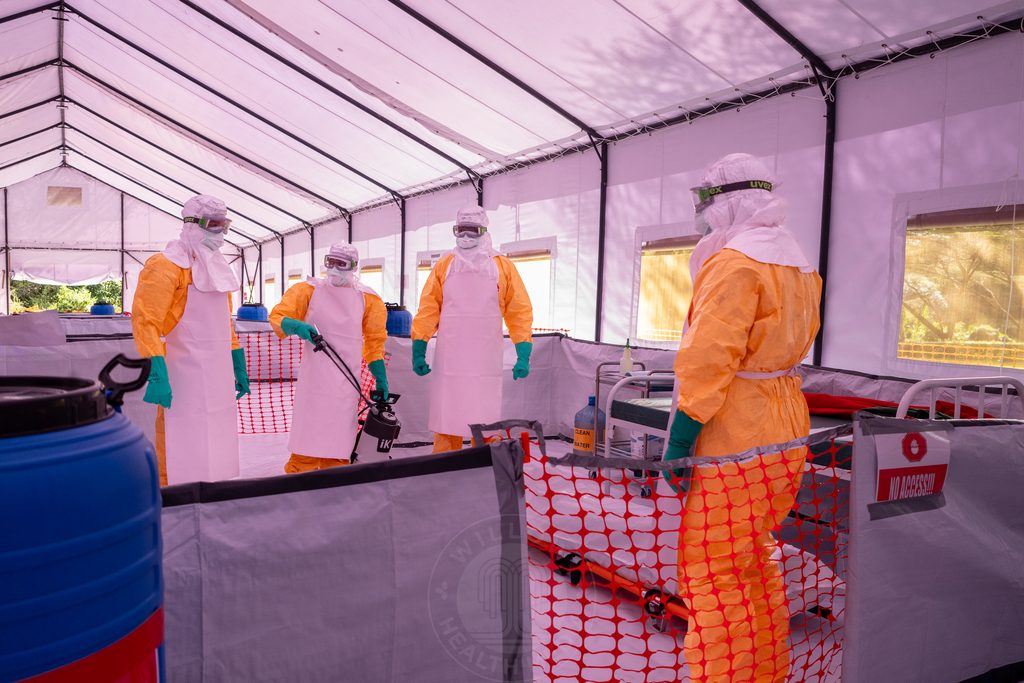
To ease this, MSF has created visibility areas where parents can see and speak to their children. It has also trained caregivers, including Ebola survivors, who comfort the children daily while wearing full PPE. At the Kitatumba Ebola Treatment Centre in Butembo, 13 caregivers support admitted children. MSF was candid that this is not a perfect solution, but said it offers essential human contact that is urgently needed.
Despite bearing a heavy burden of disease, children have very limited access to vaccination trials, campaigns and new treatments. “Historically, they are excluded from clinical research or included only after long delays. Children cannot continue to wait for data generated in adults before benefiting from advances in Ebola care and prevention,” said Dr Guyguy Manangama, MSF’s deputy director of operations.
Dr Manangama added that “clinicians face a lack of paediatric dosing guidance, and limited availability of child-friendly formulations of investigational medicines.” He said treatments, vaccines and other preventive tools should be evaluated for children from the outset of research and made available to them without delay.
The alternative for the youngest patients is a 10-day intravenous course, which is hard to deliver in outbreak settings
The EBO-PEP trial shows the gap. Launched in the DRC and Uganda on July 14, 2026, the randomised controlled platform trial is testing the oral antiviral obeldesivir as post-exposure prophylaxis (PEP) after high-risk exposure. Children under 20 kilogrammes are not eligible.

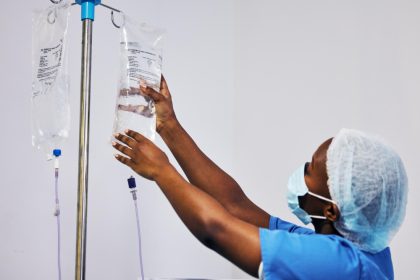
Dr Manangama explained that the drug has no paediatric formulation. The alternative for the youngest patients is a 10-day intravenous course, which is very hard to deliver in outbreak settings.
Results from Bundibugyo-specific vaccine trials are expected between now and February 2027. Meanwhile, Ervebo, which protects against Ebola disease caused by the Zaire virus, is available now.
It is approved for children aged one year and older, has a well-established safety profile, and DRC authorities have extensive experience deploying it.
Emerging evidence suggests it may offer some protection against Bundibugyo, although the degree remains unclear. Vaccinating contacts of confirmed cases, including children over one, could therefore prevent severe illness and save lives.
Routine immunisation, nutrition programmes and primary healthcare must be a core part of the response, not an afterthought

MSF said the outbreak’s impact extends beyond infection. Disrupted health services raise the risk of vaccine-preventable diseases, malnutrition and other common childhood illnesses. Routine immunisation, nutrition programmes and primary healthcare must be a core part of the response, not an afterthought.
The findings build on a United Nations Children’s Fund (UNICEF) warning on June 22, when global confirmed cases reached 1,000.
UNICEF estimated that 2.95 million children and adolescents aged 18 and under, 54 per cent of the population in 31 affected health zones, were at risk. UNICEF Executive Director Catherine Russell said her teams had met children who had lost one or both parents to Ebola.
As of June 19, children and adolescents accounted for about 15 per cent of confirmed cases and over 25 per cent of confirmed deaths in eastern DRC. With the virus now in 65 health zones across seven provinces, the number of children infected or killed is expected to be higher.
We believe in the free flow of information
Republish our articles for free, online or in print, under Creative Commons licence.