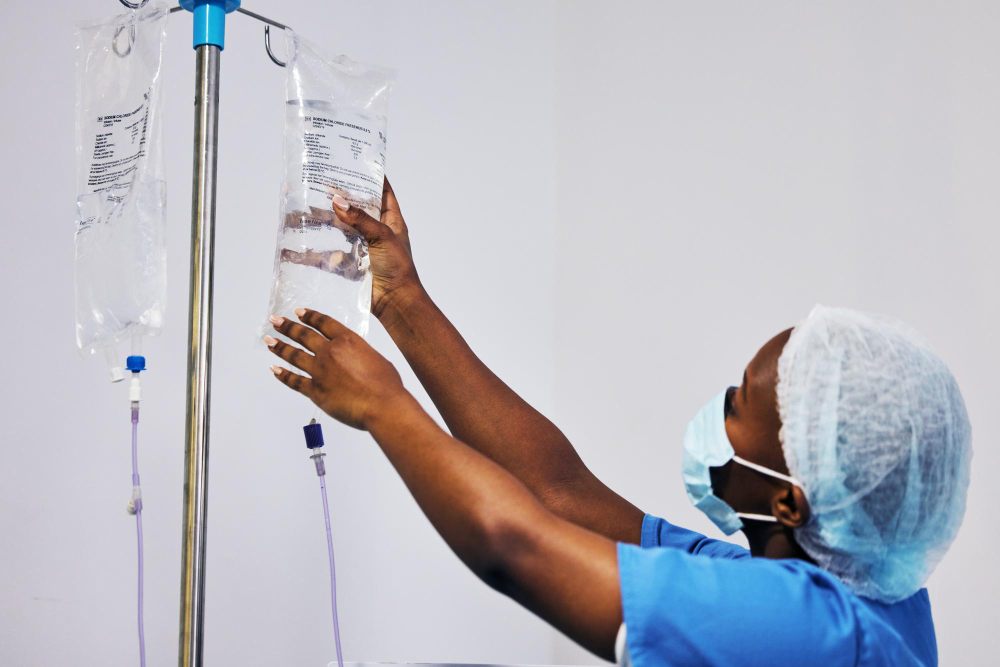

With just 38 per cent of residents using functioning latrines, heavy rainfall could wash human waste into the rivers and wells families drink from.
A cholera outbreak in western Democratic Republic of Congo (DRC) had killed 21 people, with 345 suspected cases reported by July 22, 2026. Médecins Sans Frontières (MSF) warns that the disease will keep spreading unless communities gain access to safe drinking water and adequate sanitation.
The outbreak began in June in Popokabaka health zone in Kwango province. It has since spread to 26 of the zone’s 35 health areas, with a reported case fatality rate of 6.1 per cent.
An MSF assessment found that 61 per cent of the population had access to less than 15 litres of safe water per person per day. That is the minimum recommended by the World Health Organization (WHO) for humanitarian emergencies. Only 38 per cent had access to functioning latrines, open defecation remained widespread, and a significant proportion of residents rely on rivers for their daily water needs.
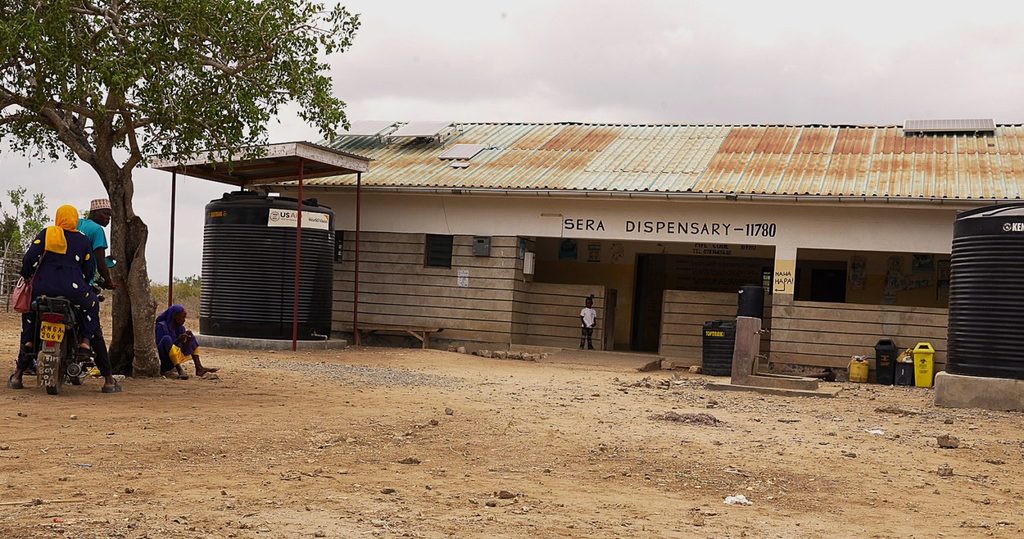
“We can treat a patient with cholera, rehydrate them and save their life. But if, once they return home, they still do not have access to safe water or latrines, there is a very real risk that the disease will continue to spread,” said Dr Materne Cirimuanua, medical lead for the Popokabaka response.
Cholera spreads mainly through contaminated water and food. Where human waste can enter water sources, people may continue to become infected even when treatment is available.
The outbreak was officially declared on June 25 after the National Institute of Biomedical Research confirmed the presence of Vibrio cholerae, the bacterium that causes the disease.
The three health areas around the provincial capital, Secteur Popo, Cité Popo 1 and Cité Popo 2, accounted for 200 cases, or 58 per cent of the reported total. MSF is supporting the Ministry of Health with medical care, disease surveillance, and water, sanitation and hygiene interventions.
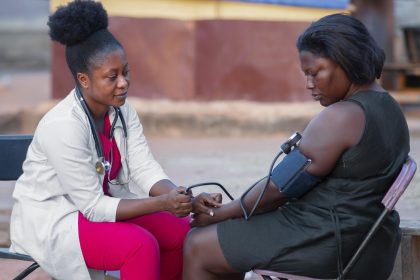
Health workers are educating residents about prevention, hygiene, importance of seeking medical attention when symptoms appear
Its emergency team has set up a cholera treatment centre at Popokabaka General Referral Hospital, four additional treatment units, 31 oral rehydration points in affected communities and 36 chlorination points to reduce the risk of contamination.

Since its intervention began, MSF says it has treated 450 patients, including 175 at the referral hospital. These figures cover the whole intervention period and should be distinguished from the 345 suspected cases reported by July 22.
Reaching care is itself a challenge. Popokabaka health zone has 35 health areas but only one general referral hospital, and some communities can be reached only by canoe, motorcycle, or on foot. For cholera patients, delays can be dangerous because severe dehydration can develop rapidly.
To close the gap, MSF has placed treatment units closer to affected communities and is supporting epidemiological surveillance to monitor the outbreak and identify new hotspots.
Community health workers and health promoters are educating residents about prevention, hygiene and the importance of seeking medical attention when symptoms appear. The approaching rainy season brings a further threat, as heavy rainfall could wash human waste into rivers, wells and other water sources.
“The rainy season can make the situation even more difficult when water sources are not adequately protected and sanitation infrastructure is limited,” Dr Cirimuanua said. “Action is needed now to reduce the risks, strengthen access to safe water and bring healthcare services closer to the communities that need them.”
Containing outbreak will require combining healthcare, surveillance, safe water, sanitation and prevention
The outbreak is unfolding amid a fragile humanitarian situation in western DRC, where violence linked to the Mobondo crisis has forced people to flee their homes.

The arrival of more than 2,000 Congolese people expelled from Angola has added to population movements in the area, putting further pressure on already limited public services.
Displacement can disrupt access to clean water, sanitation and healthcare, leaving families more vulnerable to infectious diseases.
For now, the response is focused on treating patients, improving access to rehydration and reducing transmission.
Lasting progress, however, will require protected water sources, adequate latrines and reliable access to safe drinking water. Without these, communities could remain vulnerable to new infections even as patients recover and treatment facilities expand.
“In an area where access to safe water remains limited, and some communities are difficult to reach, containing the outbreak will require a coordinated response combining healthcare, surveillance, safe water, sanitation and prevention,” Dr Cirimuanua said.
“In the context of Popokabaka, MSF calls on health authorities and other stakeholders involved in the response to strengthen their efforts to sustainably improve access to safe water and sanitation, thereby reducing the risk of new cholera outbreaks.”
We believe in the free flow of information
Republish our articles for free, online or in print, under Creative Commons licence.