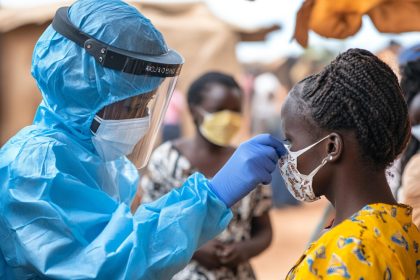

Most Ebola deaths are happening in villages, far from hospitals and proper care. Getting the money there means faster testing, safer health workers, and treatment reaching the sick before it is too late.
Nearly $3 billion (Ksh388 billion) has been pledged to fight Ebola in the Democratic Republic of Congo (DRC), where the outbreak has killed 3,779 people, among them about 50 health workers. Africa CDC says the real test is getting the money quickly to the villages where the virus is taking its heaviest toll.
Although the national epidemic curve has levelled off, the virus is spreading fast in North Kivu, most deaths are occurring in communities rather than health facilities, and routine care for women and children is being disrupted. The vaccine in use has also not been proven against the strain behind the outbreak.
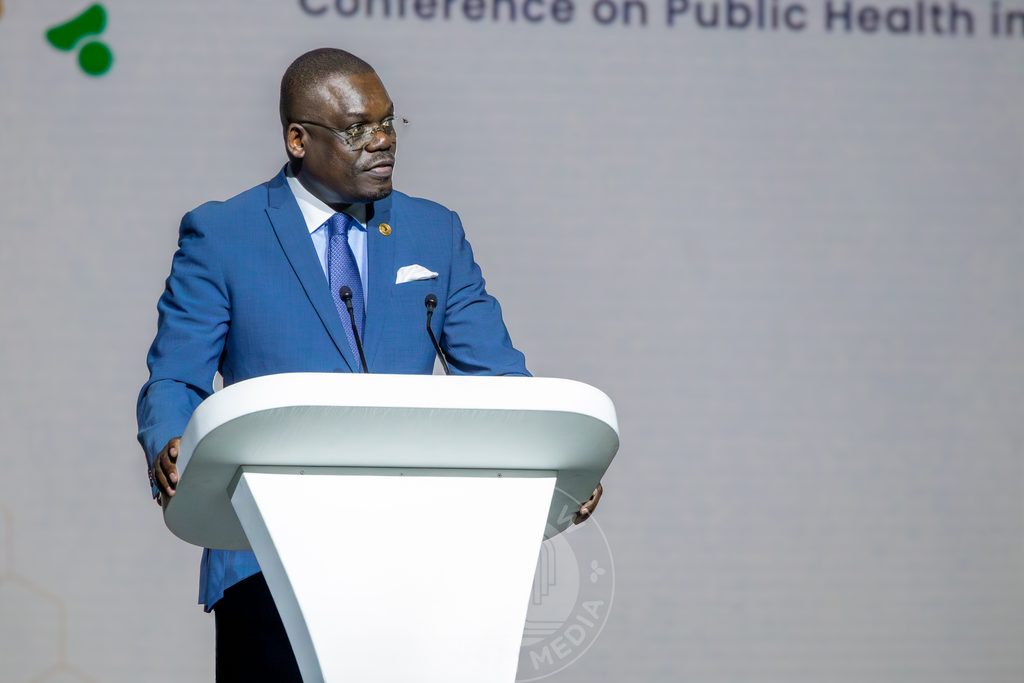
Announcing the figure at Thursday’s weekly health emergencies briefing, Africa CDC Director General Dr Jean Kaseya said $2.997 billion (Ksh387.2 billion) had been raised following a G20 ministerial meeting, well above the roughly $2 billion (Ksh258.4 billion) target. Between $700 million and $800 million (Ksh90.4 billion and Ksh103.4 billion) is new money. “In total, now that I am talking to you, we have 2.997 billion dollars raised. Almost around $3 billion,” Dr Kaseya said.
The United States remains the largest contributor, at around $878 million (Ksh113.4 billion), followed by the European Union, the World Bank, the Pandemic Fund and other partners.
The focus, Dr Kaseya said, must now shift from announcing pledges to getting the money to the hardest-hit communities.
“What we are requesting as the prime minister of DRC made it … she said, ‘We want now to see this money becoming disbursed. And we want to see this disbursement known by the government where money is lending at community level,'” he said.
“Our role is to make sure that there is a tracking system in place. It will track each and every dollar because for the first time in Africa, we want to say that we knew that we got 3 billion dollars and we know where the money went and the impact that this money is making,” Dr Kaseya added.
The money will implement the village-centred approach, decentralise surveillance and lab systems everywhere
The financing, he said, offers a chance to scale up the response, but must be converted into visible action. “More money to implement the village-centred approach. More money to ensure that we can decentralise the surveillance and laboratory system everywhere. More money to ensure that the digital platform is active everywhere. And more money also to finalise the clinical trials for medical countermeasures,” he said.
While Africa CDC considers the response on track, Dr Kaseya warned that leadership and community trust remain central to ending the outbreak. “Leadership, community trust, strong health system, and cross-border activities are critical now to stop this outbreak in Africa,” he said.
The pledges come as the outbreak, with 7,820 cases across 63 health zones in seven provinces, continues to expand. Of these zones, 49 remain active, eight have gone more than 42 days without a case, and six are in a control phase, with no cases for 22 to 42 days.
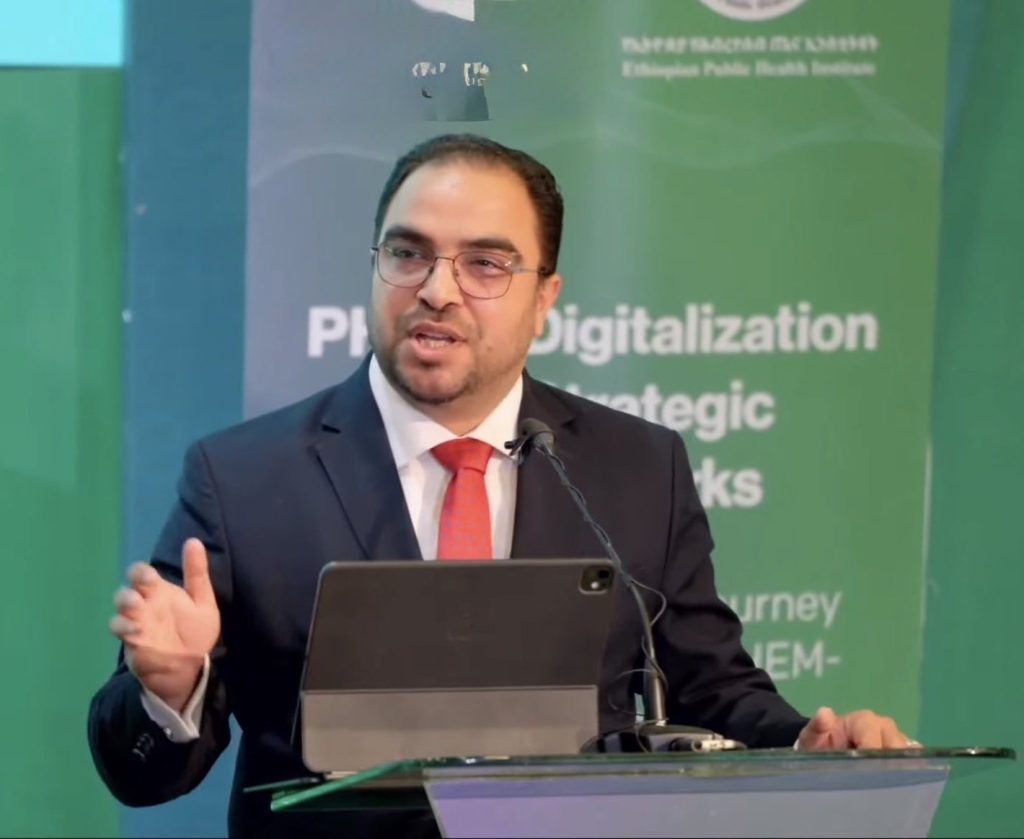
“This is a good progress happen but still early to say that we are controlling the outbreak and the outbreak is still under control,” said Dr Wessam Mankoula, lead of the Continental Incident Management Support Team.
North Kivu is bucking the national trend. Over the latest three-week comparison, cases there rose by 56 per cent and deaths by 19 per cent, while in Ituri cases fell by 25 per cent and deaths by 31 per cent.
North Kivu also has the highest case-fatality ratio, at about 60.5 per cent, against a national average of about 48 per cent. Insecurity and limited access, Dr Mankoula said, continue to hamper case finding and contact tracing. “The outbreak is spreading, affecting many areas, and you need more resources, more efforts, not only financial resources, but also some of the political resources that can have secure and safe access to the Ebola responders in order to control the situation,” he said.
Health workers have also paid a heavy price, with 239 reportedly infected in eastern DRC
Communities are bearing the brunt. “Community deaths are almost around 65 per cent of the total number of deaths reported. This is why further community engagement is required,” Dr Mankoula said.
Health workers have also paid a heavy price, with 239 reportedly infected in eastern DRC. Africa CDC reports a high proportion of cases among children under five and a need for more paediatric expertise, while deliveries, antenatal care, maternal health and vaccination services have all been affected compared with the previous year.

“When an outbreak hits, it affects the most vulnerable. The services for the women and children are most likely to be affected because those services are delivered at the primary healthcare level,” said Dr Landry Tsague, who leads work on essential health services and the village-centred response.
Restoring those services, he said, starts with protecting the people who deliver them.
“You do that first of all by increasing the protection of the healthcare workers,” Dr Tsague said, pointing to vaccine use, therapeutic trials, personal protective equipment and stronger infection prevention.
Pregnant women must also keep accessing trained health workers during pregnancy and delivery, he said, warning that blood availability remains a major challenge during Ebola outbreaks.
“The village-centred response becomes relevant because it brings basic services including nutrition, immunisation, vaccination, and the follow-up of pregnant women at community level,” Dr Tsague said.
Majority of people vaccinated in 2018 had less severe form of Ebola and most did not die
Protecting health workers is complicated by the vaccine itself. The outbreak is caused by the Bundibugyo species of Ebola, not the Zaire strain against which the vaccine has established efficacy. “We know that the vaccine that we are using is effective for the Zaire strain, but we are not yet totally sure concerning its efficacy for the Bundibugyo strain,” said Dr Placide Mbala.
Evidence from a previous outbreak, he said, suggests vaccinated people who later developed Ebola had less severe disease.

“The majority of people who were vaccinated in 2018 had a less severe form of the disease, and the majority did not die from this disease,” Dr Mbala said.
The vaccine is being used under a compassionate use protocol while its effectiveness against Bundibugyo is studied. So far, 5,234 frontline and healthcare workers have been vaccinated, almost 2,000 more than at the previous briefing.
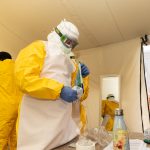
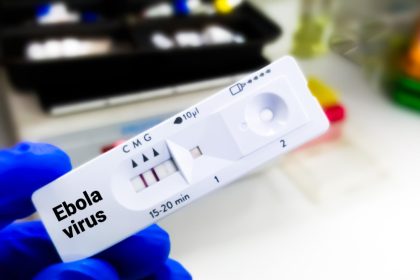
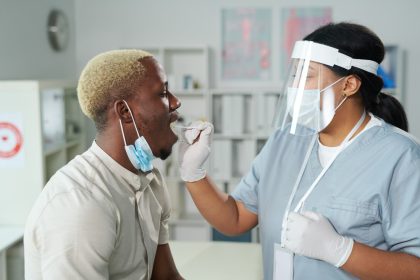
Testing capacity has also grown. At the outbreak’s start, eastern DRC had only two laboratories able to test for Ebola, managing dozens of tests a day. Today, 24 laboratories can run more than 3,400 tests daily, and Africa CDC and partners have supplied more than 100 testing machines and over 100,000 test kits, some sent to neighbouring provinces and health zones to detect possible spillover early.
The immediate battle is in the 49 health zones where transmission is still active. The question now is whether the pledges can mean fewer community deaths, better protection for health workers, stronger local surveillance, and faster access to care.
We believe in the free flow of information
Republish our articles for free, online or in print, under Creative Commons licence.