


As Kenya hits its coldest month, doctors say the danger isn’t the cold itself but how it lets viruses spread among children, and warn that treating every cough with antibiotics is doing more harm than good.
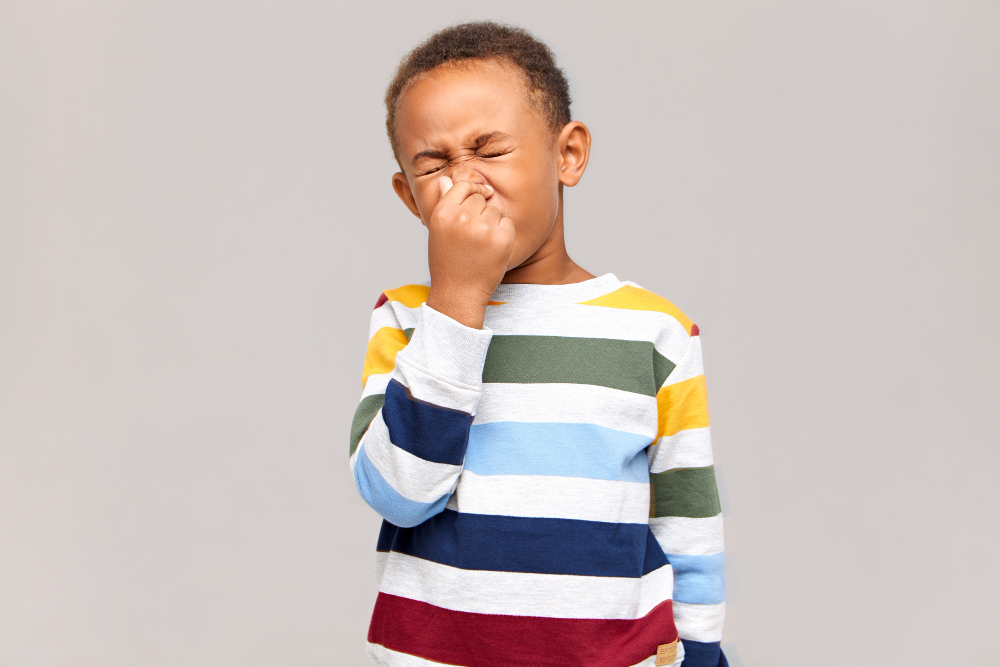
When her eight-year-old son developed what seemed like an ordinary runny nose, Rachael Oguta assumed a warm jumper and rest would see him right. She bought antibiotics, kept him bundled up, and sent him back to school once he seemed better. Days later, the cough returned. Then came another hospital visit. Then another.
“I thought the medicine would solve it, but he kept falling sick every time he went back to school. That’s when I realised keeping him warm wasn’t enough,” says the 28-year-old first-time mother from Roysambu, Nairobi.
Doctors told her the illness was viral, not bacterial, warned against self-medicating, and urged her to keep vaccinations current and watch hygiene and ventilation at home.
Rachael’s experience is becoming familiar to many Kenyan parents. The Kenya Meteorological Department says July marks the peak of the cold season, with the Highlands East of the Rift Valley, including Nairobi, Nyandarua, Nyeri, Kirinyaga, Murang’a, Kiambu, Meru, Embu and Tharaka Nithi, set for cool, cloudy conditions. Parts of Machakos, Kajiado and Laikipia are also expecting chilly mornings, with some areas recording temperatures below 10°C over the coming days.
Every year, as temperatures fall, hospitals see a rise in respiratory illness, and young children carry the heaviest load. The driver isn’t the cold itself, but the conditions it creates, letting viruses spread more easily among children whose immune systems are still developing.
Kenya’s health system already carries a heavy respiratory caseload: the Kenya National Bureau of Statistics (KNBS) Economic Survey 2026 names respiratory diseases the leading cause of illness treated in health facilities in 2025, accounting for about 15.4 million outpatient cases. Globally, the World Health Organization estimates seasonal influenza infects up to one billion people a year, causing three to five million severe cases and between 290,000 and 650,000 respiratory deaths. Pneumonia remains the world’s leading infectious killer of children under five, claiming more than 700,000 young lives annually, according to UNICEF.
Children are especially exposed, spending long hours in classrooms and daycare centres sharing toys, snacks and utensils
Consultant physician Dr Samuel Mutua sees a familiar pattern each season. “Every cold season we begin seeing more children with coughs, fever and breathing difficulties. This season, influenza and pneumonia are the major concerns, alongside common colds, tonsillitis and other respiratory infections that affect children,” he says.
Cold weather itself doesn’t make children sick, says virologist Dr Moses Masika; the problem is how viruses behave in it. “Viruses that cause respiratory illnesses are more stable in cold air. When humidity is low, droplets carrying these viruses remain suspended in the air for longer, increasing the chances of infecting more people,” he says.

Behaviour compounds it. “Families spend more time indoors with windows closed to keep warm. That reduces ventilation, allowing viruses to spread easily from one person to another,” Masika adds. Children are especially exposed, spending long hours in classrooms and daycare centres. “They are in close contact every day, often sharing toys, snacks and utensils. Young children also have poor respiratory hygiene. They may not cover their coughs or sneezes properly, making schools important centres for transmission.”
In Kabiria, Nairobi County, Patricia Anita Mbula, a 34-year-old businesswoman and mother of three, knows that cycle well.
“The cough just doesn’t seem to end. My lastborn is only one year and three months old, and every time my secondborn comes back from school, it feels like the cough comes back with them,” she says. Hospital visits have become routine through the cold months. “You treat one child, then another starts coughing. It is exhausting emotionally and financially.”
Dr Mutua says infants and children under five carry the greatest risk because their immune systems are still maturing. “They have lower physiological reserve, meaning they are less able to cope when an infection becomes severe. That is why parents should never dismiss persistent coughs or breathing problems.”
If a child develops fast or difficult breathing, chest indrawing, nasal flaring or grunting, parents should seek medical care immediately
Masika explains further: “Young children have not yet built the immune memory that adults develop after repeated exposure to viruses. They are encountering many of these infections for the first time. Their airways are also much narrower, so even mild swelling caused by an infection can make breathing much more difficult.”
Laboratory testing is the only reliable way to identify which virus is behind a child’s illness, doctors say, though historical surveillance points to rhinoviruses, respiratory syncytial virus (RSV), influenza viruses, adenoviruses and coronaviruses as the most common culprits.

“We still need stronger surveillance to know exactly which viruses are circulating at any given time. But these remain the viruses we commonly associate with childhood respiratory illness,” Masika says, hence why parents are advised not to self-diagnose.
“It is impossible to identify the virus just by looking at the child. Parents should not try to guess whether it is influenza, RSV or another viral infection. A healthcare worker can assess the child, determine whether pneumonia has developed and recommend the appropriate treatment,” Masika says.
Mild symptoms can escalate quickly if missed. “If a child develops fast or difficult breathing, chest indrawing, nasal flaring or grunting, parents should seek medical care immediately. The same applies if the lips or face become bluish, the child is unable to feed, becomes unusually sleepy, develops persistent vomiting, seizures or a high fever,” Masika says.
Delay is the biggest mistake parents make, Dr Mutua says. “Don’t wait for the illness to become severe before seeking care. If your child is struggling to breathe, has a persistent fever, refuses to feed, becomes difficult to wake or shows signs of dehydration such as sunken eyes or reduced urination, seek medical attention immediately. Early treatment saves lives, especially in infants and young children.” Fever alone is not a reliable guide, he adds: “Some children can become critically ill without having a very high fever. Parents should pay attention to the child’s overall condition, particularly breathing and feeding.”
Regular handwashing with soap, covering coughs and sneezes, improving ventilation and keeping sick children at home can significantly reduce transmission
Antibiotic misuse is another challenge. “The biggest misconception is that antibiotics treat every cough or flu,” Masika says. “Common colds, influenza, RSV and Covid-19 are caused by viruses, so antibiotics do nothing against them. Using antibiotics unnecessarily only contributes to antimicrobial resistance, making future bacterial infections harder to treat.”
Most children he sees this season with coughs have viral, not bacterial, infections, Mutua says. “Antibiotics should only be prescribed when a healthcare professional confirms a bacterial infection such as bacterial pneumonia. Parents should avoid demanding antibiotics for every cough.”

Protecting children starts long before they fall ill. “Routine childhood immunisation protects children against infections that can become more severe during the cold season. Parents should ensure their children receive all vaccines according to the national immunisation schedule,” Mutua says.
Masika adds that everyday habits matter too: “Regular handwashing with soap, covering coughs and sneezes, improving ventilation by opening windows whenever possible and keeping sick children at home can significantly reduce transmission. Good nutrition also helps children develop stronger immune responses and recover more quickly.”
Harriet Bunyasi, a young mother from Njiru, Nairobi, learnt this the hard way. In May, she and her four-year-old child were both diagnosed with pneumonia after weeks of persistent coughing.
“I honestly believed warm jackets would protect my child. When both of us ended up with pneumonia, the doctors explained that dressing warmly alone wasn’t enough,” she says. Health workers advised combining warm clothing with ventilation, nutrition, vaccination and prompt treatment. “Now I understand that prevention is much bigger than just wearing heavy clothes.”
Parents sometimes focus on treatment after a child becomes sick instead of preventing the illness in the first place
Community health nurse Davin Kasamani says prevention should be a daily routine. “We encourage parents to keep vaccinations up to date, provide balanced meals and avoid exposing children to people with respiratory infections.” Other illnesses can compound the risk, he adds.
“Children should also continue sleeping under treated mosquito nets because illnesses such as malaria can weaken their health and make recovery more difficult.”

Repeated illness has costs beyond the infection, Kasamani warns. “When children keep falling sick, it affects their growth and development. They miss school, may fail to achieve normal developmental milestones and often struggle to maintain a healthy body weight.”
At Centrumberliner Medical Centre, nurse in charge Rebecca Siamanta says families underestimate the financial and emotional toll of childhood illness.
“Vaccination is very important because it reduces the chances of infection and severe illness. Parents sometimes focus on treatment after a child becomes sick instead of preventing the illness in the first place.” Repeated hospital visits ripple through households, she says. “Parents spend money on consultation, medication and transport. Children miss school while caregivers miss work, forcing families to change their priorities. Much of this burden can be reduced through early prevention and prompt healthcare seeking.”
Healthier homes, Siamanta says, build healthier communities. “When parents develop good health-seeking behaviour and make prevention part of everyday life, the benefits extend beyond one household. Better family health contributes to a healthier community.”
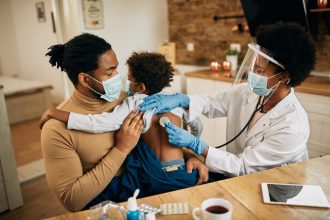
As the cold peaks, doctors are asking parents for vigilance rather than fear. Most respiratory infections are mild, and children recover fully with timely care; the real danger lies in ignoring warning signs, delaying treatment or reaching for antibiotics that were never going to help. The fixes are neither expensive nor complicated: vaccination, ventilation, handwashing, good nutrition, and recognising when a cough turns urgent.
“Not every cough needs antibiotics, but every child deserves careful observation. When something doesn’t feel right, don’t wait. Seeking medical care early can prevent complications and save lives,” Masika says.
Mutua puts it simply: “Warm clothing is important, but it is not enough. Vaccination, proper nutrition, hand hygiene, good ventilation and early medical attention when danger signs appear are what will keep children safe through the cold season.”
We believe in the free flow of information
Republish our articles for free, online or in print, under Creative Commons licence.