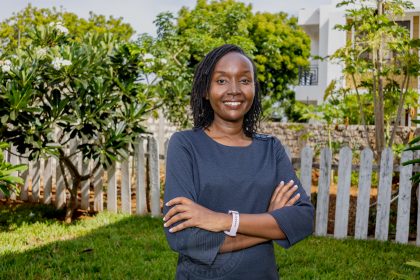


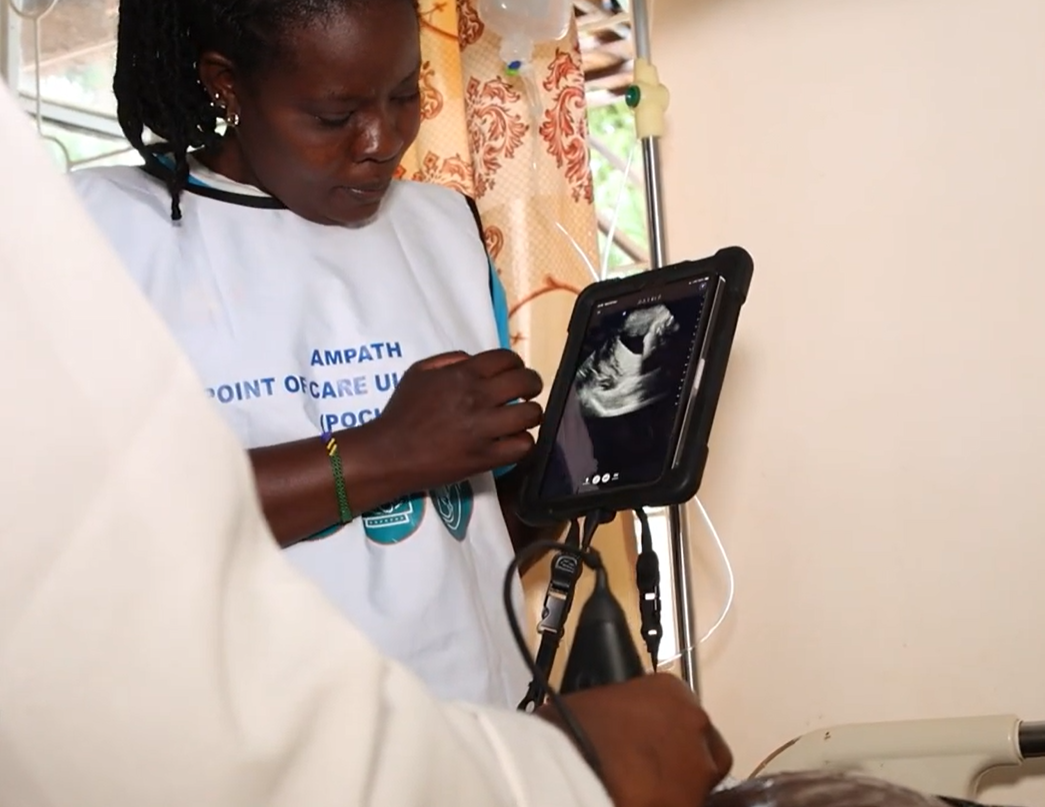

A smartphone-sized ultrasound device is reshaping healthcare in rural Kenya, where health workers can now detect life-threatening conditions closer to home. For patients, distance is no longer the biggest barrier to diagnosis.
Sarah Nanjala Simiyu still remembers the fear that gripped her on her way to the health facility. Eight months pregnant with her fourth child, she had spent the previous night battling severe malaria. Her body felt weak, every movement was exhausting, and anxiety had replaced the excitement she had carried through most of her pregnancy. She feared not only for her own life but for the tiny life growing inside her.
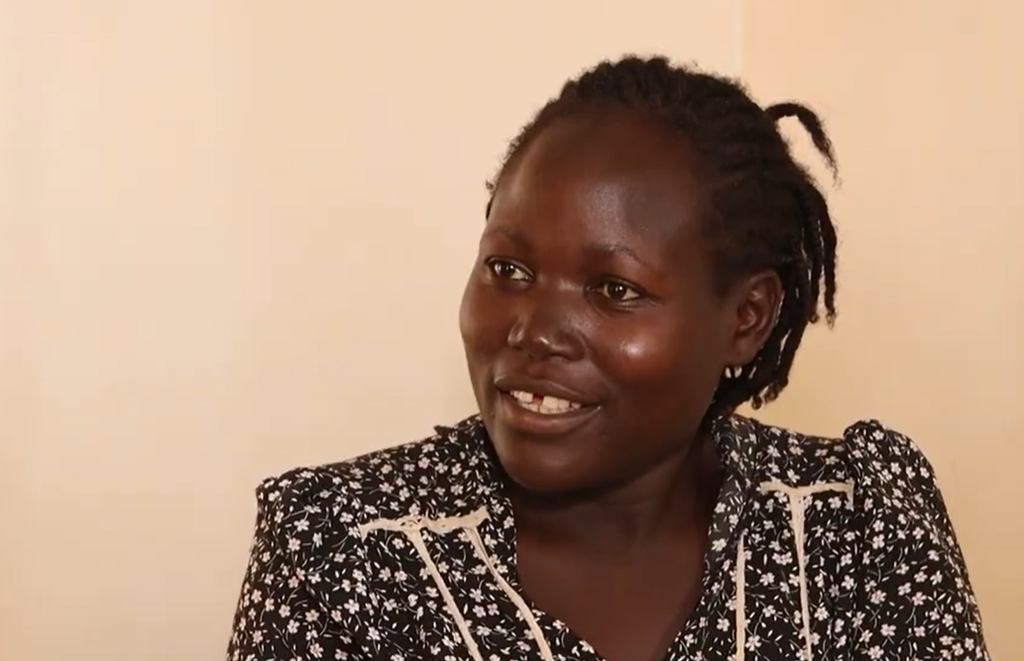
“I thought I was going to die,” she recalled. “People around me didn’t even know whether I was in labour or whether I was just very sick.”
Moments after Sarah arrived, a clinician reached for a handheld Point-of-Care Ultrasound (POCUS) device. Within minutes, the screen showed what she had desperately hoped to see. Her baby was alive, moving, and the heartbeat was strong. The malaria had made her ill, but the pregnancy remained stable.
“I was so happy when I saw my baby,” she said with a smile. “They showed me the baby on the screen, and I knew everything was okay.”
That brief scan represented a shift in healthcare delivery now unfolding across western Kenya, where portable ultrasound devices are bringing diagnostic services closer to the people who need them most.
Diagnosis once meant travelling to a distant referral hospital
Across Bungoma and Busia counties, the POCUS programme, run through a partnership between AMPATH, Moi University and the county governments, is letting nurses, clinical officers and doctors perform bedside scans in health centres and dispensaries that previously had no imaging services at all. For communities where a diagnosis once meant travelling to a distant referral hospital, healthcare is now coming closer to home.
Kenya continues to make progress in improving maternal and newborn health, but significant challenges remain.
According to the 2022 Kenya Demographic and Health Survey (KDHS) and the Ministry of Health (MoH), the country records about 355 maternal deaths for every 100,000 live births, while the neonatal mortality rate stands at approximately 21 deaths per 1,000 live births. Leading causes of maternal death include postpartum haemorrhage, hypertensive disorders, obstructed labour and sepsis, conditions experts say can often be prevented or managed when caught early.
For years, early detection was a privilege many rural communities could not access. Women attending antenatal clinics in lower-level facilities were routinely referred elsewhere for ultrasound scans. Others never made the journey, either because they could not afford transport or believed the pregnancy was progressing normally. Some complications were only discovered during labour, by which point both mother and baby were already in danger.
Some women delayed diagnosis because of transport costs, others simply never went
“Before POCUS, we relied heavily on physical examination,” explained Naomi Mingich, a clinical officer at Sinoko Sub-County Hospital. “If we suspected something abnormal, we referred the mother for a comprehensive ultrasound. Sometimes that meant travelling many kilometres. Some women delayed because of transport costs, and others simply never went.”
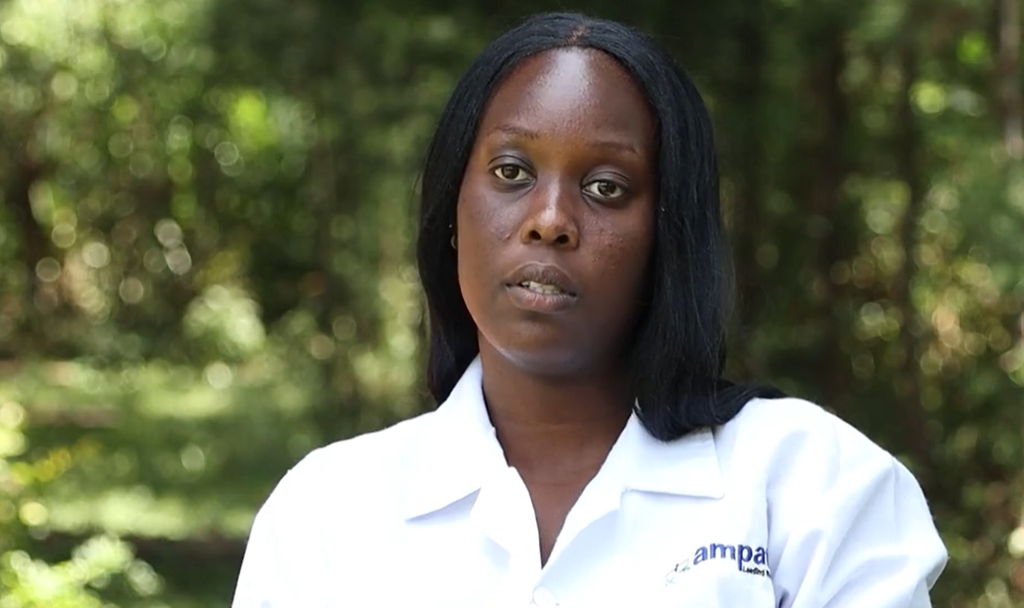
Today, that has changed. “Now, we can scan mothers right here at the point of care,” she said. “We can determine whether the baby is in the correct position, whether there are twins, whether the placenta is low-lying, or whether the mother needs urgent referral. We make decisions immediately.”
Mingich recalls a woman who arrived in labour believing she carried a single baby. Physical examination suggested something was unusual, but the team could not tell exactly what. A bedside scan revealed twin babies, both in breech position. “We referred her immediately,” she said. “Without the scan, we could have waited until labour progressed before realising the danger.”
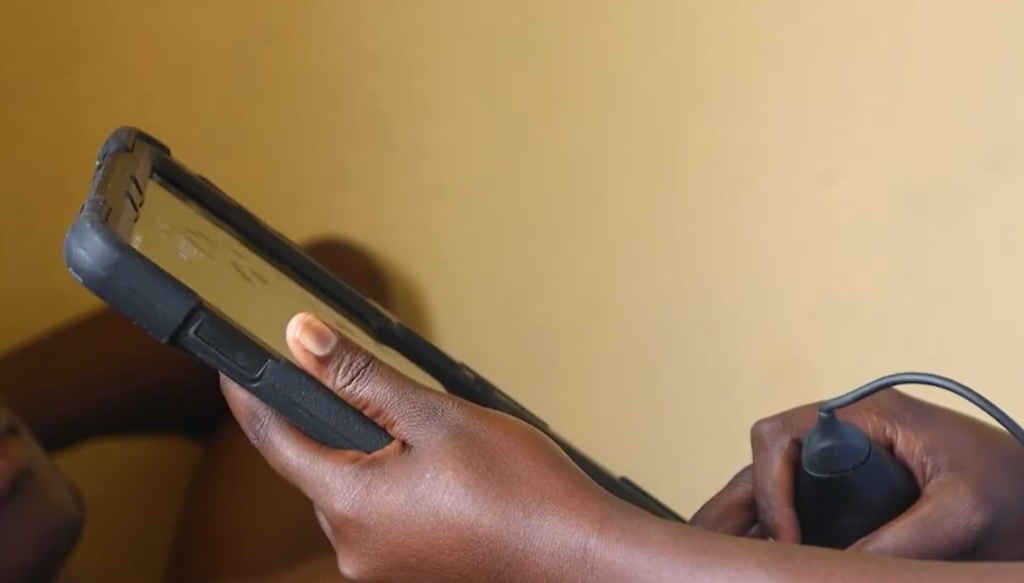
Unlike conventional ultrasound machines, which require specialised radiology departments, POCUS is designed for use wherever patients receive care. Dr Hussein Elias, a family physician at Moi University and co-investigator on one of Kenya’s largest POCUS projects, describes it as “an advanced stethoscope”. “It is bedside image acquisition and interpretation that helps healthcare workers make instant clinical decisions,” he explained. “It doesn’t replace formal ultrasound performed by sonographers. Instead, it supports frontline clinicians by giving them immediate answers while they are examining patients.”
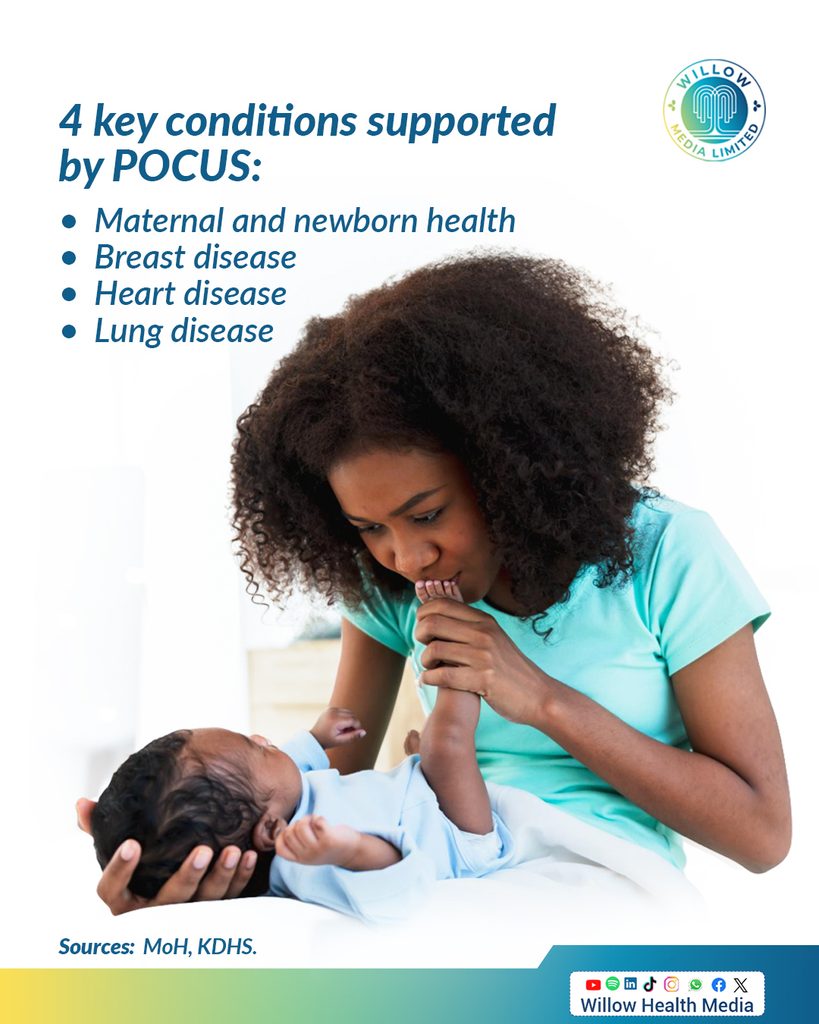
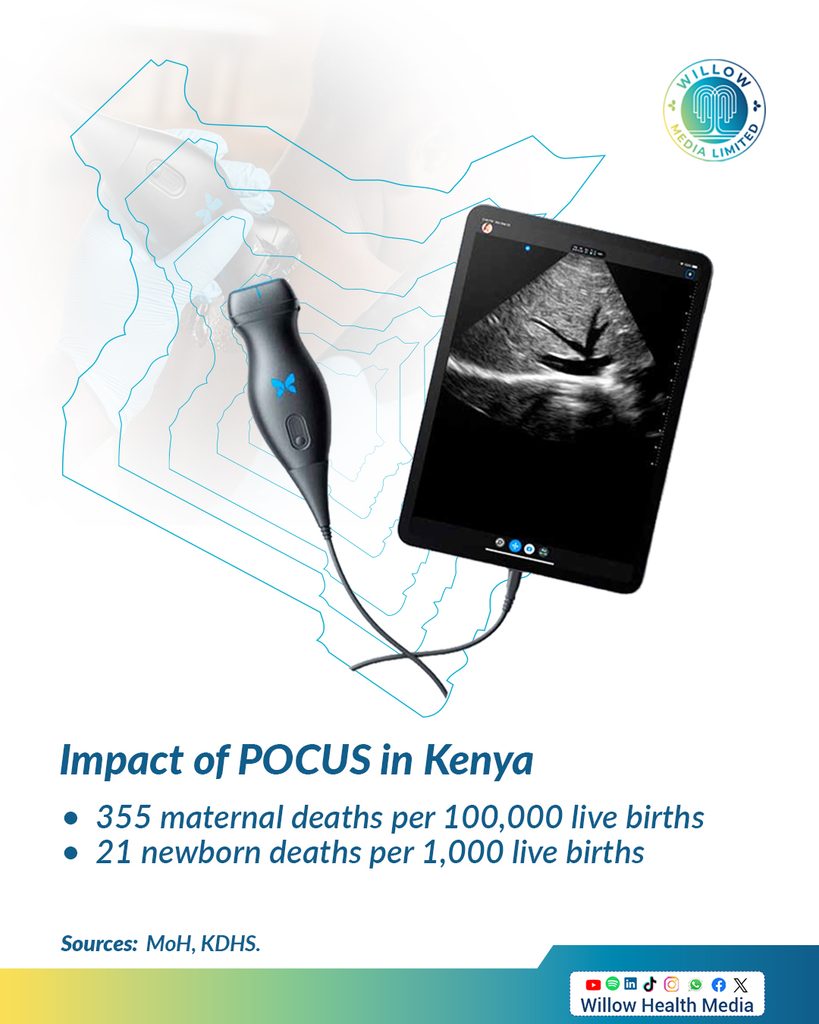
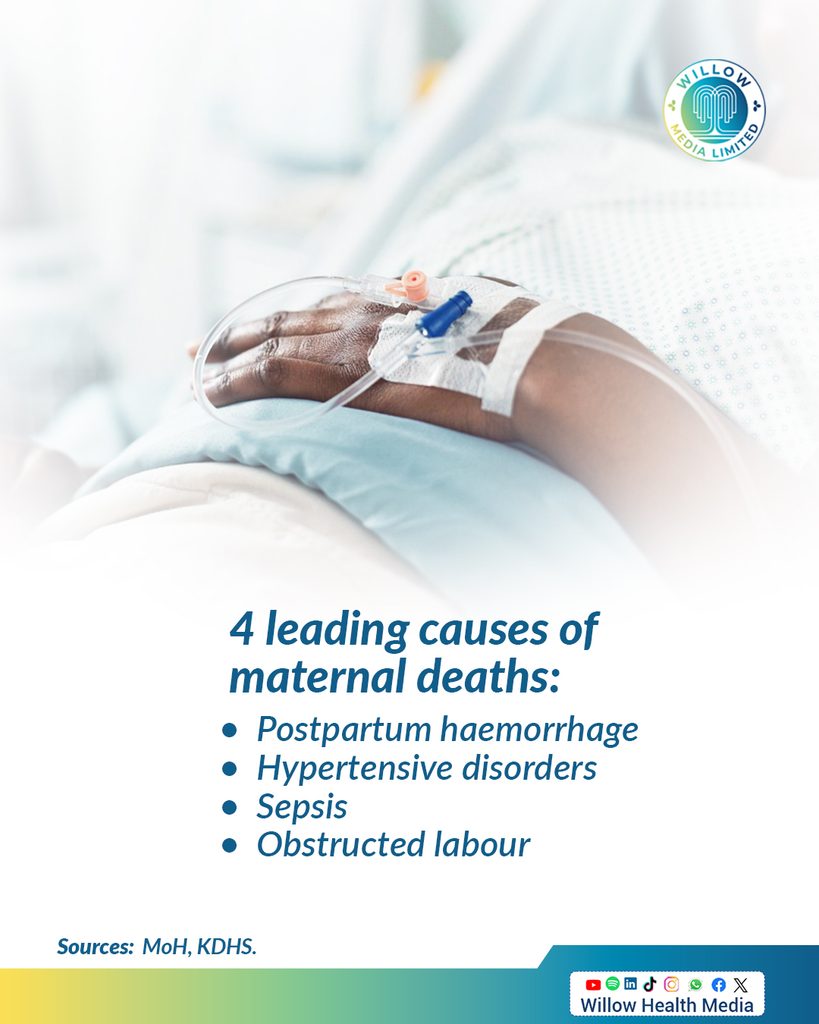
Point of Care Ultrasound (POCUS) helps bridge Kenya’s ‘diagnostic deserts’
The project focuses on four priority areas: maternal health, heart disease, lung disease and breast conditions, though its impact reaches beyond those specialities. “It helps bridge what we call diagnostic deserts,” Dr Elias said. “These are places where imaging services simply do not exist. Instead of expecting patients to travel long distances, we are taking diagnostic capability to the primary healthcare level.”
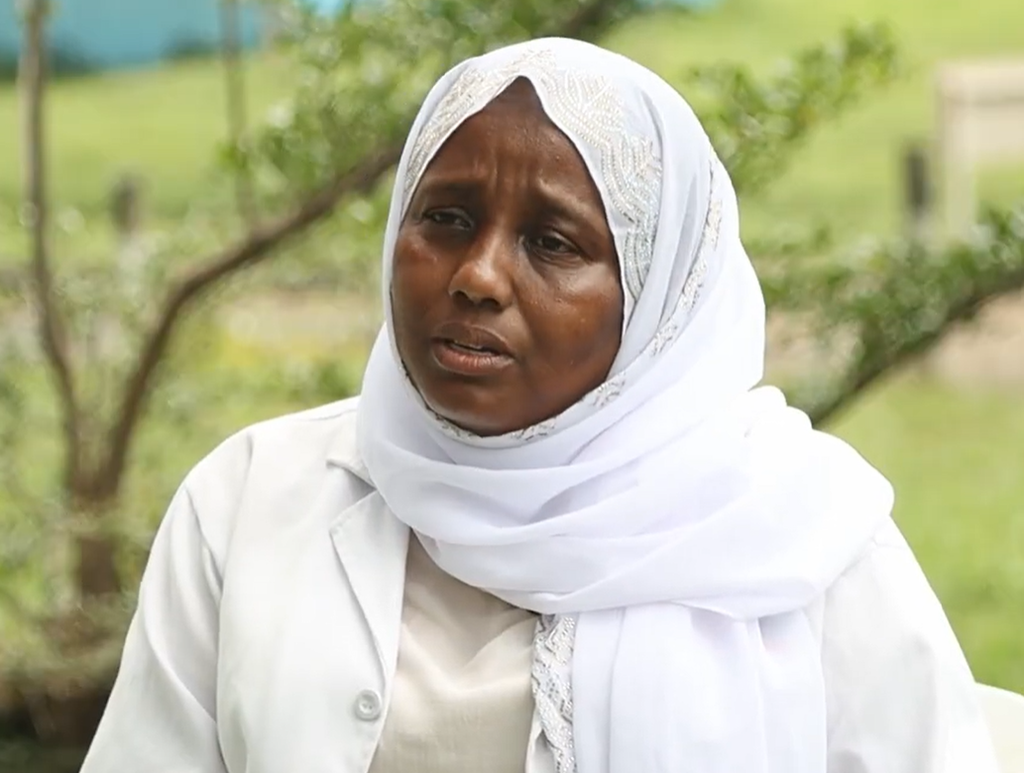
At Webuye County Hospital, clinical officer Saif Fatma says the device has become indispensable in maternity care. “We have reduced admissions for birth asphyxia from our own facility because we identify foetal distress earlier,” she said.
She added: “When a baby is not tolerating labour well, or the presentation is abnormal, we intervene before complications become severe.”
Fatma recalled a pregnant woman whose abdomen looked unusually large for her gestational age; a quick POCUS examination showed she was carrying multiple babies and had gone into preterm labour. Another woman arrived bleeding during labour in a way that looked ordinary, but the scan revealed a low-lying placenta. Fatma says they prepared for surgery immediately, before the bleeding became life-threatening. Those minutes, she says, often decide whether mothers and babies survive.
While maternal health has become the most visible success of the programme, clinicians say the technology is transforming care well beyond pregnancy.
A clinician performed a bedside ultrasound. The service was free
When Mary Wanjera noticed swelling in her breast, she expected she would have to travel to a referral hospital for imaging. Instead, she visited her nearby health facility, where a clinician performed a bedside ultrasound.
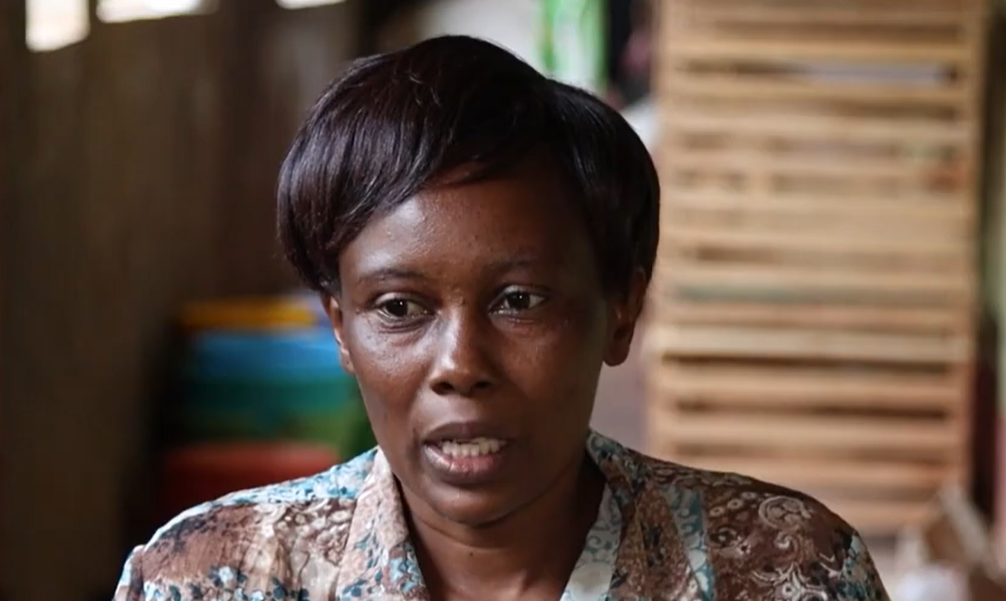
“The service was free,” she said. “I was surprised that they could scan me there.” The scan showed further evaluation was needed, allowing clinicians to refer her promptly for a comprehensive assessment. “I tell other women not to ignore lumps. Go to the hospital early,” she said.
Healthcare workers say bringing the first scan closer to patients is helping cut dangerous delays in breast cancer diagnosis. The same technology is also improving care for patients with heart and lung conditions.
Fatma remembers one emergency patient struggling to breathe, whose symptoms suggested several possibilities. With POCUS, clinicians identified findings that required immediate referral. Without the scan, treatment could have been delayed.
For years, referrals often began in uncertainty, with patients sent to referral hospitals simply because lower-level facilities lacked diagnostic tools. Now, referrals are becoming more targeted. Isaiah Omondi, Busia County’s POCUS Coordinator, says the programme has transformed referral systems by allowing clinicians to identify complications before patients even leave lower-level facilities. “The service moves to the patient instead of moving the patient to the service. That saves time and allows referrals to happen for the right reasons. We are now able to track patients through the referral system much better than before,” he said.
When you detect problems early, you prevent emergencies, reduce maternal deaths
For county governments, the programme is more than new equipment. Arthur Odera, Busia County’s Deputy Governor and County Executive Committee Member for Health, believes POCUS is changing the nature of healthcare itself. “It enables early diagnosis. When you detect problems early, you prevent emergencies, reduce maternal deaths and improve patient outcomes,” he said.

Busia County currently has 96 health facilities, many of which previously lacked ultrasound services. “Our goal is to have POCUS equipment in every facility. We also want continuous training, maintenance and public awareness so that people seek healthcare before they become seriously ill,” he said.
Bungoma County is pursuing a similar vision. Dinyo Maureen, the county’s Reproductive Health Coordinator, said Bungoma has already distributed handheld ultrasound devices to dozens of facilities and continues investing in training and mentorship.
“We have seen earlier detection of complicated pregnancies and improved referrals. Our healthcare workers are more confident because they can make decisions based on what they see,” she said. She believes the programme has contributed to a noticeable reduction in maternal deaths in participating facilities.
Communities beginning to trust their nearest health centres for diagnosis
Perhaps the greatest achievement of POCUS is not the images it produces but the confidence it inspires. Patients who once bypassed local facilities now seek care closer to home. Healthcare workers who once relied solely on physical examination now make informed decisions with greater certainty. Communities that once viewed referral hospitals as the only place for quality diagnosis are beginning to trust their nearest health centres.
For Sarah Nanjala, that transformation is deeply personal. She arrived frightened, uncertain whether she or her baby would survive. She left carrying something no medicine alone could provide: the reassurance that comes from seeing life beating on a small screen, in the hands of a trained healthcare worker. “I thank God that this machine was here,” she said. “If it wasn’t, maybe I would still be worried.”
Across western Kenya, thousands of other patients are beginning to tell similar stories. Their experiences suggest the true power of Point-of-Care Ultrasound lies not merely in detecting disease, but in dismantling one of the greatest barriers to healthcare in rural Africa: distance.
Graphic by Semion Atetwe.
We believe in the free flow of information
Republish our articles for free, online or in print, under Creative Commons licence.