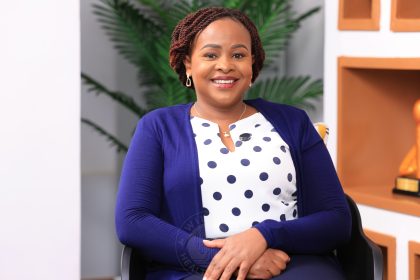
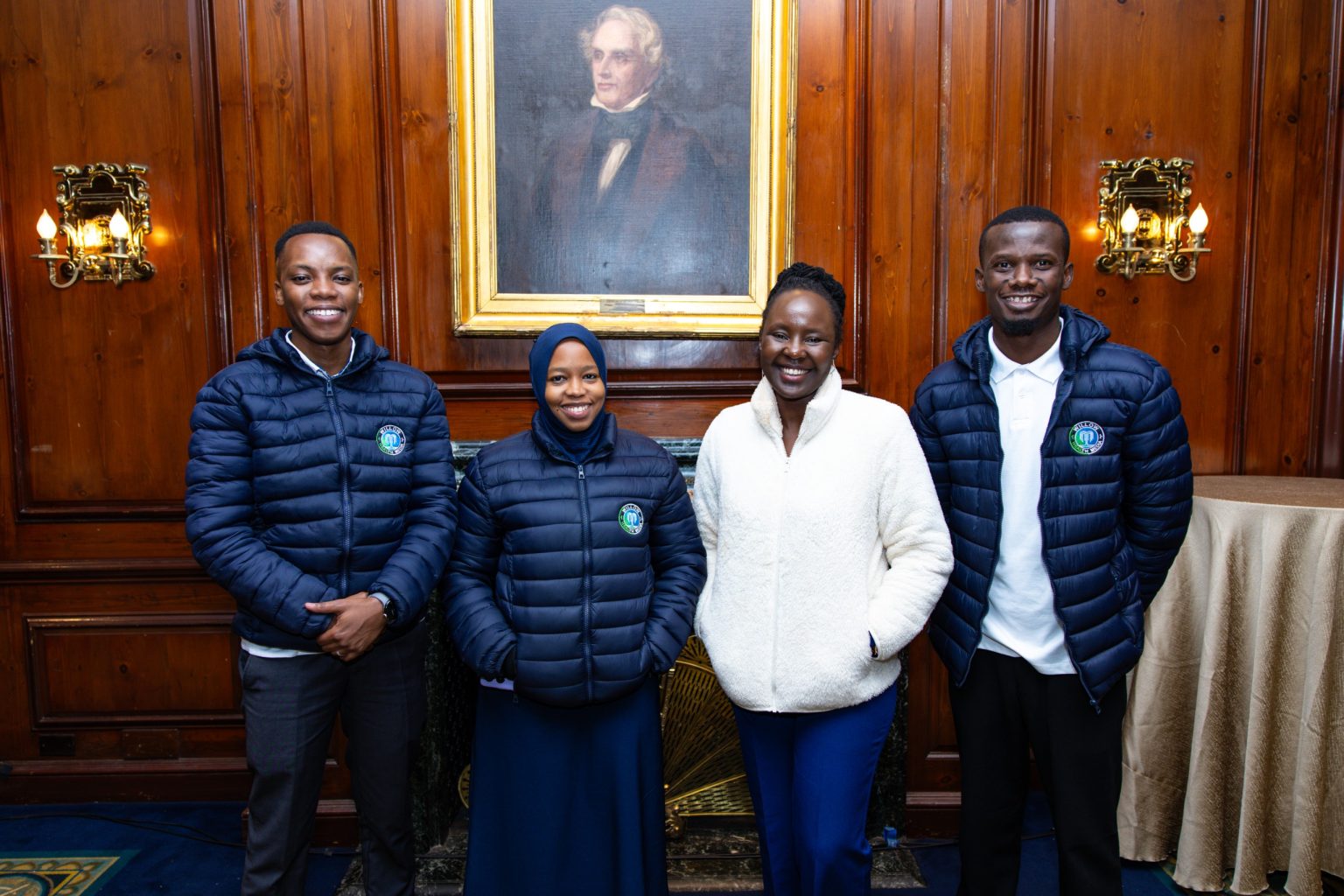
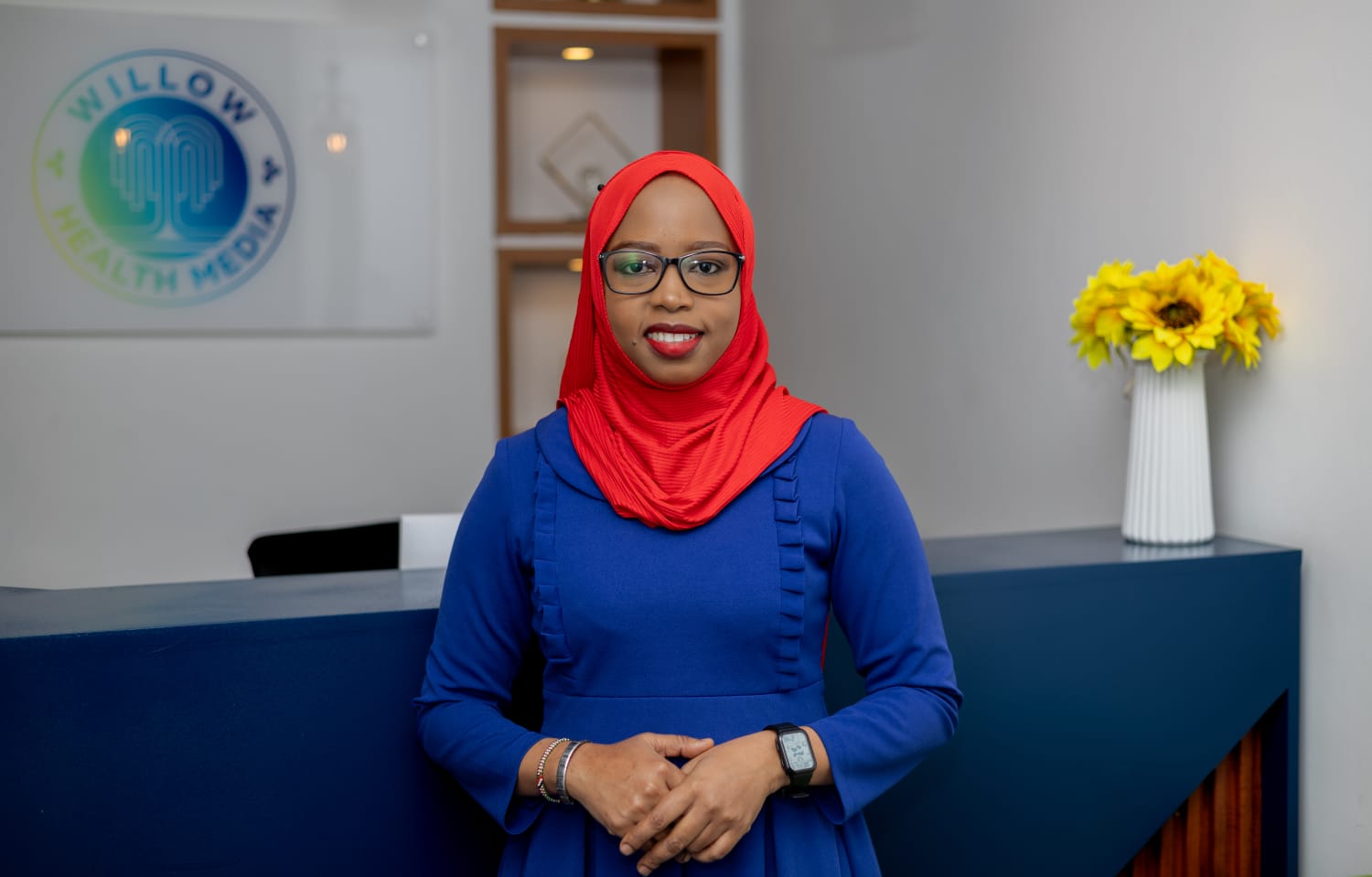

At the 81st session of the United Nations General Assembly, Willow Health Media CEO and Editor-in-Chief Dr Mercy Korir, moderated high-level discussions on outbreak preparedness and African drug manufacturing. It marked a shift for Willow, from reporting on global health to helping shape the conversation from an African perspective.
Willow Health Media took its place in global health diplomacy at the 81st United Nations General Assembly (UNGA81) in New York, joining the Gates Foundation’s Goalkeepers event and moderating two high-level side events on outbreak preparedness and pharmaceutical manufacturing in Africa.
Led by CEO and Editor-in-Chief Dr Mercy Korir, this premier health and science newsroom engaged policymakers, global health organisations, pharmaceutical companies, development financiers and health innovators on three issues with direct implications for Africa’s health systems: artificial intelligence (AI), outbreak preparedness and local production of medicines.
Most newsrooms go to UNGA to report on it. This year, Willow did both, covering the week’s big debates while also convening conversations between the people driving them. That dual role, participant and platform, marks a shift in how the newsroom operates on the world stage. It rests on years of accurate, sourced reporting on African health systems. Presidents, Africa CDC directors, and UN officials do not lend their names to panels hosted by newsrooms they do not trust to handle the conversation seriously.
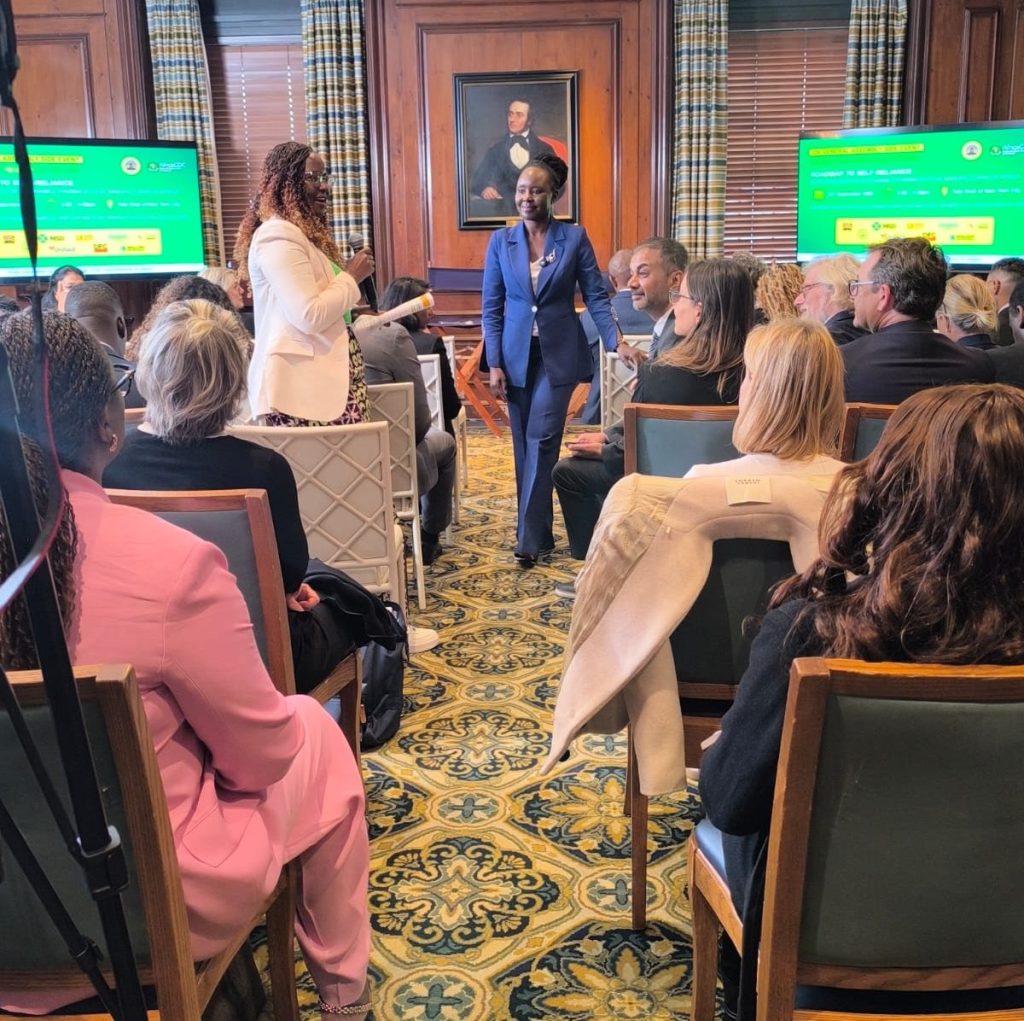
On September 24, Dr Korir moderated “Roadmap to Self-Reliance: What’s Needed for Sustainable Pharmaceutical Manufacturing in Africa” at the Yale Club of New York City. Hosted by the Government of Kenya and the Africa Centres for Disease Control and Prevention (Africa CDC), the session tackled what it will actually take to build sustainable pharmaceutical manufacturing on the continent, against a target of producing 60 per cent of Africa’s health products on African soil by 2040.
President William Ruto argued that Africa’s dependence on imported medicines resulted from policy choices that could be changed
Speakers included Kenya’s Principal Secretary for Medical Services Dr Ouma Oluga, Health Cabinet Secretary Aden Duale, Africa CDC Director-General Dr Jean Kaseya, Dr Priya Agrawal of MSD, Dr Alex Juma Ismail of the African Medicines Agency (AMA), Dr Raji Tajudeen of Africa CDC, Dr Anne-Claire Amprou, French Ambassador for Global Health and Chair of the Unitaid Executive Board, Universal Corporation Limited CEO Palu Dhanani, Zuri Health Co-Founder and CEO Ikechukwu Anoke and Monisha Ashok of the US International Development Finance Corporation (DFC).

Dr Oluga linked local production to health sovereignty. CS Duale, reading President William Ruto’s keynote address, argued that Africa’s dependence on imported medicines was the result of policy choices and could therefore be changed. The address set out five conditions for making the 60 per cent target commercially sustainable: regulatory efficiency and harmonisation, predictable demand through pooled procurement, long-term financing, genuine technology transfer and policy coherence across health, industrial, trade and procurement policies.
In his opening remarks, Dr Kaseya cited Kenya as his lead example of what political commitment to local manufacturing delivers. He said Kenya had secured World Health Organization (WHO) Maturity Level 3 (ML3) status in under a year, a process that normally takes years. “This ML3 of Kenya was a tough conversation. Even he went to fight with some people,” he said of CS Duale, adding that Kenya “officially will become ML3 in November.”
The discussion centred on alimatravir, MSD’s investigational once-monthly HIV prevention pill, still in phase three trials. Dr Agrawal highlighted the company’s decision to license the pill to manufacturers in Kenya, Uganda and South Africa, allowing production in countries where the clinical trials are being conducted. She cautioned, however, that licensing alone is not enough, as African manufacturers need support to compete on cost, quality and reliability.
African countries had taken part in trials whose products were manufactured outside the continent
Dr Kaseya pointed to a long-standing gap. “My continent is home to so many clinical trials… And when we got the result, the product went to be manufactured on another continent. But it was not the first time.” He noted that more than 20,000 participants across four African countries had taken part in trials whose products were then manufactured outside the continent, meaning Africa was losing not only money but also knowledge and technology. Africa CDC plans to invest directly in the three manufacturing companies involved, Kenya’s among them.
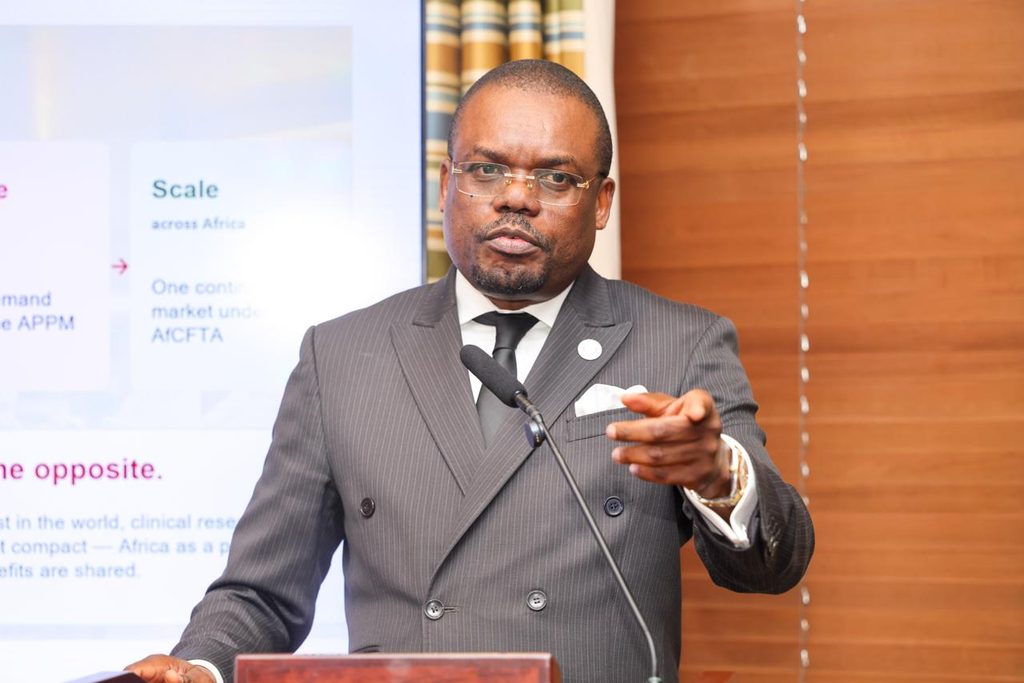
Dr Ismail outlined AMA efforts to engage manufacturers earlier in product development, while Dr Tajudeen pointed to pooled procurement as a way of creating the market volume manufacturers need. Dr Amprou stressed predictable demand, noting that Unitaid has invested close to $100 million (Ksh12.97 billion) to build market volume for African manufacturers. Dhanani highlighted the difficulty of competing with established Indian manufacturers, while Anoke and Ashok spoke on longer-acting medicines and commercially sustainable investment.
Dr Korir closed by observing that Africa’s road to self-reliance runs through development, manufacturing, regulation, procurement and scale, with each stage depending on the others.
A day earlier, on September 23, Dr Korir moderated “Lessons in Outbreak Preparedness and Response: From SARS to Ebola” at the Millennium Hilton New York, One UN Plaza.
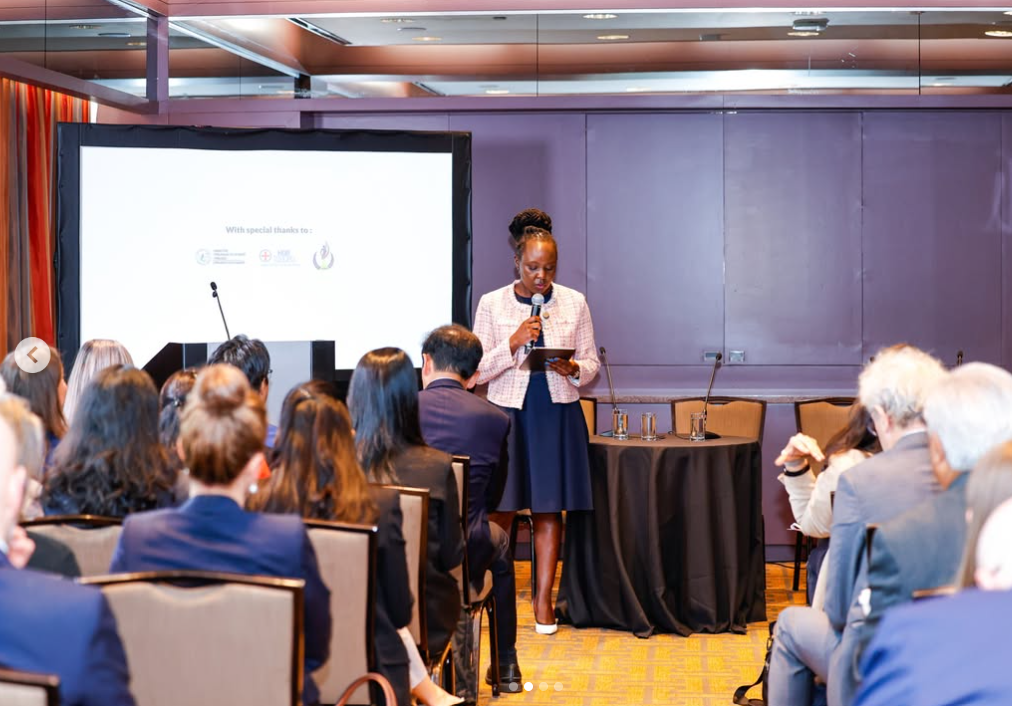
The panel brought together Singapore’s Minister for Health and Coordinating Minister for Social Policies Ong Ye Kung, Hilleman Laboratories CEO Dr Raman Rao, MSD Executive Vice President for Strategic Access, Policy and Communications Chirfi Guindo, Coalition for Epidemic Preparedness Innovations (CEPI) CEO Dr Richard Hatchett and Gavi CEO Dr Sania Nishtar.
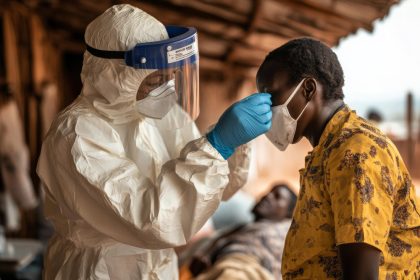
The central message was that preparedness cannot begin when an outbreak starts. It requires sustained investment in surveillance, laboratories, trained health workers, manufacturing capacity, financing, regulatory systems, supply chains and trusted partnerships. The ongoing Bundibugyo Ebola outbreak in the Democratic Republic of Congo (DRC) offered a real-time example: scientific platforms, financing mechanisms and partnerships built beforehand allowed organisations to mobilise faster than during COVID-19.
Priorities for Kenya’s delegation included: enforceable benefit-sharing, regional manufacturing capability, predictable pandemic financing
The session ran as world leaders debated the unfinished Pathogen Access and Benefit-Sharing annex, meant to ensure countries that report outbreaks early gain fast access to vaccines and treatments rather than face travel bans and trade restrictions. Willow’s panel put that negotiation into practical terms.
Willow’s week began at the 2026 Goalkeepers event, the Gates Foundation’s flagship gathering of heads of state, philanthropists, scientists and advocates. Under the theme “Make This Matter: AI, Equity, and the Choice We Can’t Delay,” speakers explored AI’s growing role in healthcare, education and agriculture.
The foundation’s 2026 Goalkeepers Report identifies healthcare as an area where AI could accelerate progress, with $1 billion (Ksh129 billion) planned over two years to expand access to AI. Forty per cent is earmarked for healthcare, including diagnostics, clinical decision-making, maternal and newborn care, and medicine and vaccine development. For Willow, the presence put its editorial leadership in direct conversation with those whose decisions shape the stories it covers.
Kenya’s delegation argued its priorities from the General Assembly floor: enforceable benefit-sharing, regional manufacturing capability and predictable financing for the Pandemic Fund. Willow’s side events gave those priorities a second, more technical hearing, with those responsible for building manufacturing and outbreak response systems around the table.
In New York, Willow was both participant and platform, connecting Africa’s health story to the global conversations shaping its future and bringing those insights back to African audiences.