


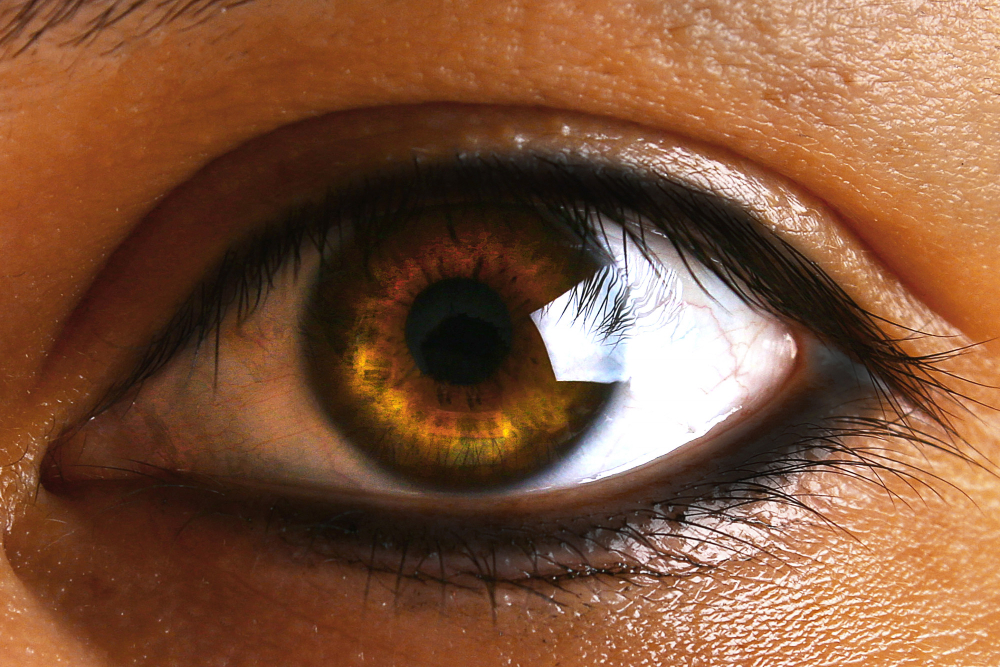

A routine eye examination can reveal signs of diabetes, high blood pressure, neurological disease, blood disorders and glaucoma before obvious symptoms appear, giving clinicians an early chance to investigate, treat disease and prevent irreversible harm.
Dr Alain M’bongo, a consultant ophthalmologist and vitreoretinal surgeon at the Aga Khan University Hospital, recalls a young patient who came in with what seemed like a minor eye complaint. During the examination, he noticed unusual changes in the retina and recommended an HIV test. The patient agreed.

The results showed advanced HIV infection and dangerously low immunity, despite the patient appearing perfectly healthy. Without that eye examination, the diagnosis might have come much later, after a life-threatening infection had already taken hold. Cases like this are why ophthalmologists increasingly describe the eye as a diagnostic window rather than simply an organ for vision.
“The eye is the window to the body. It is much more than just glasses because it is an important part of the body,” Dr M’bongo says. Diabetes, high blood pressure, glaucoma, blood disorders and even some brain conditions can leave revealing signs in the eye long before a person develops obvious symptoms elsewhere in the body.
Most people book an eye appointment only when their vision blurs or they suspect they need glasses. But as non-communicable diseases continue to rise across Kenya, specialists argue that a comprehensive eye examination belongs in preventive healthcare, not just vision testing.
The eye connects to the brain through the optic nerve and contains tiny blood vessels that mirror those found in other organs. During an examination, specialists look directly at the retina, optic nerve, and retinal blood vessels, spotting subtle changes that may signal disease elsewhere in the body.
Early discovery can change the course of treatment and prevent life-threatening complications
Unlike the heart, kidneys, or brain, doctors can examine these structures without surgery or invasive procedures.
“The advantage of the eye is that many complications begin there. At the early stage, you can detect them in the eye before they become obvious elsewhere in the body,” Dr M’bongo says. That early discovery can change the course of treatment and prevent life-threatening complications.

Diabetes offers the clearest example. High blood sugar damages tiny blood vessels throughout the body, including those supplying the retina. Long before a patient develops severe kidney disease, stroke or diabetic foot complications, ophthalmologists may spot tiny leaks, small haemorrhages or swelling inside the eye, even when vision seems perfectly normal.
“When we examine the retina, we can detect small blood stains or leakages at a very early stage. That information helps the physician adjust treatment and determine how closely the patient should be followed,” Dr M’bongo explains.
In some cases, an eye examination raises the first suspicion that a patient has diabetes, prompting referral for further testing. Persistent headaches, often dismissed as stress or migraine, can also originate from more serious conditions. Doctors inspect the optic nerve, which carries visual information to the brain, for swelling that can indicate raised pressure inside the skull, sometimes caused by brain tumours or other neurological disorders.
The eyes can also reveal blood disorders such as sickle cell disease and certain blood cancers
Optical Coherence Tomography (OCT), a high-resolution scan of the retina and optic nerve, lets ophthalmologists detect subtle abnormalities long before they show up in a routine examination.

“Optical coherence tomography is a scan for the eye, just like a CT scan is for the brain. It gives us confidence to detect disease at an early stage and advise other physicians on the next steps,” Dr M’bongo says.
The technology has proved particularly valuable for distinguishing ordinary migraine from conditions caused by raised pressure in the brain.
The eyes can also reveal blood disorders such as sickle cell disease and certain blood cancers, whose earliest signs may appear in the retina before other symptoms develop. Cases like these are why ophthalmologists often work alongside physicians, neurologists, endocrinologists, and other specialists to confirm diagnoses and start treatment early.
Not every eye condition is a messenger for disease elsewhere. Some begin and end in the eye itself, threatening permanent blindness if caught too late, and glaucoma is the most prevalent of these. Specialists often call it the “silent thief of sight” because it gradually damages the optic nerve without pain or early symptoms, so people continue reading, driving and going about daily life, unaware that irreversible vision loss has already begun.
People of African descent face a particularly high risk, Dr M’bongo says, and should begin routine screening around the age of 40.
“If glaucoma is diagnosed late and you are already blind, there is nothing we can do. The only way to prevent blindness is to detect it early through an eye examination,” he says. Unlike cataracts, blindness caused by glaucoma cannot be reversed.
Many children struggle academically simply because they cannot see the classroom board, and neither they nor their parents realise anything is wrong
Experts say eye examinations should start well before vision problems appear. Children should have their eyes checked in infancy and again before starting school, to catch conditions such as congenital cataracts, retinoblastoma and vision problems that interfere with learning; many children struggle academically simply because they cannot see the classroom board, and neither they nor their parents realise anything is wrong.
Adults should not wait for symptoms either. Routine examinations matter increasingly from age 40, when glaucoma, cataracts and other age-related eye diseases become more common, and people living with diabetes need annual eye checks even when their eyesight seems normal, because retinal damage can progress silently.
Anyone experiencing blurred vision, eye pain, persistent headaches, flashes of light, sudden vision loss, or unexplained redness should seek prompt assessment from a qualified eye care professional rather than self-medicating.
“It is important to have your eye checked anytime there is a problem. Don’t just go to the pharmacy to buy eye drops. Come for an examination first,” Dr M’bongo advises.

Many people still associate eye clinics with spectacles alone, a perception specialists hope to change. As imaging technologies such as OCT become more widely available, ophthalmologists are helping diagnose conditions that extend far beyond the eye, catching diabetes, hypertension, glaucoma and even HIV before they turn into emergencies.
Experts’ proposed fix is straightforward: fold the eye examination into the same routine as a blood pressure check or an annual physical, particularly for children starting school, adults over 40 and anyone living with diabetes.
“The eye is the window to the body,” Dr M’bongo says. Looking through that window early, before symptoms appear, may uncover a silent disease while there is still time to treat it.