



Cool roofs and screened windows cut mosquito numbers by up to 77 per cent in a new trial. Architects say the real breakthrough may be knowledge Kenya already had.
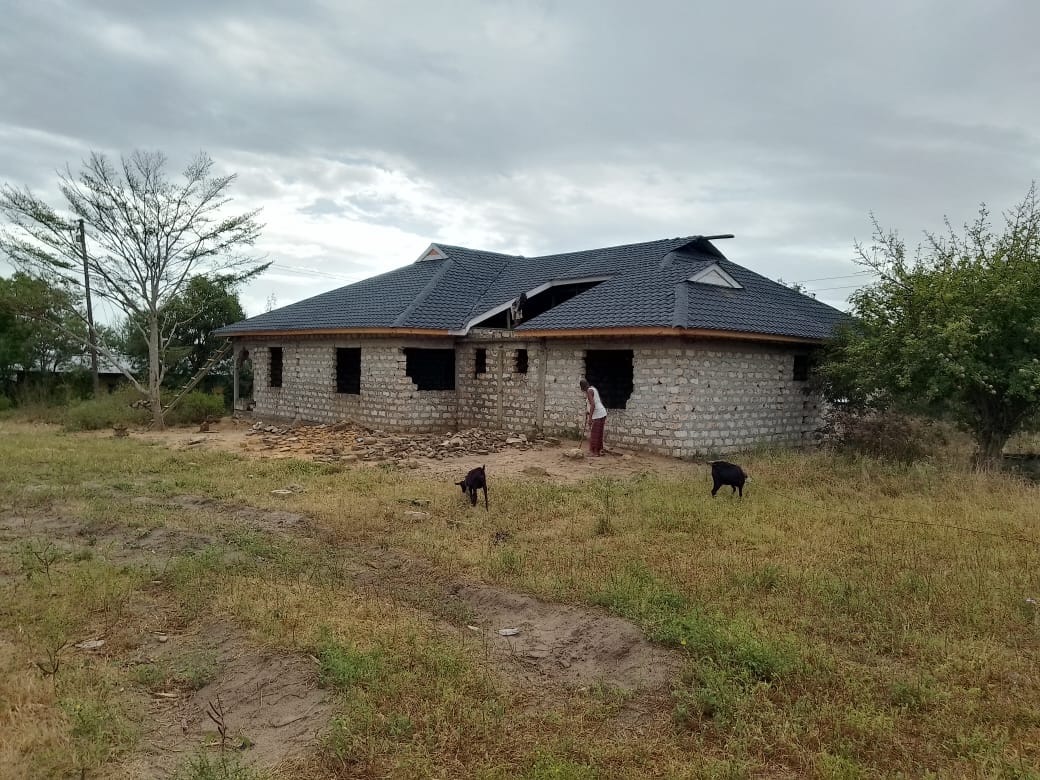
Sammy did not think about climate change or malaria when picking his new house design. He simply wanted something trendy that his wife and children would love. Yet some of the features he chose, large windows for airflow and a higher ceiling for ventilation, now do more than look good: they help keep the house cool and mosquitoes out.
“I don’t know about climate-smart housing; I just loved the design, and my wife and children liked it, and I love large windows, especially on the balcony,” Sammy says. He also plans to fit ceiling and window nets because of the many mosquitoes in the area.
Sammy’s house reflects a wider shift across Kenya, where rising temperatures, changing rainfall and persistent malaria transmission are forcing a rethink of home design. Public health researchers increasingly see housing as part of the environment in which people experience disease and climate risk, and the World Health Organization (WHO) says design choices, from ventilation to materials to drainage, can shape exposure to heat and disease-carrying vectors.

Yet the artisans who build most of these homes have had little formal training in climate-resilient or malaria-smart construction, a gap researchers, architects and officials say Kenya can no longer ignore.
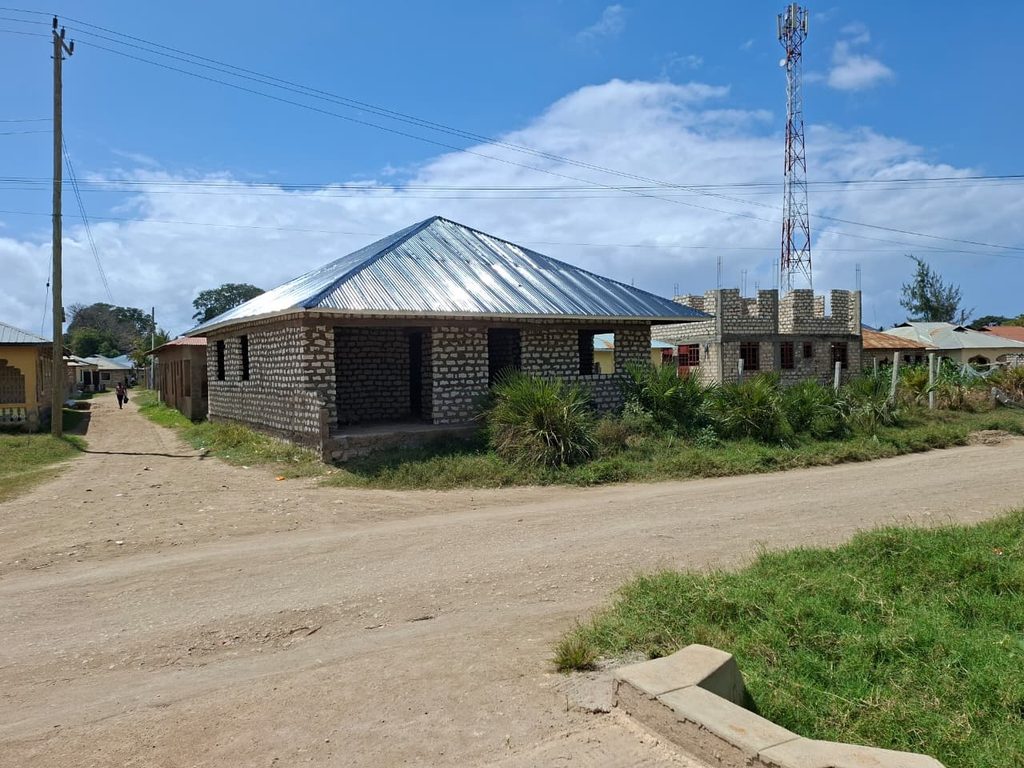
For Hamisi Mkaha, an artisanal builder with over 10 years’ experience on the Kenyan coast, the changes Sammy describes are familiar. Almost every new building in Mwavumbo village, Kwale, has passed through his hands as he has watched homes change with rising coastal heat.
Artisans know about heat and its climate links from experience with coastal houses, not formal training
“Before, the windows were three by three feet. But now it’s from four by four up to even six or seven feet,” Mkaha says, describing how homeowners are choosing larger openings to improve airflow.
Ventilation is part of the practical advice he gives clients, though he says the final decision always rests with them. “Customer is king, you know, I suggest, but at the end it’s according to their preference,” he adds.
Mkaha knows about heat and its climate links, but this understanding comes from years of building and observing coastal houses, not formal training. Construction methods and materials have changed significantly over the past 10 years, he agrees, yet he has never been trained specifically in climate-resilient or malaria-smart housing.
That gap is exactly what Dr Bernard Abong’o, a medical entomologist and senior research scientist at the Kenya Medical Research Institute’s Centre for Global Health Research, has been examining.
Dr Abong’o is the lead author of a 2026 Nature Medicine study testing whether cool roofs combined with vector proofing could adapt housing for heat and cut indoor mosquito numbers in rural African households.
Houses with cool roofs recorded largest drop in indoor heat at night compared with control houses
The study tested 40 houses in Siaya County, randomly split into four groups: cool roofs, cross-ventilation, papyrus mat ceilings, or a control group. Doors, windows, and eaves in intervention houses were also screened to keep mosquitoes out.

Houses with cool roofs recorded the largest drop in indoor heat, with the heat index falling by about 3.3°C during the day and 2.4°C at night compared with control houses. Screening cut female Anopheles funestus by 77 per cent and Culex mosquitoes by 58 per cent.
A separate April 2026 Nature Medicine study found lower malaria incidence among children in a purpose-designed healthier house, in a larger three-year trial in Tanzania.
For Lilian Kendi, Programme Director at the Africa Workforce Transformation Foundation, the artisan sits at the centre of this challenge because he is the one who builds. “There is no healthy housing without a healthy artisan,” she says.
Someone must check whether an opening is properly screened, a roof fitted as intended, gaps sealed and drainage working, and understand why each specification matters. That person is often the artisan, Kendi says, yet the workforce needs ongoing opportunities to update skills as housing technologies, climate risks and health requirements evolve.
‘Ancestral intelligence” is knowledge built through generations of adapting homes to local climates, materials, ways of living
Architect George Ndege, president of the Architectural Association of Kenya, argues Kenya should not look only to new technologies for climate-responsive housing but also reconsider what earlier generations knew about building in specific environments.
He describes this as “ancestral intelligence”: knowledge built through generations of adapting homes to local climates, materials, and ways of living, deserving scientific testing and modern adaptation. At the coast, builders used materials suited to a hot, humid environment, while other regions developed their own climate-suited practices.

Ndege’s argument challenges the assumption that the most modern-looking house is the healthiest. “I did not see poverty. I saw lack of good design,” he says, recalling how he once viewed poor housing differently. A poorly ventilated house built because the owner cannot afford better design may reflect not poverty but a failure to make good design affordable and accessible.
The WHO notes traditional building can support ventilation through high ceilings and air spaces near eaves, but warns that ventilation without proper screening lets vectors in. For many households, passive cooling through design, not mechanical systems, may be more realistic: reflective roofs, shading, ventilation, window placement and local materials can all help.
Victoria Maina, Assistant Director of the Rural Housing Programme at the State Department for Housing and Urban Development, says rural affordable housing offers a chance to build climate and health considerations into design and costing, rather than retrofitting later. Kenya’s Affordable Housing Regulations, 2025 provide rural loans under specified eligibility, requiring development permission, land documentation and a priced bill of quantities from a registered surveyor.
‘Sick buildings’ are a growing industry concern, linking occupied environments to stress, disease and wellbeing
The WHO describes housing as a major determinant of health and says interventions need to be considered across planning, design, construction and renovation.

David Lagat of the National Construction Authority (NCA) points to tension in the National Building Code 2024, which exempts certain single-storey, owner-occupied homes built with local, culture-influenced materials. The provision protects indigenous knowledge and vernacular architecture, Lagat says, but it may be time to reconsider how it interacts with health.
“If you look at this document, section 10, for example, it talks about ventilation and lighting of structures,” he points out. The code requires windows equal to at least 10 per cent of a room’s floor area for adequate ventilation and lighting, but Lagat says applying formal requirements to some locally built homes can be difficult.
For NCA, the answer lies in more research, training, capacity-building, standardised materials and technologies, and policy advice bringing healthy-housing evidence into construction. He also calls “sick buildings” a growing industry concern, linking occupied environments to stress, disease and wellbeing.
Kennedy Matheka, Deputy Director for Building Safety and Climate Resilience at the Ministry of Lands, says this needs stronger links between the built environment and other sectors, especially health, since the two cannot operate in isolation. If health officials track disease data while builders track construction data, both sides need ways to read those datasets together.

Matheka also flags a wider concern: 96 per cent of rural housing in Kenya is self-built. Improving housing, he says, cannot rely only on formal professionals; those building outside those systems need access to knowledge, standards and practical guidance too.
For artisans like Mkaha, the changing size of windows and doors on coastal houses is a visible sign of a changing climate and shifting expectations. A climate-resilient house should not have to be a choice between a beautiful modern home and a healthy one. With good artisans, it can be both.
The next homeowner who consults a builder should draw not only on scientific knowledge but on a combined understanding of heat, mosquitoes, and health, guiding what a truly healthy, climate-resilient, mosquito-smart home looks like.