
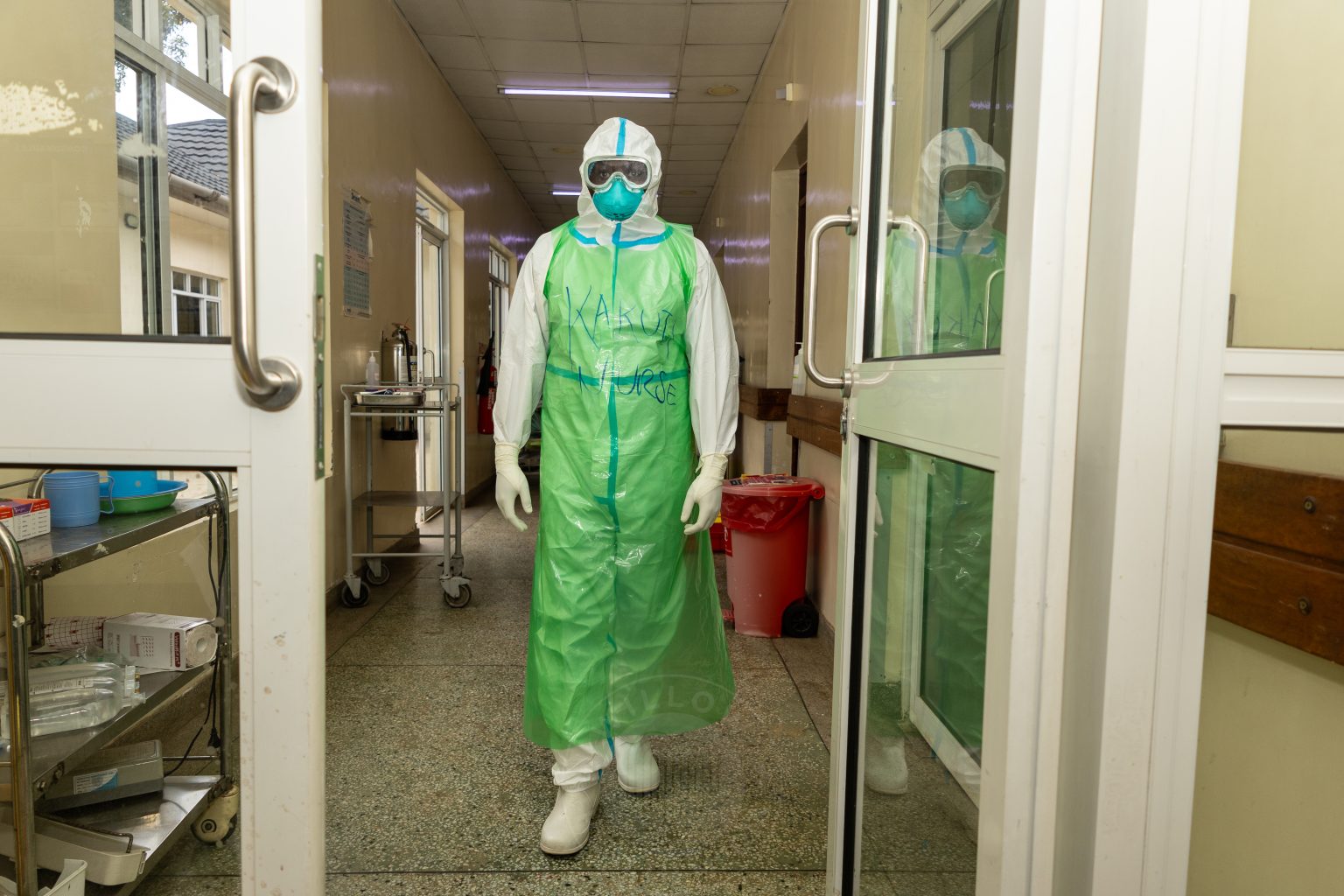

As Ebola spreads, Kenya is relying on border screening, thermal scanners and round-the-clock surveillance to keep the virus out.
Kenya has stepped up surveillance, tightened border screening and put emergency response teams on standby as the Ebola outbreak in the Democratic Republic of Congo (DRC) and Uganda continues to raise the risk of cross-border transmission. The government maintains that the country has no confirmed cases, but officials admit that financing, laboratory supplies and frontline resources remain insufficient to sustain a full response should the virus cross into Kenya.
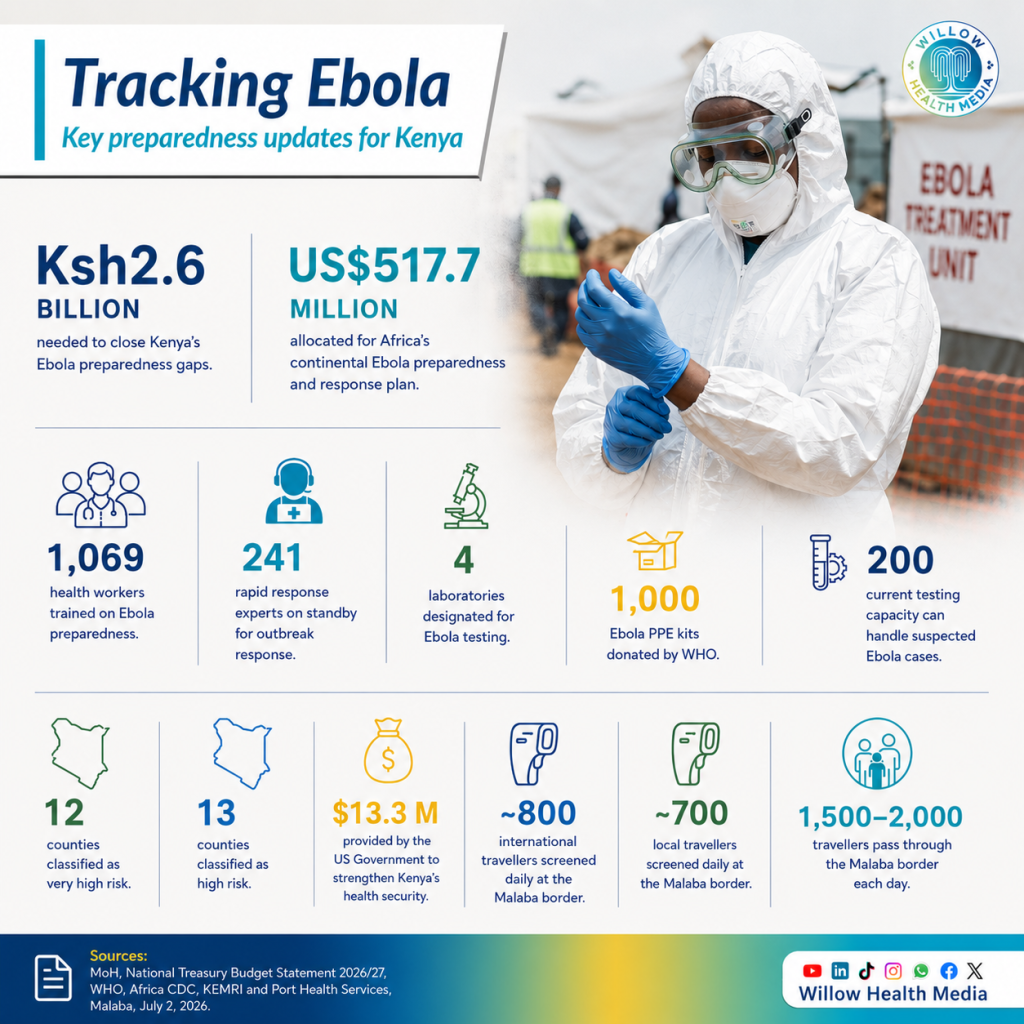
The Ministry of Health (MoH) says it needs Ksh2.6 billion to close preparedness gaps. Internationally, health agencies have launched a continental response plan seeking US$518 million (Ksh67 billion) to contain the outbreak and protect at-risk African countries.
“Kenya is at risk, and we need to understand this disease and how we are going to stop it,” said Dr Paul Mbuvi, co-chair of Kenyatta National Hospital’s (KNH) Disaster Management Committee, during an Ebola preparedness discussion organised by KNH and the University of Nairobi on 26 May 2026. Experts say Kenya’s preparedness is stronger than before, but its land borders with Uganda and DRC, busy airports and high population mobility remain significant risks.
Speaking at an online forum hosted by Willow Health Media, virologist Prof Omu Anzala questioned whether African countries have the infrastructure, logistics and trained workforce to “Facilitate quarantine, isolation and contact tracing?” he asked, adding: “Our borders are the weakest links.”
Appearing before the National Assembly on June 3, 2026, Health Cabinet Secretary Aden Duale said that while Kenya has built robust surveillance and lab systems, gaps remain in case management, infection prevention and emergency logistics.
Africa is maintaining readiness against Ebola amid competing health priorities, constrained finances
“Our laboratory capacity is strong, but the current stocks of specialised test kits, reagents and personal protective equipment are only sufficient for approximately the first 200 suspected cases,” he told MPs, warning that additional emergency financing would be necessary. The gap reflects a broader problem facing many African countries: maintaining readiness against one of the world’s deadliest diseases amid competing health priorities and constrained finances.
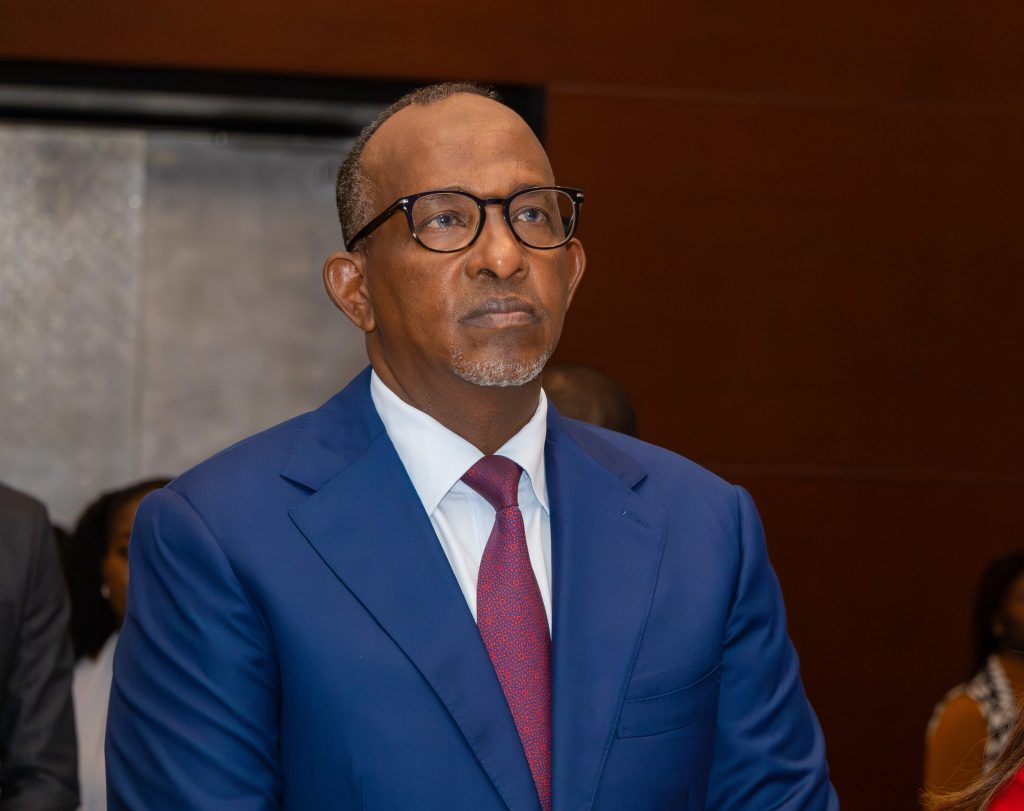
Kenya has not recorded a confirmed case. The MoH has activated the National Ebola Incident Management System, intensified surveillance and strengthened screening at airports and border crossings. Duale said rapid response teams remain on 24-hour standby, while counties have been told to operationalise isolation centres, quarantine facilities and holding areas. Health declaration forms, temperature screening, symptom assessments and referral protocols have also been reinforced at priority entry points.
Four specialised laboratories, the National Public Health Laboratory, KEMRI laboratories in Nairobi and Kisumu, and a mobile laboratory in Busia, have been designated to test Ebola samples and shorten turnaround time for border counties.
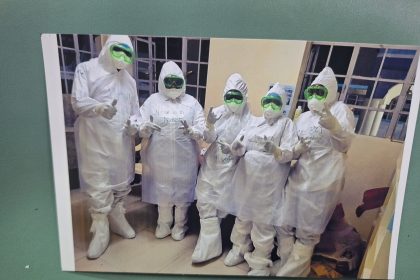
More than 1,069 national and county health workers have undergone Ebola preparedness training through virtual sessions, simulation exercises and field drills, and Kenya has assembled a reserve pool of 241 specialists in epidemiology, laboratory sciences and emergency response who can be deployed rapidly. Treatment and isolation facilities in referral hospitals and counties are being progressively verified for readiness.
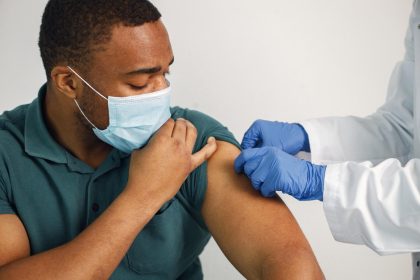
Duale urged legislators to help combat misinformation, which he said can fuel panic and discourage early treatment-seeking.
“Support the Ministry of Health by amplifying accurate information, encouraging early health-seeking behaviour, supporting screening at border points of entry, and urging the public to use the official 719 hotline,” he said, affirming: “Kenya has no confirmed case of Ebola virus disease. Our surveillance systems are active, our laboratories are functional, our points of entry are screening travellers, our rapid response teams are on standby, and our isolation facilities are being strengthened.”
Kenya’s Ebola response remains under national control despite deepening international collaboration
The Treasury echoed the assurance during the 2026/27 Budget Statement on June 11, 2026. Cabinet Secretary John Mbadi said screening was underway at airports and land borders and more than 1,000 health workers had been trained. Kenya was working with the World Health Organization (WHO), Africa CDC, IGAD and the East African Community, and had received about US$13.5 million (about Ksh1.75 billion) from the United States government for health security interventions, alongside World Bank financing through the Regional Recovery and Resilient Operations Programme.
“These resources, complemented by domestic budgetary allocations, will significantly enhance Kenya’s capability and capacity to prevent, detect and respond to Ebola and other epidemic-prone diseases,” he told Parliament.

Duale maintained that Kenya’s response remains under national control despite deepening international collaboration. “International cooperation does not mean surrender of our national authority and sovereignty. All public health decisions within Kenya remain under the authority of the Government of Kenya,” he told lawmakers, adding that partners provide technical assistance, health commodities, financing, training and logistical support while Kenya retains full responsibility for all public health decisions.
Officials agree that preparedness remains unequal. A pressing concern is that Ebola’s early symptoms closely resemble common illnesses such as malaria, influenza and gastrointestinal infections. Fever, headache, vomiting and diarrhoea often mirror conditions routinely treated in Kenyan health facilities, complicating early detection without strong surveillance and laboratory confirmation.
To improve vigilance, the MoH has designated 12 counties as very high risk: Nairobi, Mombasa, Wajir, Busia, Kisumu, Bungoma, Trans Nzoia, Siaya, West Pokot, Turkana, Homa Bay and Migori. Another 13 are classified as high risk: Vihiga, Kakamega, Nakuru, Kericho, Nandi, Kiambu, Machakos, Kilifi, Makueni, Taita Taveta, Isiolo, Elgeyo Marakwet and Garissa. Many host busy border crossings, transport corridors, airports or urban centres where population movement raises the risk of imported infections.
Between 1,500 and 2,000 people pass through Malaba border crossing. ‘We screen all of them.’
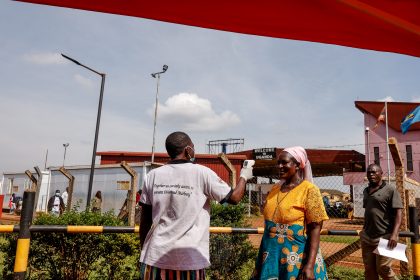
Busia remains among Kenya’s most critical surveillance points. On July 3, KEMRI donated personal protective equipment, thermal scanners, tents, N95 respirators, surgical masks, gumboots and other infection prevention supplies to Malaba One Stop Border Post and Kocholia Sub-County Hospital. Malaba is one of East Africa’s busiest transit corridors linking Kenya and Uganda. Port Health official Everlyne Walela said between 1,500 and 2,000 people pass through the crossing daily.
“We screen all of them,” she said, adding that only one suspected case had been identified since enhanced surveillance began. KEMRI representative Lucy Manyara said the institution was supporting border surveillance by providing full personal protective equipment for sample collection and testing, as well as thermal guns and tents.
The border intervention reflects growing regional concern. On 5 June, the WHO and Africa CDC launched a joint continental preparedness plan covering June to November 2026, seeking US$518 million (about Ksh67 billion) for surveillance, laboratory testing, infection prevention, clinical care, logistics and community engagement under a “one plan, one budget, one team” approach. “The only way to beat this outbreak is through close partnership, working together under the leadership of the affected countries in one coordinated effort,” WHO Director-General Tedros Adhanom Ghebreyesus said.
For Kenya, the challenge extends beyond surveillance to sustained financing for diagnostics, protective equipment, emergency logistics, reagents, risk communication and training. Officials acknowledge that lasting preparedness will depend on greater domestic investment. Kenya’s COVID-19 experience underscored the value of rapid surveillance and coordinated response, but Ebola poses a greater challenge given its high fatality rate and demanding infection control requirements.
Kenya remains on alert rather than in crisis. But with thousands of travellers crossing its borders daily and regional transmission ongoing, preparedness has become not merely a health sector responsibility but a national security priority. “Our approach is guided by science, the law, the national interest, public health protection and the international obligations that as a country we have,” Duale said. Whether Kenya can close its remaining gaps before Ebola reaches its borders may determine how well it protects its health system and the millions who depend on it.
We believe in the free flow of information
Republish our articles for free, online or in print, under Creative Commons licence.