


Although Ebola remains one of the world’s deadliest infectious diseases, experts say it is not unstoppable. Early detection, rapid treatment and continued vaccine research are offering new hope in preventing outbreaks from spiralling into widespread health crises.
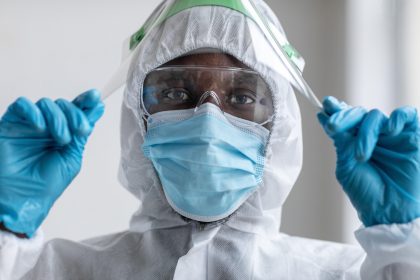
Few diseases trigger as much fear across Africa and the world as Ebola Virus Disease (EVD). Images from past outbreaks often show healthcare workers in full-body protective suits, overwhelmed treatment centres, and communities gripped by anxiety. The virus has repeatedly exposed weaknesses in health systems, disrupted economies, and left thousands dead.
Yet despite its deadly reputation, Ebola is frequently misunderstood.
Many people still believe it spreads through the air like Covid-19 or influenza. Others assume infection automatically means death. In reality, Ebola spreads through direct contact with infected body fluids, and survival rates improve significantly when patients receive early medical care.
According to the World Health Organization (WHO), Ebola Virus Disease is a rare but severe illness affecting humans and other primates, including monkeys, gorillas and chimpanzees. Scientists first identified the virus in 1976 near the Ebola River in Zaire, which is now the DRC, thus giving it the name Ebola. Since then, the disease has caused multiple outbreaks across Africa.

WHO estimates that Ebola has an average case fatality rate of around 50 per cent, although mortality rates have varied widely between outbreaks, ranging from approximately 25 per cent to as high as 90 per cent.
For virologist Dr Moses Masika, the reason Ebola attracts such global concern is straightforward.
“The main thing is because of the symptoms it causes and also the number of people it kills,” says Dr Masika. “Usually, on average, it can kill one out of every two patients or one out of every three patients, which is a very high mortality rate.”
He explains that severe Ebola infections can rapidly deteriorate into multi-organ failure and uncontrolled bleeding.
The virus can severely affect the kidneys, liver, heart and other organs, eventually leading to organ failure if treatment is delayed
Ebola is caused by a group of viruses known as orthoebolaviruses. Once the virus enters the body, it attacks several types of cells and disrupts the immune system in dangerous ways. According to Dr Masika, one of the virus’ most destructive effects is how aggressively it triggers the body’s immune response.

“It overstimulates the body’s defence system,” he explains. “The immune system ends up attacking the body so much that it causes damage, especially to blood vessels.”
As blood vessels become damaged, patients may begin to bleed internally and lose adequate blood supply to vital organs. The virus can severely affect the kidneys, liver, heart and other organs, eventually leading to organ failure if treatment is delayed.
This aggressive attack on multiple body systems is what makes Ebola particularly deadly. One of the most persistent misconceptions surrounding Ebola is that it spreads through the air. Experts stress that Ebola is not airborne like COVID-19, tuberculosis, or influenza.
Simply being near an infected person does not automatically cause infection. Instead, Ebola spreads through direct contact with body fluids from someone who is sick with the disease or has died from it. These fluids include blood, saliva, urine, stool, semen, sweat, tears and breast milk.
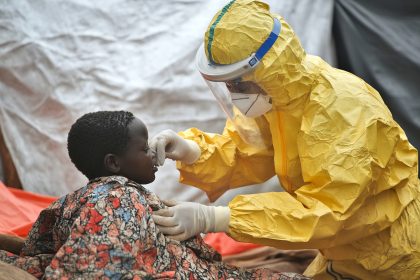
“The contact is with body fluids of infected persons,” says Dr Masika. “It could be on pieces of clothing, surfaces or other items contaminated by those fluids.”
This means healthcare workers, caregivers and close family members are often among the highest-risk groups during outbreaks, especially when infection prevention measures are inadequate. Transmission can also occur during burial practices involving direct contact with the bodies of Ebola victims. This is one reason safe and dignified burial protocols remain critical in outbreak control.
Experts also warn that survivors may continue carrying the virus in certain body fluids for some time after recovery, requiring continued medical follow-up and monitoring. Importantly, people infected with Ebola generally do not spread the virus before symptoms appear. The risk of transmission increases once symptoms begin and body fluids become infectious.
Patients often first develop fever, severe headache, fatigue, muscle pain, joint pain, chills, sore throat and profound weakness
One of the greatest challenges in controlling Ebola outbreaks is that the disease initially resembles many common illnesses seen across Africa. Early symptoms often mimic malaria, typhoid, influenza and other febrile infections, making diagnosis difficult during the first stages of illness.
“The early phase of the disease is very much like other diseases that cause fever,” says Dr Masika. “If you’re not thinking about Ebola, it’s possible to miss it.”
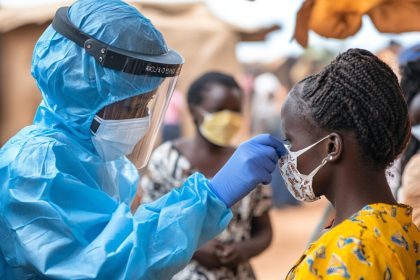
Symptoms can appear anywhere between two and 21 days after exposure, although most infected people develop symptoms within eight to 10 days. This incubation period makes surveillance and contact tracing especially important during outbreaks.
According to Dr Masika, doctors must maintain a high level of suspicion, particularly when a patient has travelled to an affected area or been exposed to a known Ebola case.
Ebola symptoms usually develop in stages, beginning with what clinicians sometimes refer to as ‘dry symptoms.’ Patients often first develop fever, severe headache, fatigue, muscle pain, joint pain, chills, sore throat and profound weakness. As the illness progresses, symptoms become more severe.
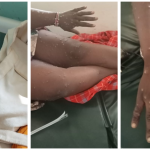
Patients may develop ‘wet symptoms’ like vomiting, severe diarrhoea, abdominal pain, and show signs of dehydration. In more advanced stages, some patients develop unexplained bleeding, blood in stool, bruising and bleeding beneath the skin. Other symptoms may include skin rashes, red eyes, chest pain, breathing difficulties, confusion and seizures.
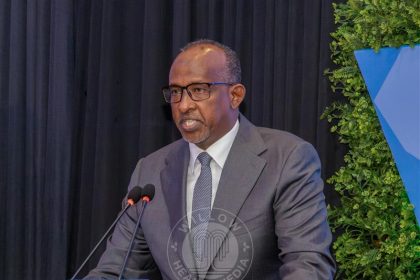
Dr Masika explains that the disease worsens progressively as the virus spreads throughout the body.
“Initially, somebody may have fever, fatigue and severe weakness. As they get sicker, they begin to vomit and have diarrhoea. Later, they may develop bleeding, rashes that look like bleeding under the skin, and eventually organ failure.”
As infection intensifies, patients may become disoriented, confused or aggressive due to severe illness and organ dysfunction. Although bleeding symptoms often receive the most public attention, experts note that not every Ebola patient experiences dramatic external bleeding. Severe dehydration, shock and organ failure remain major causes of death.
The Zaire species has caused some of the deadliest outbreaks, including the 2014–2016 West Africa epidemic that killed more than 11,000 people
Many people refer to Ebola as though it is a single virus, but scientists have identified six known Ebola virus species. These include Zaire ebolavirus, Sudan ebolavirus, Bundibugyo ebolavirus, Tai Forest ebolavirus, Reston ebolavirus and Bombali ebolavirus. According to Dr Masika, three species have caused most human outbreaks: Zaire, Sudan and Bundibugyo.
The Zaire species has historically caused some of the deadliest outbreaks, including the massive 2014–2016 West Africa epidemic that killed more than 11,000 people. The Bundibugyo strain, however, has recently drawn renewed attention because relatively little is known about it compared to other Ebola viruses.
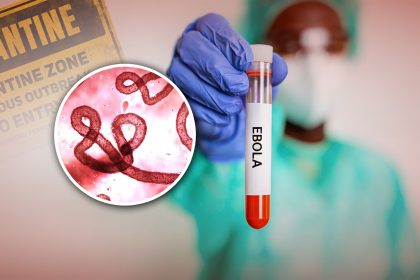
“It is only the third recorded outbreak involving this species,” says Dr Masika. “We don’t have a lot of information on it.”
One of the major concerns surrounding Bundibugyo Ebola is the absence of approved vaccines or strain-specific treatments. While scientists have developed vaccines and targeted therapies for the Zaire strain, similar tools are not yet widely available for Bundibugyo.
This makes outbreak response more complicated and increases reliance on supportive treatment, surveillance and rapid isolation. However, experts remain hopeful that advances made during previous Ebola outbreaks could accelerate the development of vaccines and treatments for other species.
Because Ebola symptoms overlap with many other diseases, doctors cannot confirm infection based on symptoms alone. Laboratory testing is essential. According to Dr Masika, risk assessment plays a major role in deciding who should be tested.
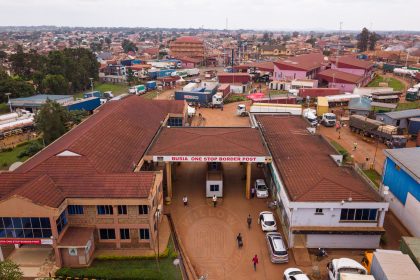
“If someone has travelled to an area where Ebola is present and develops a fever, it makes sense to test them,” he explains.
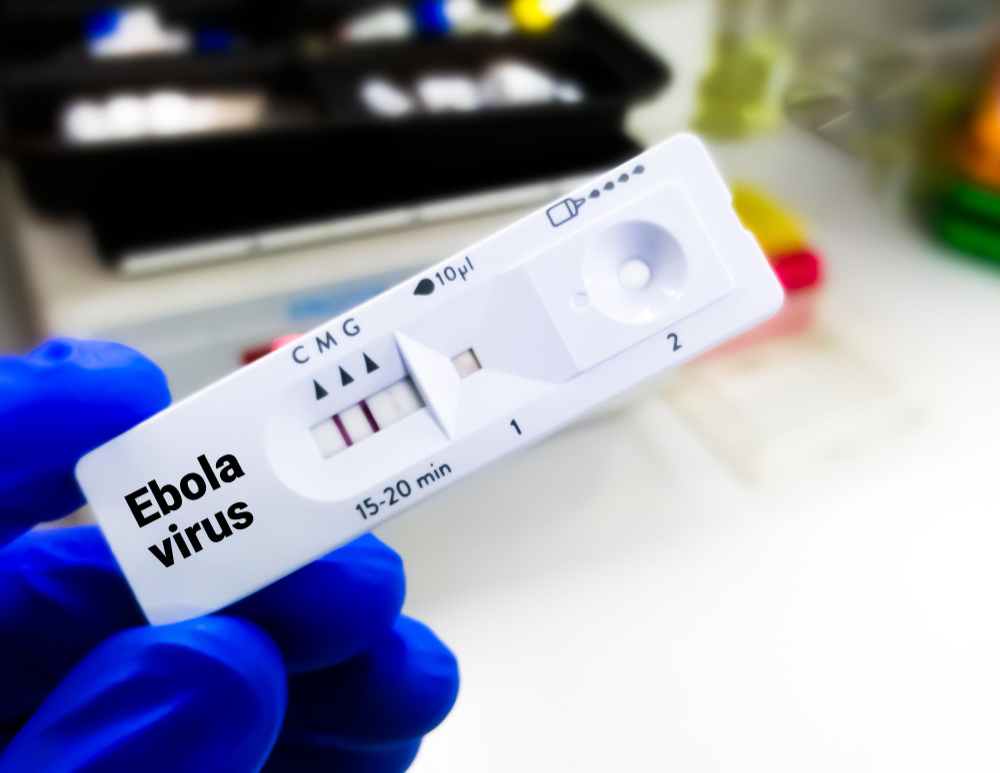
The most commonly used diagnostic method is the Polymerase Chain Reaction (PCR) blood test, which detects the virus’ genetic material. During some outbreaks, health authorities initially faced challenges because available tests were designed mainly to detect the Zaire strain rather than Bundibugyo. Patients suspected of having Ebola are usually isolated while awaiting results in order to reduce potential spread.
There is currently no universal cure for all Ebola virus species. However, modern supportive care has significantly improved survival rates. According to Dr Masika, early intervention remains the most important factor determining whether a patient survives.
“The most important thing is early detection,” he says. “If a person is detected early and receives supportive care, their chances improve.”
Fear, misinformation and distrust can push families to hide sick relatives or avoid testing, giving the virus time to spread
Supportive treatment focuses on helping the body survive while the immune system fights the virus. Patients may receive intravenous fluids, electrolyte replacement, oxygen support, pain management and treatment for complications affecting organs such as the kidneys, liver and heart.
In severe cases, patients may require dialysis or intensive monitoring. Replacing lost fluids is especially critical because severe vomiting and diarrhoea can rapidly cause dehydration and shock. Experts say many Ebola deaths occur because patients seek care late or health systems fail to identify infections quickly enough.

Containing Ebola outbreaks requires more than medicine alone. According to Dr Masika, public trust often determines whether response efforts succeed or fail.
“Engaging communities and winning their trust helps governments and response teams work more effectively,” he says.
Fear, misinformation and distrust can push families to hide sick relatives, avoid testing or continue caring for patients at home instead of seeking treatment. This allows the virus to spread silently within communities. Successful outbreak control depends on rapid case identification, testing, isolation, contact tracing and cooperation between communities and health authorities.
Healthcare worker protection is equally important, and “We need to make sure healthcare workers have the right protective gear and the skills to use it correctly,” says Dr Masika.
Although Ebola remains one of the world’s deadliest infectious diseases, experts stress that it is preventable. Public health authorities recommend avoiding direct contact with body fluids from infected individuals, contaminated clothing or bedding, and bodies of people suspected to have died from Ebola.
People are also advised to avoid contact with infected wildlife and seek medical attention immediately if symptoms develop after exposure or travel to affected areas. For travellers and communities living near outbreak zones, vigilance remains essential.
Health authorities typically recommend monitoring for symptoms for 21 days after possible exposure because this covers the virus’ maximum incubation period. Ebola outbreaks continue to spark fear because of the virus’ high mortality rate and severe symptoms. Yet experts insist the disease is not unstoppable.
Over the years, African countries have strengthened surveillance systems, laboratory capacity, rapid response teams and infection prevention strategies. Scientists have also made major progress in vaccine development, treatment research and outbreak management.
While the Bundibugyo species still lacks approved vaccines and targeted therapies, lessons learned from previous outbreaks are already shaping newer research efforts. Meanwhile, knowledge, vigilance, rapid testing, strong health systems and community cooperation remain some of the most powerful tools in the fight against Ebola.