

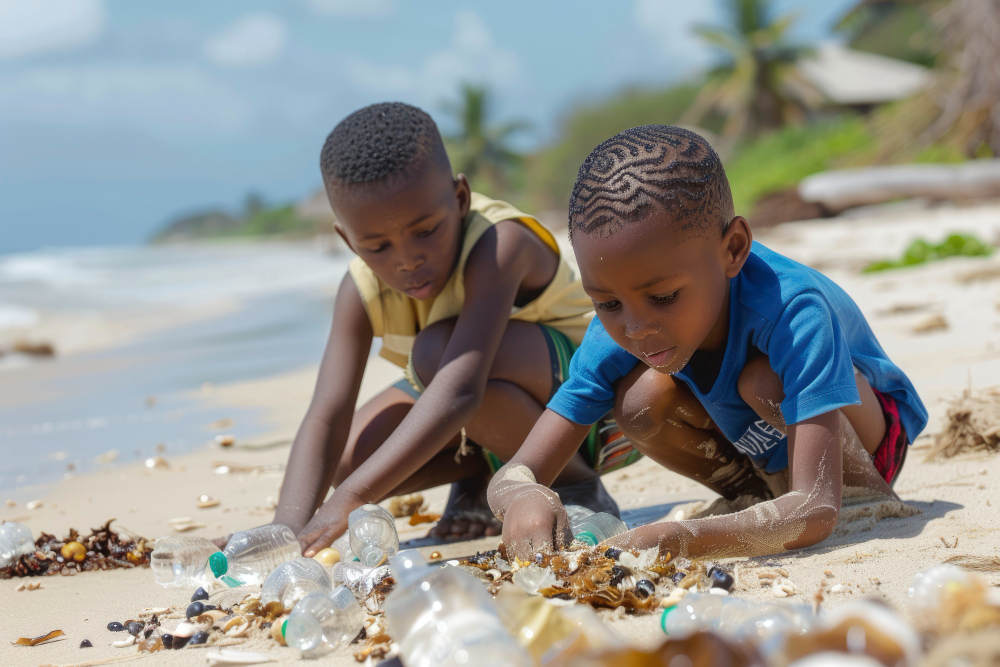

Children’s small bodies absorb more pollutants and heat per kilo than adults do. Their developing organs mean early damage often leaves lasting harm.
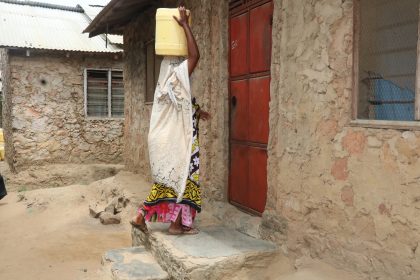
At 37 degrees Celsius, children in Kifyonzo village, Kinango, Kwale County, walk long distances carrying empty 20-litre jerry cans towards a water bowser. It is a routine scene in a region gripped by prolonged drought, and a preview of a future UNICEF says today’s children will inherit more of than any generation before them.
A child born in 2020 is projected to experience between two and seven times more extreme weather events, particularly heat waves, than a child born in 1960, under current climate policy commitments.

UNICEF’s Children’s Climate Risk Report 2026 finds that 1.1 billion children worldwide, nearly half the global child population, now face at least three overlapping climate hazards. In Kenya, an estimated 12 million children face climate and disaster risks, with Turkana, Samburu, Marsabit, Wajir, Mandera, Garissa and Tana River in the very high-risk category, and Kilifi, Kwale, Isiolo and West Pokot classified as high risk.
Across Africa, climate change is shaping children’s lives before they understand what it is. Rising temperatures, droughts, floods and food insecurity are affecting children’s health, development and ability to learn, with consequences that could last a lifetime. UNICEF frames this as more than an environmental problem. It calls it a child rights crisis, driven by children’s exposure to multiple, overlapping hazards combined with limited access to healthcare, nutrition, education, water and sanitation.
Climate change doesn’t just affect children now; it locks in inequality for decades
Experts say the first years of life are the most critical. It is during this period that the brain, organs and immune system develop rapidly, leaving children far more vulnerable to climate shocks than adults. Prof Amina Abubakar, Director of the Institute for Human Development at Aga Khan University, says the effects compound over time. “Climate change doesn’t just affect children now; it locks in inequality for decades,” she says.

Young children are physiologically more vulnerable because they consume more food, water and air relative to their body weight than adults, increasing their exposure to pollutants and extreme heat. Their organs are still developing, meaning damage caused by malnutrition, disease or environmental toxins can have more severe and lasting effects. Unlike adults, they also depend almost entirely on caregivers for protection, leaving them less able to respond to sudden hazards such as floods, droughts or heat waves.
According to Prof Abubakar, the consequences outlast childhood itself. Poor nutrition in the early years can affect brain development, leading to lower educational attainment and fewer opportunities later in life. Children need stable environments to thrive: safe schools, reliable healthcare, food and water security, and supportive families. Climate change is disrupting each of these foundations.
Prof Abubakar argues children deserve more attention precisely because they contribute least to the crisis. “They contribute minimally to greenhouse gas emissions,” she says. “Focusing on children is therefore a matter of climate justice and intergenerational equity.”

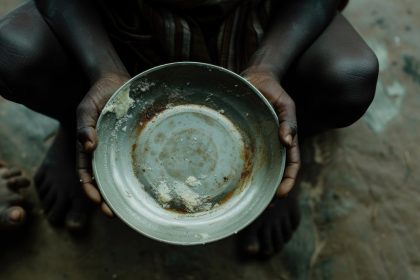
Climate-related crop losses, livestock deaths and disrupted food supply chains drive malnutrition among children
Investing in children now, she adds, is an investment in future resilience. Healthy, educated children become more resilient adults, while early investment in nutrition, healthcare and education generates long-term social and economic returns.
The report warns that climate hazards rarely strike in isolation. Droughts, heat waves, floods, disease outbreaks and food insecurity often reinforce one another, overwhelming families and public services alike. Climate-related crop losses, livestock deaths and disrupted food supply chains reduce food availability and drive malnutrition among children. At the same time, climate change is linked to a rise in diseases such as diarrhoea, cholera, malaria, dengue, chikungunya and skin infections, while damaged infrastructure limits access to healthcare.
Schools are not spared. Floods damage classrooms and interrupt learning, while high temperatures reduce children’s ability to concentrate. Some children miss school while searching for water with their families; others drop out altogether because of hunger or displacement caused by competition over shrinking natural resources.
UNICEF argues that climate risk is shaped not only by hazards, but by the strength of the social services children rely on, including healthcare, nutrition, education, water and sanitation, child protection and social protection.
Dr Patricia Kitsao-Wekulo, a research scientist at the Africa Population Health Centre’s Early Childhood Development Unit, says childcare remains one of the weakest links in early development systems across many African countries. “Childcare for children under 3 remains poorly coordinated and under-prioritised,” she says.
Childcare is an economic infrastructure as early childhood benefits children, families, national economies
She points to three interconnected constraints: economic, physical and social infrastructure. Many families survive on unstable incomes, making quality childcare unaffordable. Safe childcare also depends on secure buildings, sanitation and appropriate facilities, which are often inadequate in low-resource communities, while trust, community engagement and cultural norms further shape whether families can access safe care at all.
“Childcare should be viewed as economic infrastructure,” Dr Kitsao-Wekulo argues, adding that investment in early childhood benefits children, families and national economies alike.
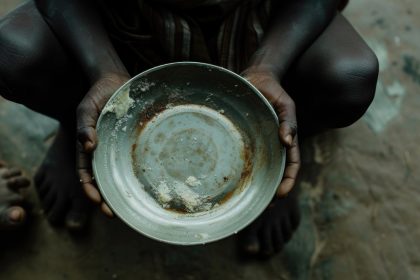
Despite the scale of the challenge, communities are already responding. In coastal Kenya and Zanzibar, researchers Mohammed Dau and Harrison Kamau assessed schools, mapped climate risks, evaluated infrastructure and examined teacher readiness.
Nearly every school assessed reported extreme heat and dust; 83 per cent reported heat-related health conditions among learners, and 67 per cent reported respiratory illnesses linked to dust and smoke. “The risks were not isolated,” Dau says. “They were systemic.”
Rather than treating climate change as solely an environmental issue, UNICEF calls for child-centred adaptation across education, health, nutrition and water. Communities in the study area are already building their own solutions: teachers, parents and learners have established 30 environmental clubs, created 22 vegetable gardens and developed 13 tree nurseries. Schools have introduced rainwater harvesting systems, eco-cooling spaces and climate learning corners using locally available materials.
The Children’s Climate Risk Report 2026 argues that understanding where vulnerable children live, and how hazards overlap, is essential if governments are to design effective responses. “Communities are not waiting to be rescued,” Dau notes. “They are waiting to be trusted.”
We believe in the free flow of information
Republish our articles for free, online or in print, under Creative Commons licence.