


A deadly rodent-borne disease has resurfaced in global headlines. Here is what it is, how it spreads, and why Africa should be paying closer attention.
What is hantavirus?
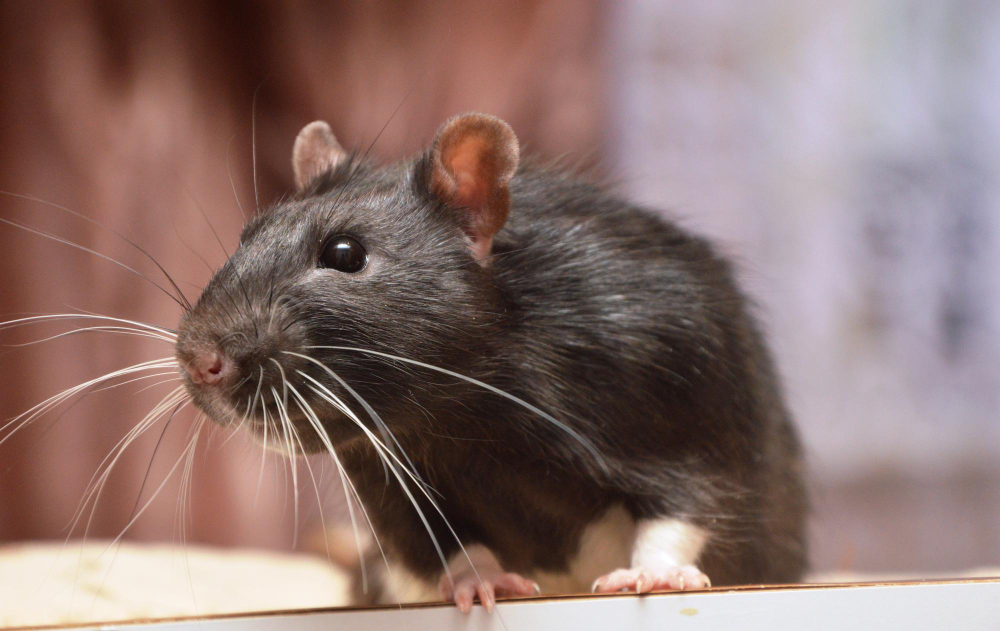
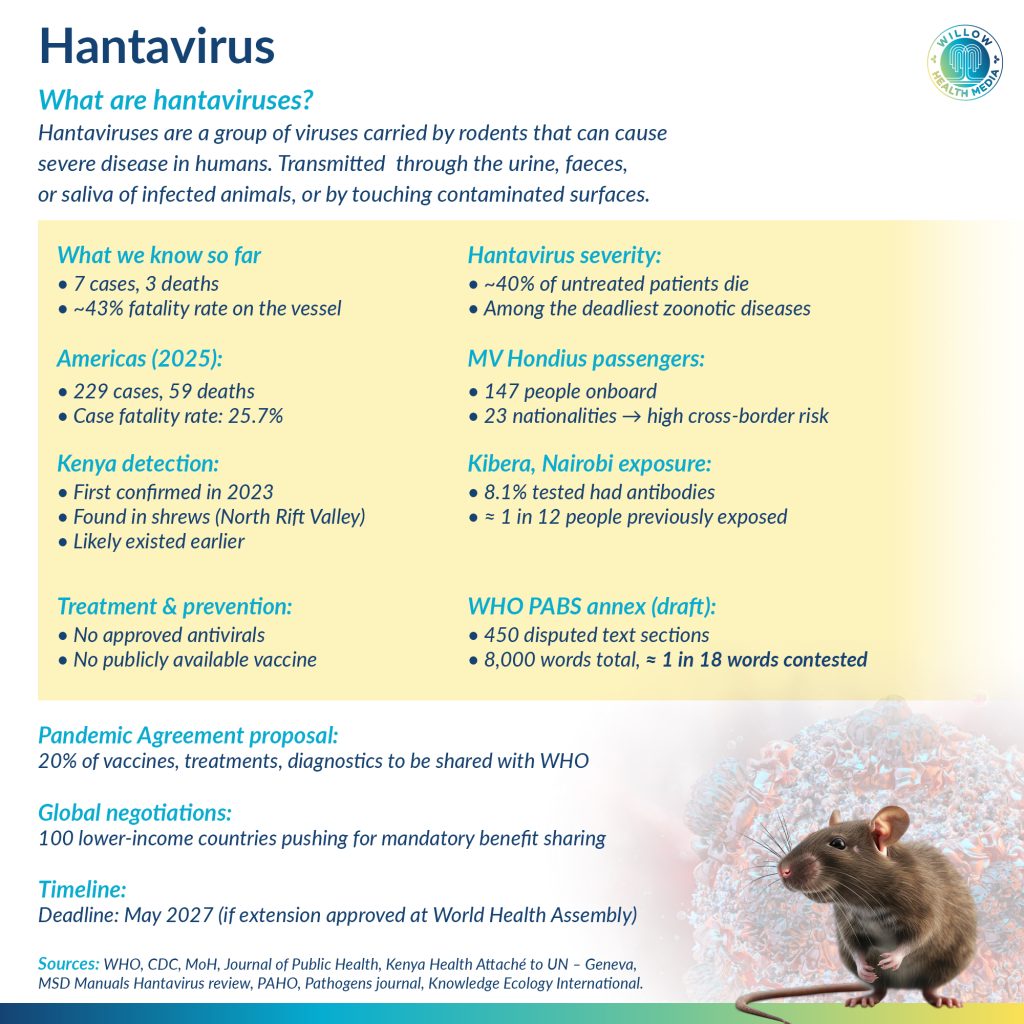
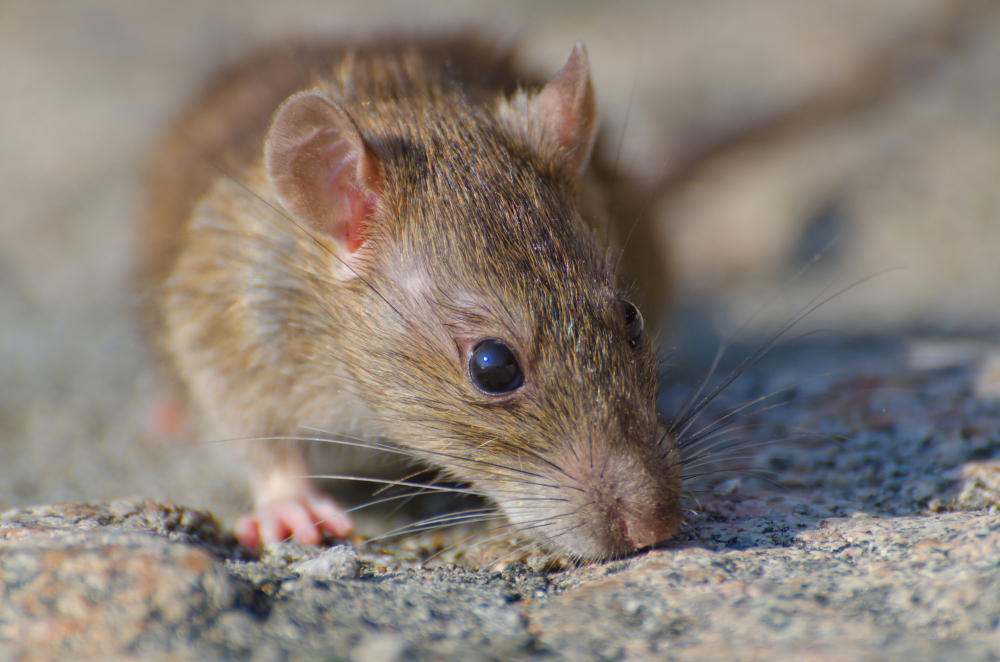
A group of viruses carried by rodents (rats, shrews)
Rodents don’t get sick, but spread the virus through:
Urine
Faeces
Saliva
Humans get infected by:
Breathing in contaminated dust
Touching contaminated surfaces
Rarely, rodent bites
Not spread through food or water
Types by region:
Americas: Causes severe lung disease (Hantavirus Pulmonary Syndrome)
Europe & Asia: Causes kidney-related illness (Haemorrhagic Fever with Renal Syndrome)
Does it spread between people?
Generally, no.
Exception: Andes virus (Chile & Argentina)
Can spread in close contact (households, shared rooms)
Suspected in the cruise ship outbreak
How serious is it?
Starts like flu:
Fever
Fatigue
Muscle aches
Headache
Can quickly worsen to:
Severe breathing problems
Fluid in lungs
Low blood pressure
Heart rhythm issues
Up to 40% fatal without proper care
No specific treatment
No public vaccine
Care focuses on supporting the patient
How is it diagnosed?
Blood tests detect:
Virus genetic material
Antibodies
Early detection is hard (symptoms look like other illnesses)
Many cases likely missed in low-resource settings

Who is most at risk?
People exposed to rodents, including:
Farmers
Construction workers
Informal settlement residents
Campers
Higher risk activities:
Disturbing soil
Handling grain stores
Entering old buildings
Most reported cases:
Men aged 15–40 (due to work exposure)
But anyone can be infected

Why the cruise ship outbreak matters
Linked to Andes virus (possible person-to-person spread)
Risk factors onboard:
Close living spaces
Limited medical access
Multiple nationalities
Raises concern that transmission may not have been only from rodents
Is hantavirus in Africa?
Yes, but under-reported
Evidence shows:
Virus found in rodents and shrews across Africa
Kenya (2023): detected in North Rift Valley
Kibera study: ~1 in 12 people show past exposure
True scale is unclear due to limited testing
Why no treatment or vaccine?
Considered a neglected disease
Mostly affects poorer, rural populations
Low commercial incentive for drug development
Some vaccines are being studied, but:
None approved yet

What should people in Kenya do?
Prevention:
Seal holes in homes
Store food in rodent-proof containers
Use gloves and masks when cleaning dusty or contaminated areas
Avoid disturbing rodent nests
If exposed:
Watch for sudden fever and muscle pain
Seek medical care quickly
Tell the doctor about possible rodent exposure
Bottom line
Rare but highly dangerous
Hard to detect early
Prevention and awareness are the strongest defences right now
Sources:WHO/CDC/MoH/Journal of Public Health/Kenya Health Attaché to UN, Geneva/
MSD Manuals Hantavirus review/PAHO/Pathogens journal/Knowledge Ecology International